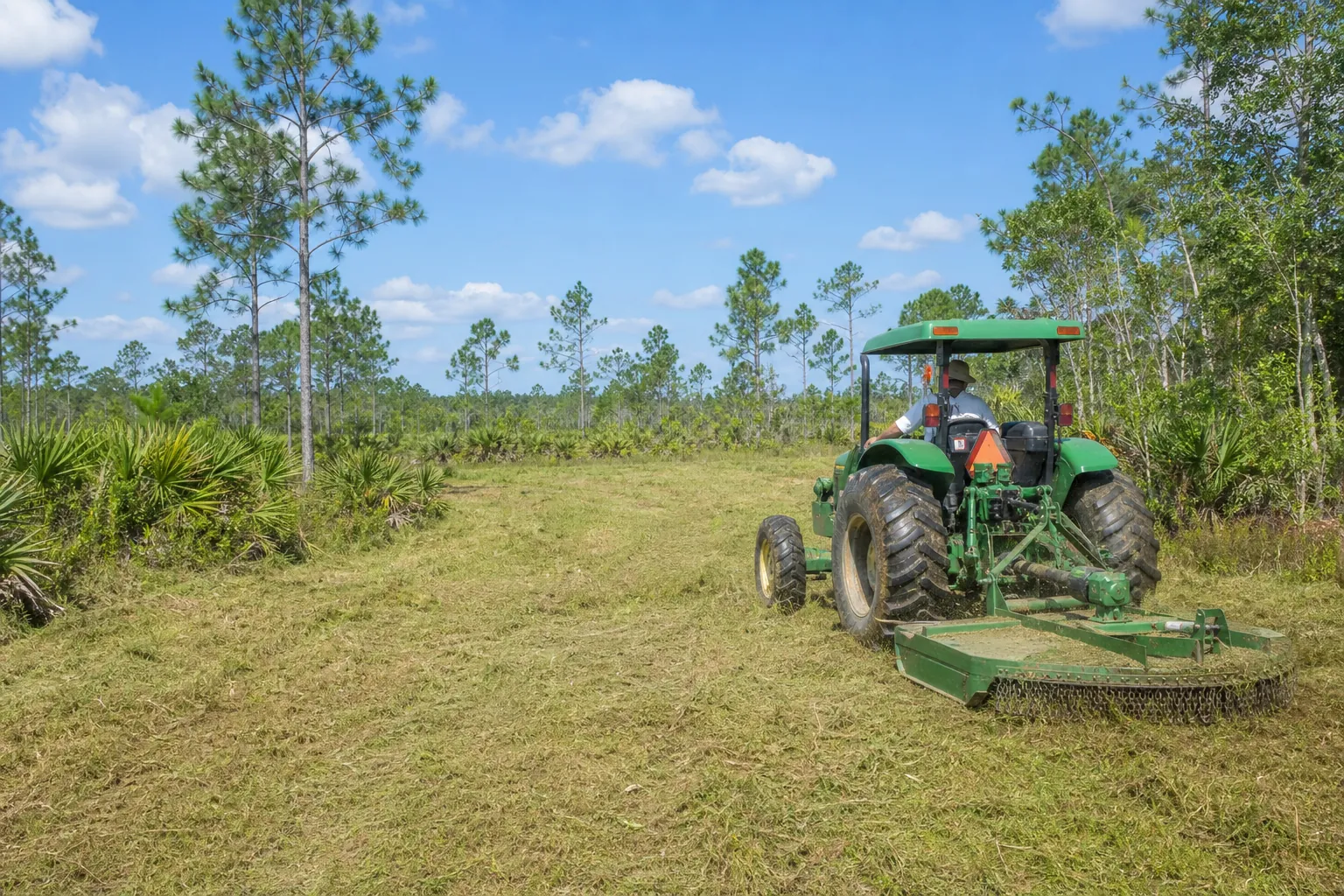
Preparing a Florida property for sale involves more than taking photos and placing a sign near the road. Overgrown grass, palmettos, vines, saplings, and dense brush can make a parcel feel smaller, hide important features, and limit access for buyers or inspectors. Brush hogging before property listing can create a cleaner, more understandable landscape without attempting to turn natural acreage into a finished lawn.
For sellers of vacant lots, rural homes, investment parcels, and larger residential properties, selective vegetation management can help potential buyers see how the land is arranged. The key is to clear with a purpose, protect desirable trees, and coordinate brush control with any needed tree care.
Why Visibility Matters When Selling Florida Land
Buyers need to understand what they are considering. If thick vegetation blocks the view from the road or prevents people from walking the property, it can be difficult to evaluate open areas, mature trees, structures, fences, and general site conditions.
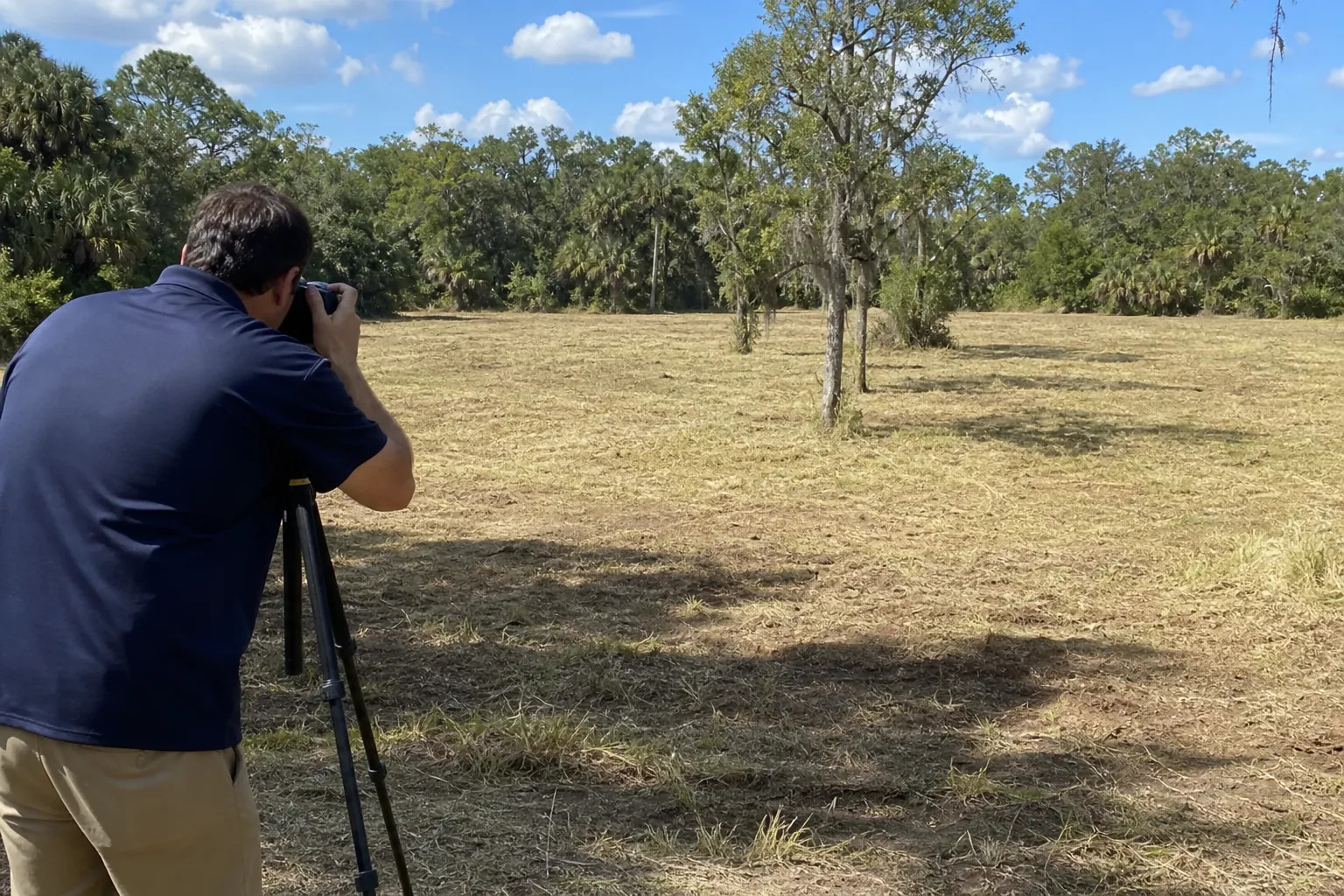
Brush hogging cuts down tall grass and manageable woody growth across accessible terrain. This can reveal the shape of the lot and make existing pathways easier to identify. It may also improve the setting for listing photos by reducing visual clutter around key areas.
Clearing does not need to remove every natural feature. In many cases, retaining healthy trees and selected native vegetation gives the property character. A measured approach can open sightlines while preserving shade, privacy, and attractive landscape elements.
Areas To Address Before Listing Photos
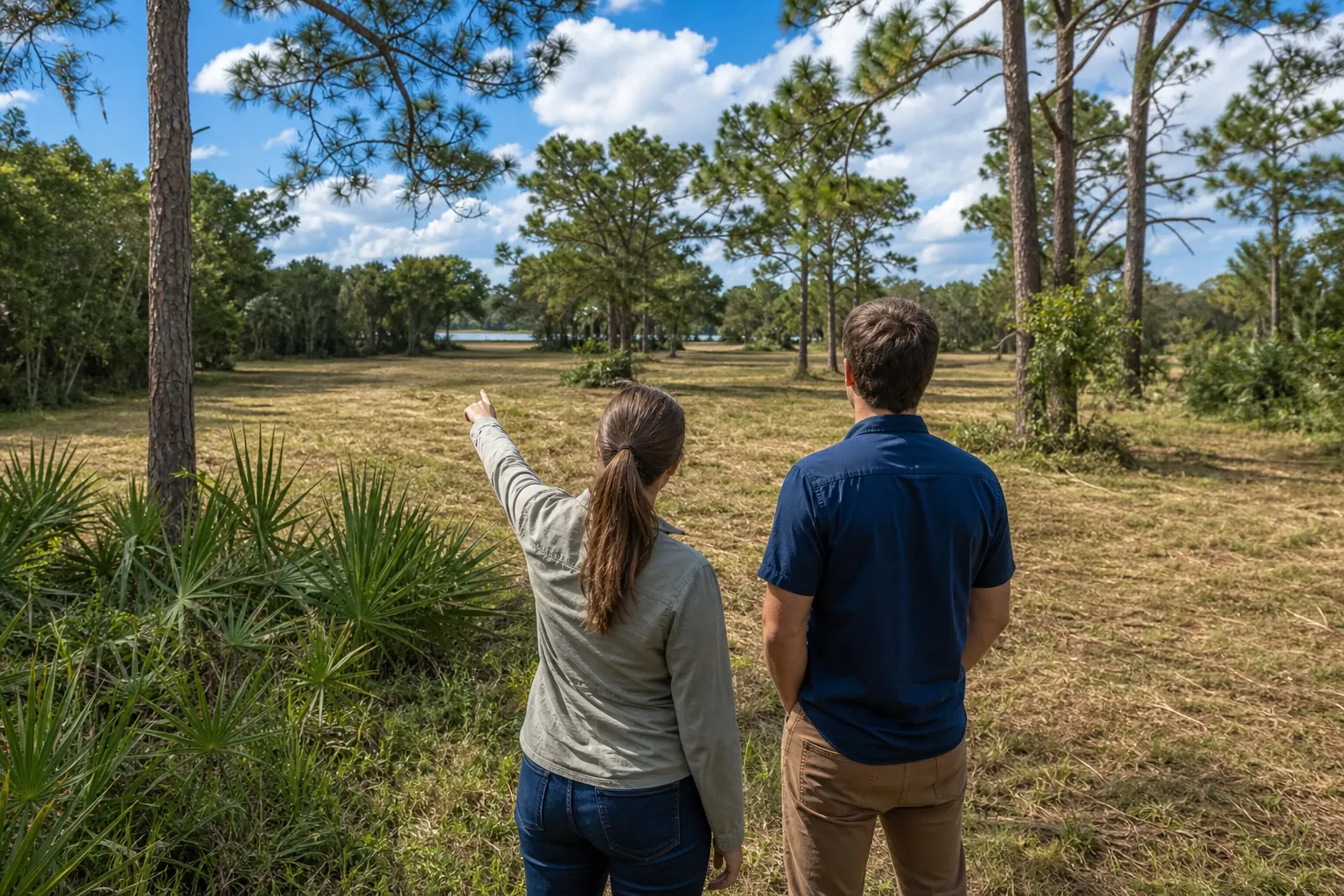
Start with portions of the property that affect first impressions and practical access. The goal is to make the parcel easier to view, not simply to cut vegetation everywhere. A tree service can evaluate where brush hogging is suitable and where hand work, tree trimming, or another service may be more appropriate.
Useful priority areas often include:
- Road frontage: Clear excessive growth that obscures the entrance, address area, or overall view into the property.
- Driveways and access lanes: Improve visibility and reduce vegetation that makes vehicle or foot access difficult.
- Open acreage: Cut tall grass, weeds, and light brush so buyers can better understand the usable space.
- Paths to notable features: Create reasonable access to mature trees, outbuildings, ponds, fences, or other relevant areas.
- Areas near structures: Reduce unmanaged growth that crowds a home, shed, or commercial building while avoiding damage to roots and utilities.
- Property viewing routes: Establish a practical walking route that helps visitors tour the parcel without pushing through dense vegetation.
Before work begins, identify any features that should remain protected. Mark irrigation components, utility boxes, shallow drainage features, decorative plantings, survey markers, and small trees that could disappear beneath tall growth.
Brush Hogging Is Different From Full Lot Clearing
Brush hogging and land and lot clearing serve different purposes. Brush hogging generally manages grasses, weeds, and lighter woody vegetation in areas that equipment can safely reach. It leaves cut organic material on the ground and does not remove every root, stump, or tree.
Land and lot clearing may involve more extensive vegetation removal when a site needs broader access or preparation. Sellers should choose the level of work based on their listing goals rather than assuming the most aggressive option is best.
If the property contains unwanted trees, leaning trees, storm damage, or large dead limbs, separate tree services may be necessary. Tree removal, crane tree removal, or emergency and hurricane tree removal should be evaluated independently from brush control. Remaining stumps may require stump grinding if they interfere with access or presentation.
Coordinate Brush Work With Tree Care
Dense undergrowth can conceal tree defects, root flare issues, damaged trunks, and fallen limbs. Once brush is reduced, it may be easier to assess the condition and structure of trees near buildings, driveways, gathering areas, or neighboring property.
An arborist report or tree inspection can help document observable concerns and support informed decisions about tree care. Depending on tree condition and seller objectives, recommendations may include tree trimming, canopy thinning, or crown reduction. These services have distinct purposes and should be selected based on tree structure rather than appearance alone.
Avoid cutting deeply around tree trunks or disturbing exposed roots simply to create a neater look. Soil compaction and equipment contact can harm trees that add value and visual appeal. Clearly marked protection zones help equipment operators recognize trees and landscape features that should remain undisturbed.
Plan Around Florida Conditions
Florida properties can include soft ground, sandy soils, drainage swales, wetlands, uneven terrain, and vegetation that grows quickly during warm, rainy periods. Site conditions influence when and where machinery can operate safely. Recent rainfall may leave low areas too saturated for equipment, while hidden debris can create hazards in overgrown sections.
Walk accessible parts of the property before scheduling work. Note steep slopes, standing water, ditches, fencing, abandoned materials, low branches, and areas with limited turning space. If vegetation is too dense to inspect safely, explain what is known and allow the service provider to evaluate access.
Vegetation removal may also be affected by environmental restrictions, protected areas, community requirements, or local rules. Before clearing, confirm applicable requirements with the appropriate Florida city or county and, when relevant, an HOA or condo association. Commercial sellers and managed communities may benefit from commercial tree services or HOA and condo tree services that account for shared access and site operations.
Time The Work For A Stronger Presentation
Schedule brush hogging early enough to allow follow-up work before photography, inspections, and buyer visits. After the vegetation is cut, sellers may discover debris, damaged fencing, stumps, or tree concerns that were previously hidden. Leaving time to address those items can prevent rushed decisions.
Consider how quickly the property typically regrows. A long delay between cutting and listing may reduce the visual benefit, especially during Florida's active growing season. Your real estate professional and tree service provider can help coordinate the sequence of exterior preparation, photography, and showings.
Prepare The Property Without Over-Clearing
Effective preparation makes a property easier to understand while preserving the features that make it appealing. Brush hogging can improve access and visibility, but it works best as part of a thoughtful plan that considers healthy trees, terrain, drainage, and the intended buyer experience.
Florida Foliage provides brush hogging, land and lot clearing, tree inspections, and related tree care for Florida properties. To discuss practical site preparation before listing, call (386) 481-7913.
Call (386) 481-7913 to talk through next steps.