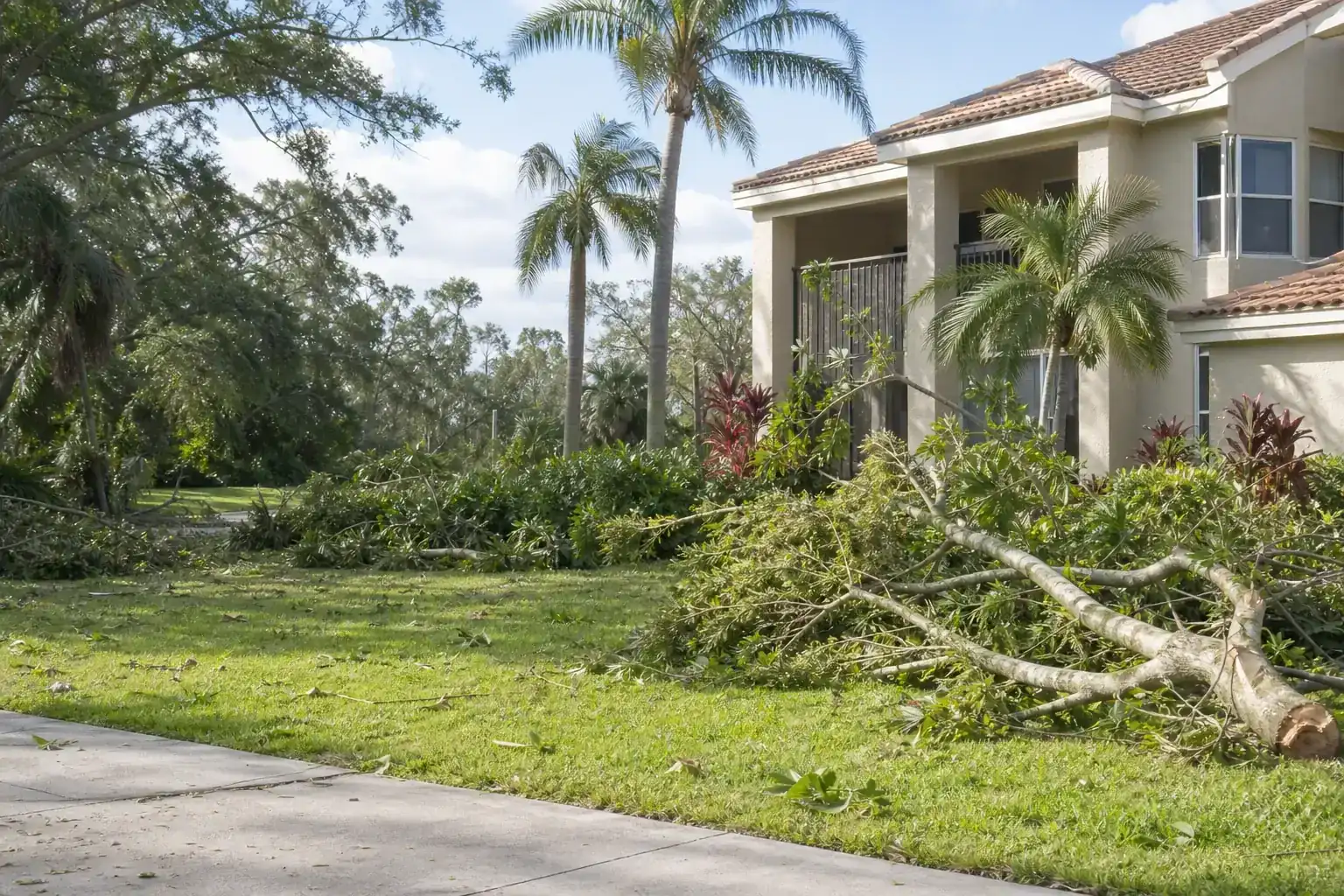
Hurricanes can leave a condominium property with split trunks, hanging limbs, uprooted trees, and blocked access routes. Managing those hazards requires more than scheduling a crew. Condo boards and property managers must consider resident safety, shared property, building access, documentation, and communication.
When searching for hurricane tree removal condo Palm Coast services, decision-makers should focus on an organized response. The immediate goal is to restrict access to dangerous areas and identify which conditions need urgent attention. The next steps involve documenting damage, coordinating professional tree work, and planning recovery without creating additional risk.
Start With Safety And Site Control
Do not allow residents, maintenance staff, or volunteers to approach unstable trees. A tree can remain standing while its roots, trunk, or major limbs have been severely compromised. Wind may also leave branches suspended in nearby canopies, where they are difficult to see from the ground.
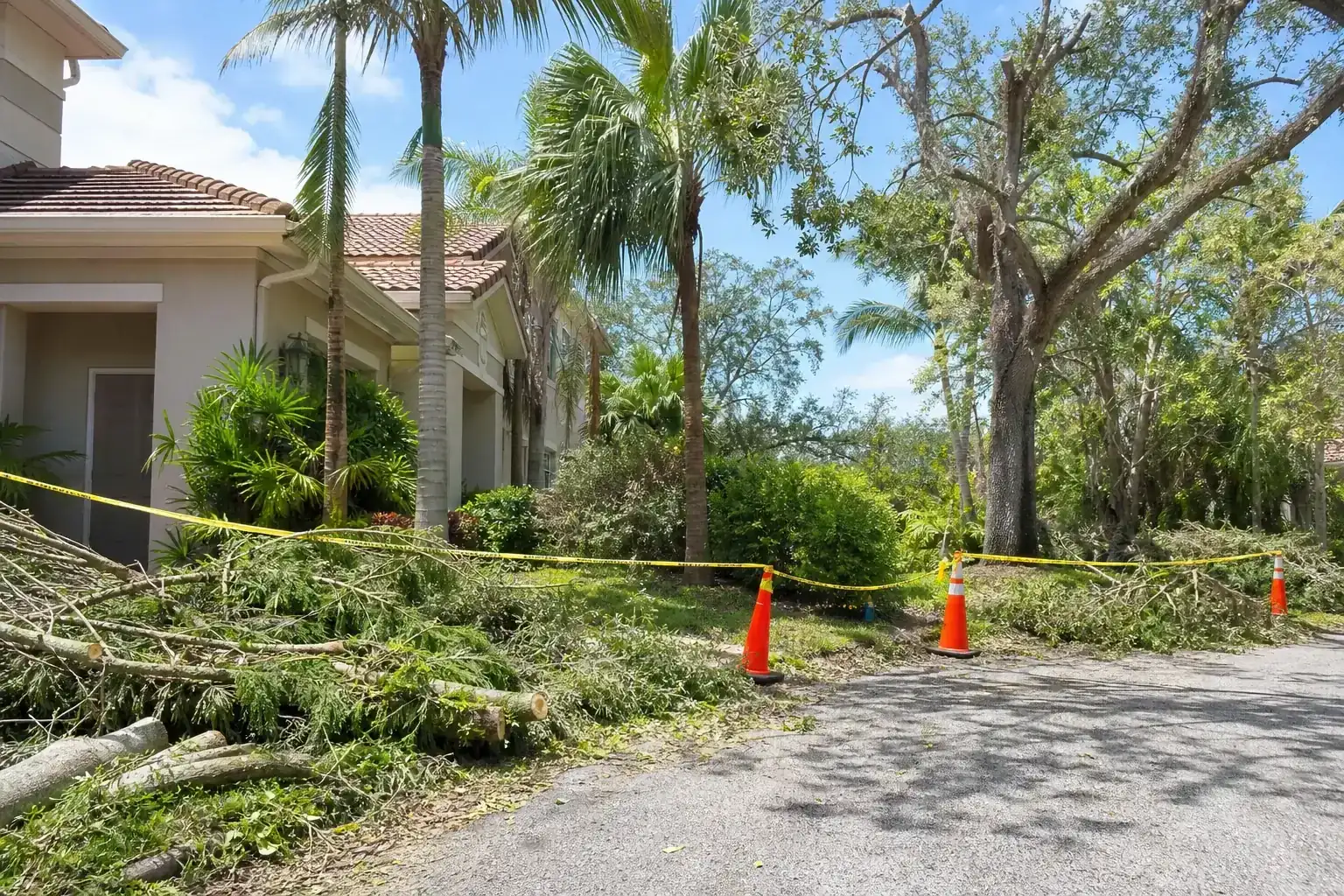
Create a safe perimeter around visible hazards and communicate closures clearly. Keep people away from leaning trees, cracked limbs, hanging branches, uprooted root plates, and trees resting on buildings or vehicles. If a tree is near utility equipment or lines, avoid the area and contact the appropriate utility provider.
Emergency and hurricane tree removal should be prioritized by exposure and consequence. A damaged tree near a building entrance, fire access route, parking area, or frequently used walkway may require attention before debris in a remote landscape section.
Document Damage Before Cleanup Begins
Thorough records can help condo leadership communicate with owners, management, contractors, and insurance representatives. When conditions allow safe documentation, photograph each affected area from a distance. Include wide images that show the tree's location and closer views that reveal visible damage.
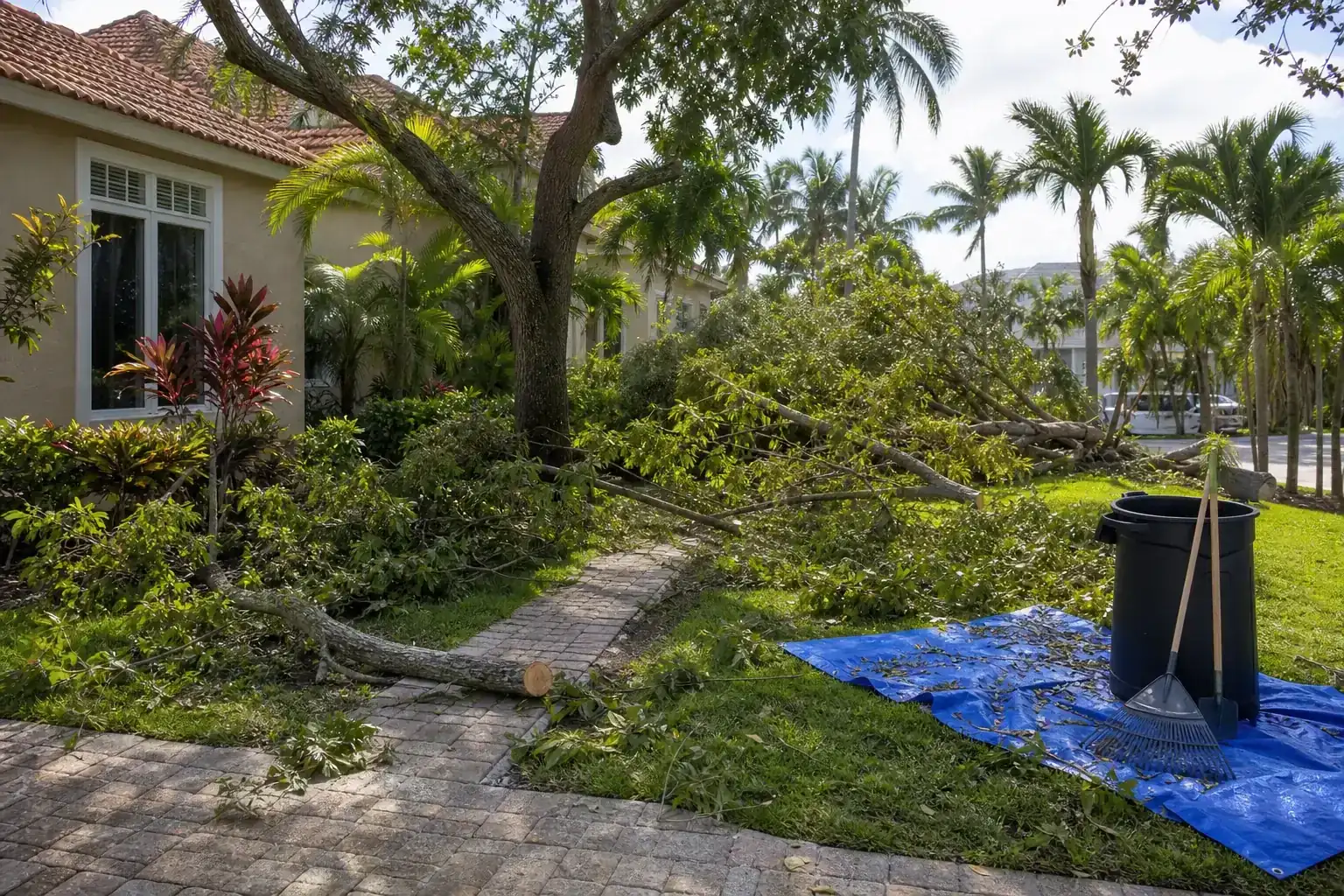
Label photographs with the building number, parking section, entrance, or another recognizable location. Keep written notes describing blocked access, structural contact, hanging limbs, and suspected root failure. Avoid moving debris solely to improve a photograph, especially when branches are under tension.
An arborist report or tree inspection may help distinguish between a tree that needs removal and one that could be managed through tree trimming, crown reduction, or canopy thinning. These evaluations can also support longer-term decisions about trees that survived the storm but show structural concerns.
Understand The Removal Process
Hurricane-damaged trees often require a different approach from routine tree removal. Broken wood can shift without warning, trunks may be loaded in unusual directions, and wet soil can reduce stability. Limited access around condo buildings, fences, parked vehicles, and landscaped courtyards adds complexity.
Crane tree removal may be appropriate when sections must be lifted away from roofs, tight spaces, or other obstacles. The specific method depends on tree condition, access, equipment placement, surrounding structures, and the available work zone. A professional site assessment helps determine a practical removal sequence.
Stump grinding can be considered after removal, but it does not always need to occur during the emergency phase. Boards may first focus on immediate hazards and essential access. Later, stump grinding can help prepare the area for landscaping or another approved use.
Local requirements may apply to tree work, debris handling, protected areas, or work near roads and utilities. Condo representatives should confirm current requirements with the City of Palm Coast, Flagler County, or the relevant authority before nonemergency work proceeds.
Use A Clear Condo Response Checklist
A written checklist helps board members and property managers coordinate tasks while residents are asking for updates. Assign responsibilities in advance when possible, and maintain one central record for photographs, inspection findings, contractor communication, and completed work.
- Restrict access: Use visible barriers around leaning trees, hanging limbs, root failures, and active work zones.
- Check critical routes: Identify obstructions affecting entrances, emergency access, sidewalks, parking lanes, and service areas.
- Create a location list: Record each damaged tree by building, courtyard, roadway, or landscape zone.
- Take safe photographs: Capture the surrounding area and visible damage without entering the fall zone.
- Request an inspection: Use arborist reports and tree inspections to support removal, trimming, or monitoring decisions.
- Prioritize work: Address immediate hazards and essential access before routine appearance concerns.
- Notify residents: Explain closures, equipment access, parking restrictions, and expected work areas.
- Protect the work zone: Keep residents, pets, vehicles, and personal belongings away from active operations.
- Review follow-up needs: Consider stump grinding, canopy thinning, crown reduction, or additional inspections after urgent work.
- Confirm local requirements: Contact the appropriate city or county office when permits or approvals may be relevant.
Coordinate Work Across Shared Property
Condo tree work affects more than the landscape. Equipment may need to enter through gates, occupy parking spaces, or temporarily limit access to a building. Property managers should identify gate widths, pavement limitations, irrigation components, drainage features, and designated staging areas before work begins.
Residents should receive concise notices explaining where crews will work and what areas must remain clear. Avoid promising an exact completion time before the full extent of damage is assessed. Weather, hidden defects, equipment access, and the order of priority can affect the workflow.
HOA and condo tree services are especially useful when a property has multiple buildings or numerous affected trees. Commercial tree services can also support coordinated work across parking areas, common grounds, and managed landscape zones. For heavily overgrown sections, land and lot clearing or brush hogging may be relevant, but these services should remain separate from urgent tree hazards unless access is required.
Plan For The Next Storm Season
Post-storm recovery is also an opportunity to improve routine tree care. Schedule tree inspections before hurricane season so declining trees, weak attachments, dead branches, and excessive canopy density can be reviewed. Not every concern calls for removal.
Tree trimming can address selected branches, while canopy thinning may reduce specific interior growth without stripping the canopy. Crown reduction can shorten selected limbs to manage size or leverage when appropriate. These practices should be based on tree structure and species rather than a one-size-fits-all schedule.
Boards should maintain an updated tree inventory or location map, keep vendor contact information accessible, and establish a resident communication process. Clear preparation helps leaders respond calmly when severe weather affects Palm Coast.
Arrange Professional Tree Care
Florida Foliage provides tree removal, emergency and hurricane tree removal, crane tree removal, tree trimming, stump grinding, arborist reports and tree inspections, and HOA and condo tree services. The appropriate service begins with the tree's condition, location, and level of exposure.
If your Palm Coast condo has storm-damaged trees or needs a professional inspection, call Florida Foliage at (386) 481-7913. A calm, documented assessment can help your board identify priorities and choose practical next steps.
Call (386) 481-7913 to talk through next steps.