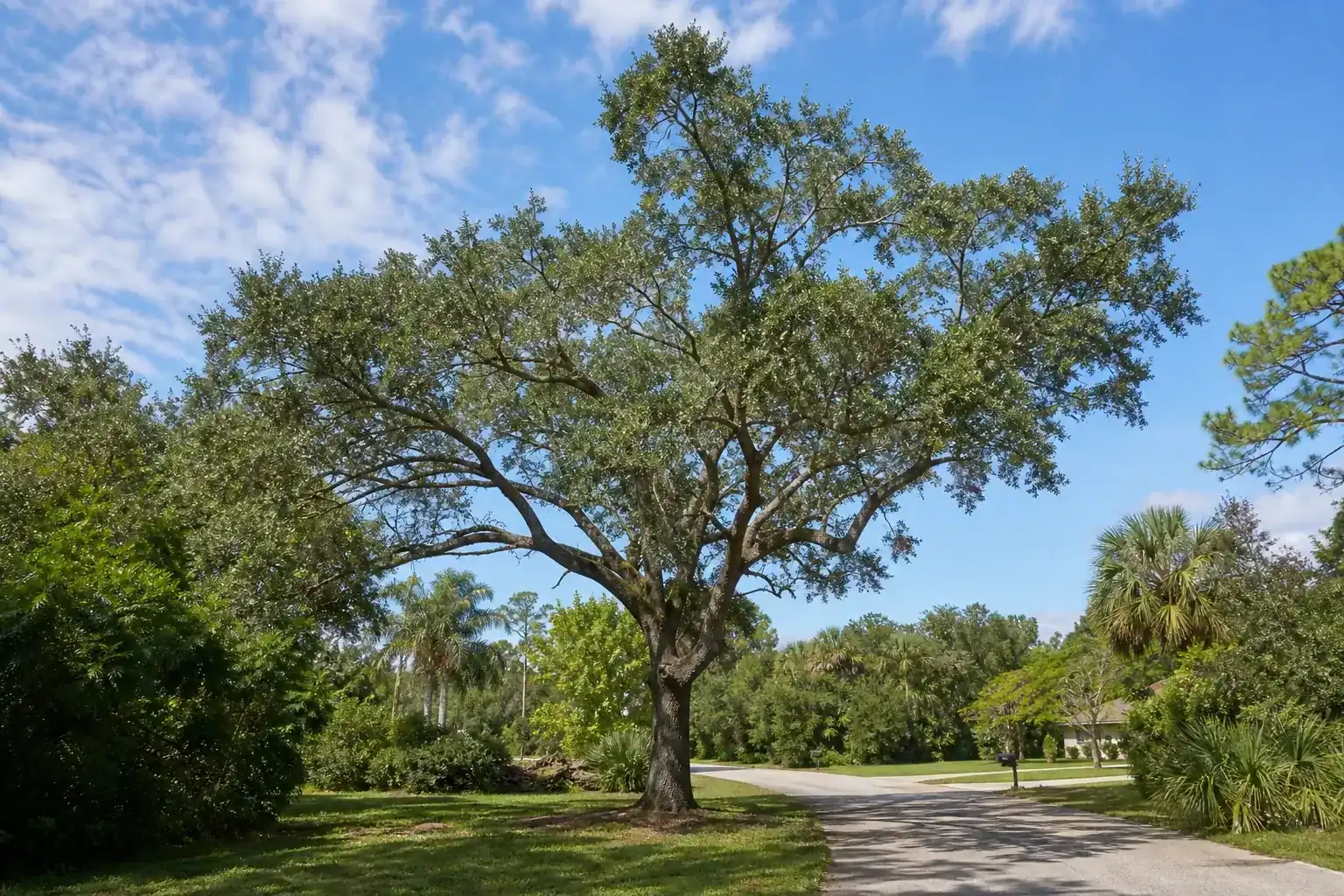
Reliable delivery access depends on more than pavement and signage. Trees along entrances, loading areas, private roads, and parking lot lanes can create avoidable obstacles when limbs hang too low or dense foliage limits visibility. Professional tree trimming for delivery routes helps Florida property managers maintain practical clearance while protecting tree health and appearance.
Florida Foliage provides tree service and arborist care for commercial properties, HOAs, condos, and other managed sites. A thoughtful plan focuses on actual vehicle movement, recurring trouble spots, and appropriate pruning rather than removing branches without a clear objective.
Why delivery routes need planned tree clearance
Delivery vehicles vary in height, width, and turning radius. A route that works well for passenger cars may be difficult for box trucks, service vehicles, or trailers. Low branches can scrape roofs and sides, while limbs extending into turning areas may force drivers out of their intended lane.
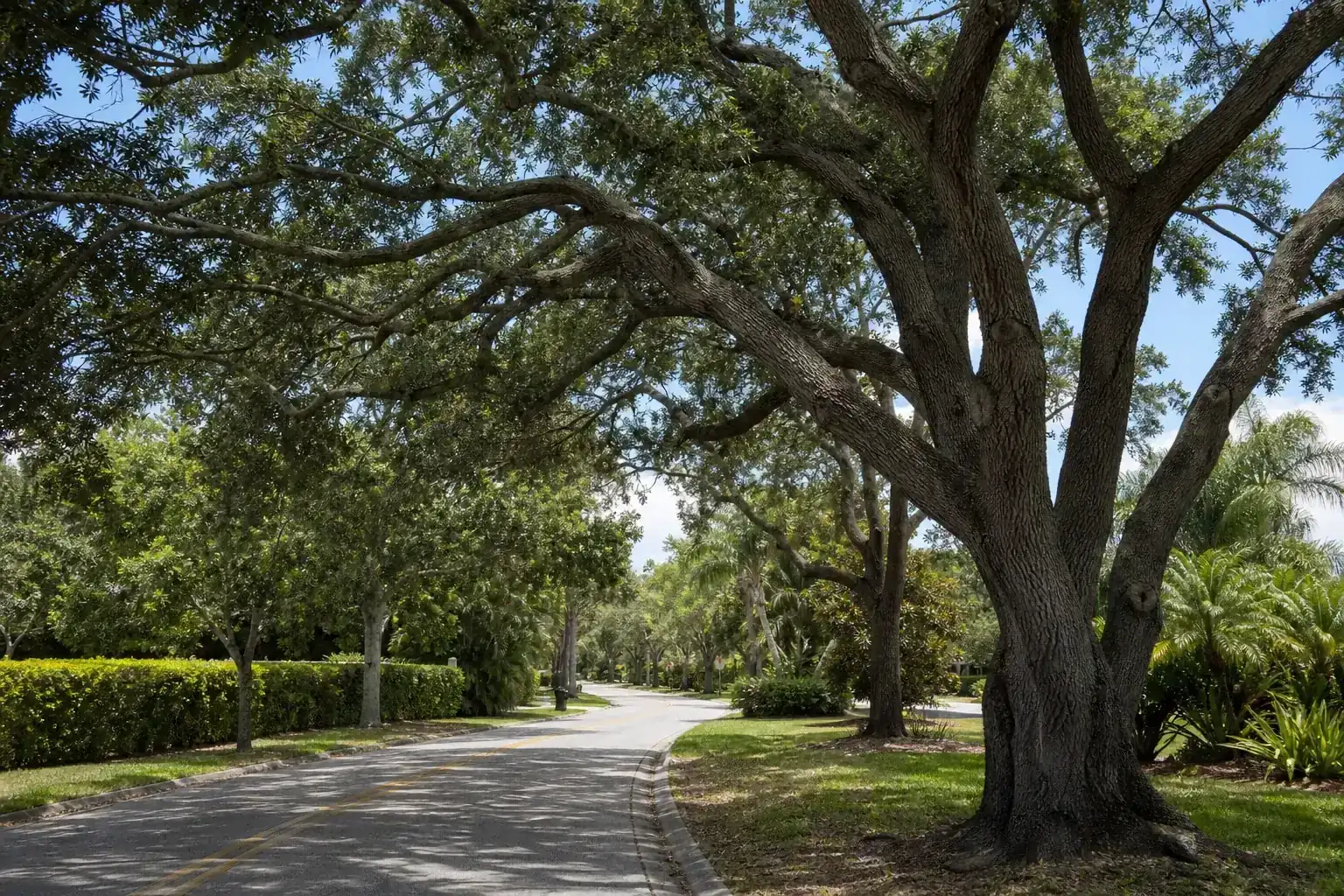
Vegetation can also conceal directional signs, building numbers, pedestrians, parked vehicles, and traffic approaching an intersection. At loading areas, branches may interfere with doors, ramps, lifts, or the space workers need to move goods safely.
Routine trimming can address these conditions before drivers begin taking improvised routes over curbs, landscaped islands, or narrow pedestrian areas. It also gives property managers an opportunity to identify weak, dead, cracked, or poorly attached limbs near frequently used access points.
What to evaluate before trimming begins
An effective plan starts with observing how the site functions. Walk the full route from the public entrance to each loading, service, or turnaround area. Note where vehicles slow down, reverse, make tight turns, or pass beneath tree canopies.
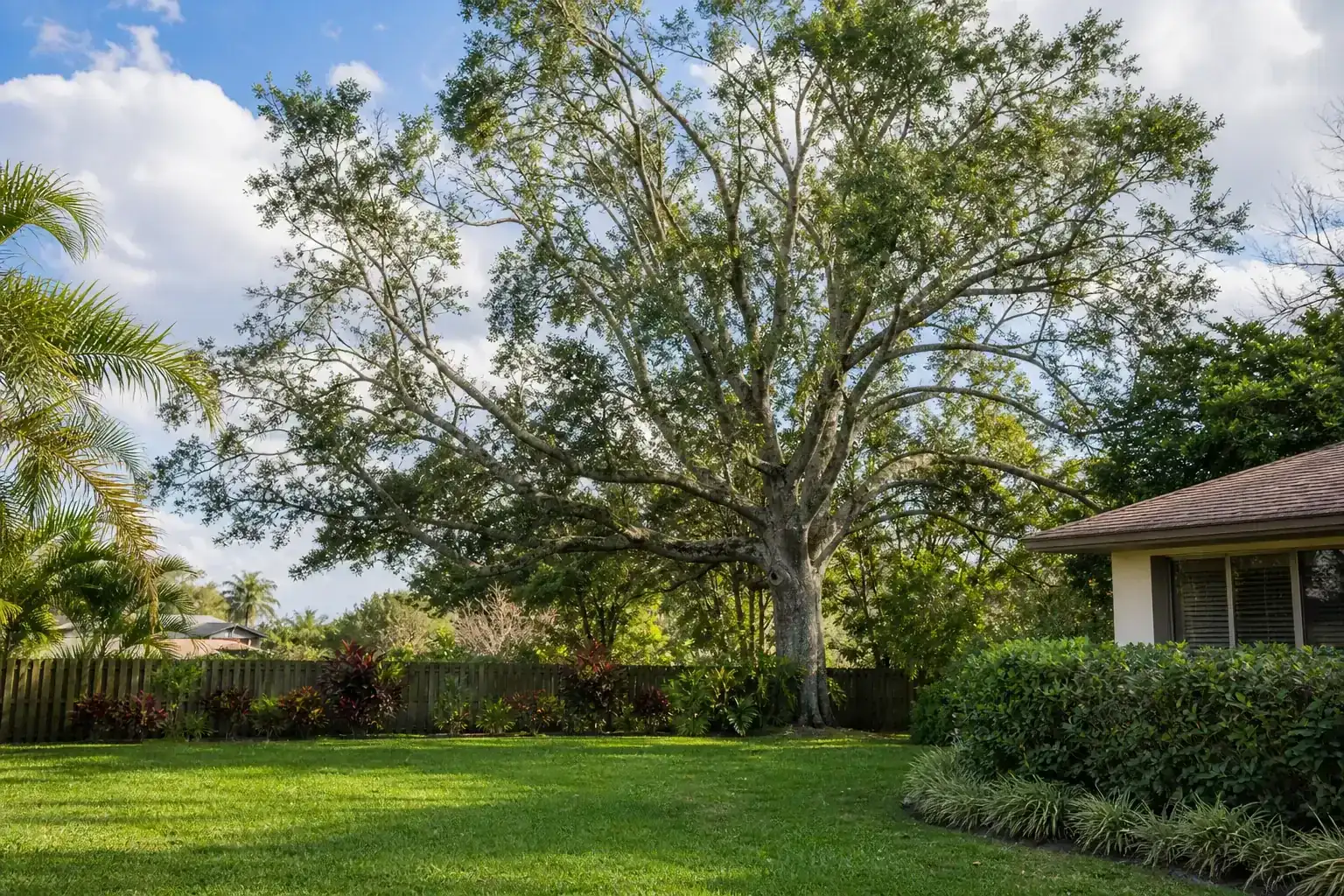
Reviewing the route while typical delivery vehicles are present can reveal conflicts that are difficult to see when the property is quiet. Pay attention to both current obstruction and likely regrowth. Cutting only the branch tips may provide temporary space without correcting the structure causing the conflict.
A practical route assessment should consider:
- Vertical clearance: Identify branches over entrances, internal roads, loading zones, dumpster access, parking aisles, and turnaround areas.
- Side clearance: Look for limbs extending into travel lanes or reducing space near corners and gates.
- Visibility: Check whether foliage blocks stop signs, directional signs, addresses, lighting, crosswalks, or approaching traffic.
- Tree condition: Note deadwood, cracks, hanging limbs, trunk damage, root disturbance, and unusual leaning.
- Vehicle movement: Account for wide turns, backing patterns, raised ramps, open cargo doors, and driver sightlines.
- Pedestrian use: Preserve clear separation between delivery activity, sidewalks, entrances, and gathering areas.
- Nearby infrastructure: Consider roofs, fences, drainage features, signs, and overhead utilities when planning work.
- Future growth: Select pruning cuts that support durable clearance without stripping or unbalancing the canopy.
Choosing the right trimming method
Not every obstruction requires the same response. Tree trimming may selectively remove low, dead, damaged, or poorly positioned limbs. Proper cuts should respect branch structure and avoid unnecessary wounds. Excessive removal can stress a tree, trigger weak regrowth, or leave the canopy uneven.
Canopy thinning may be appropriate when selective interior growth is overly dense and the objective is to improve canopy structure or allow more light and air movement. Thinning is not the same as removing large portions of foliage throughout the tree.
Crown reduction can reduce the height or spread of selected portions of a canopy when suitable lateral branches are available. It is a specialized alternative to indiscriminate topping. The suitability of reduction depends on tree species, condition, structure, and the location of the conflict.
When a tree has severe defects, is dead, or cannot be reasonably managed in its location, tree removal may need consideration. Crane tree removal can be useful where restricted access, nearby structures, or limited drop zones require controlled handling. Stump grinding can then help reclaim usable ground after removal.
Florida storms and route readiness
Florida weather makes regular inspection especially important. Heavy rain, wind, and saturated soil can expose structural weaknesses or cause branches to shift. Trimming should not be treated as a promise of storm protection, but appropriate maintenance can address visible defects and known access conflicts.
Before hurricane season, review primary and alternate delivery routes, emergency access points, and areas beneath mature trees. Arborist reports and tree inspections can help document tree condition and provide informed recommendations for complex sites. After severe weather, keep people and vehicles away from hanging limbs, uprooted trees, and unstable trunks.
Emergency and hurricane tree removal may be needed when failed trees block access or create immediate hazards. Property managers should also avoid approaching branches entangled with utility lines and should contact the appropriate utility provider for electrical hazards.
Coordinating work with daily operations
Commercial tree services should be scheduled around the way the property operates. Managers can notify tenants, vendors, residents, and delivery contacts about temporary access changes. Establishing a work zone helps keep vehicles and pedestrians away from falling debris and equipment.
For larger properties, dividing the project into zones can preserve access to at least one loading area or entrance. HOA and condo tree services may require additional coordination around resident parking, waste pickup, gates, and shared drives. Land and lot clearing or brush hogging may support access on undeveloped or overgrown sections, but these services serve different purposes from pruning established route trees.
Local requirements can vary based on location, tree type, property status, and scope of work. Before trimming or removal, confirm applicable rules with the relevant Florida city or county. Property managers should also review site documents and approval procedures when associations or multiple owners are involved.
Build a practical maintenance schedule
Delivery routes should be reviewed periodically and after major weather events. The right interval depends on species, growth rate, site conditions, previous pruning, and traffic needs. Keep simple records showing inspection dates, identified concerns, completed work, and areas that need monitoring.
Ask drivers, maintenance teams, and tenants to report recurring branch contact or blocked sightlines. Their observations can help identify problems between formal inspections. Avoid waiting until a truck strikes a limb or a route becomes impassable.
Florida Foliage can assess delivery access and recommend tree trimming, canopy thinning, crown reduction, tree removal, or other listed services based on site conditions. For calm, practical guidance on tree trimming for delivery routes in Florida, call (386) 481-7913.
Call (386) 481-7913 to talk through next steps.