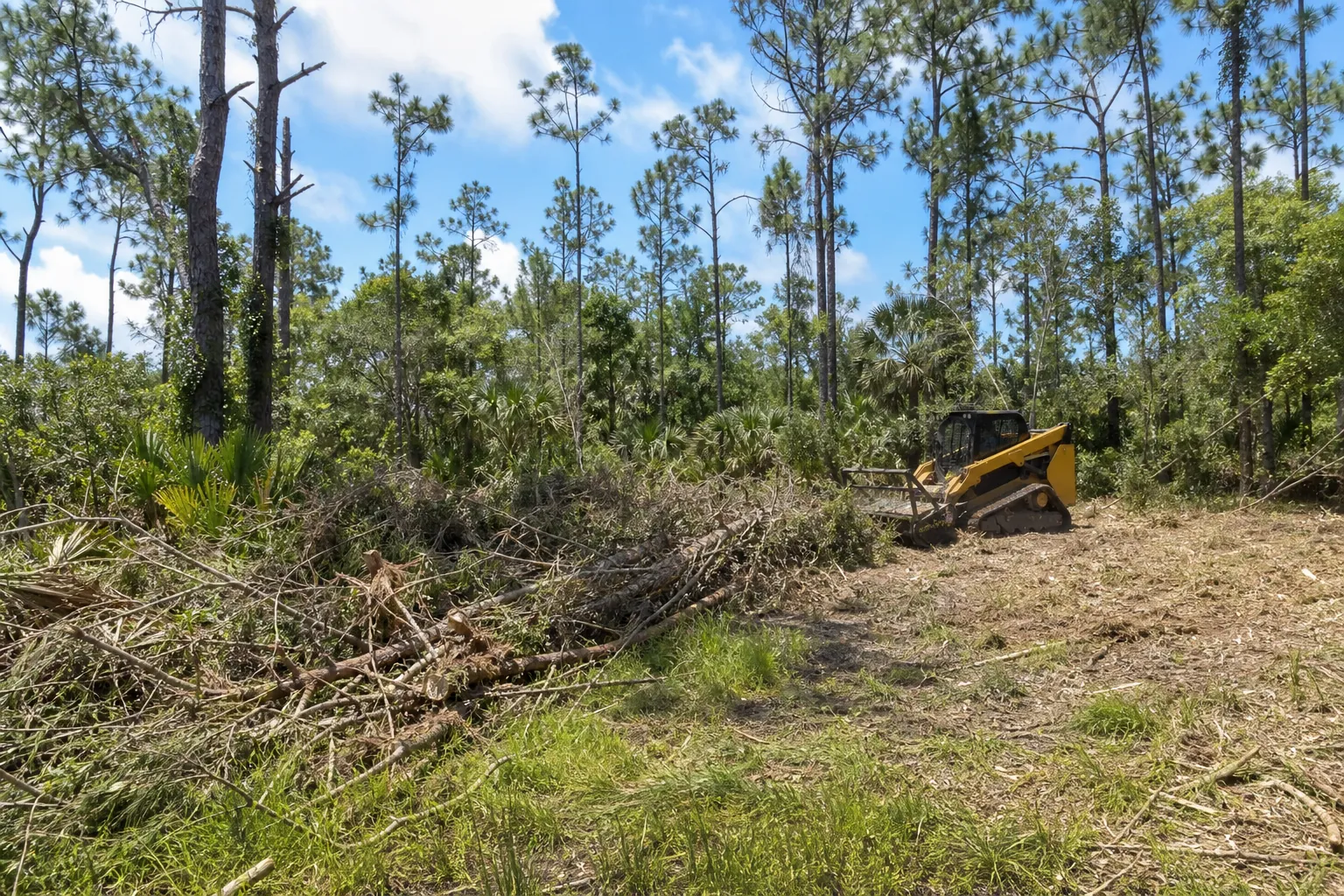
An overgrown vacant lot can hide much more than tall grass. Dense brush may conceal stumps, fallen limbs, unstable trees, uneven ground, and limited equipment access. Before clearing begins, a thoughtful site review can help define the work and reduce avoidable disruption.
For property owners researching vacant lot clearing Palm Coast services, the first step is understanding what the land needs. Some parcels only require brush hogging and light vegetation management. Others call for tree removal, stump grinding, canopy work, or careful removal near neighboring structures. Florida Foliage helps owners evaluate these conditions and plan a practical approach.
Start With The Intended Use Of The Property
The best clearing plan depends on what will happen after the vegetation is managed. A lot being prepared for future construction may need different access and stump work than a parcel cleared for easier maintenance. Commercial properties, HOA common areas, and undeveloped residential lots can also have different priorities.
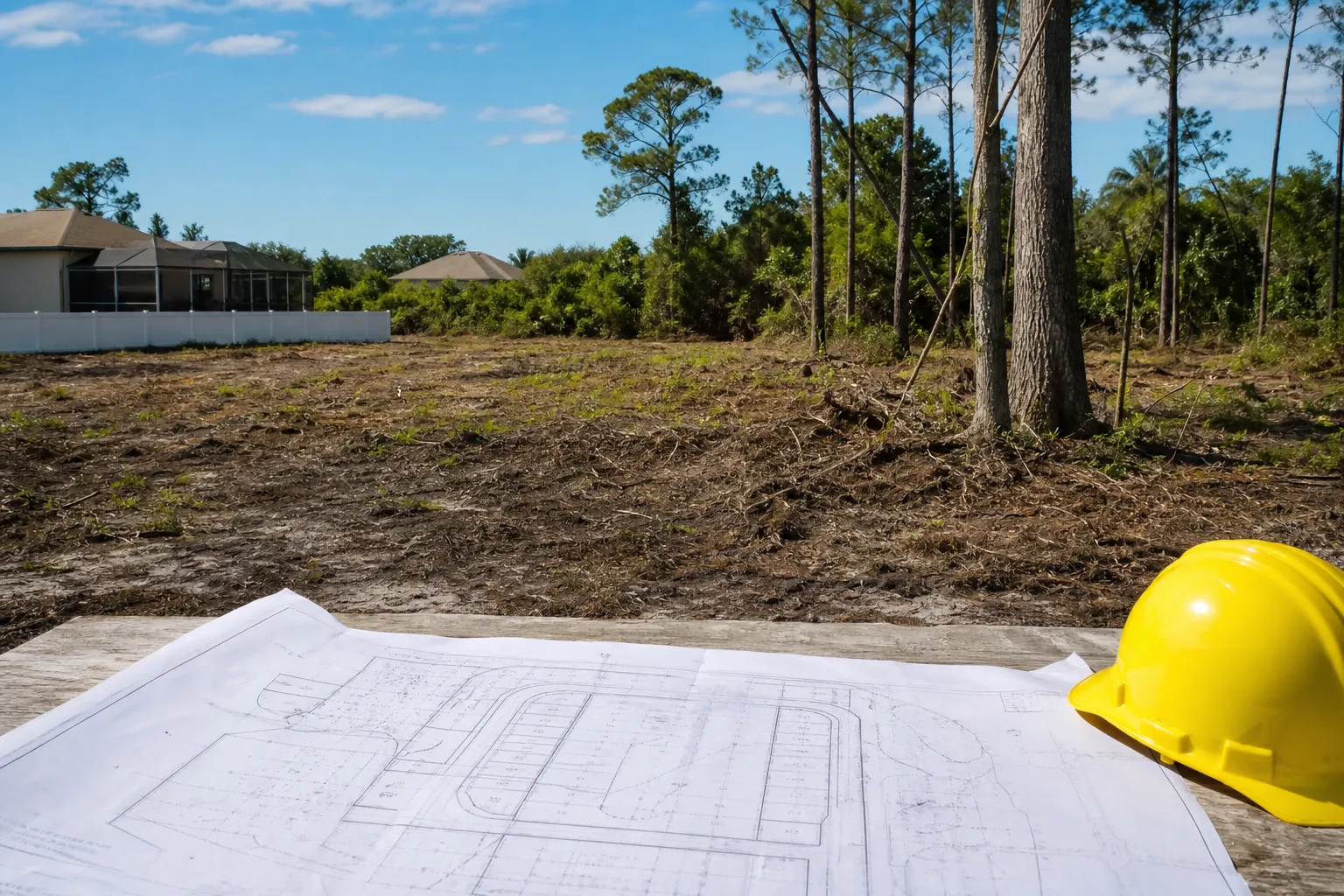
Before contacting a tree service, write down your immediate and long-term goals. Decide whether you want broad access across the parcel, a defined path, improved visibility, or removal of specific trees and brush. If construction or grading is planned, coordinate the vegetation work with the appropriate contractor so that areas are not cleared unnecessarily.
Property boundaries should also be identified before work starts. Existing survey markers, site plans, or a current survey can help prevent confusion about neighboring vegetation. Do not assume that a fence, mowing line, or row of trees follows the legal boundary.
Understand What Lot Clearing Can Include
Land and lot clearing is not a single, uniform service. The appropriate equipment and work sequence depend on vegetation density, tree size, terrain, access, and nearby features. A professional site review can separate routine brush management from tree work that requires more controlled techniques.
Common services that may be part of a clearing project include:
- Brush hogging: Manages tall grass, weeds, and lighter woody growth in areas that suitable equipment can safely reach.
- Tree removal: Removes selected trees that conflict with the planned use of the property or present significant concerns.
- Crane tree removal: May be considered when large tree sections require controlled handling because of their size, position, or surroundings.
- Stump grinding: Reduces selected stumps that would otherwise interfere with access, maintenance, or later site activity.
- Tree trimming: Addresses specific limbs while retaining trees that fit the property plan.
- Canopy thinning: Selectively reduces branch density without removing the entire tree.
- Crown reduction: Reduces the height or spread of a tree through targeted pruning rather than indiscriminate cutting.
- Arborist reports and tree inspections: Provide professional observations when tree condition, preservation, or documentation needs closer attention.
Not every lot requires every service. In many cases, preserving appropriate trees can provide shade, visual character, and a useful buffer. Clearing should be based on the site plan rather than a default assumption that all vegetation must go.
Evaluate Access And Hidden Site Conditions
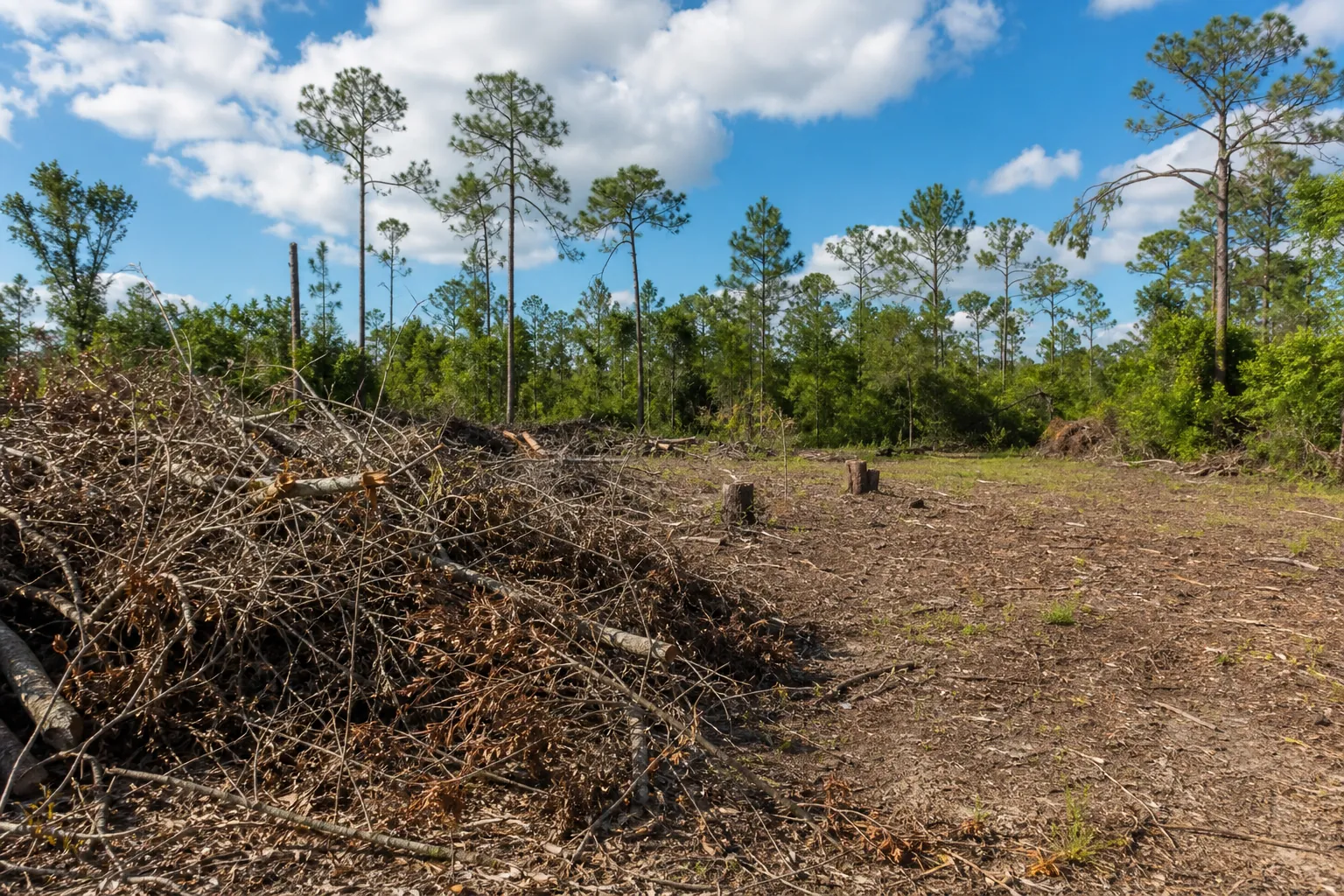
Equipment access affects how a project can be completed. Narrow entrances, soft ground, drainage areas, overhead obstacles, neighboring buildings, and buried utilities can influence the clearing method. A site that appears open from the road may become difficult to navigate farther inside.
Walk the property only where it is safe to do so. Note leaning trees, hanging limbs, old debris, wire fencing, deep ruts, and areas that remain wet. Avoid entering dense vegetation when you cannot see the ground. Snakes, insects, unstable branches, and concealed holes are practical Florida hazards that deserve caution.
Utility locations should be addressed through the proper channels before digging, grinding, or other ground-disturbing work. Property owners should also tell the contractor about wells, septic components, irrigation, drainage structures, and any private lines they know about. Marking features early helps the crew plan movement and avoid using sensitive areas as access routes.
Review Trees Before Deciding What To Remove
A heavily wooded lot should not be evaluated only from the ground cover. Mature trees can have structural defects, storm damage, restricted root areas, or competing branches that are difficult for an untrained observer to assess. Other trees may be suitable to retain with thoughtful trimming or canopy management.
Tree inspections and arborist reports can be useful when owners need help distinguishing removal candidates from trees worth preserving. This review is particularly relevant near roads, homes, commercial buildings, HOA property, and condo common areas where tree work may affect multiple people or assets.
Selective tree removal can then be coordinated with stump grinding and brush hogging. If large limbs or trunks cannot be lowered conventionally, crane tree removal may offer a more controlled option. The final method should reflect the tree, site, and available working space.
Plan For Florida Storm Conditions
Palm Coast properties can experience high winds, saturated soil, and hurricane impacts. Vacant lots may contain storm-damaged trees that have gone unnoticed because no one regularly occupies the property. Broken tops, suspended limbs, uprooted trees, and newly leaning trunks should be treated cautiously.
Emergency and hurricane tree removal focuses on urgent tree conditions after severe weather. Property owners should keep people away from damaged trees and avoid touching any tree that may be near a utility line. Emergency work is different from routine clearing, so communicate visible hazards when requesting service.
Regular inspections can also identify concerns before storm season. Tree trimming, canopy thinning, or crown reduction may be appropriate in specific situations, but pruning should be based on tree structure and sound arborist practices. Excessive or poorly placed cuts can create additional stress instead of improving the tree.
Confirm Local Requirements Before Work Begins
Vegetation clearing and tree removal may be subject to city, county, environmental, development, or community requirements. The applicable rules can depend on the parcel, tree, project scope, and location. Property owners should confirm current requirements directly with the City of Palm Coast, Flagler County, and any relevant HOA or condo association before authorizing work.
Ask what documentation or approvals may apply, especially if the property contains protected areas, drainage features, or trees that could receive special consideration. Do not rely solely on past projects or assumptions about neighboring lots, because requirements and site conditions can differ.
Prepare For A Clear Site Visit
A productive site visit begins with accurate information. Share the property address, access instructions, known boundaries, intended use, and any site plans. Identify trees or areas that must remain untouched. If several decision-makers are involved, such as a commercial owner or HOA board, establish who can approve the final scope.
Florida Foliage provides land and lot clearing, brush hogging, tree removal, stump grinding, tree care, and commercial, HOA, and condo tree services. For help evaluating a Palm Coast vacant lot, call (386) 481-7913. A calm, site-specific conversation can clarify the vegetation, access, and tree services that fit your property goals.
Call (386) 481-7913 to talk through next steps.