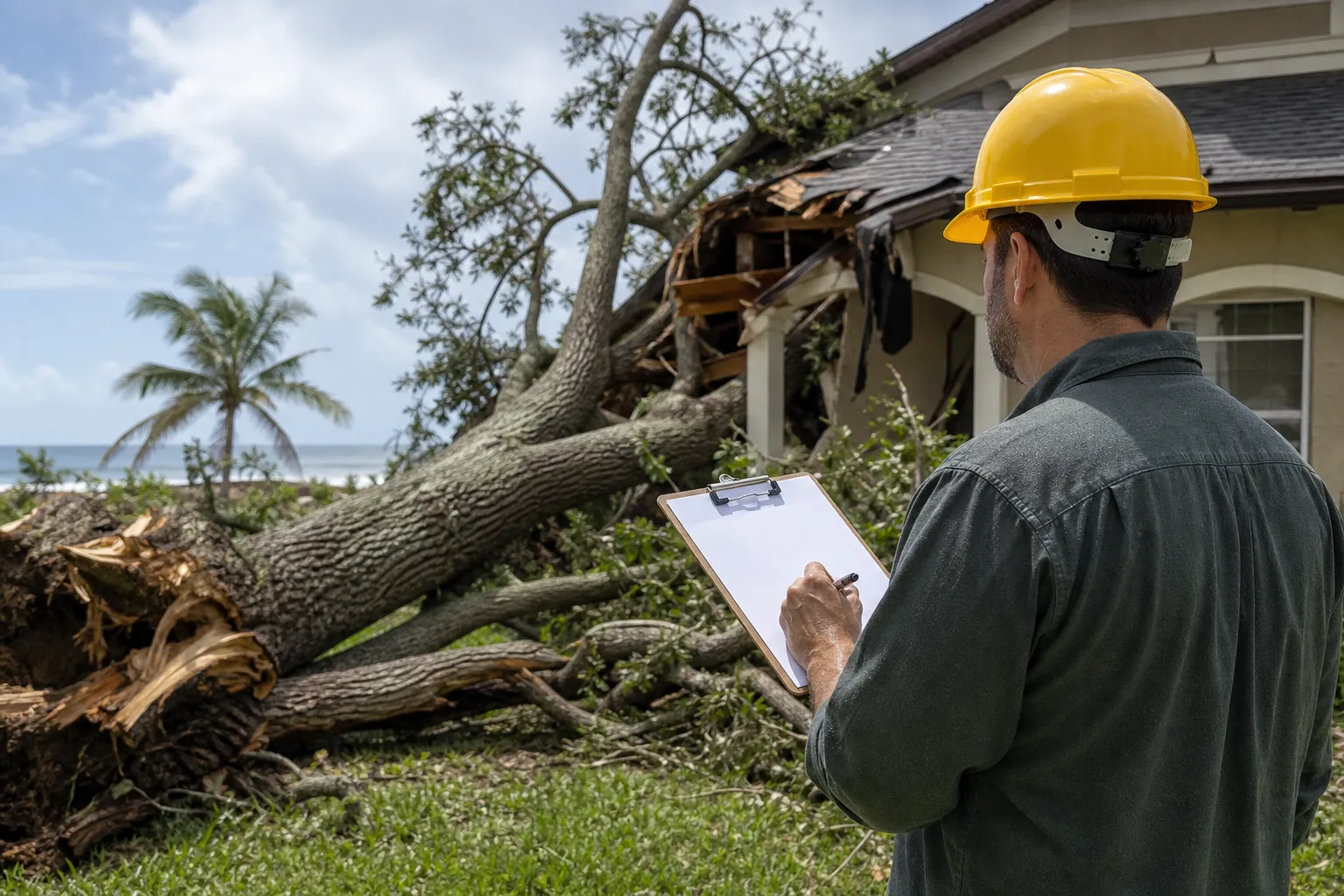
When a tree damages a roof, fence, vehicle, or another part of a property, an insurance company may request an arborist report. This document provides organized, property-specific observations about the tree, its condition, and the visible damage or failure. Knowing what the report typically covers can help Daytona Beach property owners gather information, communicate clearly, and avoid delays caused by missing documentation.
Property, Tree, and Inspection Details
An arborist report generally begins by identifying the property and the subject of the inspection. Basic details help an insurer connect the report to the correct claim and understand what was evaluated. Depending on the assignment, the report may identify the inspection date, the area of the property, and the tree or trees involved. It may also describe where each tree stands in relation to nearby structures, driveways, property features, or apparent damage.
Tree identification can include the species when it can be determined, an approximate size, and visible characteristics. If several trees are involved, clear labels or reference numbers help keep observations organized. The report should also explain the scope of the inspection so readers understand its limits. For example, an inspection performed after a tree has fallen may provide different evidence than an inspection conducted while the tree remains standing. Property owners should provide the correct address, claim information, and relevant insurer requests before the inspection whenever possible.
Visible Tree Condition and Defects
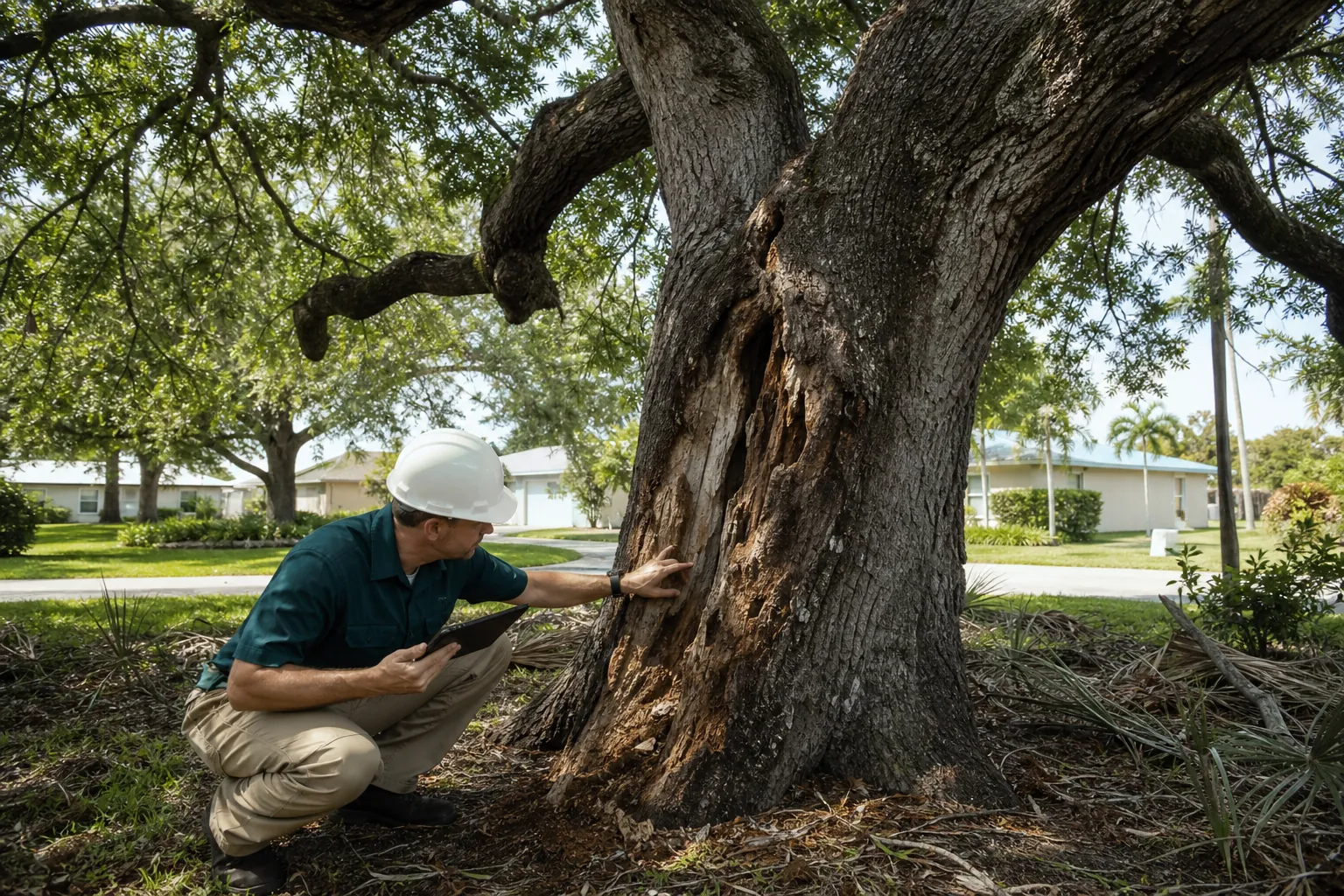
A central part of the report is a description of the tree's observable condition. The arborist may document the trunk, major limbs, canopy, root area, and surrounding site conditions that are accessible during the inspection. Observations may address cracks, cavities, decay indicators, broken branches, leaning, exposed roots, damaged bark, deadwood, or other visible concerns. The report should distinguish what was directly observed from information supplied by the property owner or another party.
Context matters. A tree may have been altered by wind, impact, cleanup, previous trimming, construction activity, or removal before the inspection. Those changes can affect what evidence remains available. The arborist may note limitations such as inaccessible areas, debris covering part of the tree, or a stump that has already been ground. These details help the insurer interpret the findings appropriately. Avoid moving or disposing of important tree sections until you have confirmed what the insurance company needs, unless immediate action is necessary to address a safety concern.
Damage, Failure Pattern, and Relevant Evidence
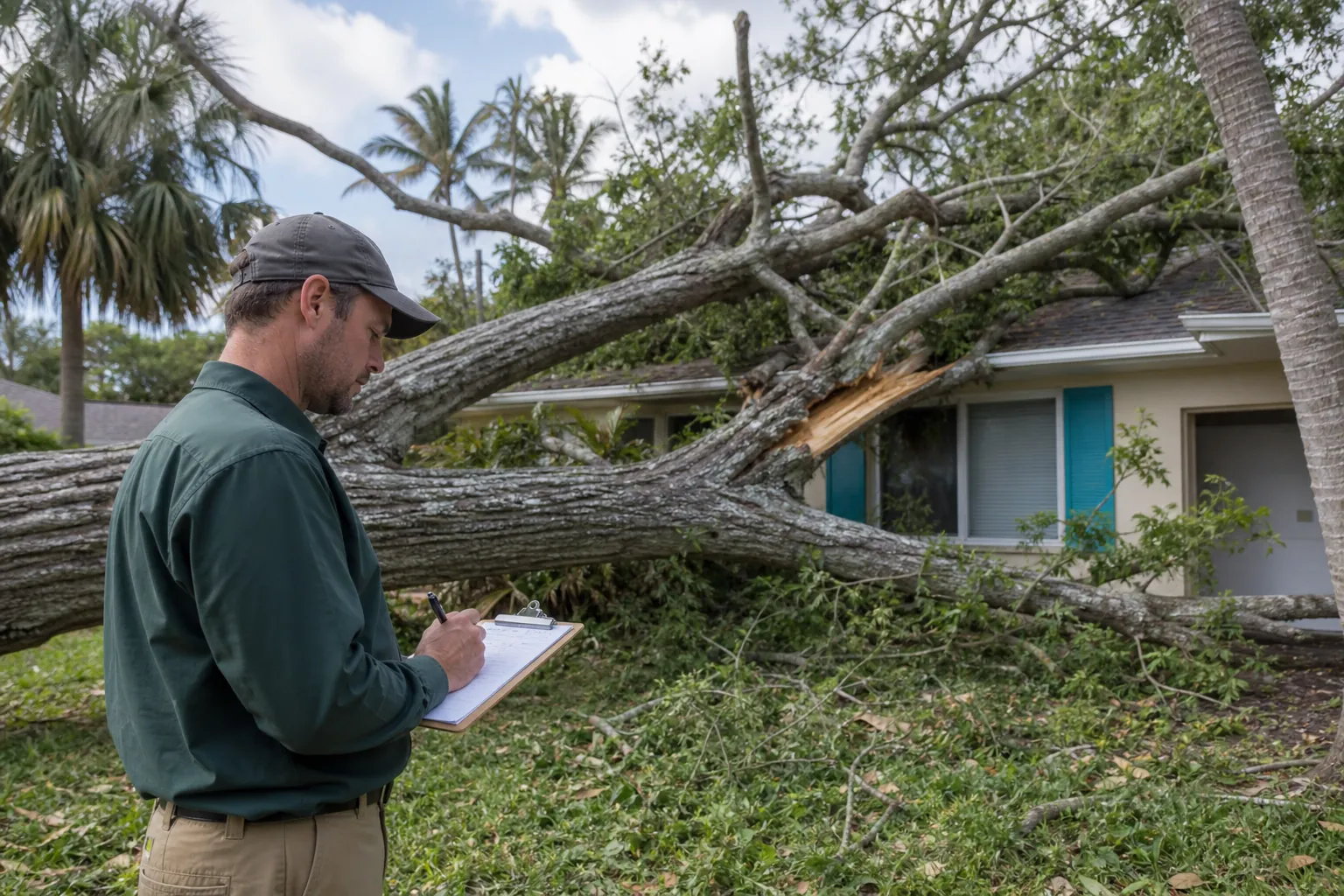
For an insurance claim, the report may describe how the tree or branch failed and what visible evidence remains. This can include the apparent break location, direction of fall, uprooting, trunk separation, or limb failure. It may also record observed contact between the tree and damaged property. An arborist report is not a substitute for an insurer's coverage decision, a structural assessment, or repair documentation. Its role is to present tree-related observations in a clear, usable format.
Helpful evidence may include:
- Photographs showing the full tree, failure point, root area, and surrounding property
- Close views of cracks, decay indicators, broken wood, or other visible conditions
- Images taken before cleanup, if they are available
- A simple location description connecting the tree to the affected structure or feature
- Notes about when damage was discovered and what work occurred afterward
- Relevant written requests from the insurer or claims representative
Keep original photographs and claim correspondence together so they can be reviewed when the report is prepared.
Professional Findings, Limitations, and Recommendations
After documenting conditions, the report may summarize the arborist's findings. The wording should be specific and tied to observed evidence rather than assumptions. When appropriate, the report may discuss whether visible tree conditions appear consistent with the observed failure. It may also explain when the available evidence is insufficient to reach a firm conclusion. A careful statement of limitations is useful because trees, sites, and storm damage can change quickly after an event.
Recommendations may address practical next steps, such as further inspection, tree trimming, tree removal, stump grinding, canopy thinning, crown reduction, or monitoring, depending on the observed circumstances. Emergency or hurricane tree removal and crane tree removal may be relevant when access, tree position, or damage creates a complex cleanup situation. Recommendations do not determine whether an insurance policy covers the work. Before authorizing work, ask the insurer whether it requires estimates, additional photographs, retained tree material, or approval. If a city or county requirement may apply, confirm current rules directly with the appropriate local office.
How to Prepare for the Arborist Inspection
Good preparation helps the inspection focus on the questions that matter to the claim. Start by asking the insurance representative whether a report is required and whether the company has a preferred format or specific questions. Share those instructions before the appointment. Gather photographs from before and after the event, prior tree documents, cleanup records, and relevant messages. Do not alter photographs or discard original files.
Make the site accessible when it is safe to do so, but do not climb, cut, or move unstable tree material. Tell the arborist if branches have been removed, the tree has shifted, or contractors have already performed work. If removal could involve local review, confirm requirements with the applicable city or county. Property owners comparing nearby processes may also find this guide to protected tree removal permit requirements in DeLand useful as a general example, while recognizing that requirements can differ by jurisdiction. Finally, review the completed report for correct property details and submit it using the insurer's requested method.
Discuss an Arborist Report
If you need an arborist report or tree inspection for a Daytona Beach insurance claim, call Florida Foliage at (386) 481-7913. Have your property address, claim request, and available photographs ready for a focused conversation.
Call (386) 481-7913 to talk through next steps.