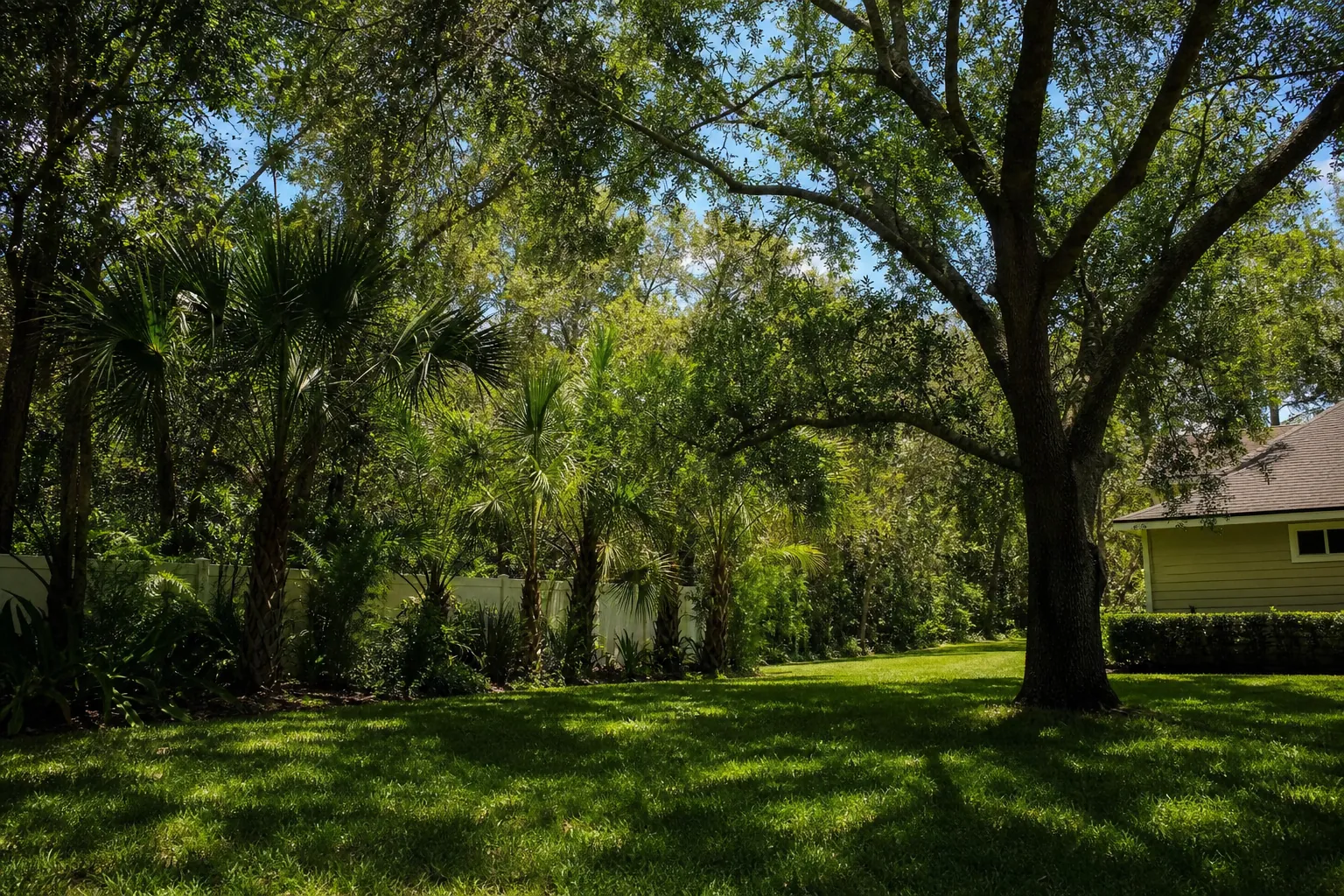
A lawn beneath mature trees may receive too little direct light for dense, even growth. Canopy thinning can sometimes help by selectively removing branches to let more light and air pass through the crown. It is not the right answer for every shaded area, however. The outcome depends on the tree, the source of the shade, surrounding structures, and the lawn’s growing conditions. Before requesting work, identify what is actually blocking sunlight and decide how much change is appropriate for the tree and property.
Start By Identifying The Real Source Of Shade
Observe the lawn at several times of day before deciding that canopy thinning is needed. Note when direct sunlight reaches the grass, where shadows move, and whether shade comes from one tree, multiple trees, a building, or a fence. A dense crown may be only part of the issue. Low branches, overlapping trees, and the direction of the sun can also determine how much light reaches the ground.
Look beyond sunlight as well. Thin turf can result from compacted soil, exposed roots, drainage problems, heavy foot traffic, or competition for water. Canopy work will not correct those conditions. Mark the weakest areas and compare them with the tree’s drip line, visible roots, and patterns of standing water or dry soil.
This basic assessment creates a clearer goal. Instead of asking to remove as many branches as possible, a property owner can ask whether selective trimming could improve light over a specific section while preserving a balanced crown.
Understand What Canopy Thinning Is Designed To Do
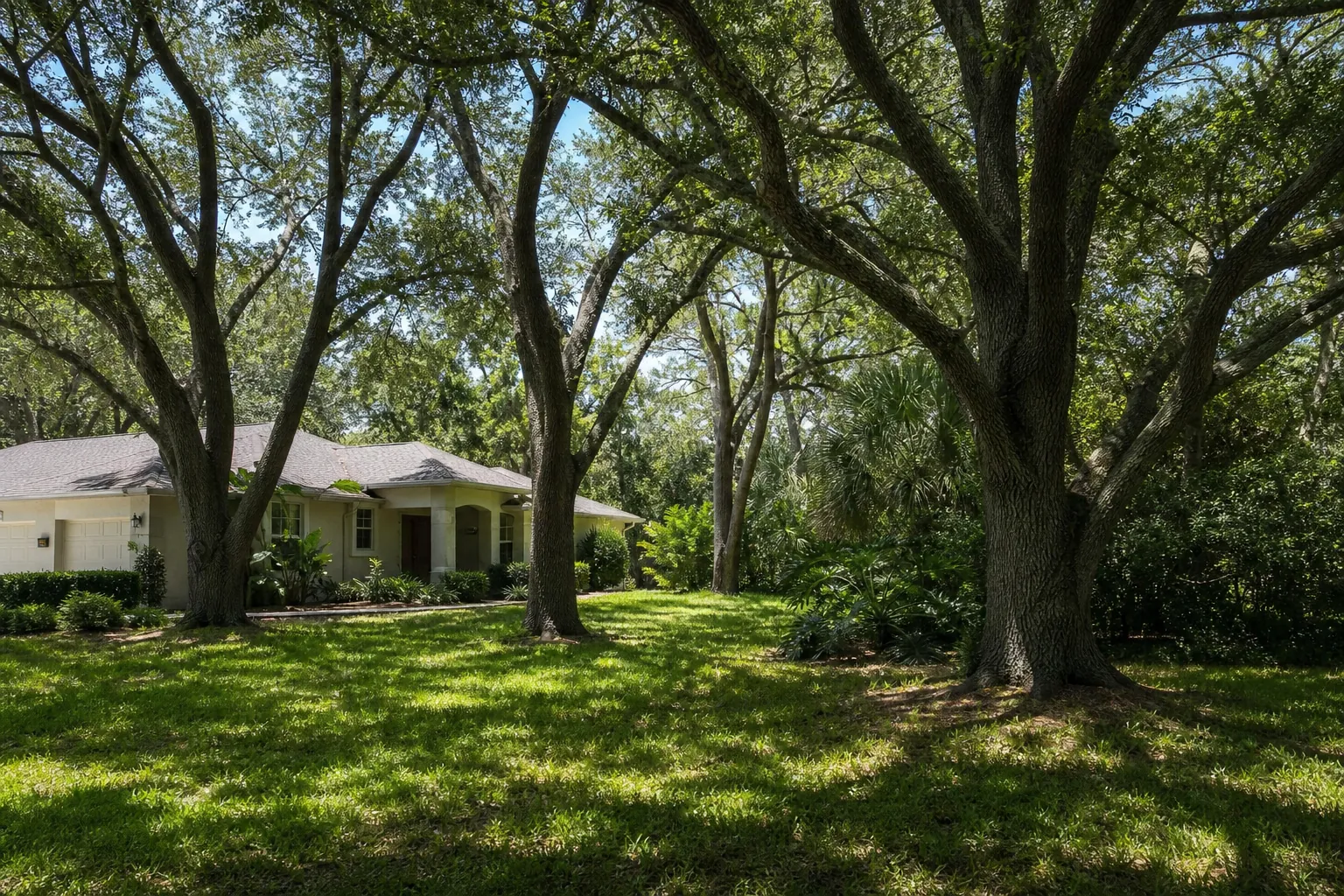
Canopy thinning is the selective removal of branches within a tree’s crown. The purpose is to reduce density in targeted areas without stripping the interior or drastically changing the tree’s natural form. Thoughtful cuts may create openings that allow additional light to pass through while maintaining an appropriate distribution of live branches.
Thinning is different from removing every lower limb or cutting back the entire crown. It also differs from crown reduction, which addresses the overall height or spread through selective pruning. The appropriate approach depends on the tree’s structure and the property owner’s objective.
More cutting does not automatically create a better result. Excessive removal can leave a sparse, uneven crown and may expose previously shaded branches or lawn areas to abrupt environmental change. The decision should begin with tree structure, not only the desire for a brighter yard. A tree inspection can help identify weak, damaged, crowded, or poorly positioned branches and clarify whether canopy thinning fits the situation.
Ask Practical Questions Before Scheduling Work
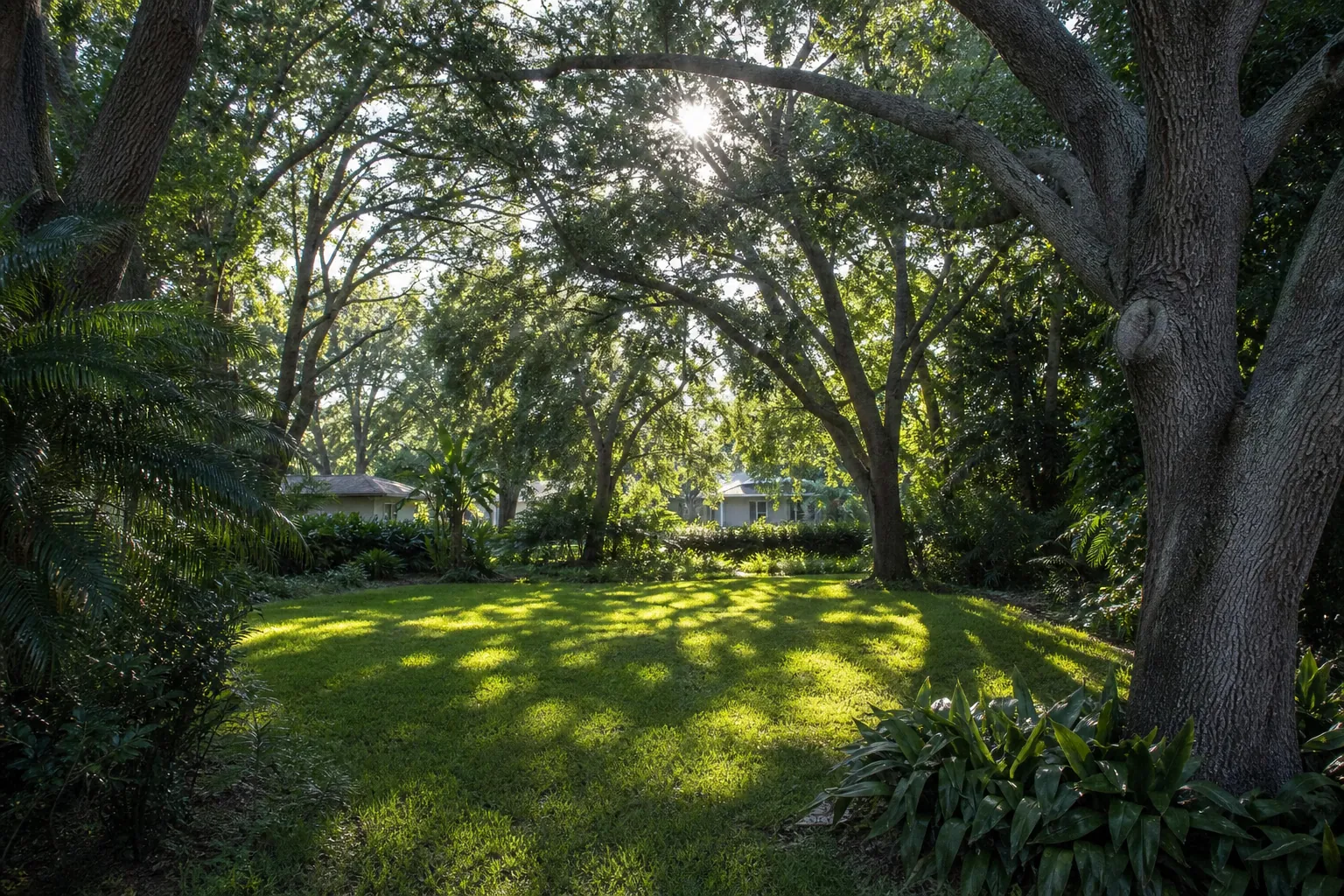
A useful conversation about canopy thinning should connect the desired lawn improvement with specific tree conditions. Explain which part of the yard needs more light and when sunlight would be most helpful. Ask which branches are contributing most to the shade and how their removal may affect crown balance. If several trees overlap, determine whether small adjustments across multiple crowns would be more appropriate than extensive work on one tree.
Use this checklist when reviewing the property:
- Track sunlight across the lawn during morning, midday, and afternoon.
- Identify whether trees, buildings, or fences create the deepest shade.
- Note dead, damaged, crossing, or crowded branches.
- Check for visible roots, compacted soil, erosion, or poor drainage.
- Choose a specific lawn area as the priority rather than requesting broad removal.
- Ask how the proposed cuts will preserve a balanced crown.
- Confirm any applicable requirements with the city or county before work begins.
These steps make it easier to compare recommendations and avoid treating every shaded lawn as the same problem.
Balance Lawn Goals With The Tree’s Condition
A mature tree can shape the entire character and use of a yard, so lawn improvement should be considered alongside tree condition. If the tree has significant defects, dead sections, storm damage, or conflicts with nearby structures, the first priority may be different from increasing sunlight. An arborist report or tree inspection can document visible conditions and support a more informed decision.
In some cases, selective trimming may address both crowded growth and a specific shade concern. In others, crown reduction or another approach may be discussed based on the tree’s form and surroundings. Tree removal is a separate decision that should not be treated as the automatic solution to sparse grass.
If removal is being considered, property owners should confirm current requirements directly with their city or county. Rules may depend on the property, tree, and scope of work. For a related overview of planning considerations, read about protected tree removal permit requirements in DeLand, then verify what applies locally in Ormond Beach.
Set Realistic Expectations For The Lawn After Thinning
Canopy thinning may change the amount and pattern of light reaching the ground, but it cannot ensure that grass will become dense. Sunlight will continue to shift by season and time of day. The lawn may also remain affected by root competition, soil condition, moisture, traffic, and the suitability of the existing grass for that location.
After trimming, observe the area rather than making several major changes at once. Track where direct light reaches, how long it remains, and whether the soil dries differently. This gives you useful information for later lawn decisions. It also helps distinguish a meaningful improvement in light from a temporary visual change in the crown.
Responsible planning focuses on a defined objective and proportionate work. The best question is not simply whether branches can be removed. It is whether selected cuts can address the priority area while respecting the tree’s structure. When thinning is not appropriate, an inspection can help explain why and identify other tree-related options worth considering.
Discuss The Shaded Area Before Making Cuts
Florida Foliage provides canopy thinning, tree trimming, tree inspections, and related tree services. To discuss a shaded Ormond Beach lawn and the trees affecting it, call (386) 481-7913. A calm, site-specific conversation can help you define the goal and understand which questions to ask before choosing the scope of work.
Call (386) 481-7913 to talk through next steps.