Reviewed by Clinton Funk
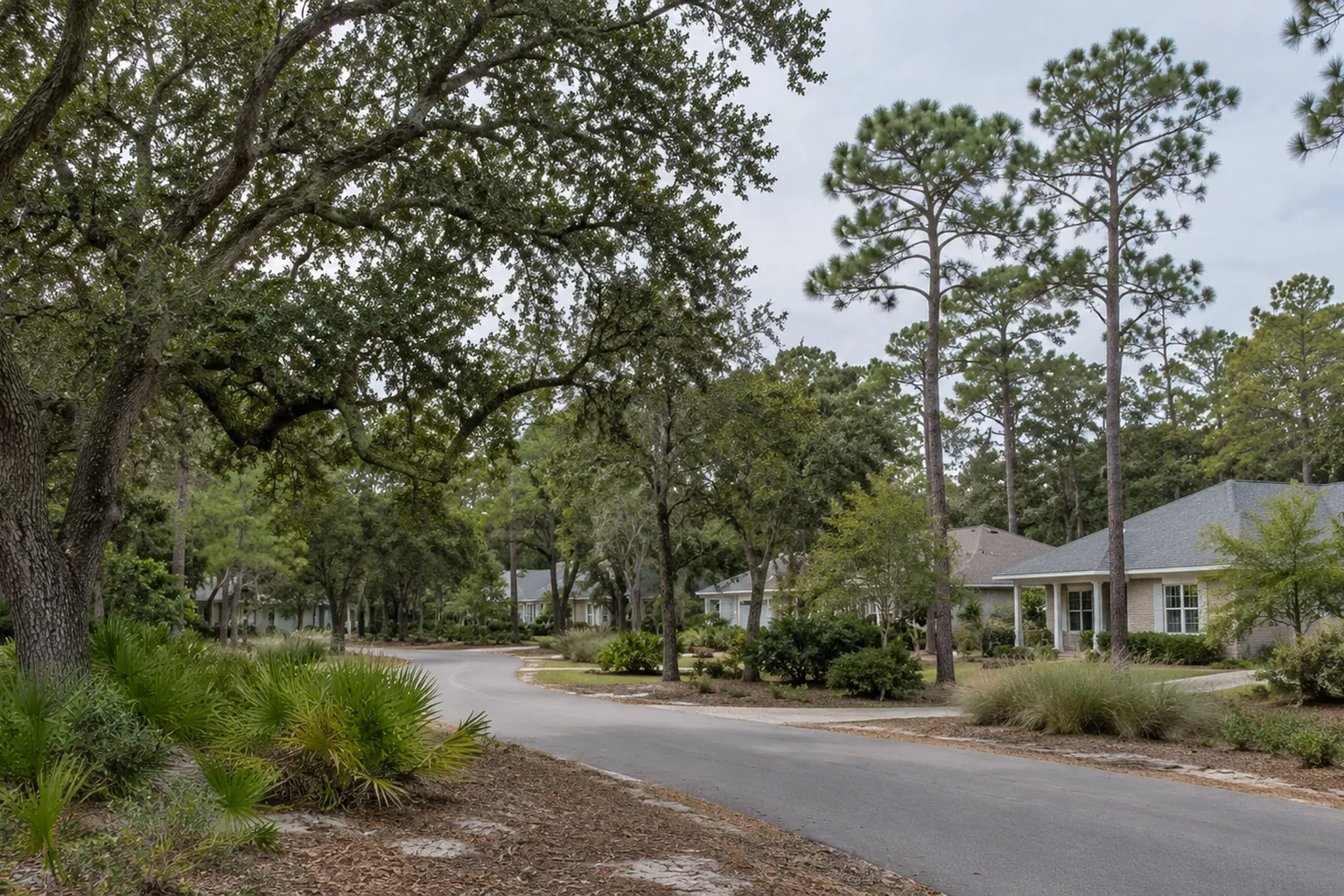
Emerald Coast tree cleanup starts with a clear plan, and list what you can see from a safe indoor or distant spot, and keep those notes apart from guesses about tree health, and use this guide to prepare questions, compare work lists, and keep track of next steps.
The guide covers Santa Rosa, Okaloosa, Walton, and Bay counties, and it links to related topics from Navarre to Panama City Beach, and tree work and close checks belong with the people hired for those tasks.
Which warning zone applies to your address?
Match your address to the named warning zone, then read the local notice, and use the tree risk assessment and tree risk assessment for nearby topics, and keep the forecast in one part of your notes, and keep what you see at home in a separate part. Related reading: Pensacola guide.
- Use the latest National Hurricane Center advisory for current storm information. Follow local officials before planning tree work. A forecast does not establish damage at your address.
- Use current official information before planning tree work. Check the National Hurricane Center advisory and NWS Mobile for current forecasts. Follow local officials for access and emergency instructions. Forecasts do not establish damage at a particular property.
Write down your city, county, and street address, and the Tallahassee notice tells visitors to know their city and county and heed local instructions. Visitor guidance, and the Mobile notice names Santa Rosa updates and Okaloosa updates as local sources. Local contacts.
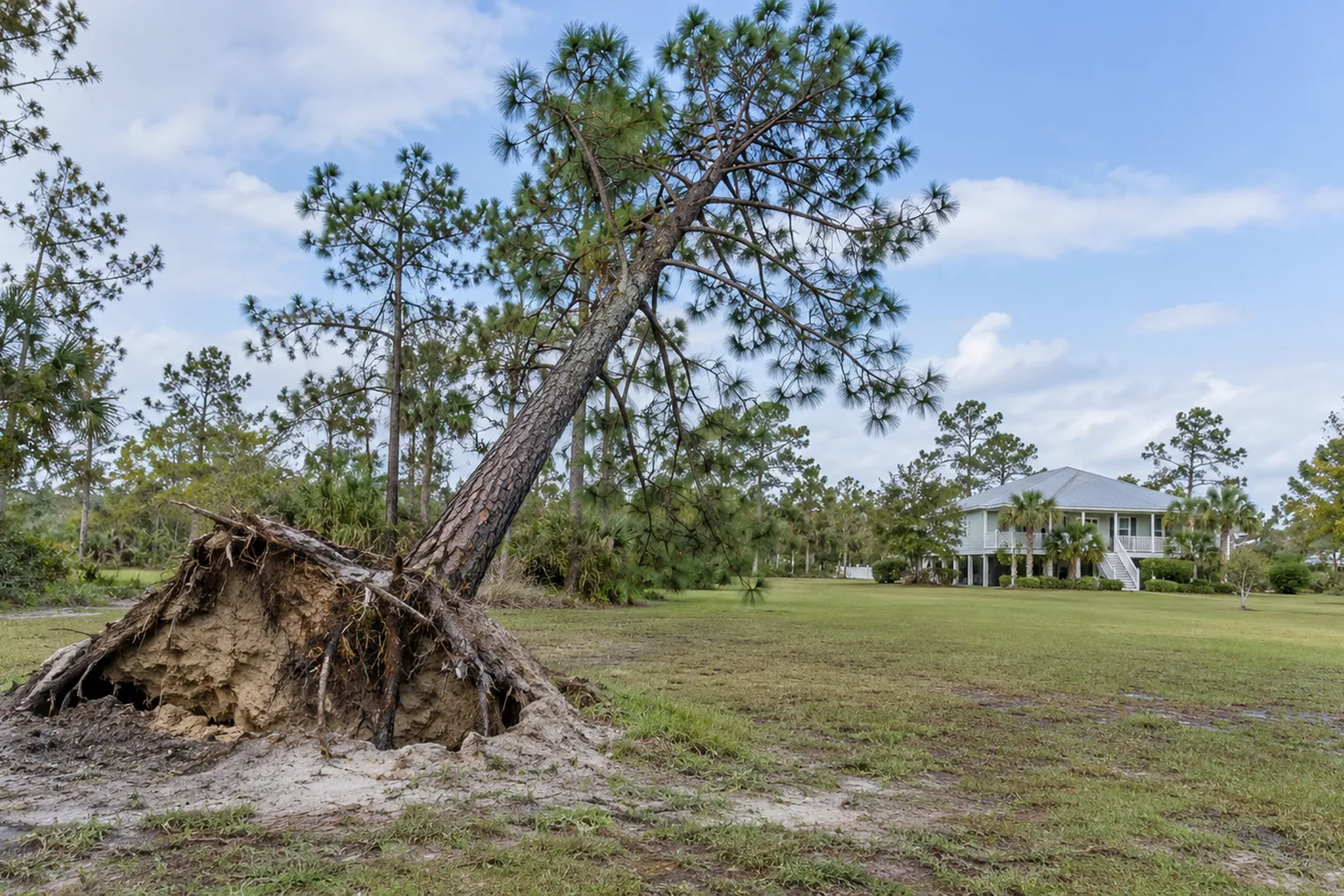
What comes first in Emerald Coast tree cleanup?
Make your first list about concerns that need expert help, and give each item a clear place name on the property, and the tree risk assessment and tree risk assessment cover related questions, and describe what you can see without trying to judge the strength of damaged wood. Related reading: Pensacola guide.
UF/IFAS puts tree risks first, and it names large hanging limbs and leaning trees that could strike people, homes, or other targets, and it says a professional should handle these before other work. Tree risk guidance.
The same source calls for a qualified line-clearance arborist when a limb falls near power lines, and it warns that work near electrical lines can be fatal. Line clearance guidance.
Keep your role to notes from an indoor or distant view. A useful report gives the location and what is visible:
- A limb hangs above the front door.
- A tree leans toward the side of the home.
- A trunk lies across the drive.
- A branch appears near a power line.
These are descriptions for a call, not findings about risk, and ask the person doing the check to explain the next step. UF/IFAS links cracked branches to risk when a target is nearby. Crack guidance.
If you cannot see a detail, leave it blank, and do not turn an uncertain view into a firm claim, and tell the person taking your call which parts remain unknown.
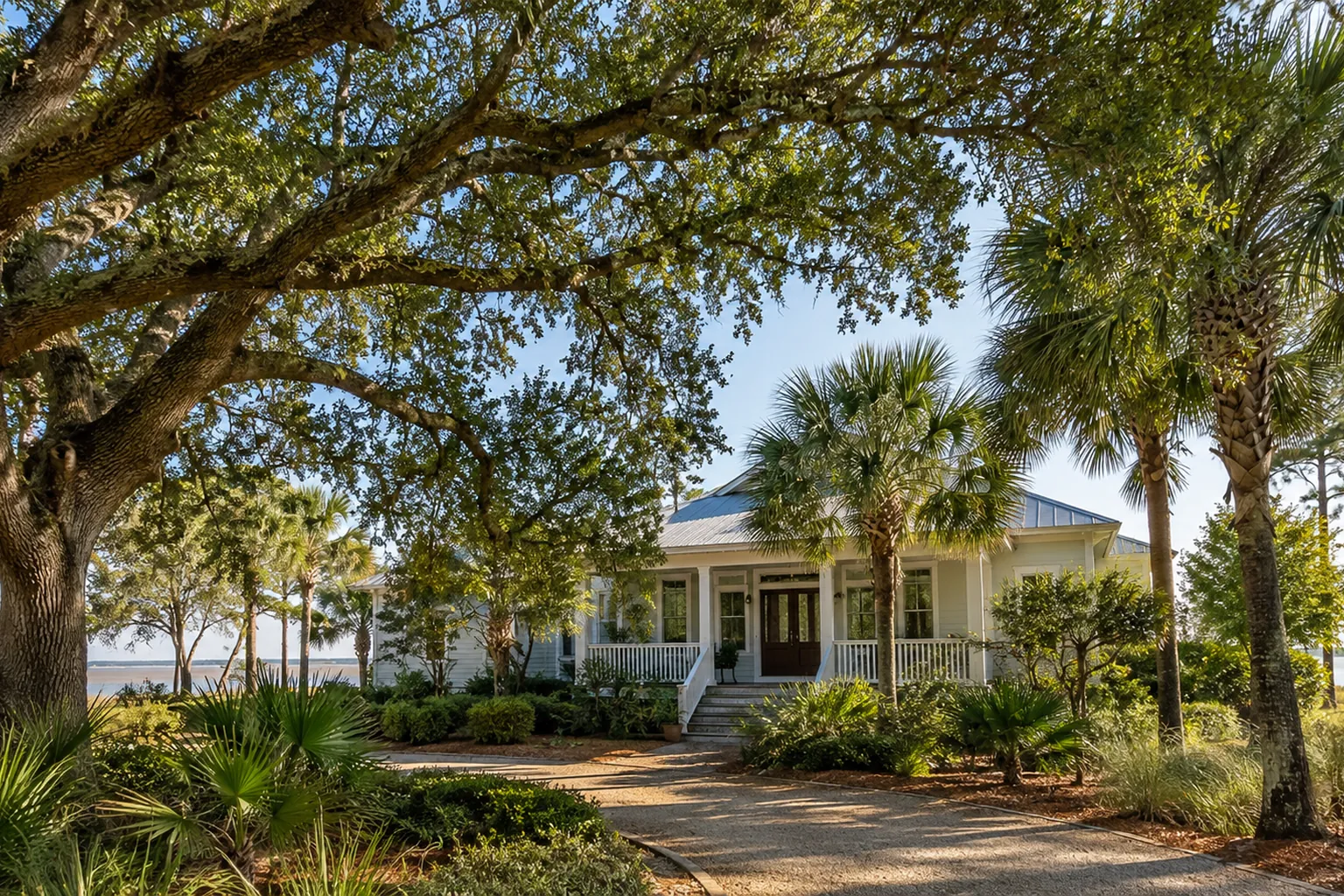
How should you separate wet ground from salt exposure?
Keep wet ground notes apart from notes about possible saltwater exposure. Ask separate questions about each during a tree visit. For related assessment background, see tree risk assessment and Pensacola tree guide.
UF/IFAS says coastal storm surge can lead to major tree dieback from salt damage, and its palm guide also says saltwater flooding can cause serious injury to many palm species. Tree salt guidance; Palm salt guidance.
That does not give you a finding for each tree, and start with what you know about your own yard, and use existing photos or a view from indoors, and keep the record plain:
- Where you saw water.
- When you first saw it.
- Which trees were in that area.
- Which parts you could not see.
For wet ground, ask what the care plan assumes about soil moisture. UF/IFAS says irrigation is not needed when the root ball is already wet or soaked from heavy rain. Water guidance, and this is a question for the visit, not a home treatment plan.
Bring older photos if you have them, and note any change in a tree's position without guessing why it moved, and ask for separate answers about the visible damage and the possible flood exposure, and write down any facts the person still needs before recommending care.
What questions differ for pines, oaks, and palms?
Ask for a tree-specific reason behind each recommendation. A single rule for the whole yard may leave key questions unanswered, and use the palm tree trimming and tree risk assessment to prepare your list, and ask which findings support removal, which support recovery, and which remain uncertain.
UF/IFAS says trees can recover from lost leaves and some broken limbs, and it also says major trunk damage is often beyond repair. Recovery guidance, and ask whether the recommendation rests on trunk damage, branch damage, or another finding.
For pines, ask how the recovery plan accounts for their growth. UF/IFAS says pines sprout very little or not at all. Pine guidance, and do not apply a broadleaf tree's sprout plan to a pine without an explanation.
For oaks, ask which species is present. UF/IFAS says live oaks resist decay and recover from damage better than laurel oaks. Oak guidance, and ask how that general guidance relates to the findings for your tree.
For palms, ask what is known about the bud. UF/IFAS says survival cannot be predicted unless the trunk is broken or bud damage is otherwise clear, and it says recovery may take at least six months to become apparent. Palm recovery guidance.
- What finding led to this recommendation?
- What remains unknown about this tree?
- When should we revisit the decision?
Keep the answers beside the tree's place in your notes, and this makes it easier to compare advice without mixing up trees.
How can you put the work in order?
Build a work list with clear stages and named responsibilities, and use the storm debris hauling for access questions and tree removal information for scope questions, and give each provider the same list, and ask them to explain what their visit includes and what must happen before it.
UF/IFAS puts expert handling of potential tree risks before other work, and its immediate response plan focuses on unacceptable risks and broken limbs, rather than major changes to tree shape. Work priorities.
- List visible concerns. Use indoor or distant observations and existing photos.
- Request the needed checks. Share locations and questions, not guesses about tree health.
- Ask what comes first. Have each provider explain any task that depends on another.
- Agree on the first visit. Name the trees and work included.
- Define debris handling. Ask what will leave the site and what will remain.
- Record later visits. Keep retained-tree questions on a separate list.
When two providers are involved, ask who handles each stage, and record the answer beside that task, and give both the same version of the list, and ask for unclear terms to be explained before you sign.
What should your photo and note file contain?
Keep one file for photos, dates, questions, and written replies, and link each entry to a named tree or part of the yard, and the storm damage guide and Pensacola first steps provide related reading, and use the file to explain what you saw and what you still need answered.
Use photos already taken or views from a safe indoor or distant spot, and name each image by date and place, and add a short note about what it shows. A wide view can help explain which tree you mean.
- Give each tree a simple label.
- Keep the original image with its date.
- Mark older photos as older photos.
- Separate your notes from a provider's findings.
- Save the questions you have not yet answered.
A simple label such as “tree by the rear fence” works well, and use the same label in emails and work lists, and avoid changing names partway through the file, and if several trees share that area, number the entries.
What should you check before hiring help?
Compare written offers for the same named tasks, and ask about any gap before you choose a provider, and the removal page and storm work page can help you frame questions, and keep verbal promises on your list until they appear in the written terms you are asked to sign.
Compare these parts of each offer:
- The named trees and exact tasks.
- The proposed start and finish dates.
- The full price and payment stages.
- The provider's contact details.
- The promises made during calls.
- The description of debris and stump work.
Circle words you do not understand, and ask the provider to explain them in plain terms, and then check that the written offer reflects the answer, and keep both the question and the reply in your file.
How should you plan follow-up for retained trees?
Give retained trees their own list of questions and visit dates, and the tree risk assessment and palm tree trimming cover those longer plans, and ask what the next visit will review, and keep its purpose distinct from the first cleanup visit so you know what remains to be done.
UF/IFAS says restoration often needs more than one pruning visit, and the time needed depends on age, health, size, species, and damage, and its guide describes plans lasting two to five years, sometimes longer. Restoration timeline.
For palms, UF/IFAS recommends close monitoring over the next one to two years. Palm follow-up guidance, and ask the person planning care how that applies to your palm.
- Which trees need another visit?
- What will that visit check?
- When should it take place?
- Who should receive new photos or questions?
Add each answer to the named tree's record, and keep a copy of the first work list, and at the next visit, use both to ask what has changed and what comes next, and this keeps the longer plan easy to follow.
Frequently Asked Questions
Use these answers to prepare a call or review a work list, and keep questions tied to your own address and named trees, and the Pensacola guide and storm debris hauling offer related context, and for a decision about a particular tree, ask for the findings behind the recommendation.
Does a warning prove my yard has damage?
No. A Hurricane Warning means those conditions are expected somewhere within the warning area, and it does not report damage at your address. Warning definition, and keep the forecast separate from your property notes, and give a provider the photos and observations you have, and identify what remains unknown.
Who should handle a limb near power lines?
UF/IFAS says a qualified line-clearance arborist should handle a limb that has fallen near power lines, and it warns that electrical-line work can be fatal. Line clearance guidance. Keep your report to the location and what you can see from indoors or a distant spot, and do not attempt the work yourself.
Do damaged palm leaves prove the palm will die?
No. UF/IFAS says survival cannot be predicted unless the trunk is broken or damage to the bud is otherwise clear, and recovery can take at least six months to become apparent. Palm guidance, and ask what is known about your palm, what remains uncertain, and when another visit would help.
Who can answer questions about insurance coverage?
Use your policy and speak with your insurer or agent about coverage. Keep that reply apart from the contractor's work scope. The Florida insurance overview explains that debris and tree removal coverage can have limits. Save the reply with the date and contact name. A work estimate alone does not confirm policy coverage.
Does a storm advisory prove my home has tree damage?
No. The advisory describes the storm and expected conditions; it does not record damage at your address. Keep the forecast separate from your own property notes; label photos by place and time. Describe only what they show. Use the official advisory for storm information and your records for property questions. Read the advisory.
Related Reading And Scope
See the Pensacola tree guide and tree risk assessment guide for related background.
For related reading, see the Pensacola tree guide and tree removal guide. For a property outside Volusia or Flagler County, contact a local tree professional.
Florida Foliage is a Daytona Beach tree service that works with an ISA Certified Arborist consultant. For a property in Volusia or Flagler County, call (386) 481-7913 to request an estimate.
Drafting disclosure: This article was drafted with AI assistance using public sources. It does not independently verify live forecasts, site conditions, pickup notices, or insurance coverage. Check current details with the responsible agency or a qualified local professional.
Call (386) 481-7913 to talk through next steps.