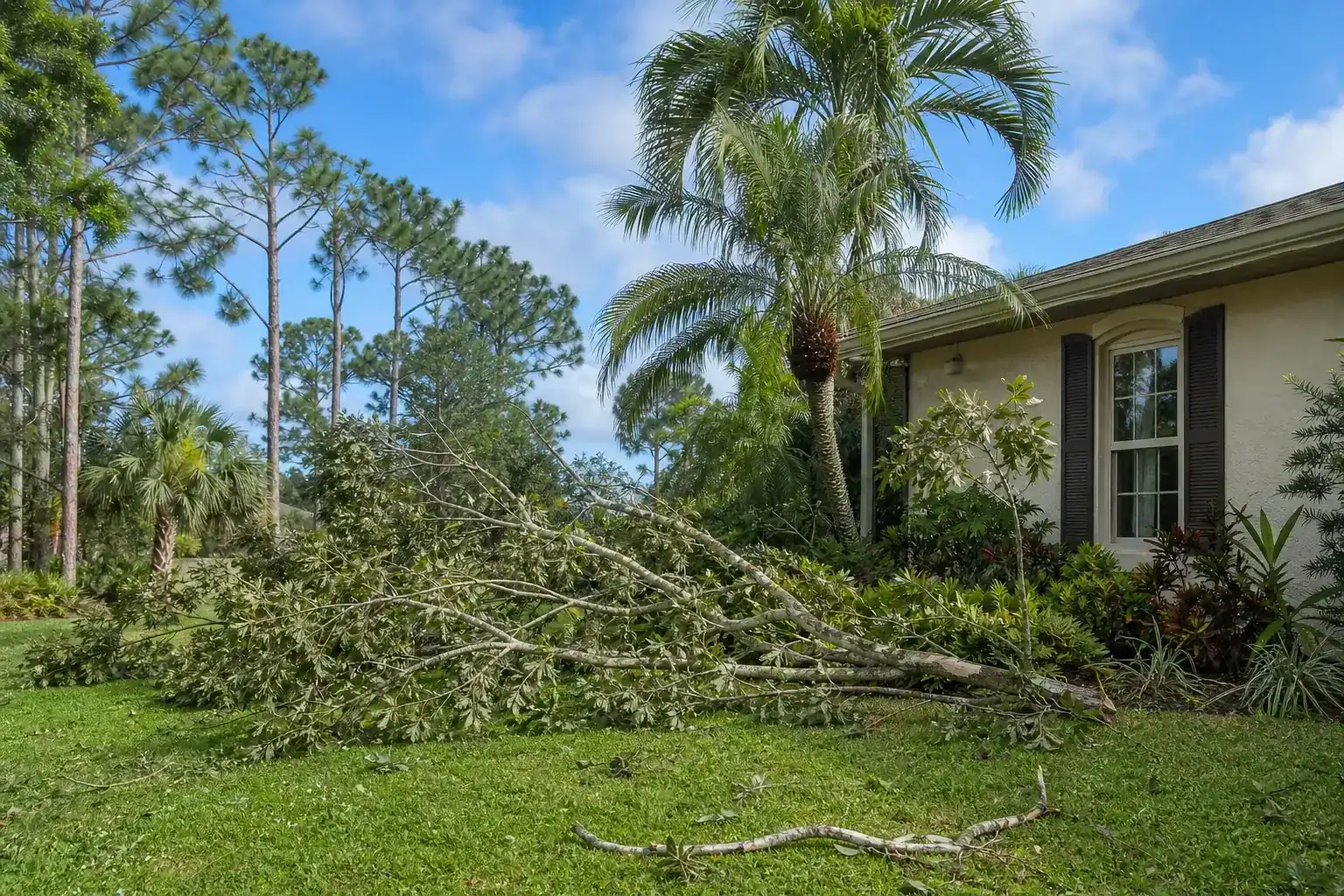
For Palm Coast homeowners, the best time to think about hurricane tree trimming is well before a storm appears in the forecast. Early planning allows time to inspect trees, identify priorities, consider the right type of trimming, and confirm whether local requirements apply. Waiting until severe weather is approaching can turn a manageable property decision into an urgent one. The practical timeline below can help you decide what to address now and what should be monitored.
Start Planning Well Before Hurricane Weather Threatens
Begin by looking at the entire property rather than focusing only on the largest tree. Note limbs over the roof, driveway, walkways, fences, outdoor living areas, and other places where people or property may be exposed. Look for broken branches, hanging limbs, visible trunk damage, unusual leaning, or noticeable changes in the canopy.
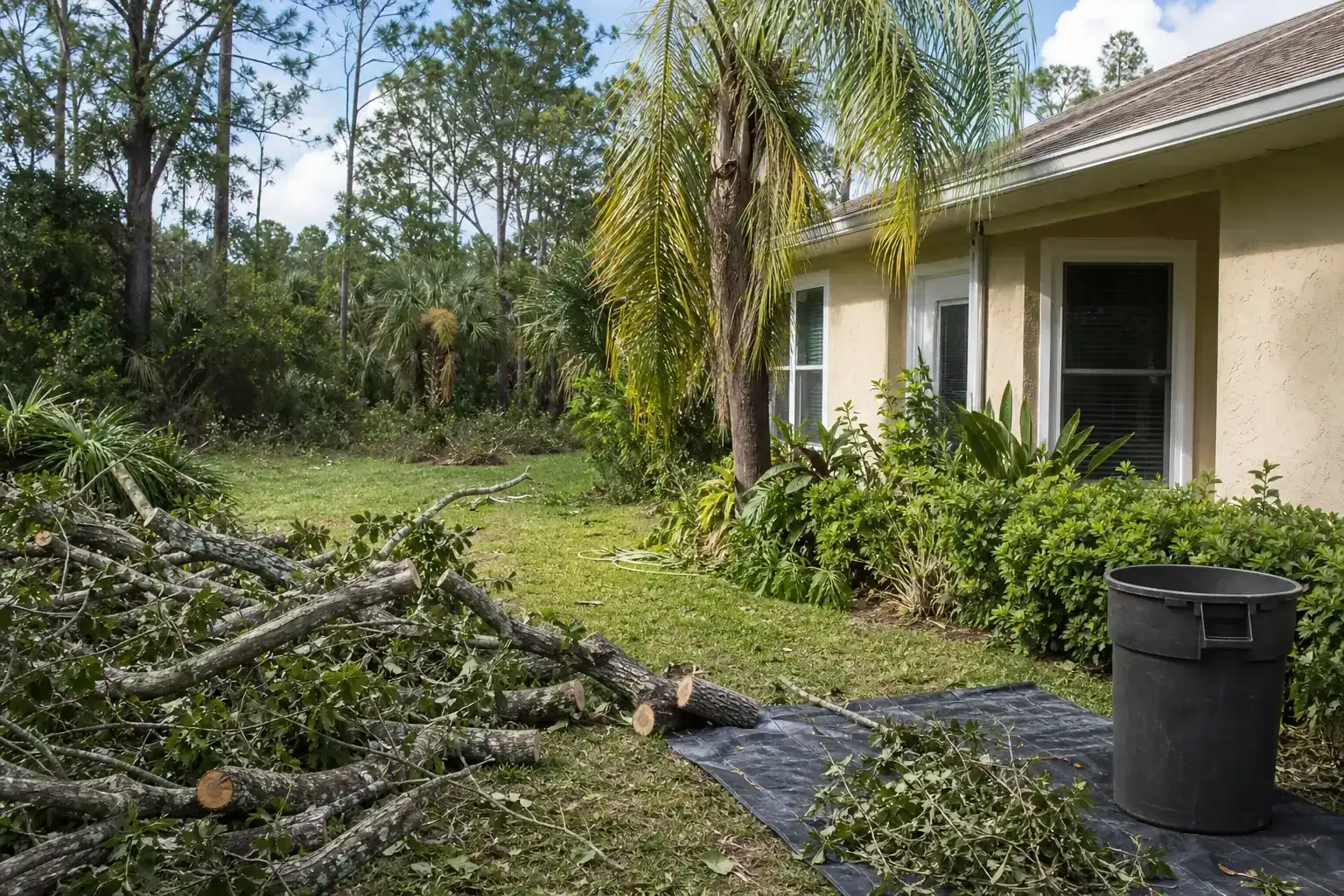
This first review is not a substitute for a tree inspection. Its purpose is to help you organize questions and recognize which trees may deserve closer attention. Scheduling ahead also provides room to choose an appropriate service instead of asking for broad trimming simply because a storm may be coming.
Florida Foliage provides tree inspections and arborist reports, along with tree trimming, canopy thinning, crown reduction, and tree removal. The appropriate option depends on the tree and site conditions. Early assessment helps distinguish routine maintenance from a concern that may require a different response.
Use A Practical Trimming Timeline
A useful timeline begins months, not days, before hurricane conditions are possible. Homeowners can conduct a visual property review, gather information about previous tree work, and arrange an inspection when something appears questionable. After priorities are identified, schedule recommended trimming with enough time to complete the work and handle debris before weather becomes an immediate concern.
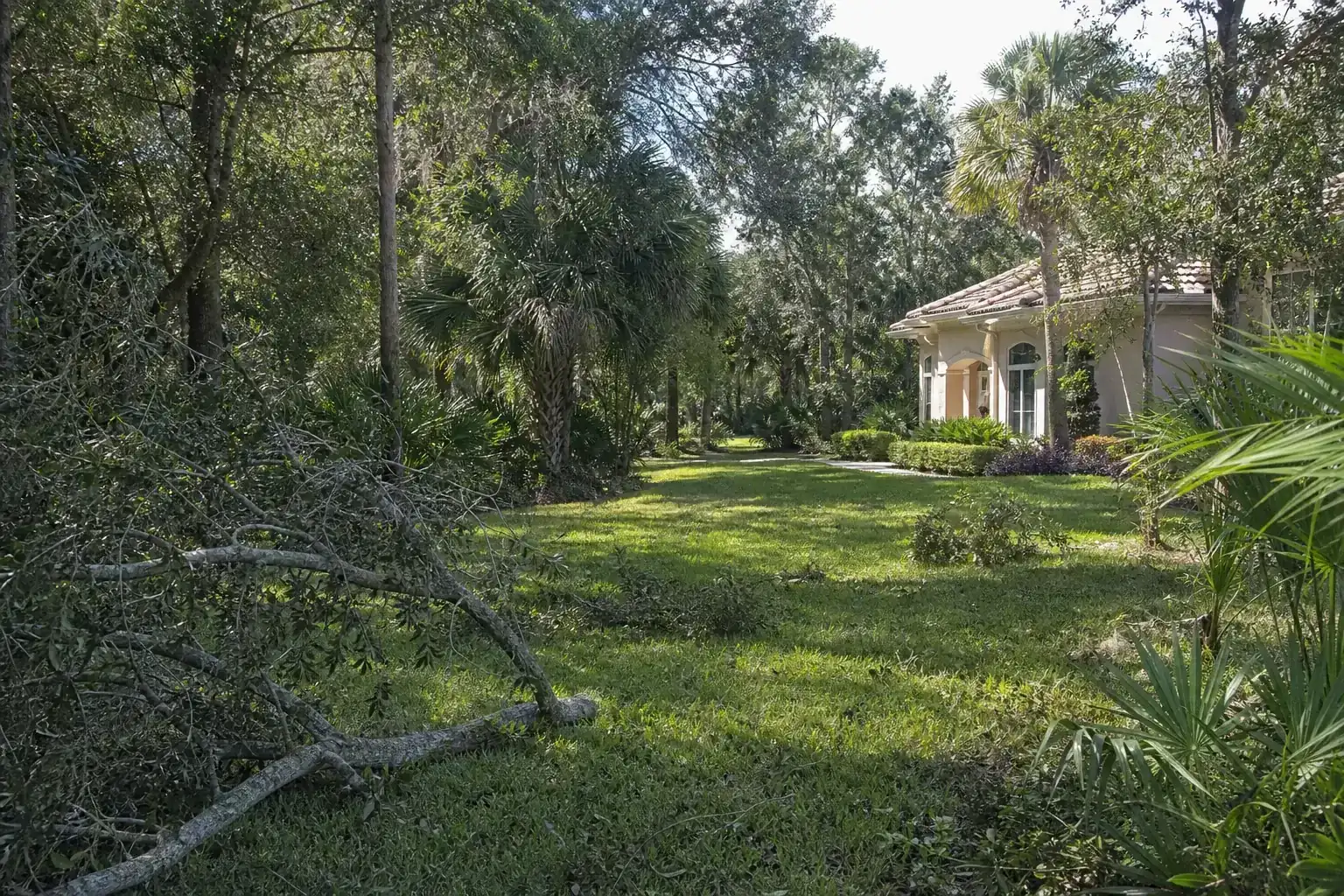
Use this simple sequence when planning:
- Review trees around buildings, access routes, parking areas, fences, and frequently used outdoor spaces.
- Write down visible concerns, including dead-looking limbs, cracked branches, trunk damage, or canopy imbalance.
- Request an inspection when the condition or appropriate treatment is unclear.
- Confirm whether city, county, neighborhood, HOA, or condo requirements may affect the work.
- Schedule suitable trimming or removal before a named storm creates urgency.
- Recheck the property after strong winds and address newly damaged branches promptly.
This approach supports deliberate decisions while preserving time to investigate questions about access, equipment, and local approval.
Choose The Right Work For Each Tree
Hurricane preparation does not mean every tree should receive the same treatment. Tree trimming may address specific branches, while canopy thinning or crown reduction may be considered when suitable for the tree. These are distinct services, and the correct choice should reflect structure, condition, surroundings, and the desired outcome.
A tree with a hanging branch may need focused attention. A tree with significant trunk damage or another serious concern may require an inspection before work is selected. If removal is appropriate, site access and the tree's position can affect planning. Florida Foliage offers tree removal, emergency and hurricane tree removal, crane tree removal, and stump grinding in addition to trimming services.
Avoid deciding based only on how dense or tall a tree looks from the ground. Ask what concern the proposed work addresses, which branches would be affected, and whether follow-up monitoring is advisable. Clear questions help homeowners make decisions based on observable conditions rather than storm-season anxiety.
Account For Permits, Access, And Cleanup
Before authorizing work, confirm whether local government rules, community standards, or property restrictions apply. Requirements may vary by city, county, tree status, property type, and scope of work. Homeowners should verify current information directly with the appropriate city or county. Residents in managed communities should also review applicable HOA or condo procedures.
For a broader explanation of why local confirmation matters, read this guide to protected tree removal permit requirements. Although it discusses DeLand, the practical lesson applies elsewhere: do not assume that rules are identical between jurisdictions.
Access deserves attention, too. Identify gates, narrow side yards, parked vehicles, overhead obstacles, and areas that need protection or clearance. Discuss how cut material will be handled and whether stump grinding is part of a separate removal plan. Florida Foliage also provides commercial tree services and HOA and condo tree services, which can help when properties involve shared areas or coordinated access.
Know What To Do As A Storm Approaches
Once a hurricane is forecast, focus on safety and realistic priorities. Do not attempt risky cutting, climb trees, work near overhead hazards, or stand beneath damaged limbs. A last-minute effort to reshape an entire canopy is not a replacement for planned maintenance. Instead, observe from a safe location and communicate clearly about immediate concerns such as a newly broken limb or blocked access.
After the storm, keep people and vehicles away from leaning trees, suspended branches, and unstable debris. Conditions may have changed even if a tree looked acceptable beforehand. Document visible damage from a safe distance and arrange an inspection when the appropriate next step is uncertain. Emergency and hurricane tree removal may be relevant when storm damage creates an urgent tree-removal need.
Land and lot clearing or brush hogging may be useful for separate vegetation-management projects, but these services should not be confused with inspecting or treating an individual tree. Match the requested service to the specific property concern.
Plan Your Tree Work Calmly
If you are deciding when to trim trees before hurricane season in Palm Coast, contact Florida Foliage at (386) 481-7913. Explain what you have observed, where the tree is located, and whether access or community requirements may affect the work.
Call (386) 481-7913 to talk through next steps.