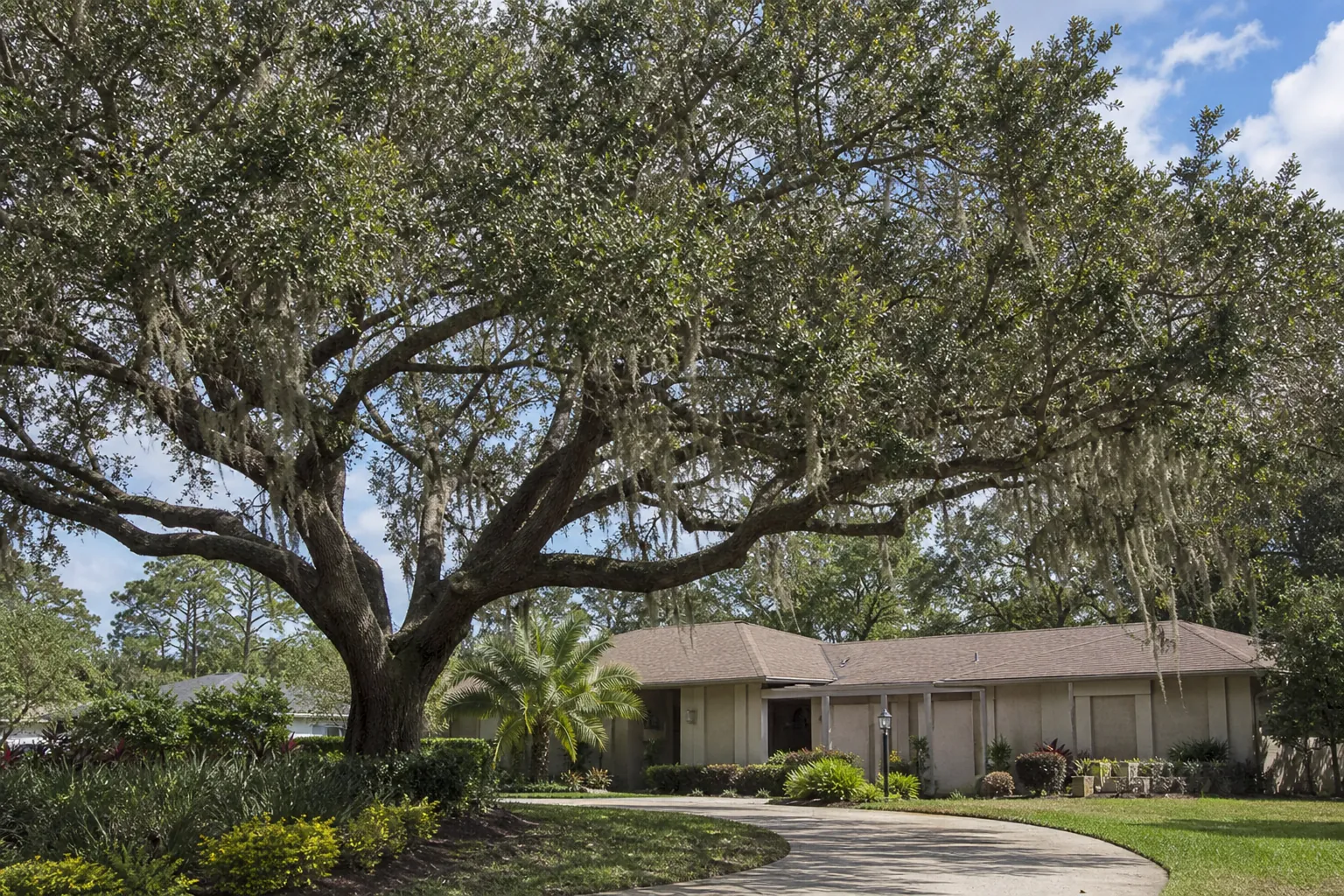
A large oak does not need crown reduction on a fixed calendar. The right timing depends on its structure, condition, recent growth, surroundings, and previous trimming. For Deltona property owners, the practical approach is to inspect the tree regularly and consider crown reduction only when there is a clear objective. That objective might involve reducing leverage on a long limb, addressing an unbalanced canopy, or creating appropriate clearance while preserving the tree’s natural form.
Why Crown Reduction Frequency Varies by Tree
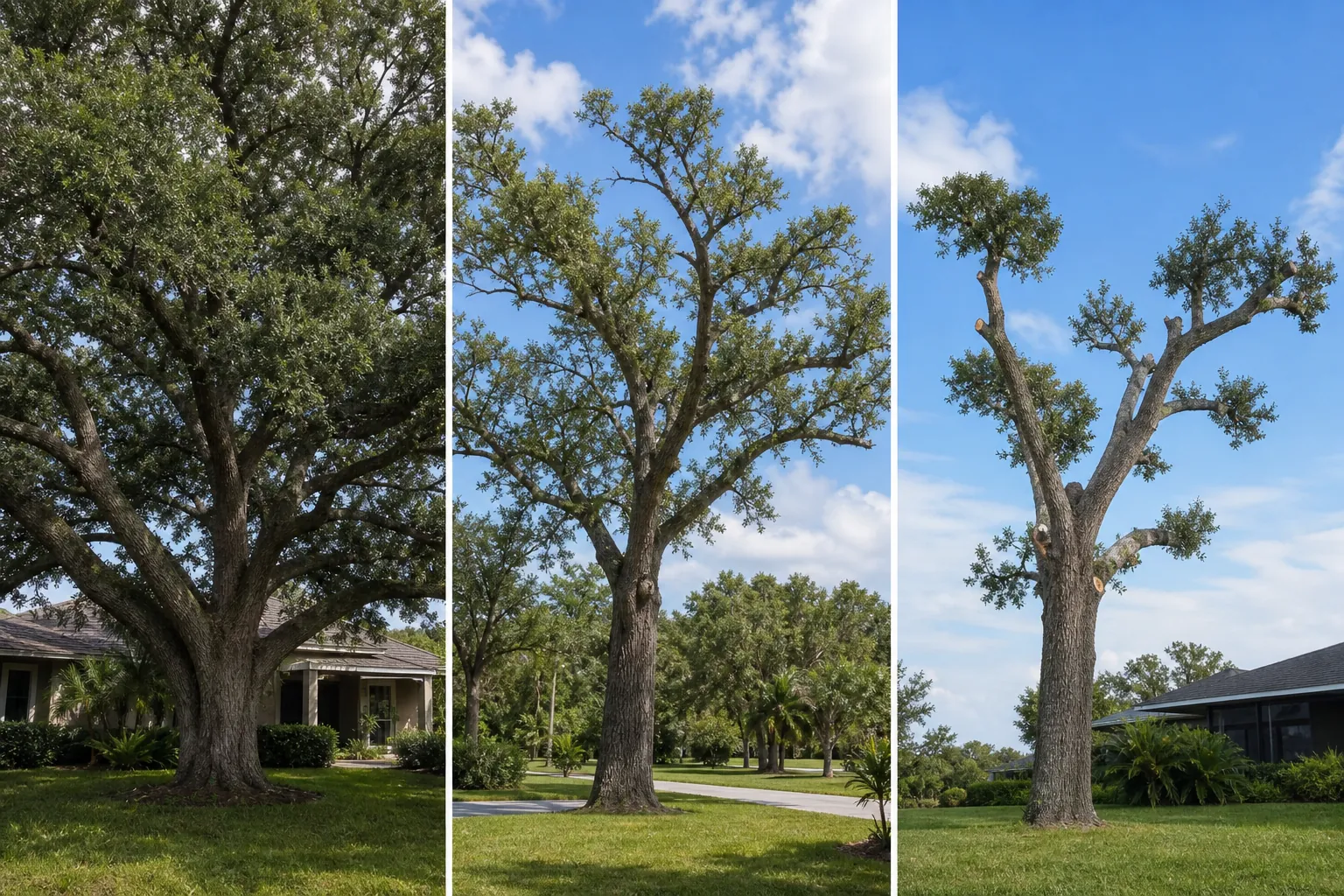
Crown reduction shortens selected branches to reduce the height or spread of part of a canopy. It is different from simply cutting back every limb or removing the top of a tree. Because each oak develops differently, there is no responsible one-size-fits-all interval.
A tree’s age, branch arrangement, exposure, health, and available growing space all influence whether reduction may be appropriate. A mature oak with sound structure and adequate clearance may not need frequent reduction. Another tree may have a long, heavy limb extending over a roof, driveway, or frequently used area and could warrant closer evaluation.
Past work matters too. Large cuts, uneven trimming, or repeated removal of interior growth can affect future decisions. Before scheduling work, identify the specific concern rather than assuming the entire canopy should be made smaller. A tree inspection or arborist report can help document current conditions and provide a clearer basis for choosing crown reduction, canopy thinning, another trimming approach, or no work at that time.
Signs That an Oak Should Be Evaluated
Property owners can watch for visible changes without trying to diagnose the tree from the ground. A change does not automatically mean crown reduction is needed, but it can justify an inspection. Compare the canopy with how it looked previously, especially after strong weather or nearby construction.
- One side of the canopy appears substantially heavier or more extended than the other.
- A long limb has limited clearance from a roof, structure, driveway, or commonly used space.
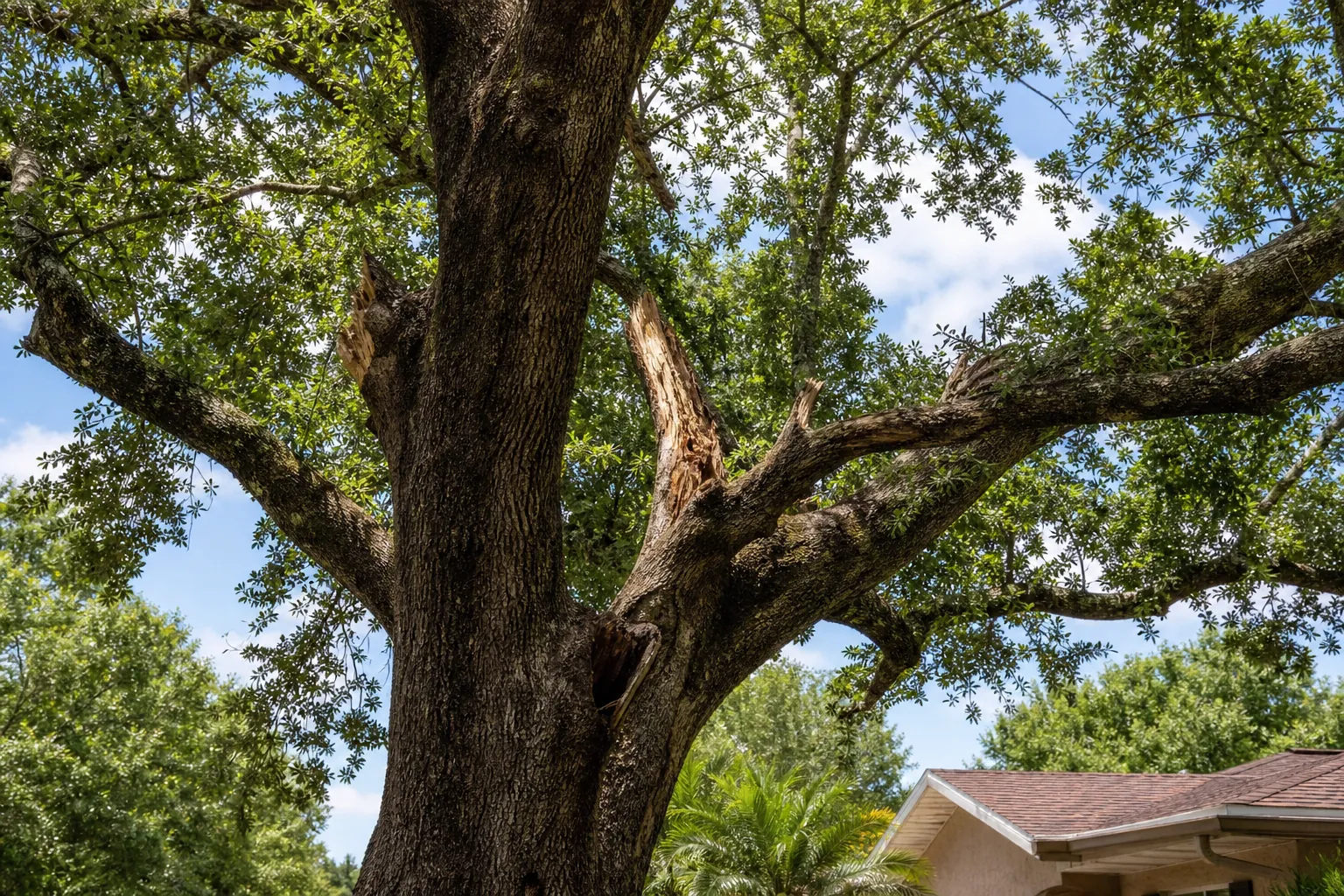
- Branches are cracked, hanging, rubbing, or visibly broken.
- The tree’s form changed after storm damage or previous trimming.
- New growth is creating a recurring clearance issue.
- Soil disturbance, grade changes, or construction occurred near the root area.
Do not rely only on canopy size. Large trees are naturally large, and size by itself does not establish a need for reduction. The more useful questions are whether there is a defined structural or clearance concern, which branches contribute to it, and how much live growth can be retained while meeting the objective.
How to Decide When Another Reduction Is Appropriate
After crown reduction, future work should be based on how the tree responds and whether the original concern returns. Keep the date, scope, and photographs from prior trimming. These records help distinguish normal growth from a developing problem and let a tree professional understand what was previously removed.
Review the oak after major weather events and when you notice meaningful changes in branch position, canopy balance, or clearance. Also look at the tree before projects that could affect access or nearby growing space. If no significant concern is present, another reduction may not be necessary simply because a certain number of years has passed.
When reevaluation is appropriate, ask for a clear explanation of the proposed cuts. Which limbs are being shortened? What concern does each cut address? How will the work affect the tree’s natural shape? Would canopy thinning, selective tree trimming, or monitoring better fit the situation? These questions keep the decision focused on the individual oak instead of an arbitrary schedule.
Crown Reduction Is Not the Same as Canopy Thinning
Crown reduction and canopy thinning have different purposes. Reduction decreases the length of selected branches, changing the canopy’s height or spread in targeted areas. Canopy thinning selectively removes branches within the crown to improve spacing while generally retaining the canopy’s overall dimensions. A tree may need one approach, a limited combination, or neither.
Removing too much interior growth can leave foliage concentrated near branch ends and may not resolve the concern that prompted the work. Likewise, shortening branches without a specific plan can create an unnatural outline and lead to repeated corrective decisions. The proposed method should match the problem.
For a large Deltona oak, begin by defining the desired outcome in concrete terms. Examples include reducing the reach of one extended limb, restoring better balance after damage, or establishing suitable clearance from a structure. Then request an inspection that considers the whole tree rather than only the most noticeable branch. Florida Foliage provides crown reduction, canopy thinning, tree trimming, tree inspections, and arborist reports for decisions requiring documented evaluation.
Plan for Access, Property Conditions, and Local Rules
Large-oak work involves more than selecting branches. Before scheduling, review access for workers and equipment, nearby structures, fences, vehicles, utility lines, and areas that need protection. Move portable items when possible and discuss obstacles in advance. If the oak is near a property line, confirm ownership and communicate with the neighboring owner before authorizing work that could affect both properties.
Local requirements may apply depending on the property, tree, and proposed scope. Rules can vary, so confirm current requirements directly with the City of Deltona, Volusia County, or another authority responsible for the property. Do not assume routine trimming and substantial canopy changes are treated identically.
If evaluation suggests removal rather than pruning, pause and verify the applicable process before work begins. The related guide to protected tree removal permit requirements in DeLand explains useful questions to ask, although readers must confirm requirements for their own city or county. Clear planning helps keep the scope aligned with the tree, site, and decision at hand.
Discuss Your Large Oak With Florida Foliage
If you are deciding whether a large oak needs crown reduction, start with the specific concern and request an evaluation of the tree and site. For calm, practical guidance about tree inspections, arborist reports, crown reduction, canopy thinning, or tree trimming, call Florida Foliage at (386) 481-7913.
Call (386) 481-7913 to talk through next steps.