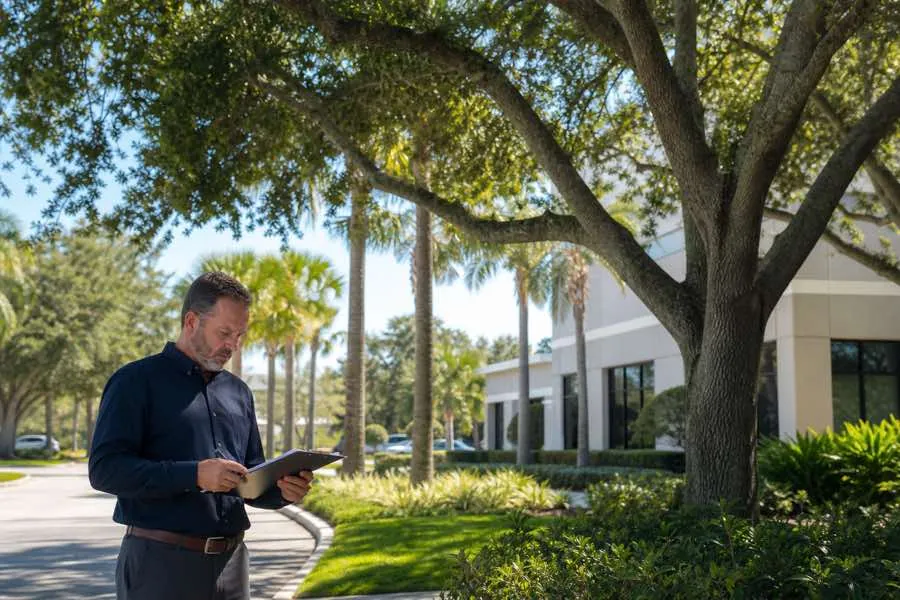
A tree service contract gives property managers a practical way to control tree work across occupied sites, seasonal projects, and recurring maintenance. In Daytona Beach, that matters because access, storms, sandy soil, and resident movement can change the work plan fast. Florida Foliage serves Volusia and Flagler counties, with Daytona Beach as the primary market.
For managers comparing a quote, scope, or contractor, the main goal is clear coordination. A tree service contract should show what gets done, who gets notified, who approves changes, and how cleanup is handled after crews leave. Florida Foliage works with an ISA Certified Arborist consultant, is licensed and insured, and offers free estimates. You can call (386) 481-7913 for commercial scheduling questions.
- Define the property, work zone, and access points.
- Separate routine visits from project work.
- Assign notices, approvals, and site contacts in writing.
- Require photos, cleanup, and change approval.
- Match scope to occupancy, utilities, and local conditions.
A tree service contract should read like an operations plan, not a loose promise. It needs the property name, the exact trees or zones, the tasks included, the exclusions, and the handoff points for notice and approval. For a managed site, that detail keeps the contractor, the owner, and the onsite team aligned.
Florida Foliage supports managers who want that level of clarity through property management tree services. On commercial properties, the job is rarely only tree care. It is also parking control, resident notice, safe access, and a clean finish that leaves the site usable.
What Needs to Be Included in a Tree Service Contract?
A tree service contract should include the property, the exact work area, the tasks approved, the cleanup standard, and the people who can make decisions on site. It should also spell out access limits, staging space, debris handling, and the records the contractor will provide when the work is complete.
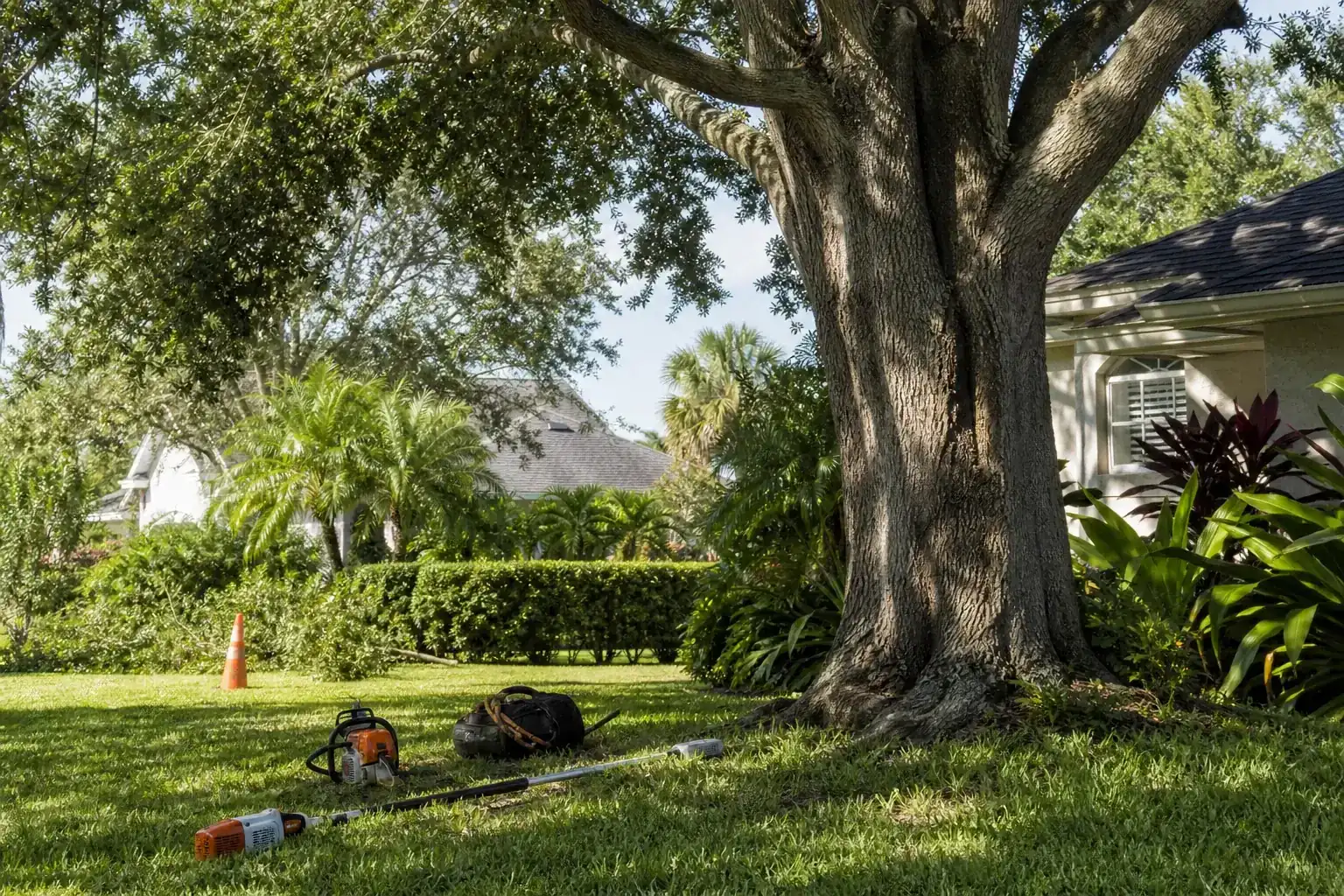
That level of detail matters in Daytona Beach because site conditions can change the day’s plan. Gated entries, tight drives, shared parking, overhead lines, irrigation heads, and soft sandy ground can all affect how crews move. If notices, access windows, and staging rules are unclear, the job can create avoidable friction for residents and tenants.
It also helps to define documentation. Many managers want photos before and after, a completion note, and a summary of any findings outside the original scope. If a crew sees decay, storm breakage, or a dead limb that was not part of the approved work, the contract should say who receives that notice and who can authorize the next action.
For commercial settings, compare how each contractor frames the scope. A detailed tree service contract should not bury exclusions or leave cleanup open to interpretation. If you need a broader look at site planning, Florida Foliage also handles commercial tree services for occupied properties and recurring maintenance sites.
What Should Be Included in a Tree Maintenance Contract?
A tree maintenance contract should include visit timing, inspection focus, reporting format, contact paths, and the areas that remain under recurring review. In a tree service contract, maintenance language should make it clear which trees are on a routine schedule and which jobs will need separate approval later.
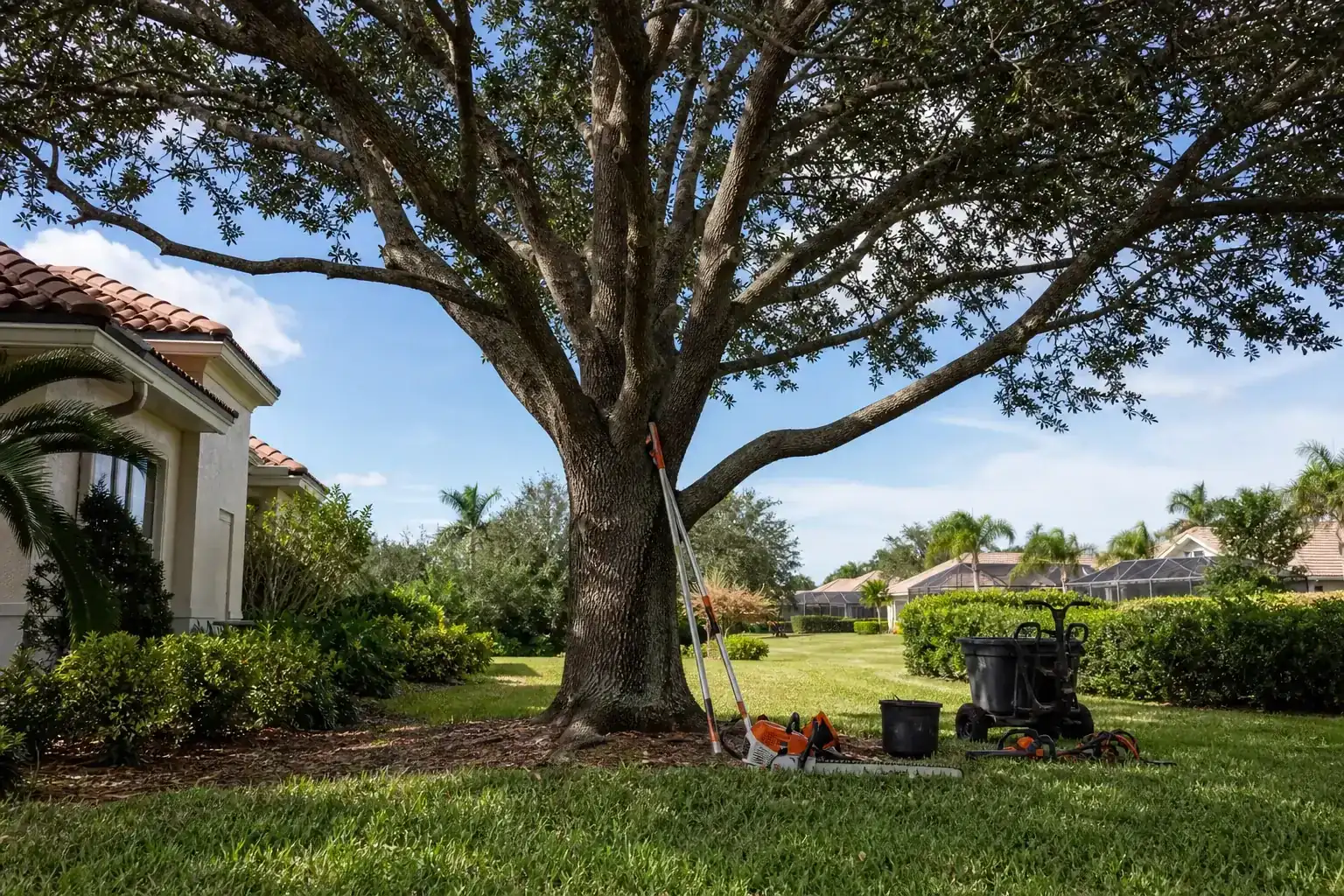
This is useful for apartment communities, office parks, retail centers, and HOA common areas. Trees change over time, so the contract should explain what the contractor checks on each visit. That may include deadwood, branch clearance, storm stress, root conflicts, and debris buildup near walks, drives, or buildings.
Coastal Florida adds another layer. Salt exposure, wind, and seasonal storms can push tree care into a more frequent review cycle. Sandy soil can also affect stability and water movement. A good maintenance contract should reflect those site realities without assuming every visit will lead to the same work.
| Scope Item | Contract Detail That Helps | Why Managers Care |
|---|---|---|
| Tree list or zone list | Named buildings, rows, or mapped areas | Limits scope disputes |
| Access and staging | Gates, parking, loading, and work hours | Protects daily operations |
| Cleanup standard | Debris removal, sweep-up, and haul-off rules | Keeps common areas usable |
| Documentation | Photos, notes, and completion summary | Creates a record for owners and insurers |
| Change control | Written approval for added work | Reduces surprise charges and missed sign-off |
OSHA’s guidance on tree care and tree removal operations highlights the need to plan work around hazards such as electrical exposure and falling material. See the OSHA inspection guidance for tree care and tree removal operations for that limited safety point. A tree service contract should support those work controls with clear site rules and supervision.
How Do You Write a Contract for Tree Work?
You write a contract for tree work by turning the site need into a clear scope, then adding notice, access, cleanup, and approval rules around it. A tree service contract should tell the contractor what to do, where to do it, who to contact, and what happens if field conditions change after the crew arrives.
Start with property details and work zones. Then list each task in simple terms. Specify pruning, removal, debris haul-off, stump work if included, and cleanup expectations. If the site includes tenants, residents, or active businesses, add the notice process and the person responsible for parking control, gate access, or other day-to-day coordination.
After that, write the change process. On occupied properties, crews may find hidden decay, storm damage, or access limits that alter the plan. The contract should require written approval before work outside the original scope begins. That protects the owner, the manager, and the contractor from later confusion.
If you are comparing scope language, ask for a clear quote first. You can request a commercial quote from Florida Foliage and see how the work is organized before you finalize the agreement. If you need a quick discussion about the site, call (386) 481-7913. The way the quote reads often reveals how the contract will read.
- Define every included area in writing.
- Name one contact for approvals.
- Assign tenant notices before work begins.
- Set cleanup and haul-off rules.
- Approve added work only in writing.
That process helps a tree service contract work like an operations tool. Florida Foliage can shape scopes for commercial properties that need both routine care and one-time projects. The goal is simple: fewer surprises, cleaner handoffs, and less disruption at the site.
Can a Property Manager Legally Write a Service Contract?
A property manager can often draft a tree service contract for review, but legal authority depends on the management agreement, owner instructions, and governing documents. That is not legal advice. Property-specific authority should be confirmed with the owner, insurer, or legal professional when needed.
In practice, managers often collect bids, set the scope, arrange notices, and coordinate access. The owner or another authorized representative may still need to approve the final contract. That split is common on commercial properties where day-to-day operations are managed locally but major work approval stays with the owner.
Florida Foliage can help define the field scope, but not legal authority. When a tree service contract involves removals near buildings, multiple parcels, or storm cleanup, the approval chain should be written down before the work starts. That is especially useful for managers in Daytona Beach who handle sites with active traffic and shared space.
Florida Foliage is licensed and insured, and An ISA Certified Arborist consultant works with Florida Foliage. Those facts support professional coordination, but they do not replace owner approval or local permit review. If a project touches a regulated area, the governing jurisdiction decides the permit question.
How Many Tree Service Quotes Should Property Managers Compare?
Property managers should compare enough quotes to understand the scope differences, more than the numbers. For many commercial decisions, two or three detailed quotes are enough if the site conditions are clear and each contractor is pricing the same work. A tree service contract should reflect the quote that best matches the real job.
Comparison only works when the bids cover the same access limits, debris handling, notice duties, and cleanup standard. If one quote includes project oversight and another does not, the numbers are not equal. Ask each contractor to list exclusions clearly, especially on occupied properties or recurring maintenance sites.
It also helps to compare who performed the assessment. Florida Foliage works with an ISA Certified Arborist consultant, which can be useful when a property needs a more careful look at tree condition or long-term care. If the site is near a retention area, façade, loading lane, or shared drive, the depth of the scope matters as much as the total.
Use the same review points for every proposal. Ask whether the quote names all work zones, whether photos are included, and whether changes need written approval. A clean tree service contract reduces the chance that a vague low bid becomes a field dispute later.
What Questions Should a Property Manager Ask a Tree Removal Company?
A tree service contract partner should be able to explain how removals will be staged, what notices are needed, who manages access, what cleanup is included, and how extra findings will be handled. Those questions matter because removal work on occupied properties affects people, parking, and site flow as much as the tree itself.
Ask whether the company will document the trees to be removed, the debris plan, and the cleanup standard. Ask who will be on site, who the manager can contact during the work, and what happens if decay, roots, or nearby hazards change the scope. The answers should be clear before the crew starts.
It also helps to ask about commercial experience and coastal conditions. Daytona Beach sites often involve tight drives, storm debris, and salt exposure. Florida Foliage serves Volusia and Flagler counties, so the team can align field work with the demands of managed properties. The job should fit the site, not disrupt it.
One of the most useful questions is how the contractor records the job. A tree service contract should not depend on memory. It should show what was approved, what was completed, and who accepted the work. If you want to talk through a removal scope, call (386) 481-7913 or review commercial tree services with Florida Foliage.
What Is the Difference Between an Arborist and a Tree Service?
An arborist focuses on tree health, structure, and risk-informed recommendations, while a tree service performs the work in the field. In a tree service contract, that difference matters because some jobs need more than cutting. They need assessment, planning, and a reason for pruning, removal, or follow-up care.
The Tree Care Industry Association explains why hiring an arborist can matter when tree condition, long-term structure, or risk concerns are part of the decision. See Why Hire an Arborist for that limited point. For managers, the useful question is who evaluated the tree and how that assessment shaped the scope.
Florida Foliage works with an ISA Certified Arborist consultant, so managers can ask for a more informed scope when tree condition is uncertain. That can help on occupied properties where a removal decision may affect shade, visibility, parking, or future maintenance needs. A good contractor should explain the work in plain terms the manager can use.
Not every job needs a deep arborist review, but some do. If the concern is storm damage, deadwood near walkways, or a tree that may affect buildings or utilities, a careful assessment can shape the tree service contract. That keeps field work aligned with the site goal.
Final recommendations vary depending on tree condition, access, nearby targets, and findings from a ground-based inspection.
Should a tree service contract list each property or work zone?
Yes. A tree service contract should list each property, building, or mapped work zone so there is no confusion about what is included. On occupied sites, a zone-based scope also helps with access control, resident notice, and approval tracking. If a campus has multiple phases, list them separately and attach any site map or tree inventory used for the quote.
How should resident and tenant notices be assigned?
The contract should say who prepares notices, who distributes them, and how much lead time is required before work starts. It should also note whether notices go to residents, tenants, board members, or site staff. On occupied Daytona Beach properties, this reduces parking conflicts and helps the contractor work without avoidable interruptions.
Who approves work outside the original tree scope?
Only the person or role named in the contract should approve added work outside the original tree scope. That may be the owner, the property manager, or another authorized contact. Written approval is the safest practice because field discoveries can change costs, timing, and site impact. Without it, the contractor should pause and confirm next steps.
Should recurring inspections and project work be separated?
Yes. Recurring inspections and project work should be separated so the manager can track routine care and one-time jobs differently. Inspections often lead to recommendations, while project work requires a distinct approval path. In a tree service contract, that separation helps with budgeting, documentation, and follow-up planning for commercial properties.
Can Florida Foliage provide a commercial tree service quote?
Yes. Florida Foliage can provide a commercial quote for property managers in Daytona Beach and across Volusia and Flagler counties. The quote can reflect recurring maintenance, removals, cleanup, and access needs. If you are comparing a tree service contract across vendors, a detailed commercial quote is a useful place to start.
For property managers, the best tree service contract is the one that reduces site surprises. It should name the exact work, match the access rules, include notices, and require written change control. Florida Foliage can help shape that scope for commercial properties in Daytona Beach and nearby coastal communities.
For your next commercial step, start with a tree service contract review, then use request a free estimate or call (386) 481-7913. Florida Foliage serves Volusia and Flagler counties, and a clear scope is the best place to begin.