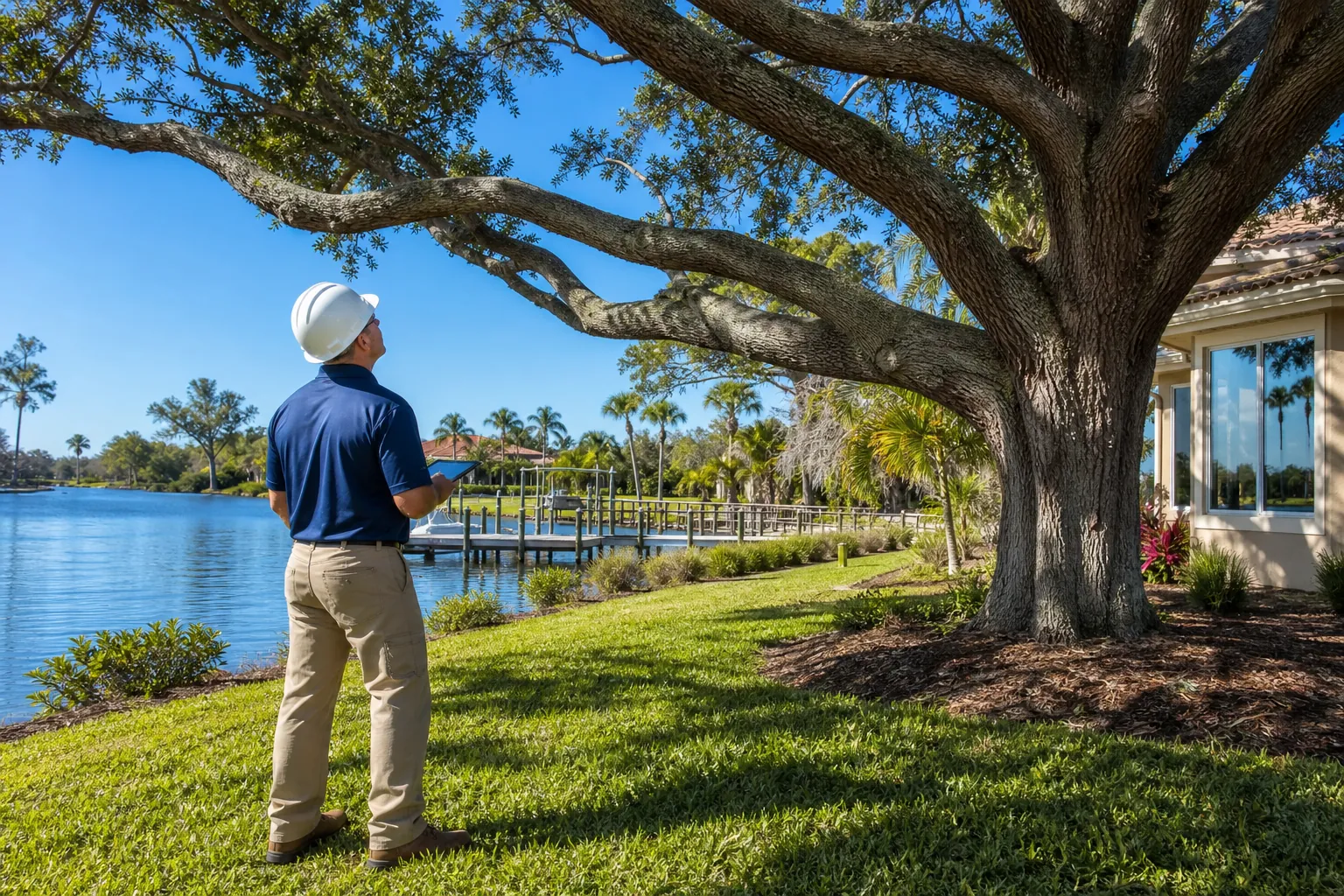
Selling a waterfront home involves decisions about more than the building itself. Mature trees, overhanging limbs, exposed roots, old stumps, and dense canopies can affect how buyers view the property. A tree inspection gives a Palm Coast seller practical information before listing, negotiating repairs, or arranging tree work. It can also help separate visible maintenance needs from issues that deserve closer professional attention.
Understand What Buyers May Notice Outside
Prospective buyers often form an opinion as soon as they reach the property. They may notice limbs near the roof, trees leaning toward structures, dead branches, crowded growth, or roots near visible improvements. On a waterfront lot, they may also look closely at trees exposed to wind and weather. These observations do not automatically mean a tree needs removal, but unanswered questions can complicate conversations during a sale.
A tree inspection can document current conditions and help the seller understand which concerns are cosmetic, which may be addressed through maintenance, and which warrant further planning. This information supports a more organized approach than scheduling work based only on appearance.
Before an inspection, walk the grounds and note anything that could draw a buyer's attention. Include hanging limbs, broken branches, cavities, sparse foliage, trunk damage, lifting soil, and trees close to the home or other structures. Share those observations during the inspection so they can be considered directly.
Schedule the Inspection Early in the Process
Timing matters when preparing a home for sale. An early inspection gives the seller time to review findings, confirm local requirements, and decide whether any recommended work fits the sale plan. Waiting until a buyer raises a concern can create pressure during negotiations and leave less time for thoughtful decisions.
Consider arranging the inspection before listing photos, exterior cleanup, or major landscaping changes. That sequence helps avoid spending time on work that may need to be adjusted later. It also allows tree trimming, canopy thinning, crown reduction, tree removal, or stump grinding to be considered in the context of the entire property rather than as isolated tasks.
An inspection is not a promise that future weather will not affect a tree. Instead, it provides a professional review of conditions visible at the time. Sellers can use that information to prioritize work, retain relevant documentation, and answer buyer questions more clearly without overstating what an inspection can establish.
Prepare Useful Information for the Inspector
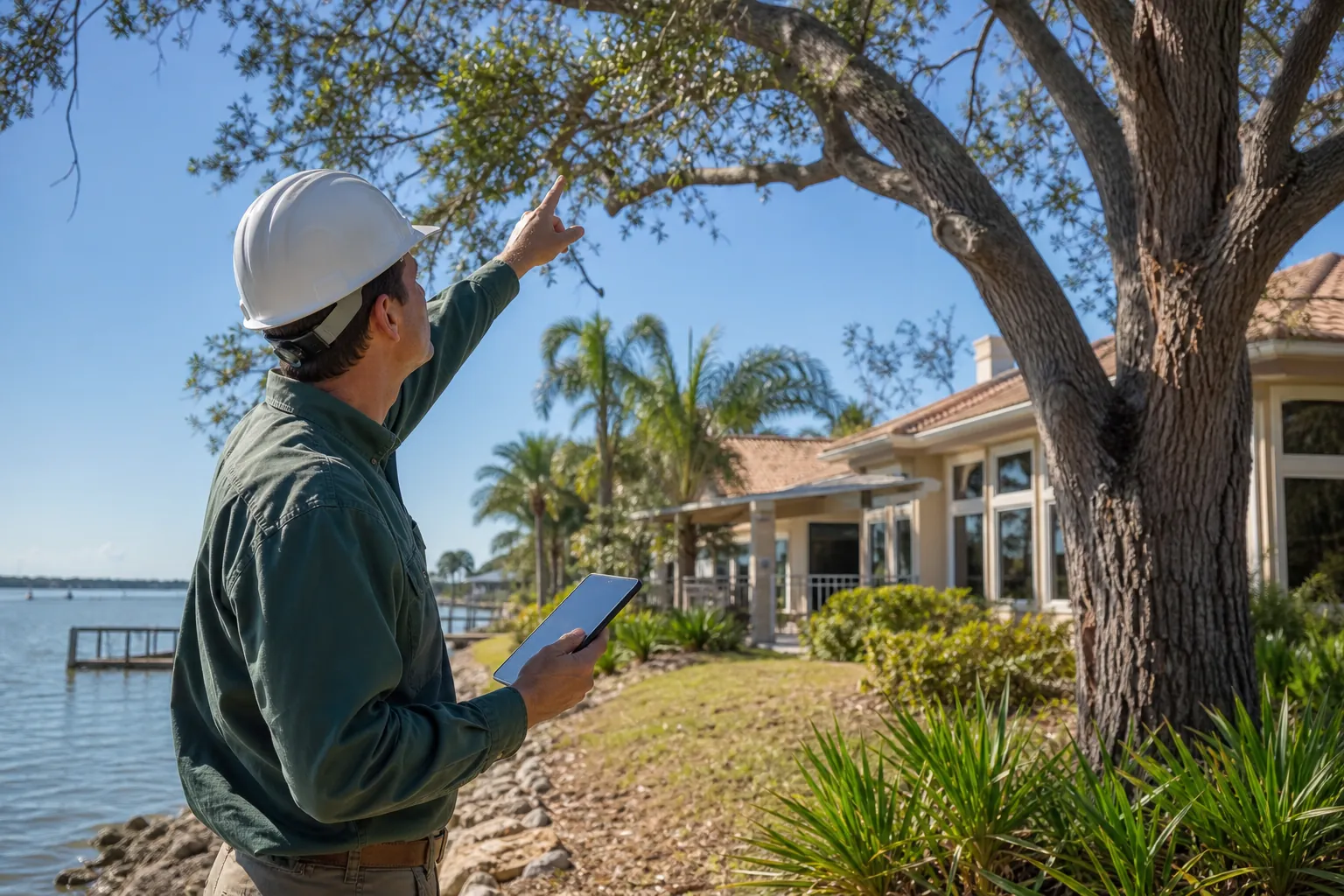
A productive inspection starts with clear access and specific questions. Remove movable items that block the base of a tree, but do not disturb roots, cut branches, or alter a suspected defect before it can be reviewed. If previous tree work was completed, gather any available records. Sellers should also mention recent storm damage, dropped limbs, changes in the canopy, or visible movement in surrounding soil.
Use a simple preparation list:
- Identify trees that concern you, the buyer, or a real estate professional.
- Note branches near roofs, access areas, utility lines, fences, or neighboring property.
- Record recent changes such as cracking, leaning, declining foliage, or broken limbs.
- Gather available records for prior trimming, removal, or storm-related work.
- Ask whether an arborist report may be useful for the sale or a local review process.
Do not assume every tree issue has the same solution. The purpose of the inspection is to support decisions based on observed conditions and the seller's practical priorities.
Match Any Tree Work to the Actual Finding
After the inspection, review each finding and the reason behind any suggested action. A branch-clearance concern may call for tree trimming. A dense canopy may lead to discussion of canopy thinning, while crown reduction may be considered for a different objective. A tree identified for removal can create a separate decision about stump grinding. Some properties may require crane tree removal because of site constraints, but that should not be assumed without evaluating the location.
Waterfront sellers should also avoid treating removal as the default answer. The appropriate next step depends on the individual tree, its condition, its surroundings, and the seller's plans. If work is proposed, ask what problem it addresses and whether access, debris handling, or nearby structures affect the approach.
When storm damage creates an immediate concern, emergency or hurricane tree removal may be relevant. Even then, property owners should avoid standing beneath damaged limbs or attempting hazardous work themselves. Keep people away from the affected area while arranging an appropriate review.
Confirm Local Requirements Before Authorizing Work
Tree rules can vary by city, county, property designation, and the type of work planned. Waterfront conditions or community requirements may add questions that are not obvious from the tree alone. Before authorizing removal or significant work, confirm current requirements with the appropriate city or county. If the property belongs to an HOA or condo association, review its approval process as well.
Do not rely on assumptions based on work completed at another property. Ask whether an application, supporting information, or an arborist report may be required. Keep copies of relevant approvals and completed reports with the sale records. Sellers who want a broader introduction to this issue can read about protected tree removal permit requirements, while recognizing that they must confirm the rules that apply to their Palm Coast property.
This step helps the seller coordinate tree decisions with listing plans and closing timelines. It also reduces the chance of beginning work before understanding the applicable review process.
Discuss a Tree Inspection Before You List
If you are preparing to sell a waterfront home in Palm Coast, Florida Foliage can discuss tree inspections, arborist reports, and related tree care needs. For a calm conversation about the property and practical next steps, call (386) 481-7913.
Call (386) 481-7913 to talk through next steps.