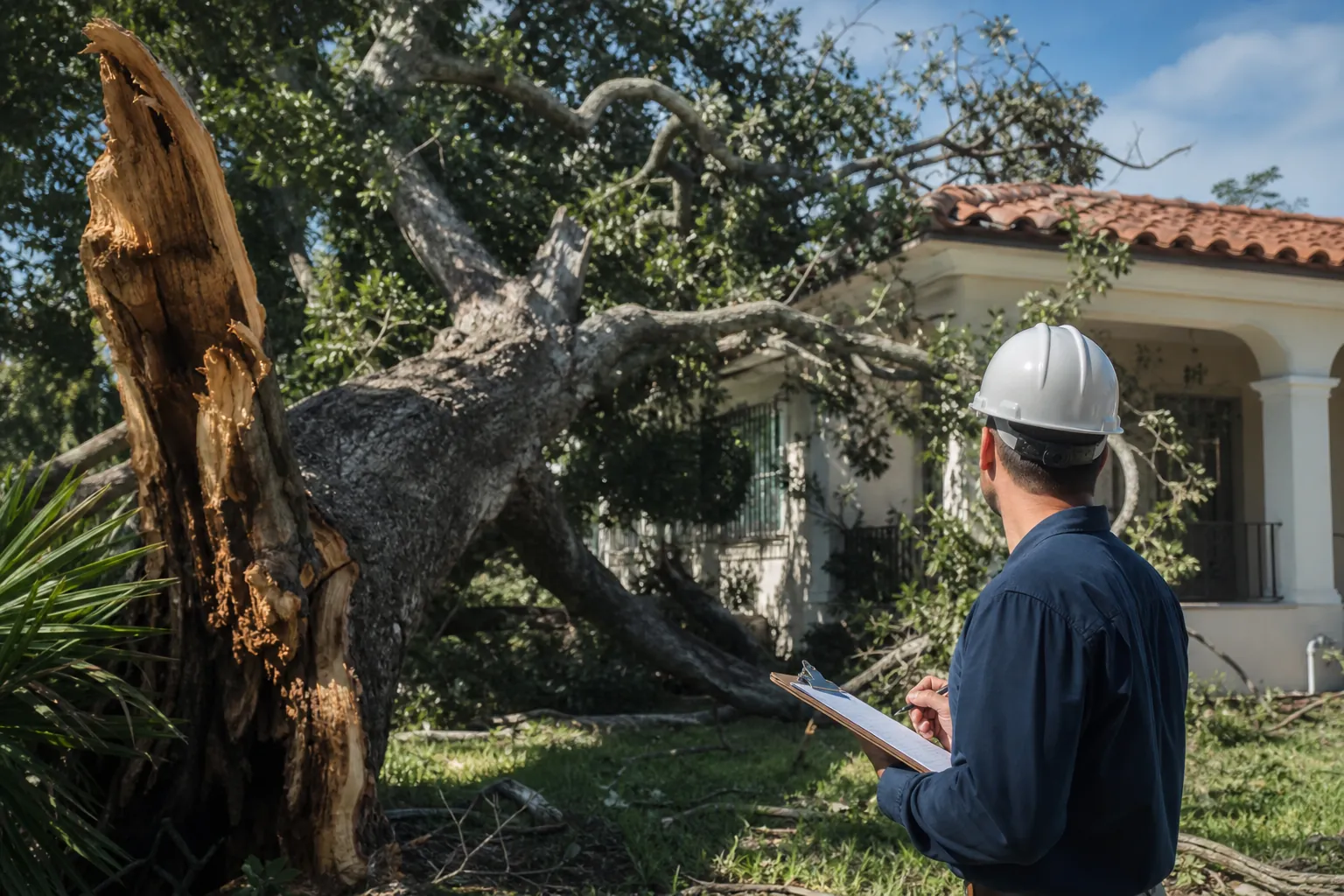
After a storm, damaged trees can create urgent questions: Is the tree stable? Should cleanup begin immediately? Will removing debris erase useful evidence? In Daytona Beach, requesting an arborist report before storm cleanup may help when tree condition, property damage, insurance documentation, or removal decisions are unclear. The practical approach is to address immediate hazards, preserve clear records, and avoid unnecessary changes until you know what information may be needed.
Request a Report When Tree Condition Is Unclear
A fallen tree is easy to identify, but many storm-related problems are less obvious. A tree may remain standing while showing a split trunk, broken leader, hanging limb, disturbed root area, or newly uneven canopy. These conditions can be difficult to evaluate from the ground, especially when rain, wind, debris, or nearby structures limit access.
Consider requesting an arborist report before broad cleanup if you cannot tell whether a tree should be retained, trimmed, monitored, or removed. A tree inspection can document observable conditions and provide a clearer basis for the next decision. This is especially useful when several trees were affected and you need to prioritize work rather than treating every tree the same way.
Do not stand beneath damaged branches or approach leaning trees to inspect them yourself. Keep people away from the affected area and take photographs only from a safe location. If there is an immediate threat to people or structures, urgent safety measures may need to come before a full written report.
Document Conditions Before Cleanup Changes the Scene
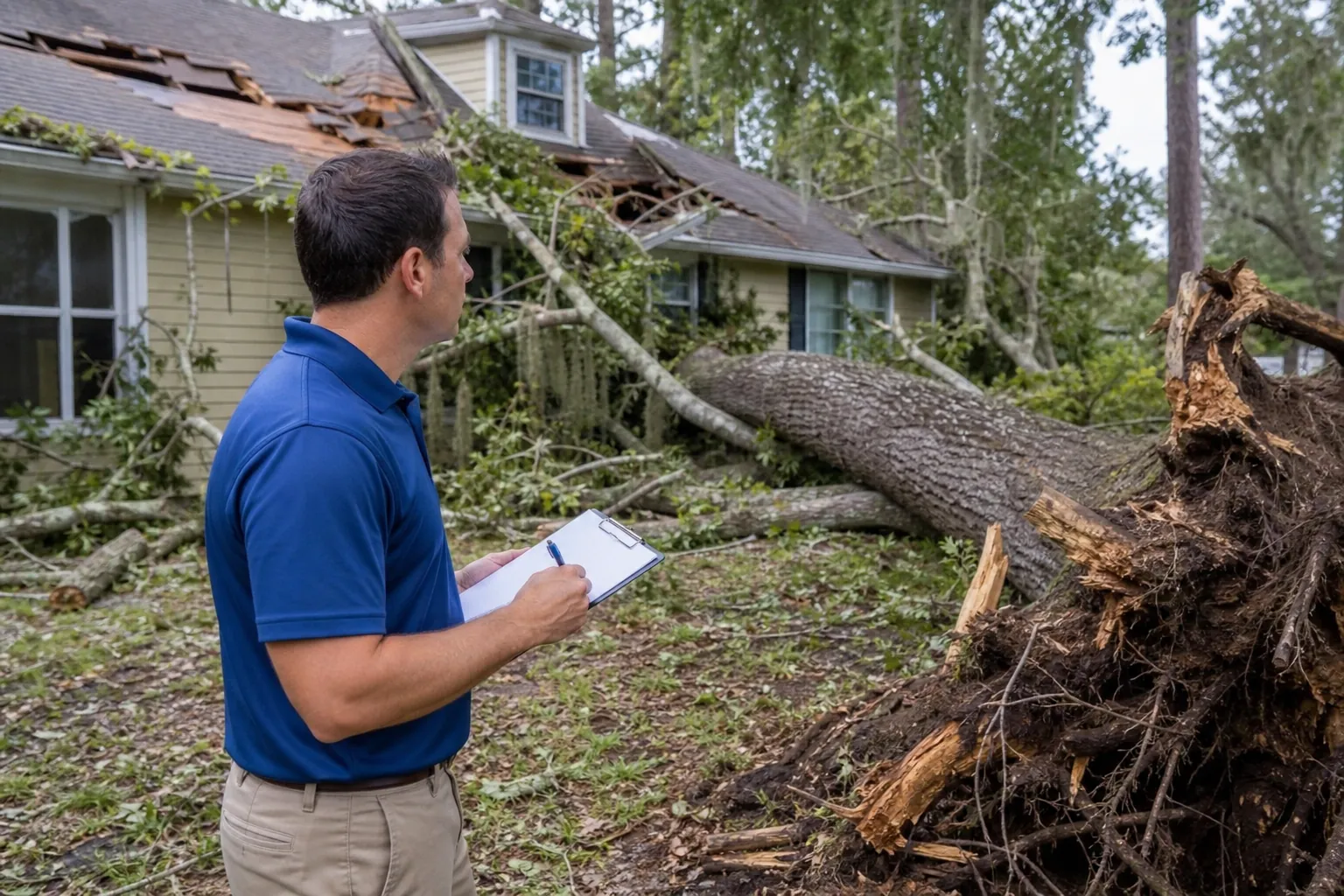
Storm cleanup can quickly alter the evidence available for review. Cutting branches, moving trunks, grinding stumps, or clearing root material may make it harder to understand what happened. Before work begins, create a basic record from safe viewpoints. Capture the entire tree, the surrounding area, visible defects, nearby damage, and the direction in which limbs or the trunk fell.
Useful documentation steps include:
- Take wide photographs showing the tree in relation to buildings, fences, vehicles, and property lines.
- Photograph broken limbs, trunk splits, exposed roots, soil movement, and impact points.
- Record the date and approximate time when damage was discovered.
- Save relevant messages, notices, and communications with your insurer or property manager.
- Ask whether inspection or written documentation is needed before nonemergency removal starts.
Never delay action when a condition presents an immediate danger. When emergency cutting is necessary, ask the crew to preserve reasonable photographs of the condition before and during the work, provided documentation can be completed without compromising safety.
Check With Your Insurer Before Nonurgent Removal
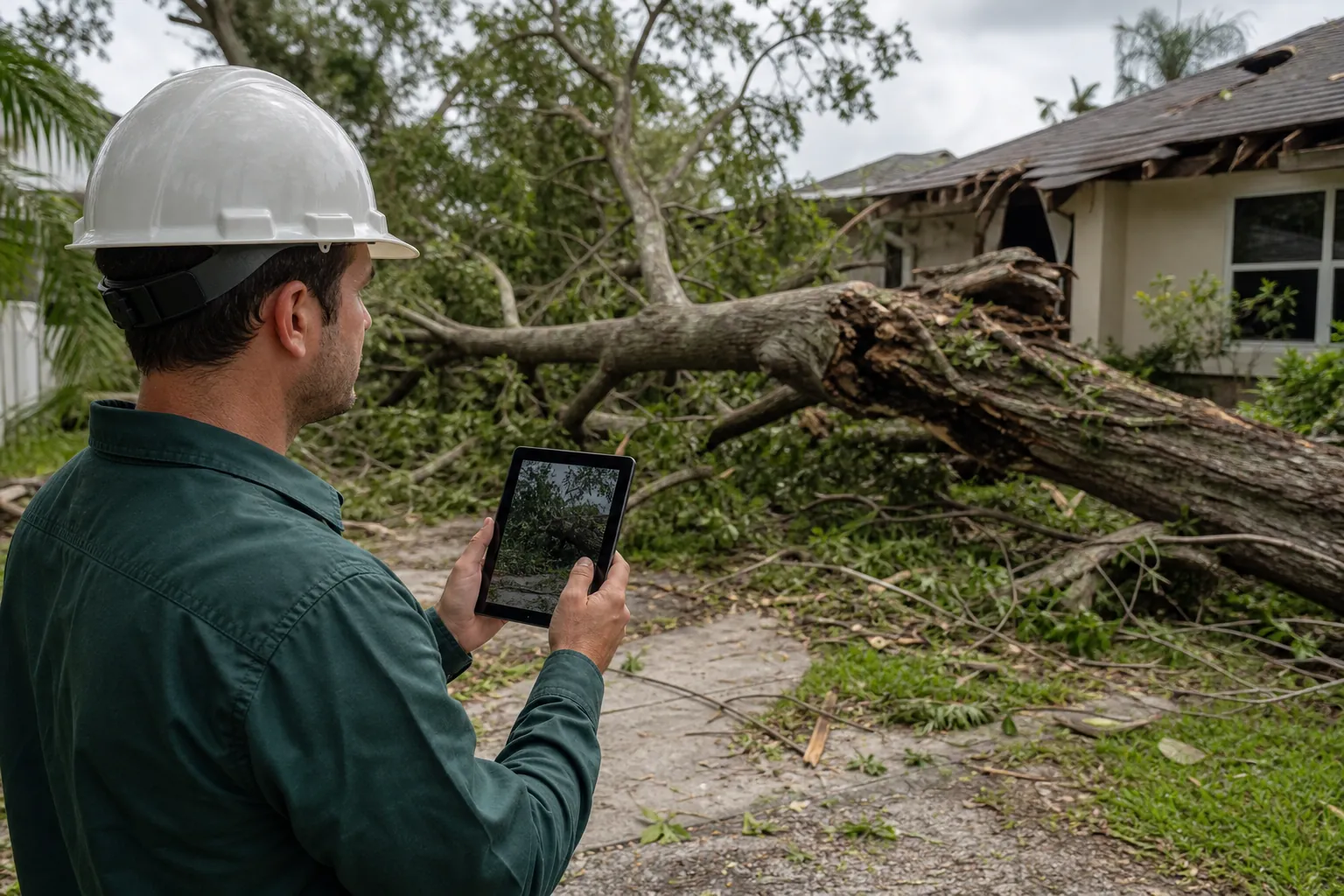
An arborist report is not automatically required for every insurance matter. Requirements can vary by policy, circumstances, and the type of damage involved. Contact your insurer or claims representative before authorizing nonurgent tree removal, extensive trimming, stump grinding, or disposal. Ask what photographs, estimates, inspection findings, or written reports they want and whether they need to inspect the site first.
Keep the conversation specific. Explain whether the tree is standing, leaning, uprooted, split, or resting on a structure. State whether access has been restricted and whether temporary work is needed to prevent further damage. Request written confirmation of any documentation instructions when possible.
A report may be particularly useful when the cause or timing of damage is disputed, the tree had a prior concern, multiple properties are involved, or the recommended scope of work needs support. However, the insurer decides what documentation it accepts. An arborist report informs the tree-related decision, but it does not replace your policy terms, the claims process, or advice from the appropriate insurance professional.
Confirm Local Requirements Before Removing a Tree
Insurance approval and local authorization are separate issues. Depending on the property and circumstances, tree removal or substantial pruning may be subject to city, county, community association, or property management requirements. Storm damage does not necessarily eliminate every review step. Before nonemergency work begins, confirm current requirements directly with the applicable city or county and check any HOA or condo rules.
If officials, an association, or a property manager request evidence of the tree's condition, an arborist report may provide organized documentation. Ask what information the reviewing party expects and whether photographs, a site plan, or another form must accompany the request. Do not assume that a report itself serves as authorization.
Requirements also vary between communities. Readers comparing nearby procedures can review this practical overview of protected tree removal permit requirements in DeLand, then verify the rules that apply to their own Daytona Beach property. Confirming requirements before cutting can prevent avoidable confusion while keeping urgent safety needs clearly separated from routine cleanup.
Choose the Right Sequence for Inspection and Cleanup
A clear sequence helps property owners avoid rushed decisions. First, restrict access around damaged trees, suspended branches, and unstable debris. Contact emergency services or the appropriate utility when conditions involve immediate public hazards or utility lines. Do not touch a tree or branch that is in contact with a line.
Second, photograph conditions from safe positions and notify your insurer if property damage may be involved. Ask whether a site inspection or arborist report is needed before work proceeds. Third, check general city, county, HOA, or condo requirements for nonemergency removal. Fourth, arrange a tree inspection when the condition, recommended action, or documentation need remains uncertain.
Once the necessary information is gathered, define the work clearly. Depending on the actual condition, that may involve tree trimming, canopy thinning, crown reduction, tree removal, crane tree removal, stump grinding, or emergency and hurricane tree removal. Each decision should respond to the observed site conditions rather than a one-size-fits-all assumption. Keep copies of reports, photographs, authorizations, work descriptions, and related communications together for future reference.
Discuss Whether an Arborist Report Is Appropriate
If you are deciding whether to inspect, document, trim, or remove a storm-damaged tree in Daytona Beach, Florida Foliage can discuss arborist reports and tree inspections with you. For calm, practical guidance about the next step, call (386) 481-7913.
Call (386) 481-7913 to talk through next steps.