Reviewed by Clinton Funk
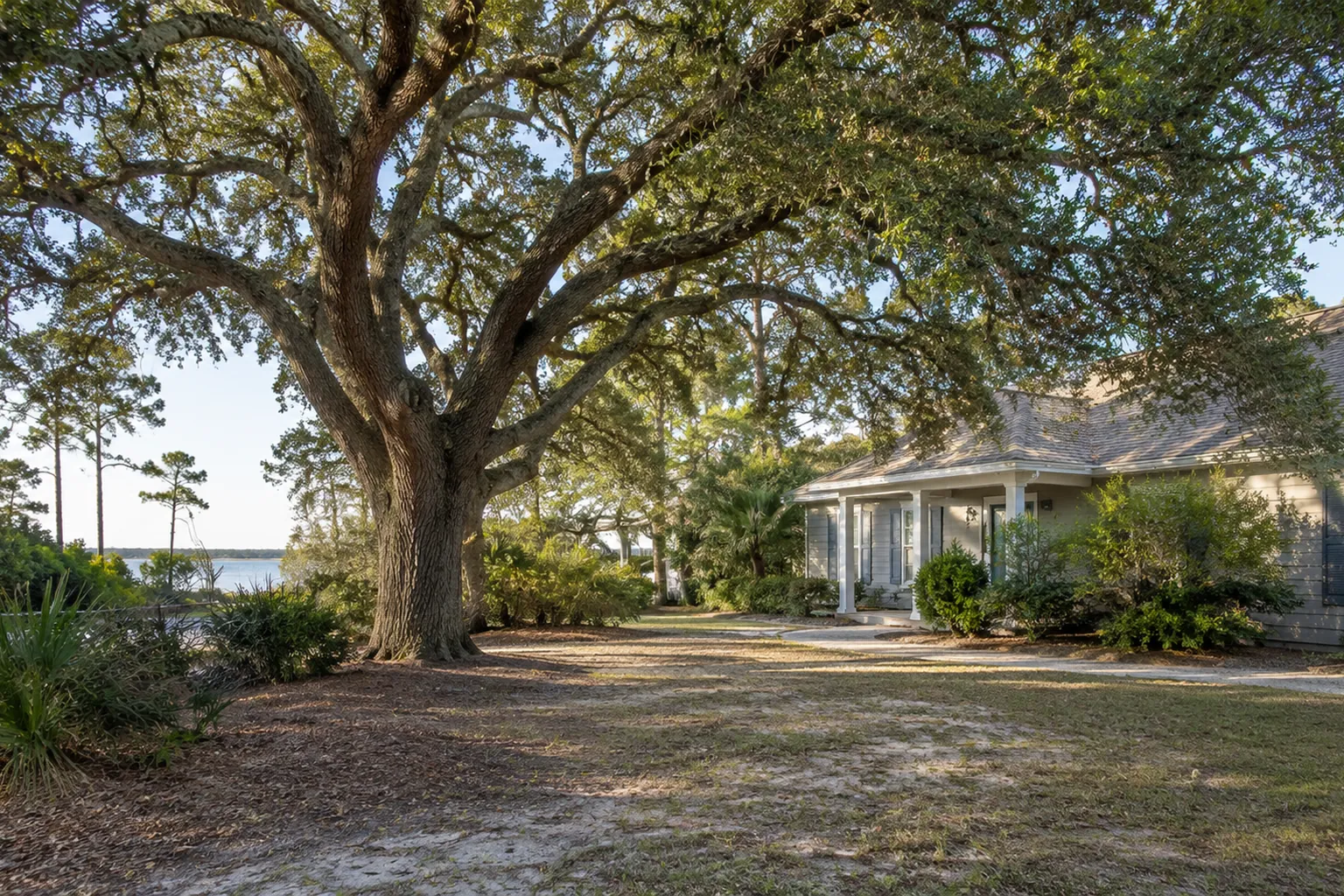
Choose replacement trees in Pensacola by matching the tree to the site. Compare mature size, open soil, drainage, salt exposure, and future care. UF/IFAS says to check the site before choosing a species. A strong wind rating alone cannot settle that choice. UF/IFAS site selection guidance.
Use current official information before planning tree work. Check the National Hurricane Center advisory and NWS Mobile for current forecasts. Follow local officials for access and emergency instructions. Forecasts do not establish damage at a particular property.
This guide concerns planning after the storm, once access is safe. It does not report damage in Pensacola. Start with a short list of questions before buying trees.
What should you settle before planning a replacement?
Begin with the work that must come before a nursery visit. Use the regional hurricane cleanup guide to organize recovery questions. Read the tree removal when the former planting spot needs review. Keep removal decisions and new planting choices on the same sketch.
Call a professional for tree or site assessment. This article covers planning records and the proposed work scope.
Give each proposed planting spot a name on your sketch. This makes it easier to compare advice and avoid confusion later.
- Mark trees you hope to keep.
- List cleanup work that remains unresolved.
- Show possible equipment access routes.
- Note where you want shade, screening, or an open view.
Ask how cleanup will protect future planting areas. UF/IFAS says to keep heavy equipment off soil meant for trees. This helps limit soil compaction. UF/IFAS soil protection guidance.
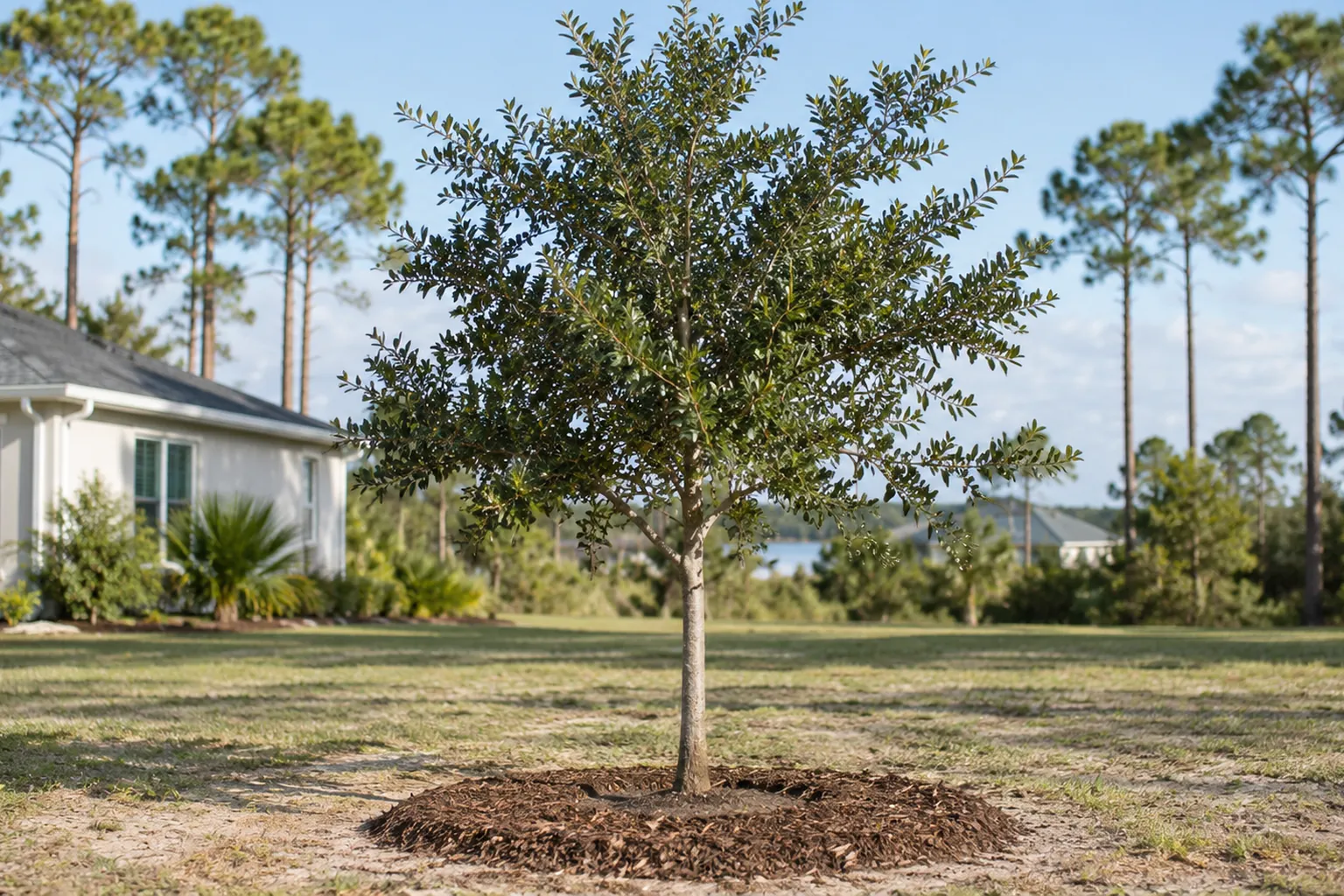
How should you choose replacement trees in Pensacola?
Use coastal-plain research to make a short list. Then ask which trees on that list fit your yard. The tree risk assessment offers context for trees you might retain. The regional recovery guide connects replacement choices with the rest of the work. Avoid choosing from a species name alone.
UF/IFAS studied tree responses to hurricanes, including storms that struck the Pensacola area. Its coastal-plain lists draw on field measurements, expert surveys, and published research. The authors warn that no species or tree is completely windproof. UF/IFAS coastal-plain wind research.
- Live oak and sand live oak: Both appear in the highest wind-resistance group. Ask about mature spread and available soil. UF/IFAS oak rankings.
- Southern magnolia and American holly: Both also appear in that group. Ask which suits the proposed location and its growing conditions. UF/IFAS species rankings.
- Baldcypress and pondcypress: Both receive the highest ranking. Their place on the list gives you a reason to discuss the site. It does not make them the right choice for every wet spot. UF/IFAS cypress rankings.
- Yaupon holly, myrtle oak, and crape myrtle: These are more choices in the highest group. Check the full size of the exact tree offered. UF/IFAS candidate list.
Keep field survival and the final ranking distinct. Wax myrtle survived Hurricane Ivan well in the study, yet appears in the medium-low group. One storm's result does not replace a review of all the evidence. UF/IFAS results and recommendations.
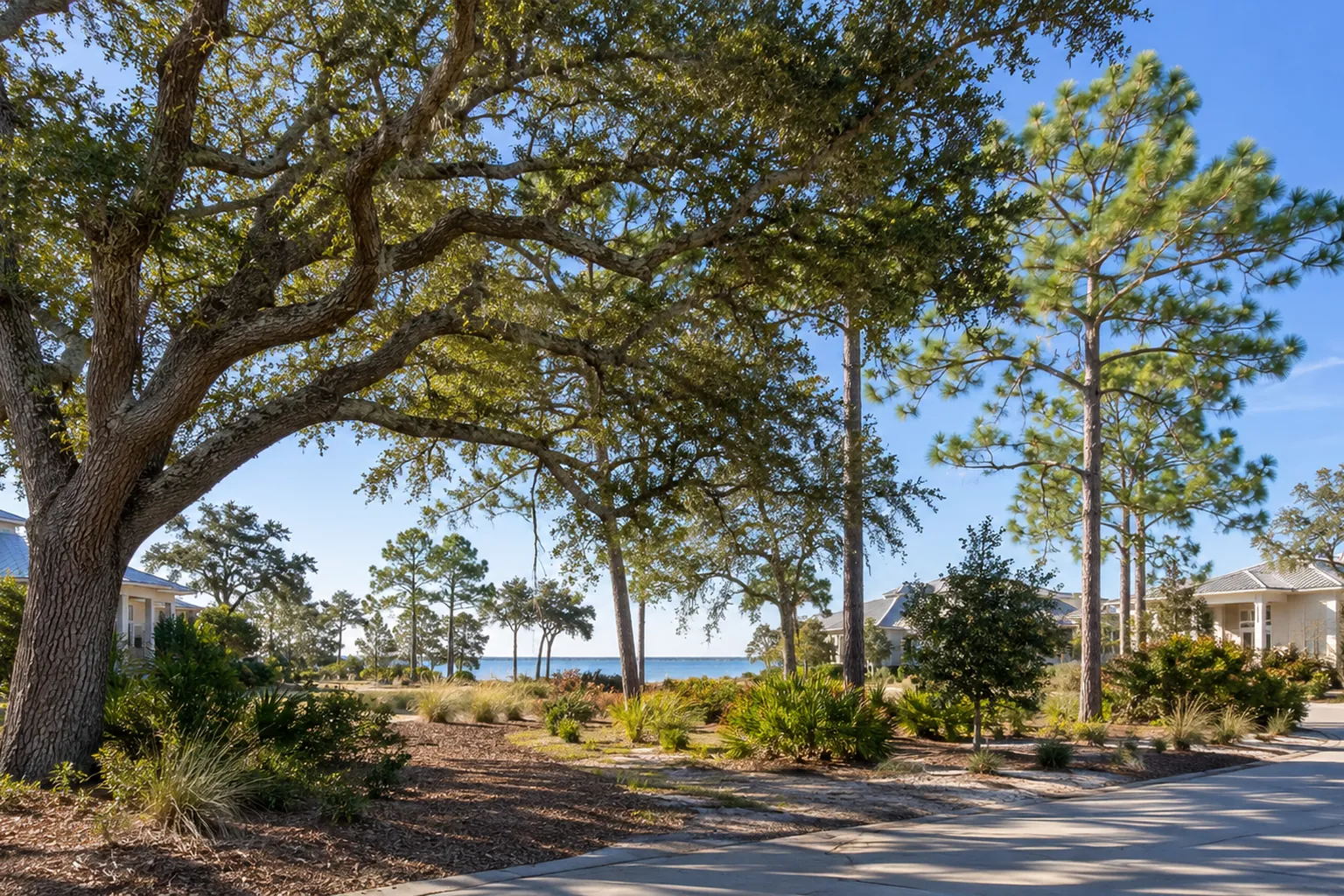
How much mature canopy and root space can your yard offer?
Draw the space you can offer before choosing the tree you prefer. The tree removal is relevant when reviewing the old location. Pair it with the tree risk assessment when planning around retained trees. Include both the space above ground and the ground below.
UF/IFAS says to match a tree's full size to the amount of soil its roots can use. Pavement can limit usable rooting space. Its guidance favors smaller trees where soil space is limited. A planting hole alone does not show the full space available. UF/IFAS rooting-space guidance.
Ask for expected mature height and spread for each candidate. Do not use the nursery tree's current size as your plan. UF/IFAS also says to check buildings, overhead wires, and lights. Look at other structures too when choosing trees. UF/IFAS above-ground site evaluation.
- Where should the future crown fit?
- Which paved edges surround the open soil?
- What space must remain clear for access?
- Are additions, fences, or driveway changes already planned?
Request a marked sketch showing the proposed tree at maturity. Ask the adviser to explain any likely conflict. Write down why you accept or rule out each spot. This written comparison helps more than a broad assurance that the tree will fit.
If a broad shade tree cannot fit, revisit the goal. You might prefer a different location or a smaller planting plan.
How should drainage and salt exposure change your shortlist?
Describe each planting spot on its own. Avoid giving the whole yard one label. The tree risk assessment provides related reading for salt concerns. The tree removal supports questions about the former tree site. Keep notes on what you have seen. Keep them separate from conclusions that still need an assessment.
UF/IFAS lists key checks for choosing trees: drainage, soil depth, salinity, pH, and root barriers. Even sandy soil can become compacted and poorly drained. A yard that looks sandy does not tell you how well it drains. UF/IFAS below-ground site analysis.
Airborne salt and saltwater flooding deserve separate questions. UF/IFAS describes salt spray injury to foliage and twigs. Its storm recovery guide also notes that salt damage from surge can cause major tree dieback. UF/IFAS airborne salt guidance; UF/IFAS surge-related salt damage.
- Note where water has gathered during ordinary rain.
- Record any known saltwater entry after the storm.
- Mark areas used for vehicle access or debris storage.
- Ask what soil checks would help narrow the choices.
For a wet site, ask about baldcypress or sweetbay as possible candidates. UF/IFAS identifies both as wet-site-tolerant trees. That does not mean they fit every site with standing water. UF/IFAS wet-site examples.
Keep the final choice open until the adviser explains the drainage findings.
When is the site ready for a planting decision?
Choose a planting date only after the main questions have answers. The regional cleanup guide helps you list unfinished work. Use the storm damage tree removal page when asking about hazard work. Set a time to review the plan. Do this before you order nursery stock or book the planting work.
- Confirm access. Follow local officials' instructions before returning for planning. NWS Mobile directs residents to local emergency management for evacuation and shelter information. NWS Mobile safety instructions.
- Review remaining work. List removal, stump work, and other projects still being discussed.
- Confirm the location. Ask for the mature-size and soil-space review in writing.
- Resolve open questions. Record who will assess drainage, salt concerns, and utilities.
- Agree on care. Name the person who will handle watering and follow-up visits.
Ask the installer what would cause a delay. Put those conditions beside the proposed date. A shared checklist helps you judge whether the site is ready. You do not have to pick a waiting period without a clear reason.
You can split the work into stages. Settle one planting area first if that makes the decisions easier to manage. Keep other locations on the sketch for later review.
What should you ask before buying and caring for a tree?
Bring your site notes to the nursery or planting consultation. The tree risk assessment is useful related reading for retained trees. The storm damage service page provides another place to frame questions about unfinished work. Before you agree to buy, ask for a clear plan for planting and care.
UF/IFAS says the water you can supply affects both species choice and the size of nursery stock. If you cannot supply water for the full time needed to establish the tree, it recommends smaller stock. If you want to buy a larger tree, ask more about its care needs. UF/IFAS irrigation and stock-size guidance.
Ask the supplier to explain the tree's identity and condition. Request written instructions suited to the chosen tree and site. Leave technical planting choices to the installer. Avoid filling gaps with a general planting recipe.
- Confirm the species and any named cultivar.
- Ask how the proposed tree was inspected.
- Request a site-specific watering plan.
- Clarify who answers care questions after planting.
- Keep the purchase and installation records together.
Include pruning in the discussion. UF/IFAS says a tree's form affects its care needs. Spreading crowns may need structural pruning from time to time. Ask what future care the proposed selection will require. UF/IFAS tree form and maintenance guidance.
Choose a care plan you can carry out. Arrange help before you buy if you lack time for the proposed care.
Frequently Asked Questions
Account for the retained trees' future care, shade and root competition when comparing replacement locations. Use the regional hurricane recovery guide and hurricane tree removal page for related context.
UF/IFAS says restoration often requires more than one pruning visit. Tree age, species, health, size, and damage affect recovery. A tree you keep may need care after the first cleanup is done. UF/IFAS restoration planning.
Plan with care when placing new trees beside the canopy of trees already there. UF/IFAS notes that shade and root competition can limit growth between established trees. Ask how those conditions affect each proposed replacement spot. UF/IFAS existing-tree considerations.
Discuss a range of suitable species rather than repeating one choice everywhere. UF/IFAS recommends a mix of species to spread storm risk. It stresses that where you plant and how you care for trees still matter. UF/IFAS diversity guidance.
Keep one record for each planting location. Include the chosen species, reason for selection, care contact, and unresolved questions. Review it before later yard projects change the space.
Common replacement-tree questions
Is live oak guaranteed to survive the next hurricane?
No. UF/IFAS puts live oak in its highest coastal-plain wind-resistance group. It also warns that no tree is completely windproof. Soil, health, age, care, and storm conditions still affect outcomes. Use the ranking to start a site review rather than treating it as a survival guarantee. UF/IFAS wind-resistance limits.
How should replacement planting fit the work plan?
Ask the provider to identify the trees, tasks, access needs, hauling, and excluded work in writing. Compare that list with your own notes before signing. Keep later care separate from the first cleanup visit. Ask for reasons tied to each tree rather than treating a general storm guide as a work order.
Can a replacement use the former tree's location?
Keep that location as an option until it has been assessed. UF/IFAS says to review soil depth, drainage, root barriers, and the amount of soil roots can use. Do this before choosing trees. Ask the adviser to compare the old spot with another location. Write down which conditions favor each choice before booking installation. UF/IFAS site evaluation.
Does a good wind ranking mean salt tolerance?
No. Do not use a wind ranking to settle a separate salt question. UF/IFAS treats salt exposure as part of site evaluation and describes injury from airborne salt. Ask whether the exact tree you are considering suits the salt exposure at your planting spot. Include any known saltwater flooding after a storm. UF/IFAS salt evaluation.
Should a damaged palm be replaced right away?
No. UF/IFAS palm guidance says survival cannot be predicted unless the trunk is broken or damage to the growing bud is clear. Signs of recovery can take at least six months to appear. Damaged leaves alone do not decide removal. Ask a qualified tree professional to assess the individual palm, its trunk, bud, and site before choosing replacement.
Related Reading And Scope
See the Pensacola tree guide and tree risk assessment guide for related background.
Use the Pensacola storm cleanup checklist to organize the first steps. The Emerald Coast tree cleanup guide covers the wider Florida coast.
For related reading, see the Pensacola tree guide and tree removal guide. For a property outside Volusia or Flagler County, contact a local tree professional.
Florida Foliage is a Daytona Beach tree service that works with an ISA Certified Arborist consultant. For a property in Volusia or Flagler County, call (386) 481-7913 to request an estimate.
Drafting disclosure: This article was drafted with AI assistance using public sources. It does not independently verify live forecasts, site conditions, pickup notices, or insurance coverage. Check current details with the responsible agency or a qualified local professional.
Call (386) 481-7913 to talk through next steps.