Reviewed by Clinton Funk
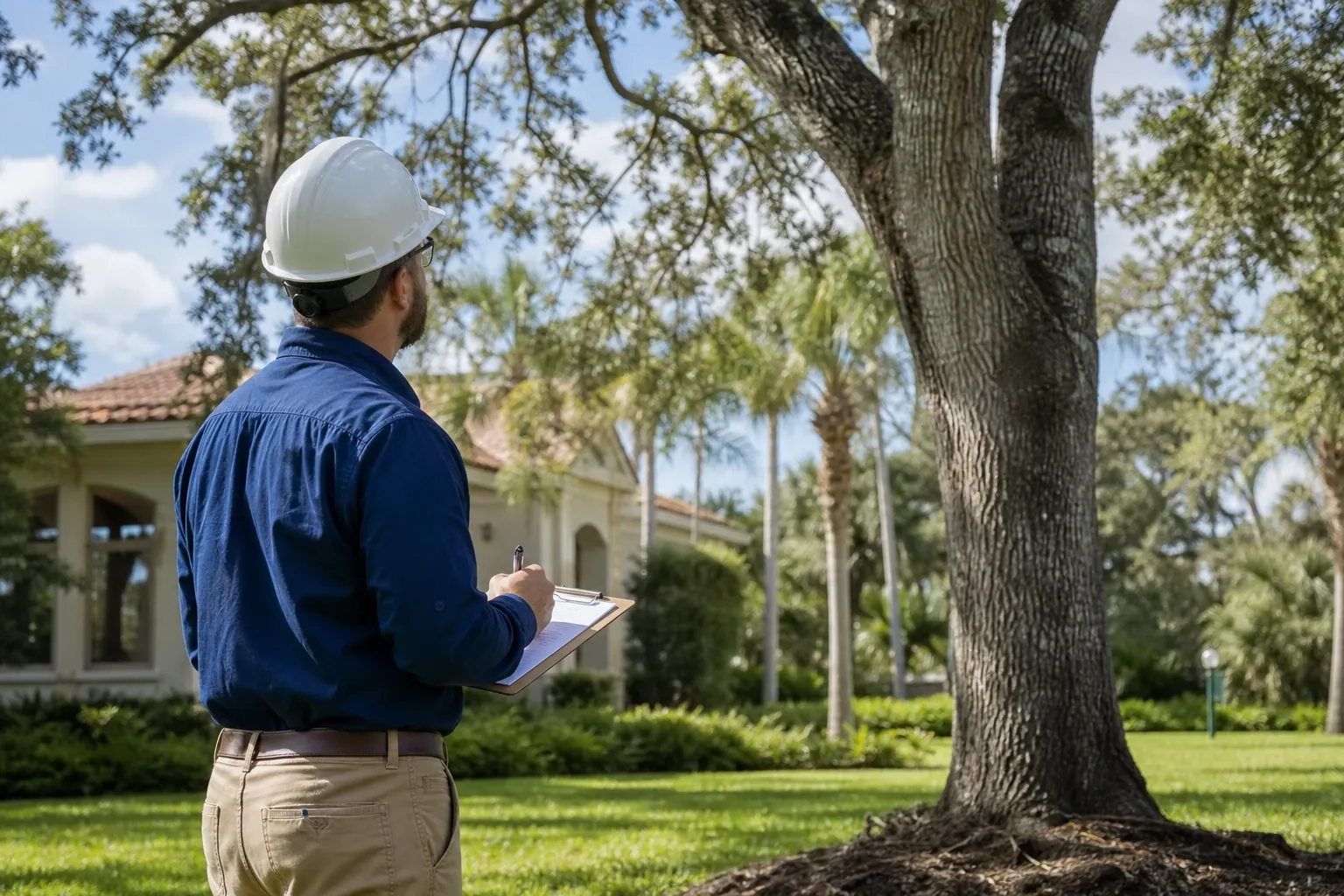
An arborist report can help explain why a Florida tree should be retained, trimmed, monitored, or removed. But obtaining a report does not necessarily mean you can rely on it indefinitely. Trees change, storms occur, and the requirements of the office reviewing your documentation may differ from what you expected.
If you are researching arborist report validity for Florida tree removal, separate two questions: Does the report still describe the tree accurately, and will the relevant authority accept it for your proposed work? A report can be useful background information while still needing an update before a removal decision.
There is no single expiration period you should assume applies to every Florida arborist report. The answer depends on the report’s purpose, its findings, changes at the property, and any applicable requirements. This guide explains how to evaluate an existing report and prepare documentation that supports a clear, informed decision.
What An Arborist Report Actually Documents
An arborist report records observations and professional conclusions about specified trees at a particular time. It may address tree condition, structural concerns, site conditions, potential targets, and recommended actions. Its usefulness depends partly on how clearly it identifies the tree and explains the basis for those recommendations.
A report is not simply a letter saying a tree is unhealthy. A useful assessment distinguishes visible symptoms from the significance of those symptoms. For example, a cavity may warrant closer evaluation, but its presence alone does not explain the likelihood of failure or the consequences if failure occurs.
The scope also matters. An inspection performed from the ground has different limitations than an assessment involving additional examination. Read the report’s stated methods and limitations before assuming it answers every question about the tree.
- The report should identify the property and each assessed tree clearly enough to avoid confusion.
- It should state when the inspection occurred, not merely when the document was issued.
- It should describe relevant observations and explain the recommended action.
- It should identify the author, qualifications, assessment scope, and important limitations.
- It should distinguish immediate concerns from conditions that call for monitoring or later reassessment.
These details help a property owner, contractor, association, or reviewing office understand what the report does and does not establish.
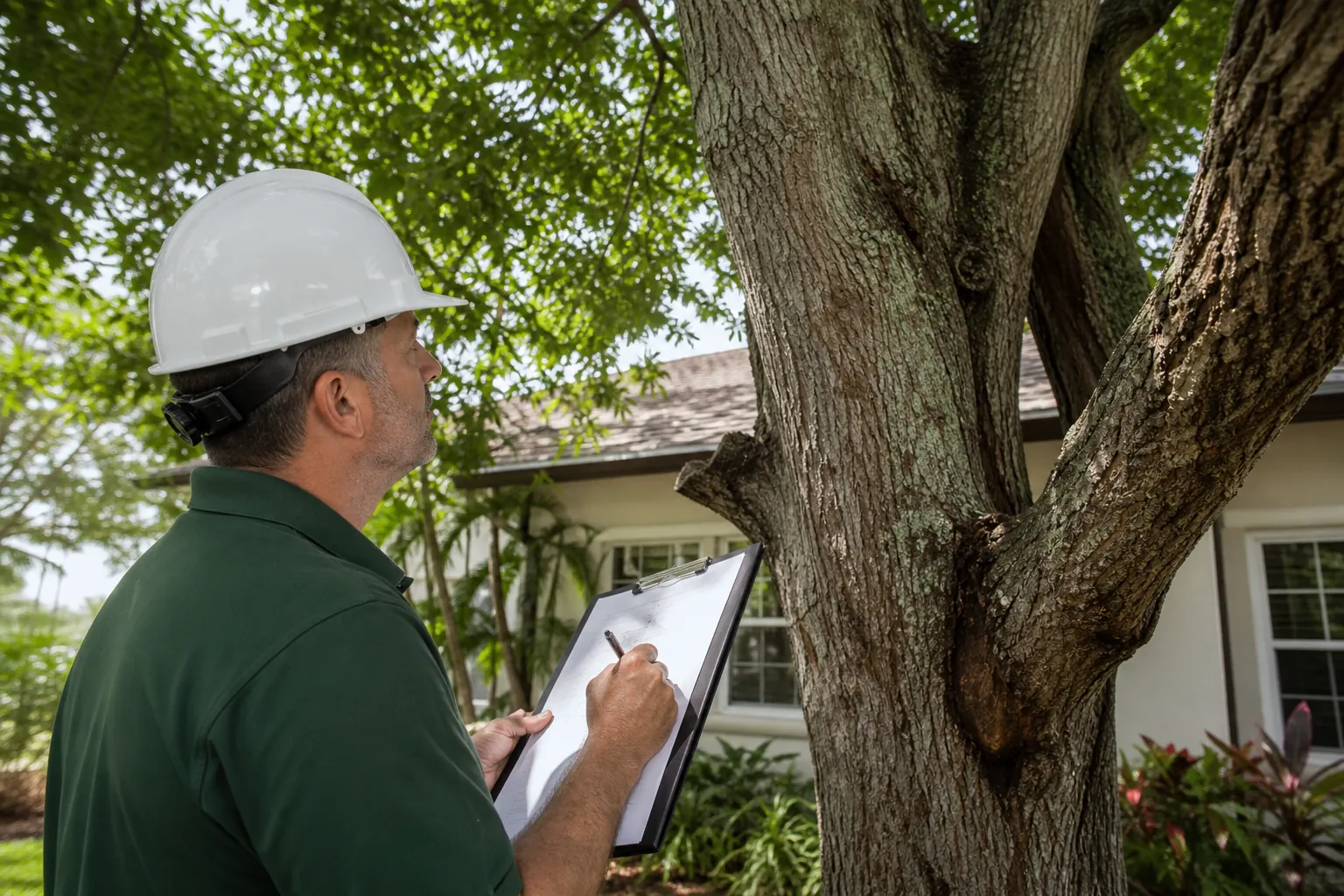
Does An Arborist Report Have A Fixed Expiration Date?
Do not assume that every arborist report in Florida expires after a set number of months. A report may contain its own reassessment recommendation, and a city or county may have documentation requirements for a particular application. Those are separate from whether the tree’s condition has changed.
A document with no printed expiration date is not automatically current forever. It records an inspection under the conditions present at that time. New damage, altered soil conditions, or a different proposed project can reduce its usefulness even when the original findings were accurate.
Likewise, an older report is not necessarily worthless. It can provide a valuable record of previous defects, photographs, recommendations, and site conditions. An arborist may use it to compare changes during a new inspection rather than starting without any history.
Think of validity in three layers. First, consider the condition of the tree today. Second, consider whether the report addresses the decision you are making now. Third, confirm whether the receiving office or organization accepts the document in its present form.
If the report recommends another inspection after a specific interval or event, take that recommendation seriously. If it does not, ask the author what circumstances would justify reassessment. Avoid treating silence about timing as permission to postpone review indefinitely.
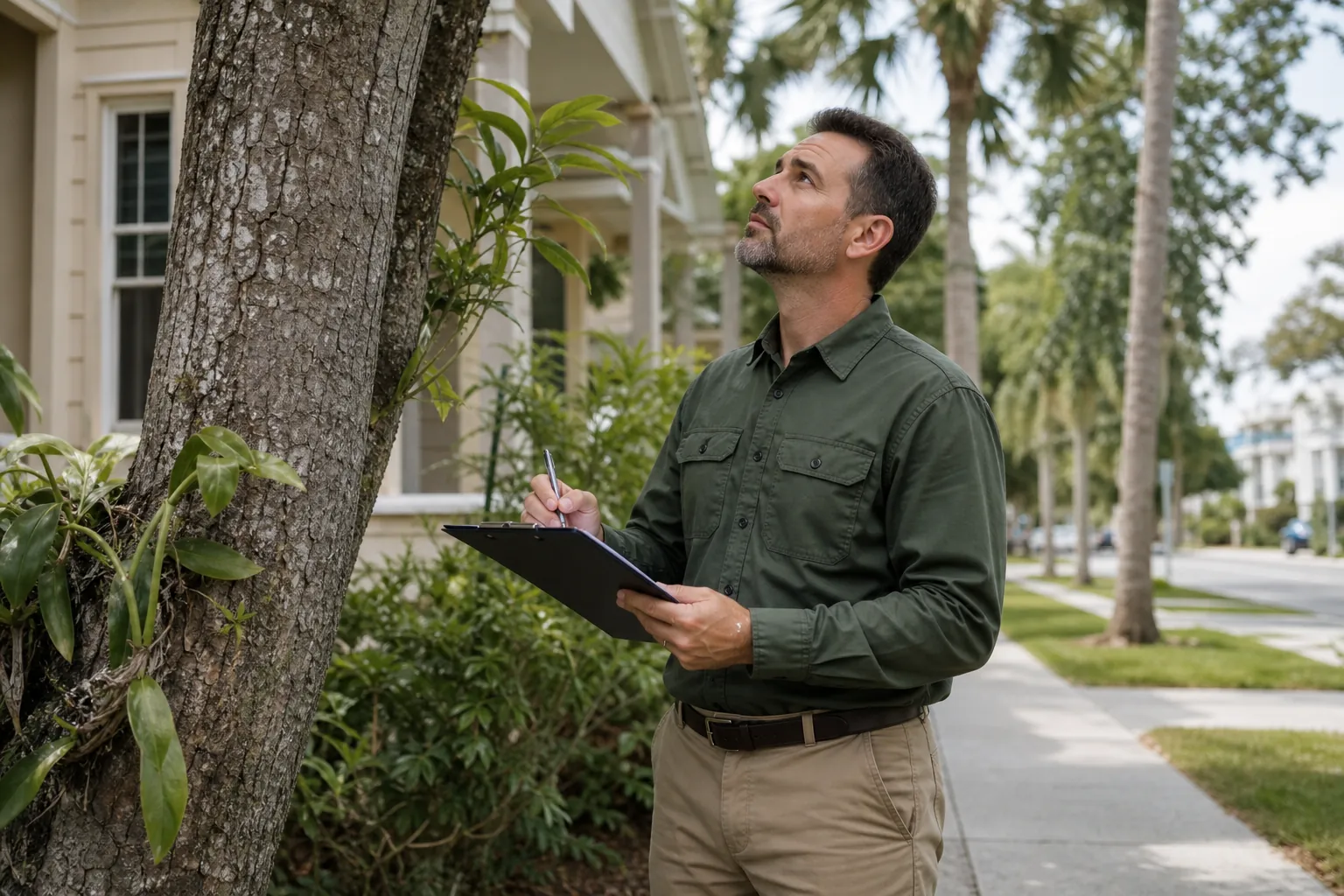
How Florida Rules And Local Requirements Affect Acceptance
Florida tree removal decisions can involve state law, local requirements, property restrictions, and environmental protections. An arborist report may support a decision or application, but it is not a universal substitute for checking which rules apply to your property.
Florida law provides certain protections for qualifying tree work on residential property when the applicable statutory conditions are met. Those conditions involve more than simply possessing a document labeled an arborist report. Property eligibility, professional qualifications, the findings in the documentation, and the circumstances of the work matter.
Do not assume that a report identifying a dead limb, declining canopy, or general concern automatically establishes a state-law exemption. The legal standard and the report’s actual conclusions must align. If you plan to rely on an exemption, verify the current law and how it applies before authorizing removal.
Special protections may also apply to certain vegetation or locations. Mangroves, for example, are subject to separate regulatory requirements. Trees near protected areas, water, or environmentally sensitive land may raise questions beyond the scope of a standard tree condition report.
- Ask your city or county which office handles tree removal questions for the property address.
- Confirm whether a permit, exemption documentation, or another review process applies to the proposed work.
- Ask whether the office requires a recent inspection, particular credentials, photographs, or a specific report format.
- Check HOA or condo requirements separately from government requirements.
- Keep a written record of the guidance you receive and any submitted documentation.
An association’s approval does not replace government requirements, and government acceptance does not necessarily resolve private restrictions. For disputed or unclear legal questions, seek qualified legal guidance rather than relying solely on a contractor’s interpretation.
Changes That Can Make An Update Necessary
The inspection date matters, but events after the inspection often matter more. Florida trees can experience changes from high winds, heavy rainfall, construction, root disturbance, or new structural damage. A report written before those changes may no longer support the same recommendation.
Storms And Newly Visible Damage
After a storm, look for changes from a safe distance. A new lean, lifted soil around the root plate, a split trunk, or a large hanging branch can justify prompt reassessment. Do not approach a tree closely to investigate unstable limbs or suspected root movement.
Not every storm automatically invalidates every report. The important question is whether the assessed tree or surrounding site experienced a meaningful change. An arborist can determine whether the previous conclusions remain appropriate or whether a new inspection is needed.
Construction And Root Disturbance
Trenching, grading, paving, and changes in drainage can affect roots and growing conditions. Soil piled over the root area or equipment traffic near the trunk may also change the assessment context. Some effects develop gradually rather than appearing immediately after the work.
If the original report predates construction, tell the arborist exactly what happened and where. Photographs, project plans, and dates can help explain conditions that are no longer visible.
Different Exposure Or Property Use
Removing neighboring trees may expose a remaining tree to different wind conditions. Adding a play area, parking space, or occupied structure near a tree can also change the potential consequences of failure.
A report evaluating a quiet corner of a property may not fully address that same location after its use changes. The tree’s physical condition and the surrounding targets both belong in the discussion.
Match The Report To The Reason For Removal
A report prepared for one purpose may not answer a different question. A general tree inspection for maintenance planning is not necessarily equivalent to documentation supporting a removal request. Similarly, a report about construction impacts may not contain a complete assessment of an existing structural concern.
Before arranging an inspection, explain what decision the report needs to support. Are you concerned about a damaged tree near a home? Are you preparing a local application? Does an HOA need documentation identifying specific trees? A clear purpose helps the arborist define the appropriate scope.
The report should also avoid ambiguity about the recommendation. If removal is recommended, the reasoning should connect the observed condition to that conclusion. If tree trimming, canopy thinning, or crown reduction is appropriate instead, those alternatives should be described in relation to the actual findings.
These services are not interchangeable solutions for every defect. Reducing a canopy may help address a particular concern, but it does not repair all root problems or trunk defects. Conversely, a tree with visible damage does not automatically require removal if an appropriate alternative can address the issue.
When the report recommends monitoring, ask what that means in practice. You should understand which changes to watch for, when another inspection is advised, and what conditions would trigger earlier review.
A Practical Checklist For Reviewing An Existing Report
Before using an older report, gather the document, available photographs, and any correspondence connected with it. Read the full report rather than relying on a summary or a single sentence recommending removal.
- Confirm that the address and tree identifiers match the property and trees involved in the proposed work.
- Check the inspection date and any recommended reassessment timing.
- Review the stated assessment methods, limitations, and areas that could not be inspected.
- Compare the current tree and site conditions with the report’s descriptions and photographs.
- Note any storms, construction, root disturbance, or changes in nearby property use since the inspection.
- Verify that the recommendation addresses your current purpose rather than an earlier project.
- Ask the receiving office or association whether additional information is required.
Then contact the report’s author when possible. Explain what has changed and what you plan to do. The author may recommend a site visit, an addendum, or a new report, depending on the circumstances and the original scope.
Do not revise a signed report yourself, remove its limitations, or reuse it for a different tree. Marking a property map for discussion is helpful, but altering professional conclusions can create confusion about what was actually assessed.
When An Addendum May Help And When To Reinspect
An addendum can sometimes clarify an existing report, identify a tree more precisely, or supply information requested by a reviewer. However, clarification is different from confirming a tree’s current condition. If conditions have materially changed, a new inspection may be necessary.
Whether an addendum is appropriate is a professional judgment for the report’s author. The receiving office may also have requirements about how updated documentation must be presented. Ask both parties before assuming a brief supplemental letter will be sufficient.
A new inspection is particularly relevant when the original assessment had limited access, the tree shows new symptoms, or the proposed work has changed significantly. It may also be sensible when considerable time has passed and the report concerns a defect that can progress.
Provide the arborist with accurate background information. Include prior reports, storm dates, photographs, construction details, and any questions from the reviewing office. Better context can help focus the inspection, although it does not replace direct observation when that is needed.
Keep the original report and any updates together. This creates a clearer record of how the findings developed and prevents an outdated recommendation from being mistaken for the latest assessment.
Using The Report To Plan Tree Work
Once the report is current enough for its purpose and applicable requirements have been confirmed, use it to define the work clearly. The crew should be able to identify the correct tree and understand whether the recommendation is removal, specified trimming, or another action.
Access and site constraints matter too. A tree near buildings, fences, neighboring property, or utility lines may require a different removal approach than one in an open area. Crane tree removal may be considered where site conditions and the work plan make it appropriate, but the report alone does not determine the equipment choice.
Discuss what happens after removal. Stump grinding is separate from evaluating the standing tree and should be addressed in the work scope if wanted. For commercial tree services and HOA and condo tree services, clear tree labels and organized records help coordinate decisions across multiple stakeholders.
If immediate damage creates a concern, emergency and hurricane tree removal may be relevant. Keep people away from the affected area and contact the utility provider when power lines are involved. Do not assume an emergency eliminates every documentation or notification requirement; confirm what applies when it is safe to do so.
Common Questions About Arborist Report Validity
Can I Use A Report From A Previous Property Owner?
It may offer useful history if it clearly identifies the same tree and property. However, check for changed conditions, limitations, and acceptance requirements. Ownership changing does not make old observations current or ensure that the report addresses your proposed work.
Does A Removal Recommendation Mean Approval?
No. A professional recommendation and an authorization are different things. Confirm with your city or county whether approval is required or whether an applicable exemption can be relied upon. Also check relevant association restrictions.
Can Photographs Replace Another Inspection?
Photographs can document visible changes and help an arborist decide what to evaluate. They may not reveal root conditions, hidden defects, or the full site context. Let the arborist determine whether photographs are sufficient for the specific question.
Get Clear Answers Before Scheduling Removal
The most useful arborist report is one that accurately describes the tree, addresses your current decision, and meets the applicable documentation requirements. Its age is only one part of that evaluation. Changed conditions and the report’s original scope can be just as important.
Florida Foliage offers arborist reports and tree inspections, along with tree removal and tree trimming. If you have an existing report or need help understanding the next step, call (386) 481-7913 to discuss your tree and property. Have the report, inspection date, and details of any recent changes available, and confirm local requirements with your city or county before work begins.
Call (386) 481-7913 to talk through next steps.