Reviewed by Clinton Funk
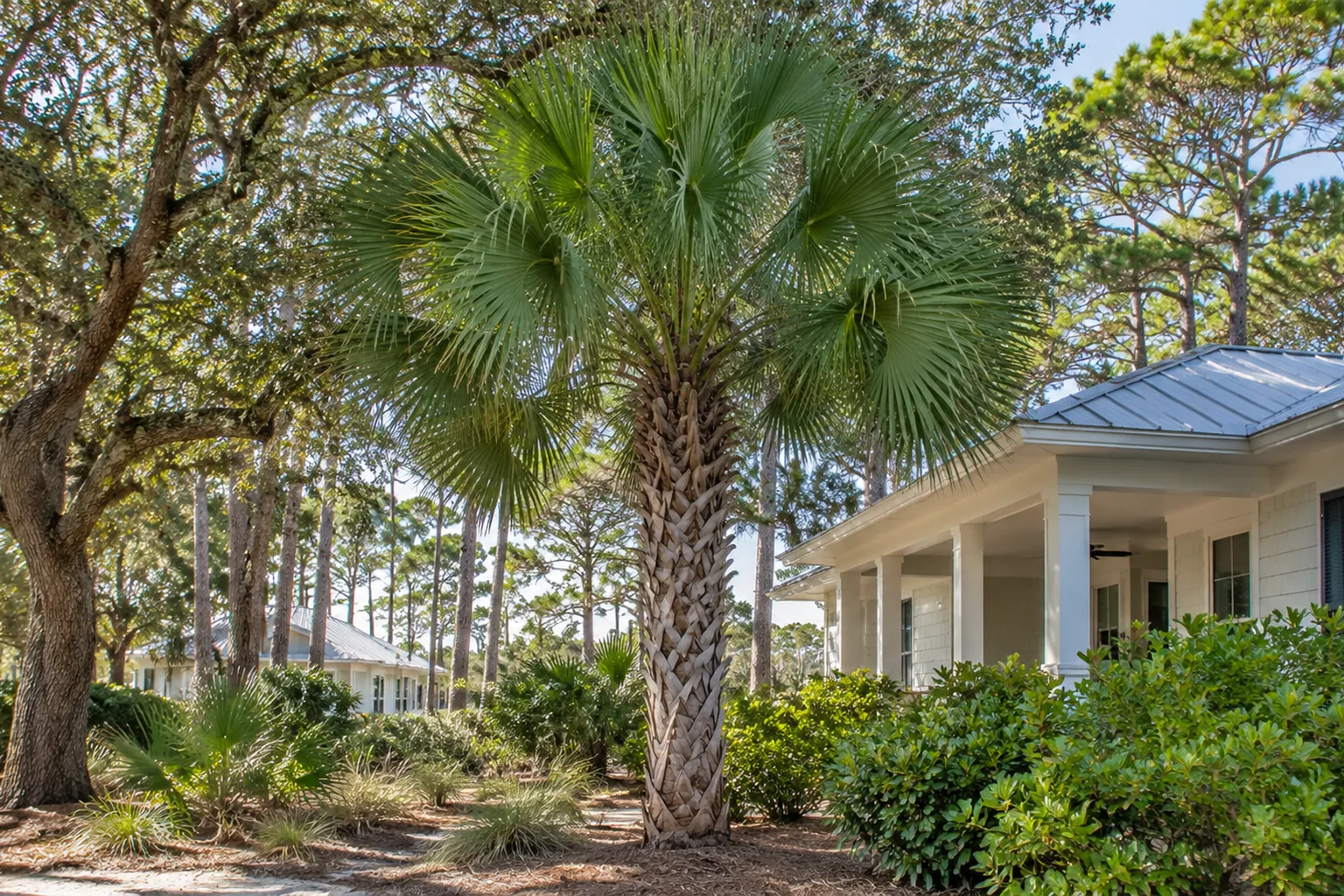
Hurricane-damaged palms in Destin may recover if their growing bud survives. New leaves emerge from that bud, so a torn crown alone cannot settle the question. UF/IFAS says recovery may take at least six months to become clear. Checks should continue over the next one to two years. Read the UF/IFAS palm recovery guidance.
On October 8, 2026, the National Hurricane Center's 7 p.m. CDT advisory reported Hurricane Isaias with sustained winds near 100 mph. It forecast landfall within the warning area late Friday or early Saturday. That was a forecast, rather than a report of damage in Destin. Read the dated NHC advisory.
Use this recovery guide after the storm, when outside conditions permit landscape care. Follow Okaloosa County emergency instructions; the supplied National Weather Service local statement directs residents to follow local officials.
What helps hurricane-damaged palms recover?
A surviving growing bud gives a damaged palm the chance to produce new leaves. Start with the Pensacola tree risk guide and palm care guidance when sorting recovery questions from urgent damage. UF/IFAS explains the bud's role in its palm care guidance. For related tree-care background, read Pensacola root recovery guide.
The bud, often called the palm heart, sits near the top of the trunk. All new leaves come from this growing point, which is surrounded by leaf bases. Severe bud damage stops new leaves from growing. The palm then dies. UF/IFAS explains palm growth and bud damage.
Broken leaves tell you that the crown suffered injury. They do not reveal the bud's condition. Unless the trunk has broken or bud injury is obvious, UF/IFAS says survival cannot be predicted from wind damage alone. An early view may be too soon to decide. See the limits of predicting palm survival.
- Describe the visible damage apart from your concern about whether the palm will survive.
- Keep earlier landscape photos with later pictures so the person reviewing them has a clear comparison.
- Ask whether the advice concerns immediate hazards, future growth, or both, and record the answer.
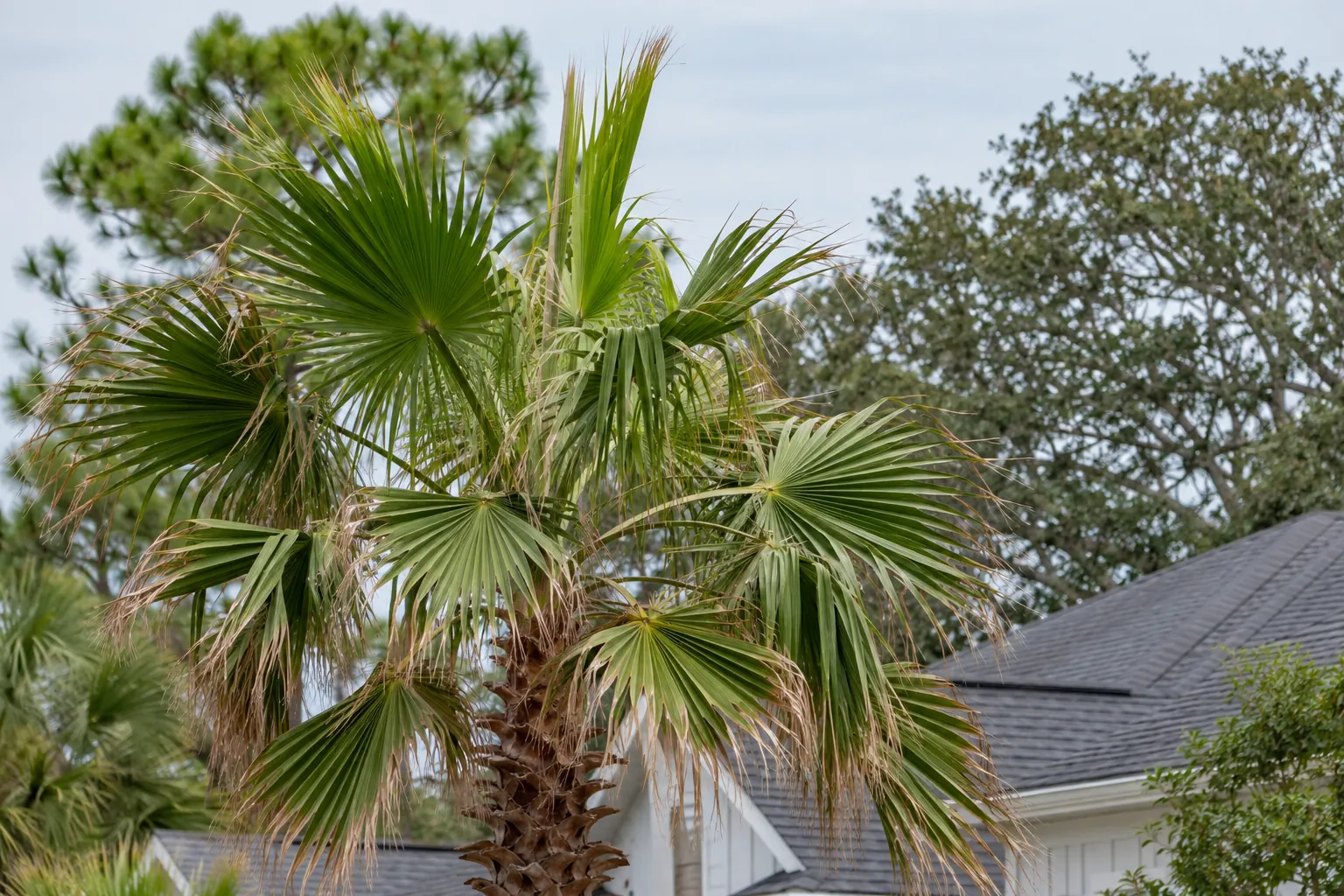
Can you test the palm heart after a hurricane?
A home test cannot reliably reveal whether the hidden palm heart survived wind damage. UF/IFAS explains that the bud is not visible or easy to reach for inspection in its hurricane-damaged palm guidance. For related tree-care background, read the Pensacola tree risk guide and Pensacola root recovery guide.
The center spear is the youngest unopened leaf, rather than the growing bud itself. It normally stands upright in the crown and opens from its tip toward its base. Its appearance can provide context, but the hidden bud is where future leaves begin. Read the UF/IFAS description of the spear leaf.
Wind can force a spear leaf open before it has fully developed. The leaf may then look pale green or yellow and regain its normal color after a few days. UF/IFAS reports this most often on royal palms, though it has been seen on other palms. See the explanation of yellow new leaves.
For recovery, the useful sign is new leaves emerging over time. Early leaves may be short, oddly shaped, or have dead edges. Each later leaf should gradually look more normal as recovery continues. UF/IFAS describes the pattern of returning growth.
- Write down what you can see, including when the center is hidden from view.
- Keep the date beside each picture, and describe changes without labeling an unseen bud alive or dead.
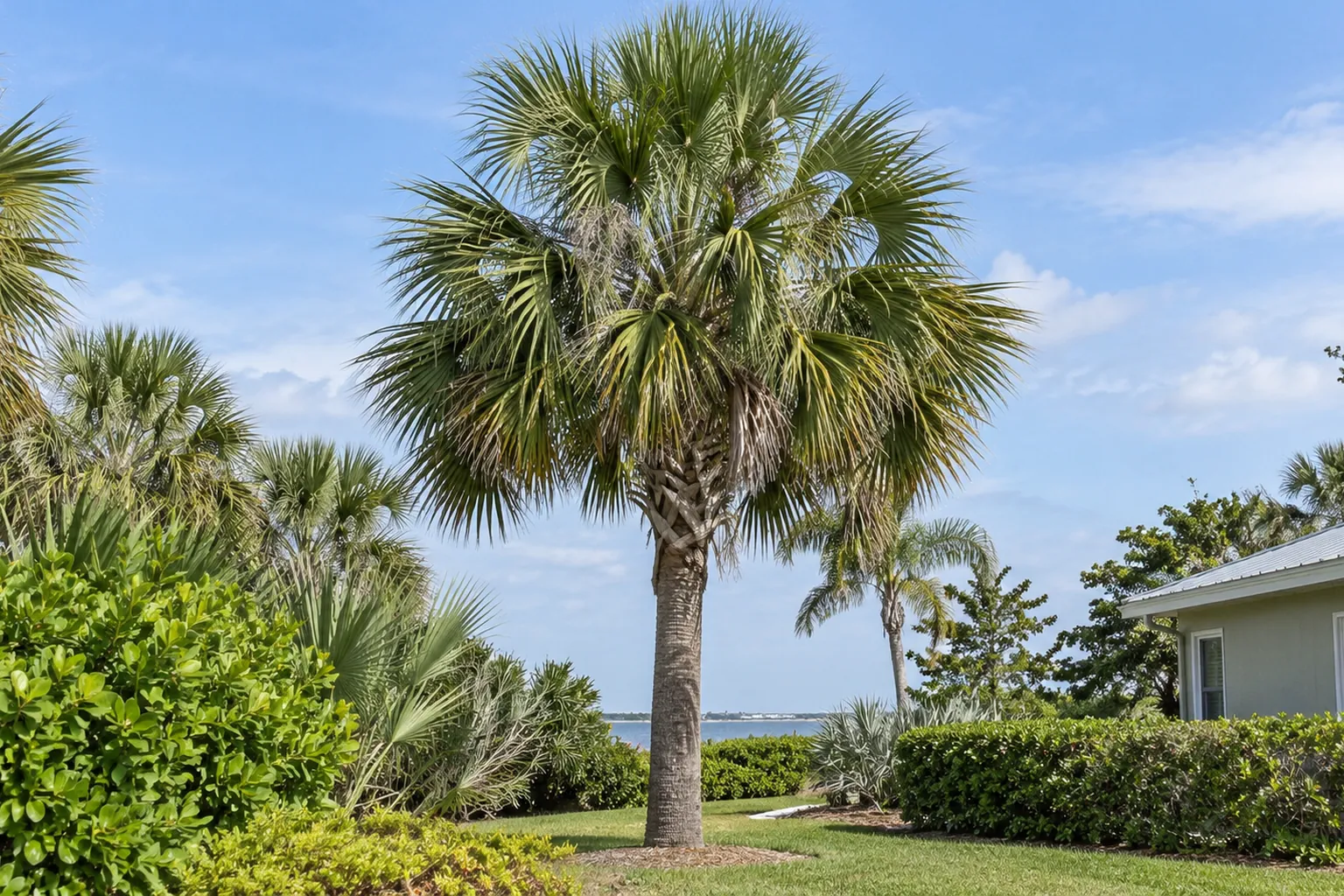
Do sabal, queen and Washingtonia palms recover differently?
Sabal, queen and Washingtonia palms need individual recovery decisions based on their actual damage. Use the Pensacola root recovery guide and Pensacola tree risk guide for related coastal context. UF/IFAS supports watching bud growth rather than predicting survival from wind damage alone. Read its palm recovery guidance.
UF/IFAS identifies native sabal palms as palms that tend to survive high winds while losing very few leaves. That is a general pattern, rather than a promise about a particular damaged palm. The same publication notes that hurricanes can damage even the most wind-tolerant palms. See the discussion of sabal palms and wind tolerance.
For queen and Washingtonia palms, keep the talk tied to the damage and later growth. The supplied palm guidance gives no distinct recovery deadline for either type. Its general advice is to allow time for new leaves and monitor damaged palms carefully. Review the shared palm monitoring guidance.
- Sabal: Record the name if known, along with photos from before and after the storm.
- Queen: Ask for a written explanation of the findings behind advice to retain or remove it.
- Washingtonia: Keep its notes distinct from nearby palms so follow-up comments refer to the right plant.
Include a planting record if you have one. If the name is uncertain, say so when requesting the review.
How long should you wait to judge recovery?
Ask a professional to set the follow-up period for your palm. The Pensacola root recovery guide and Pensacola tree risk guide offer related tree-care background. UF/IFAS gives this waiting period in its tree restoration guidance.
The palm-specific guidance says six months is a minimum, and recovery may take longer to become clear. It suggests watching damaged palms over the next one to two years. The first new leaf and a fully rebuilt crown mark different stages of recovery. Read the UF/IFAS recovery timeline.
- Start a dated record. Put your first photos, earlier landscape pictures, and the initial review notes together in one place.
- Track what changes. Note when a new leaf appears, and keep the next picture beside the earlier view.
- Record each recommendation. Write down why continued monitoring or another step was advised, including any planned follow-up date.
- Keep distinct notes for each palm. A simple name or numbered location helps prevent confusion when several palms need attention.
New fronds may first look yellow, small, or misshapen. UF/IFAS says a palm may take two years or more to regain its full set of leaves. A sparse crown during recovery therefore needs context from the growth trend. See the guidance on new fronds and crown recovery.
What care helps without removing useful leaves?
Call a professional to decide which palm leaves should remain. UF/IFAS advises preserving green fronds because they help the palm recover. Read its palm restoration steps. For related tree-care background, read the Pensacola tree risk guide and Pensacola root recovery guide.
Bent green fronds may still help the palm rebuild its energy reserves. UF/IFAS suggests leaving them until new foliage fully emerges, while addressing fronds that pose hazards or cover the bud. These distinctions belong in the care plan for professional work. See the guidance on retaining and removing fronds.
Yellowing leaves and brown tips are not reasons to strip the crown. UF/IFAS says these leaves still provide energy for growth, and removing too much foliage reduces vigor. Its restoration guidance warns against overpruning palms after a storm. Read the explanation of useful older foliage.
- Explain prior care. Share the fertilizer program used before the storm and any changes made afterward.
- Report water exposure. Include whether you know saltwater reached the planting area, or whether that remains uncertain.
- Request clear care instructions. Keep the written advice with the palm's photos so later visits can refer to it.
Saltwater flooding can seriously injure palms, and extra water is not needed when the root ball is already wet. Both exposure and soil conditions matter to care decisions. UF/IFAS discusses salt injury; its restoration guide addresses wet soil.
When does damage call for removal or urgent help?
A broken trunk on a single-stemmed palm will not recover, and nearby hazards need professional attention. UF/IFAS explains broken palms and storm hazards in its palm guidance and tree restoration guide. For related tree-care background, read the Pensacola tree risk guide and Pensacola root recovery guide.
The six-month monitoring period concerns uncertain bud survival; it does not change the outcome for a broken single-stemmed trunk. UF/IFAS states that such a palm will not recover and should be removed. A clustering palm has a different growth pattern, so that distinction matters. Read the broken-palm guidance.
Large hanging limbs and leaning trees that could strike people or buildings need professional attention before other cleanup. If a fallen limb is near power lines, UF/IFAS calls for a qualified line-clearance arborist to handle that situation. See the guidance on potential storm risks.
Uprooted palms require a distinct decision about restoring their position and providing follow-up care. UF/IFAS discusses replanting, bracing, and water management for those palms. This is work to discuss with the professional handling the damage, rather than a home recovery test. Read the uprooted-palm care guidance.
- Ask the written advice to name the finding behind it.
- That gives you a clear record of why removal, restoration, or continued monitoring was proposed.
What should you tell the person reviewing your palm?
Share the palm's earlier appearance, visible storm damage, water exposure, and any care already provided. UF/IFAS notes that some palm problems existed before the storm. Read its discussion of earlier palm problems. For related tree-care background, read the Pensacola tree risk guide and Pensacola root recovery guide.
People often examine their landscape more closely after a hurricane than they did beforehand. UF/IFAS warns that nutrient problems seen afterward may have been present earlier. Comparing earlier photos with current views helps frame that talk without assigning every change to wind damage. See the guidance on preexisting problems.
- Use plain descriptions in your notes: which palm you mean, when you first noticed the change, and what differs from the earlier picture.
- Include questions you want answered rather than trying to supply a diagnosis before the visit.
For a Destin property, explain where water was seen and whether its source is known. Palm guidance names saltwater flooding as a cause of serious injury, while the broader restoration guide discusses storm-surge salt damage in coastal areas. Read about palm salt injury; review coastal tree recovery guidance.
Keep a copy of the final advice with the photos. Write down the next review date and who will answer follow-up questions.
Frequently asked questions
New growth, retained leaves, and the kind of damage help explain the recovery process. Use the Pensacola tree risk guide and Pensacola root recovery guide for related reading. The answers below draw on UF/IFAS palm care guidance and its tree restoration guidance.
Can a palm recover after losing most of its leaves?
Yes, if the growing bud survives, the palm can produce a new crown. Heavy leaf loss alone does not settle its future. UF/IFAS says replacing the entire canopy takes at least a year and usually longer. The early appearance should be considered alongside later growth. Read about replacing lost palm foliage.
Does a yellow new leaf mean the palm is dying?
Not necessarily. Wind may force an unopened spear leaf to open early, leaving it pale green or yellow. UF/IFAS says these leaves typically become green after a few days. This is most often reported on royal palms, though it has occurred on other palms. See the explanation of yellow new leaves.
Should bent green fronds be removed for a neater crown?
No. UF/IFAS suggests retaining bent green fronds until new foliage fully emerges because they help recovery. Fronds that pose a hazard or smother the bud need distinct attention. A neater outline is not the reason given for removing useful green leaves after hurricane damage. Review the palm restoration steps.
Is one month enough to decide whether a palm survived?
No. UF/IFAS says recovery takes at least six months, and probably longer, to become apparent. It suggests monitoring damaged palms over the next one to two years. A quiet first month therefore does not provide the waiting period that this guidance calls for. Read the recommended recovery timeline.
Can a single-stemmed palm regrow after its trunk breaks?
No. UF/IFAS states that a single-stemmed palm with a broken trunk will not recover. This differs from a clustering palm, which can produce new stems from a growing point near the soil. The broken single-stemmed palm should be addressed through professional removal rather than a growth waiting period. Read the broken-palm guidance.
Read the Pensacola tree risk guide and Pensacola root recovery guide for related tree-care background. Ask qualified local providers to assess your own site.
Florida Foliage is based in Daytona Beach and serves Volusia and Flagler counties. For a Panhandle or Alabama site, ask qualified local providers about your own project.
Florida Foliage is a Daytona Beach tree service that works with an ISA Certified Arborist consultant. For tree work in Volusia or Flagler County, call (386) 481-7913 to discuss your project.
For tree work in Volusia or Flagler County, call (386) 481-7913 to request a free on-site estimate.
This article was drafted with AI assistance using the linked public sources. The images are AI illustrations, not records of an actual local project.