Clinton Funk, Owner, Florida Foliage
Reviewed by Clinton Funk
decades of hands-on tree care experience

Hurricane Tree Assessment in Pensacola, FL calls for caution before cleanup. Hurricane Tree Review in Pensacola, FL calls for caution before cleanup. First, stay clear of hazards and record damage from a safe spot.
This guide helps Pensacola homeowners plan for hurricane damage and cleanup. Rules can depend on the site, tree, damage, and planned work. Get clear guidance for your address before relying on a general answer.
What Matters For Hurricane Tree Assessment In Pensacola, FL?
After a hurricane, focus on people and hazards before cleanup. Stay away from hanging limbs, leaning trunks, and damaged wires. Check your home from a safe place, then contact the right emergency or utility service if needed. Take photos only when you can do so without entering a danger zone. OSHA electrical and tree-work safety. OSHA storm tree-work safety.
Never touch a tree or branch resting on a wire. Do not assume a downed line is safe because it looks quiet. Avoid nearby fences, puddles, and debris that could contact the line. Contact the utility and follow its directions.
If a tree has struck your home, watch for signs of damage. Stay clear of sagging roofs, broken walls, and blocked exits. Call emergency services if there is an immediate threat to life. Tree cleanup should wait until access is safe.
- Keep children and pets away from fallen trees and loose storm debris.
- Photograph damage from a safe spot before debris blocks your view.
- Report damaged wires to the utility without touching nearby branches.
- Mark unsafe areas from a distance without walking beneath damaged limbs.
- Save messages, photos, and notes in one folder for later review.
Do not climb a damaged tree to get better photos. Avoid ladders near broken limbs or unstable trunks. A close view is not worth the risk. Wide photos taken from safe ground can still show the setting.
Do not cut limbs that are trapped under weight. Storm debris can bend, roll, or spring when cut. Even a small cut may change how the load rests. Leave unstable wood for a trained tree service to assess.
Which tree services fit hurricane damage and readiness?
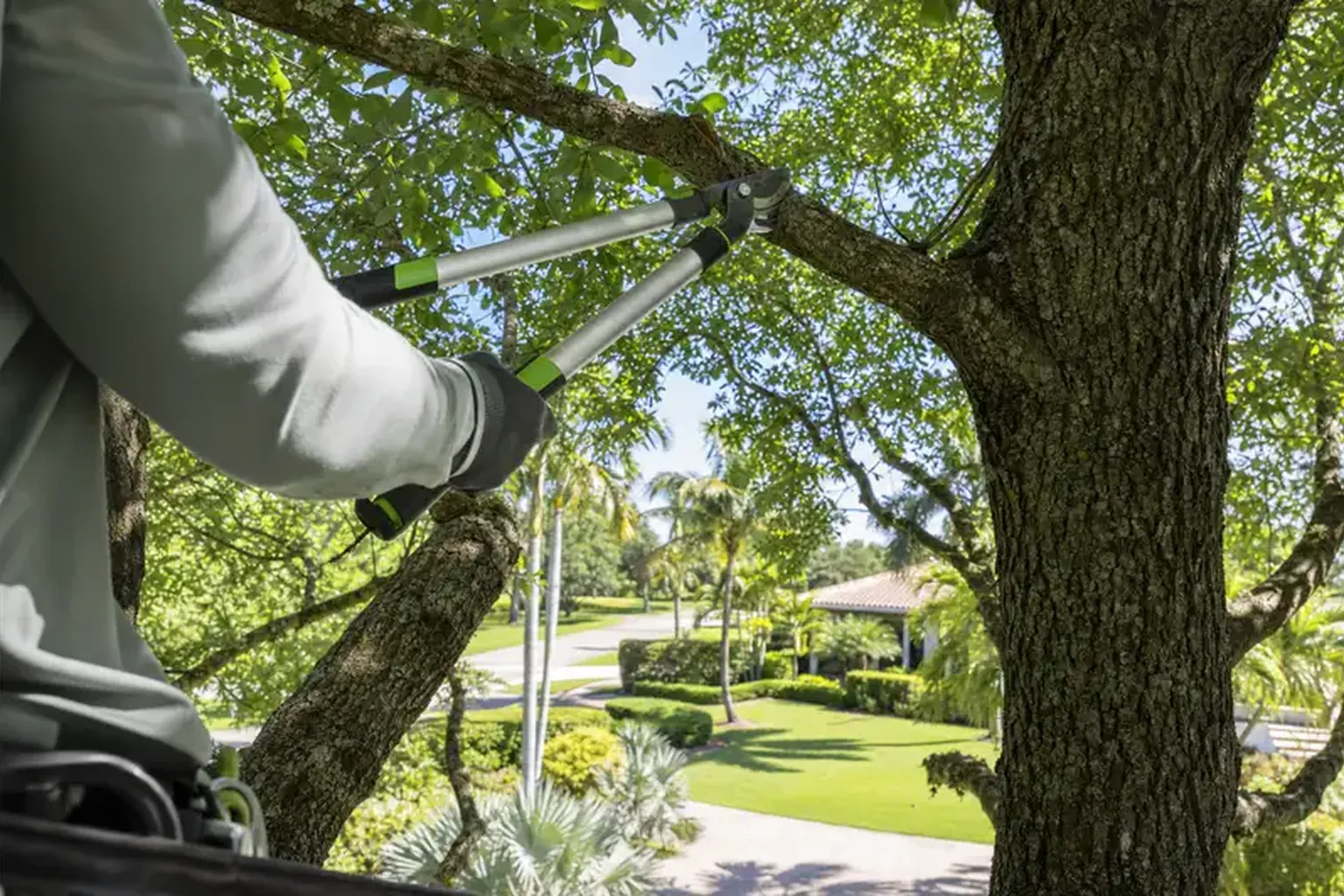
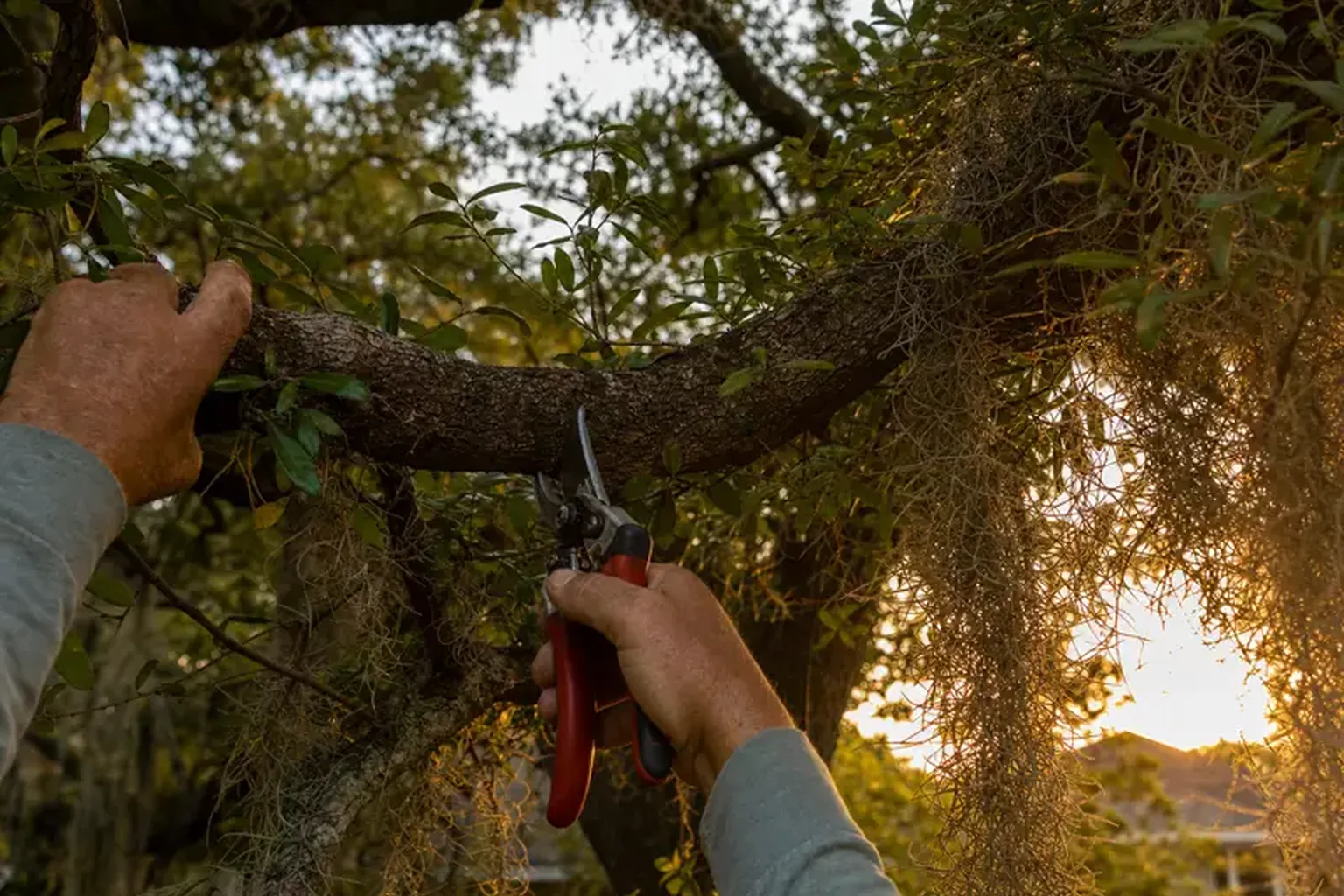
The right service depends on the tree's damage and nearby hazards. Tree trimming may address broken limbs when the rest can remain. Tree removal may be needed after a serious failure. A tree inspection can help guide the choice, but no single service fits every storm-damaged tree.
Emergency and hurricane tree removal concerns urgent storm damage. The first task is to assess the load and surroundings. A trunk on a building needs a careful work plan. Access, wires, and weak ground can affect how work proceeds.
The provider should assess the site and explain the method. Ask how equipment will reach the work area safely.
- Use tree inspections to review visible damage and plan the next step.
- Discuss tree trimming when damaged limbs may be removed while retaining the tree.
- Ask about tree removal when storm damage leaves a serious structural concern.
- Consider stump grinding separately after removal and after checking site conditions.
Stump grinding usually follows the main removal work. Ask about buried utilities and what material will remain. Keep that task separate from the first hazard response.
How can Pensacola homeowners prepare before the next hurricane?
Prepare by checking trees before hurricane season and after major storms. Look from the ground for dead limbs, splits, and changes in lean. Arrange a tree inspection when you see concerns.
Walk your yard from safe ground during calm weather. Look at trees near your home, driveway, and power lines. Notice limbs that appear dead or broken. Do not climb or cut a tree to investigate a concern.
Save photos of trees and nearby structures before a storm. These may help explain what changed afterward. Store records where you can reach them if your phone is lost.
Shared properties need a clear plan before hurricane season. HOA and condo tree services may involve common areas and access rules. Commercial tree services may involve parking lots and building entrances. Confirm who can approve work and speak for the site.
Ask your city or county where to check current storm notices. Know how to report blocked roads and damaged public trees. Do not treat a tree beside your site as yours to remove.
A simple readiness plan reduces rushed choices after a hurricane. List who to call, where records are stored, and who approves work. Review the plan when site needs change.
Frequently asked questions about hurricane tree cleanup
Can I remove a dangerous tree before getting an answer?
If there is an immediate danger, protect people and contact the right emergency service. Ask your city or county how urgent tree hazards are handled. Do not delay an emergency call to gather paperwork. Stay clear of the tree and let qualified responders address immediate safety needs.
What should you include in a Pensacola review request?
Prepare a short site summary before contacting a tree-care provider. Treat it as a planning note, not a diagnosis. Your goal is to explain which site you mean, what you have already observed, and what questions you want answered without gathering extra details just to complete a form.
Start with the street address, a callback number, and a simple description of the area you want reviewed. Separate observations from guesses. For example, write that branches are visible across the driveway rather than deciding which service or equipment the site needs.
- Give each concern a plain label, such as front driveway, backyard fence, or side walkway, so later messages refer to the same place.
- Describe when you first noticed the change, and say when the timing is uncertain rather than assigning everything to the hurricane.
- Choose a few existing photos that show the overall setting, then name the files to match your location labels.
- List your review questions separately from your broader cleanup wishes so the first talk has a clear purpose.
- Include the name of the person who will receive follow-up messages, especially when several household members are making calls.
- Ask which other details would help before sending a large collection of photos or repeating the same request through several channels.
For a example site off Scenic Highway, a useful note might distinguish a concern beside the front drive from a separate concern behind the house. For a example home near North Palafox Street, the note might distinguish the household driveway from a shared entrance. These are examples of organizing a request, not reports of actual storm damage.
Keep your photo list modest. An older yard picture and a current image already taken may help explain what you want reviewed. If a detail is missing, label it unknown. Do not make a complete photo collection a requirement before asking for help.
Follow the National Weather Service's advice not to go near downed power lines and to report them to the police. Ready.gov also says not to walk, swim, or drive through flood waters. A planning checklist should never become a reason to disregard those instructions.
End your request with a clear question: “What details do you need to discuss an review at this address?” That keeps the talk focused without presuming what the review will find.
How can you organize the Pensacola visit and follow-up talk?
Use a separate visit note after your first request. Keep the address, contact person, meeting details, and unanswered questions together. This is a practical way to reduce repeated explanations when messages arrive on different days or different household members answer the phone.
Florida Foliage is based in Daytona Beach. Before planning around that business, ask whether it can arrange an review for your specific Pensacola address. You can make that inquiry at (386) 481-7913. The business name and phone number alone do not establish a Pensacola visit arrangement.
- Confirm that both sides are discussing the Pensacola site rather than a mailing address or another site owned by the household.
- Ask what the planned talk or visit will address, and write down any subjects that need separate follow-up.
- Agree on one main household contact and a backup contact so questions do not receive conflicting answers.
- Record any meeting instructions in the same note as the address, rather than leaving them scattered across text messages.
- Prepare a short list of household priorities, such as understanding the front-yard concern before discussing general yard cleanup.
- After the talk, summarize what was discussed and what remains undecided, without treating an unanswered question as a recommendation.
For a example East Hill site, the household might use “front gate” and “rear alley entrance” as separate location labels in its messages. For a example site near Perdido Key, the contact note might clarify whether the homeowner or another household contact will handle questions. Neither example assumes a particular provider serves that location.
Keep storm updates separate from appointment messages. The National Weather Service recommends continuing to listen to local news and NOAA Weather Radio after a storm. Those updates should remain part of your planning rather than being replaced by a tree-care talk. NWS post-hurricane safety.
Do I need a complete set of photos before requesting an review?
No. As a practical planning choice, send the useful photos you already have and identify anything you cannot show. Ask what else the provider needs before collecting more. A brief description with clear location labels can start the talk without turning photography into another task that must be finished first.
How should I describe several concerns on the same site?
Give each concern its own label and one or two sentences. For example, separate the front driveway question from the backyard question instead of combining them into a long account. This planning approach makes it easier to match messages and photos, record answers, and notice which concerns still need talk.
What if different family members are contacting providers?
Choose one shared note and one main contact as a practical organizing step. Have everyone add questions to that note before making another call. Record which business received which details, and avoid assuming that a message sent by one person has already been read by everyone involved in the household.
What should I keep after the review talk?
Keep a dated summary of the areas discussed, the explanations given, and the questions still open. Store it with your selected photos and contact details. This is a practical reference for later talks, not a substitute for an review, and it helps distinguish what was actually discussed from what you expected.
Research and editorial content by Tim Francis, with AI-assisted drafting.
How can you keep the first visit focused on observed damage?
Use a short visit note to separate the reason for the tree review from other yard projects. This is an organizing suggestion, not a finding about the tree. The note can help everyone discuss the same location without deciding in advance whether cutting or removal is needed.
- Start with the one area that prompted the call, using a plain label such as the front drive or back fence.
- List nearby objects you can already see from a safe spot, including a building, parked car, or overhead wire.
- Write down which areas you have not viewed, rather than filling those gaps with guesses.
- Keep a separate list of routine yard wishes so they do not get mixed into the storm-damage review.
Before a visit, share any official instructions that affect access. The National Weather Service says to return after evacuation only when officials say it is safe. It also warns about downed wires and weakened structures. A planned appointment is not a reason to ignore those warnings.
After the talk, record the areas reviewed, the next steps discussed, and the questions still open. Keep the note brief enough that another household member can understand it. If the tree was not reviewed on site, say so. A message exchange, photograph, or planned visit should not be described as a completed tree check.
Call (386) 481-7913 to talk through next steps.