Clinton Funk, Owner, Florida Foliage
Reviewed by Clinton Funk
decades of hands-on tree care experience

Hurricane Debris Sorting in Pensacola, FL calls for caution before cleanup. Safe hurricane debris curbside sorting pensacola fl starts with a simple plan. Check for hazards before moving any storm waste. Keep tree debris apart from household goods and other waste. Then confirm pickup rules, pile locations, and collection dates with your city or county before placing material near the road.
A hurricane can leave more than fallen limbs behind. Wet furniture, roof scraps, broken fences, and spoiled food may need separate handling. Mixed piles can hide sharp edges and make cleanup harder. Sorting early helps keep your yard, street, and walkways safer during storm recovery.
This guide is for Pensacola homeowners planning hurricane readiness or storm cleanup. It covers curbside sorting and the tree hazards that need closer review. Florida Foliage is based in Daytona Beach.
What Matters For Hurricane Debris Sorting In Pensacola, FL?
Start with a safety check, then make a sorting plan. Look for wires, hanging limbs, unstable trees, and damaged structures from a safe place. Check your city's or county's current storm notice before moving debris. Decide where each waste type belongs so you won't need to handle it twice. OSHA electrical and tree-work safety. OSHA storm tree-work safety.
Stay indoors until local officials say outdoor conditions are safe. Even then, parts of your property may remain unsafe. Floodwater can hide holes, sharp waste, and damaged power lines. A branch that looks still may shift when nearby debris moves. Ready.gov hurricane safety. NWS post-hurricane safety.
Keep children and pets away from the work area. Choose a clear walking route between your house and sorting space. Don't walk beneath split limbs to reach scattered branches. A short detour is better than passing under a damaged canopy.
Before starting, check these points:
- Look for damaged wires from a safe distance, and report them to the utility.
- Find a clear work area that avoids traffic, standing water, and unstable trees.
- Take photos of storm damage before moving items, when you can do so safely.
- Check current collection notices before carrying debris toward the curb or roadside.
- Set aside a separate place for sharp waste that people could step on.
Wear sturdy shoes, work gloves, eye protection, and long pants. These items help with small debris, but they don't make dangerous work safe. Avoid lifting large limbs alone. Take breaks, drink water, and stop when fatigue affects your balance or grip.
Plan for rain during recovery, too. Wet ground may weaken footing and soften soil around damaged trees. Don't rush to beat a pickup date. If safe access is unclear, leave the area alone and seek help.
Which hurricane debris types should stay separate?
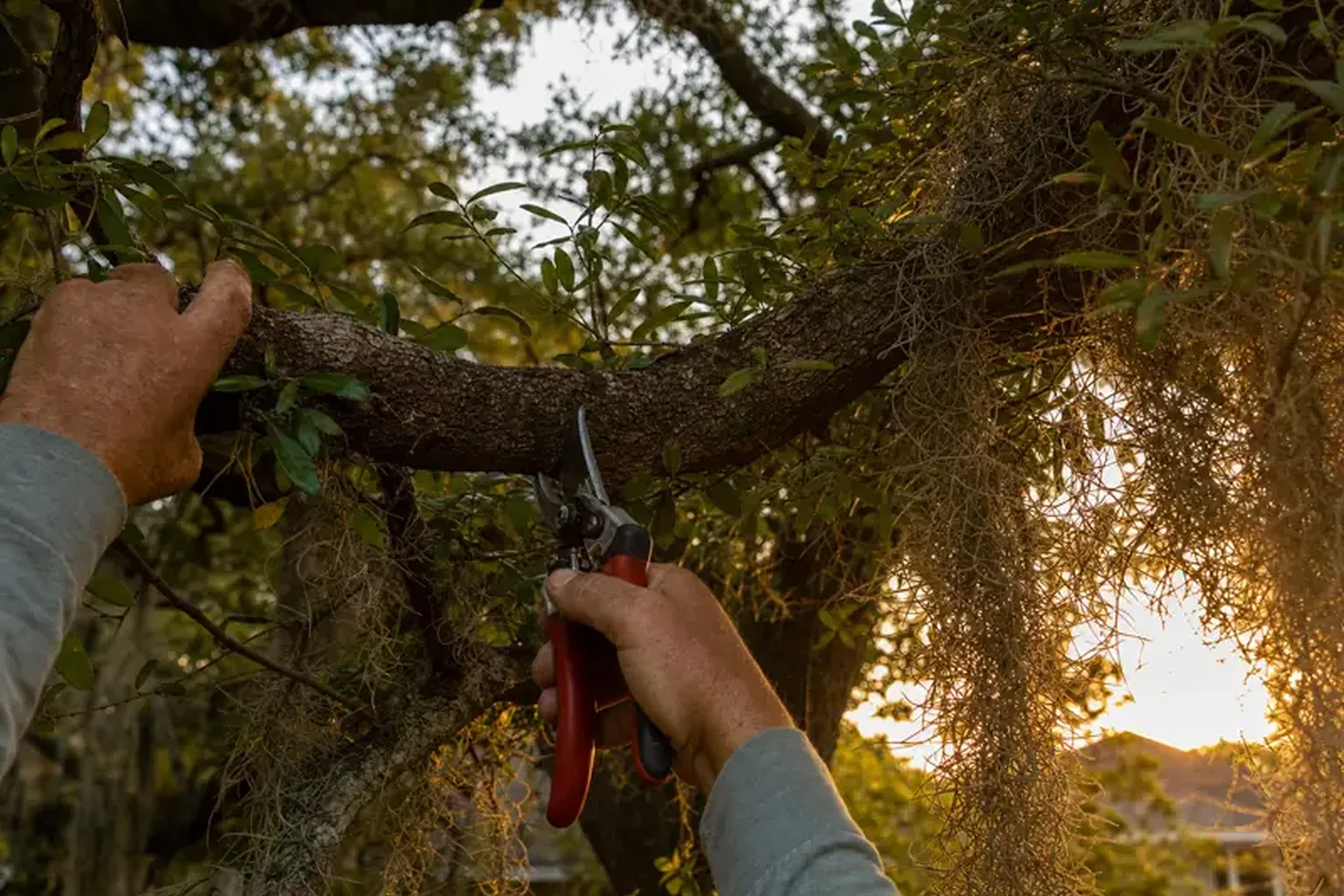
Keep storm branches and other plant waste apart from household trash. Separate damaged furniture, building scraps, appliances, and hazardous items as well. Use the groups named in your local collection notice. Pensacola-area pickup instructions may differ by address, road type, waste type, and the stage of storm recovery.
Storm-damaged fences and sheds may contain nails or screws. Even wood that looks natural can have sharp hardware inside. Keep it apart from tree limbs unless local guidance says otherwise. Tell anyone helping you which pile contains sharp material.
Use these basic groups while checking local instructions:
- Keep branches, leaves, trunks, and other storm plant debris together in one area.
- Place damaged furniture and household goods apart from loose branches and yard waste.
- Separate roof scraps, fence boards, and other building waste from natural tree debris.
- Hold appliances apart until you confirm local handling and storm pickup instructions.
- Keep paint, fuel, batteries, and chemicals out of general curbside storm piles.
- Keep spoiled food and daily household trash in their usual approved waste stream.
Keep people away from damaged chemicals and seek local disposal guidance. Storm cleanup is no reason to pour fuel, paint, or cleaners into drains.
Bagging rules can vary, especially for leaves and small debris. Confirm accepted containers before buying bags or filling them. You may need a separate plan for waste that storm pickup won't accept.
Where should storm debris go near the curb?
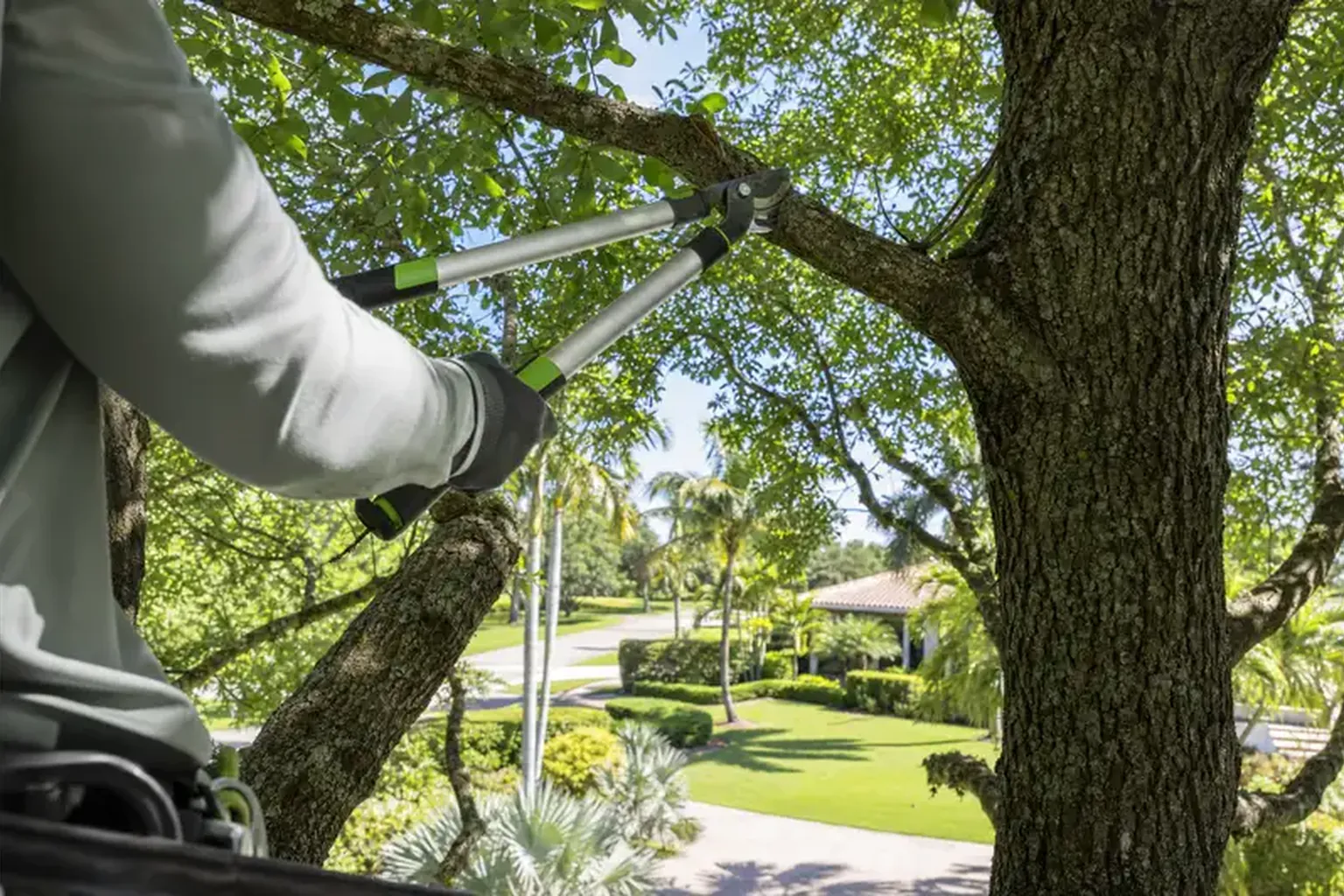
Place sorted storm debris only where local pickup guidance allows. Keep it away from drains, hydrants, utility equipment, mailboxes, and driveways. Avoid blocking sidewalks or pushing piles into traffic lanes. Confirm the approved roadside space and pile limits with your city or county before building a curbside pile.
Leave room for people to walk safely past your property. A blocked sidewalk can force neighbors into the street. Clear sight lines also matter near corners and driveway exits. Don't stack branches where drivers must pull forward blindly to see traffic.
Storm drains need a clear path for runoff. Leaves and small limbs can wash into grates during later rain. Keep loose material back from drainage areas. Check the pile after rain or wind if you can do so safely.
Don't lean debris against poles, trees, signs, or utility boxes. Avoid placing heavy limbs over water meters or covers. Equipment needs access, and buried fixtures can be hard to see. A cleanup pile should not create a new hazard.
Keep these placement checks in mind:
- Leave storm drains and drainage paths clear so later rain can flow through.
- Keep sidewalks and driveway exits open for people, cars, and emergency access.
- Leave space around hydrants, utility boxes, poles, and other public equipment.
- Place piles only within the roadside area allowed by current local instructions.
- Avoid stacking loose branches where they could roll or slide into traffic.
Avoid dragging branches across the street to reach a larger spot. Moving bulky debris through traffic adds risk. If a pile won't fit safely, keep it on your property while seeking guidance. Follow any local limits on pile size and branch length.
Which storm-damaged trees need trained help?
Leave tree work to trained help when limbs hang overhead or trunks shift. The same applies to trees touching wires, leaning on buildings, or trapping other trees. Ground-level sorting should stop near these hazards. Tree inspections can help assess damage before tree trimming or tree removal is planned.
After a hurricane, tree wood can hold hidden force. A bent limb may spring when cut. A trunk pinned beneath another tree may move suddenly. Don't cut a trapped limb just to make it fit a curbside pile.
If a tree touches a wire, stay away and contact the utility. Don't assume the line is inactive because the power is out. Keep tools, ladders, vehicles, and people away from the area. Tree work must wait until the electrical hazard is addressed.
Tree removal may be needed when storm damage leaves a tree unsafe. Emergency and hurricane tree removal concerns require careful planning around nearby structures.
Stump grinding is a later cleanup task, not a first response to overhead hazards. Ask how buried utilities and access will be checked before that work. Arborist reports and tree inspections may help document concerns for review.
How can you prepare for hurricane debris pickup?
Check the current collection schedule, accepted waste groups, and placement rules before pickup. Keep sorted piles separate and avoid adding routine waste to storm debris. Take clear photos when safe, and retain any work records.
Don't assume last year's storm instructions still apply. A new event may have different routes, accepted materials, or collection stages. Check notices for your exact address and service area. A Pensacola mailing address alone may not identify the agency serving your road.
Read the whole notice rather than relying on a shared screenshot. Older posts can stay online after rules change. Note the date, issuing office, and any update links. If the instructions conflict, ask the responsible office before moving heavy material.
If urgent safety work is needed, document it as safely as possible.
If debris remains after a collection pass, check the next local update. It may belong to a later category or require another disposal route. Don't merge piles to make them look easier to collect. Keep access clear while you seek an answer.
How can hurricane readiness reduce cleanup hazards?
Prepare before a hurricane by checking trees, clearing loose yard items, and planning safe access. Decide where storm debris could be sorted without blocking drains or walkways. Tree care should follow the tree's needs, not a rush before landfall.
Plan where cars, bins, and outdoor furniture will go before severe weather arrives. Loose items can strike trees or block access after a storm. Keep tools and supplies where you can reach them safely. Avoid storing fuel or sharp tools along an escape route.
For shared properties, storm planning needs clear roles. HOA and condo tree services or commercial tree services may support planned tree care. Residents still need instructions for reporting damage and keeping shared paths open. Confirm who can approve work before a storm creates pressure.
After cleanup, review what made the work harder. A blocked gate or cluttered side yard may have limited access. Update your plan while those details are fresh. Don't remove healthy trees solely because cleanup felt stressful.
Florida Foliage's headquarters remains in Daytona Beach. For immediate local hazards, contact the responsible utility or emergency service.
Frequently asked questions about hurricane debris sorting
Can I put storm branches in trash bags?
Check your city's or county's current storm instructions first. Bags may not be accepted for every kind of plant debris. Large branches also need different handling from loose leaves. Keep plastic and household trash out of tree piles unless local guidance directs otherwise.
Should I cut large hurricane limbs into smaller pieces?
Only consider handling loose, stable debris that you can move safely. Don't cut bent, trapped, suspended, or overhead limbs. Those pieces may shift without warning. Confirm local size rules, then seek trained help when meeting them would require unsafe cutting.
Who should I call about a tree leaning after a hurricane?
If wires are involved, stay away and contact the utility first. For other tree hazards, seek qualified local tree help for assessment. Keep people out of the likely fall area. If there's an immediate threat to life, contact emergency services rather than starting cleanup yourself.
Research and editorial content by Tim Francis, with AI-assisted drafting.
What should happen if a debris pile may hide utility equipment?
Stop adding material and explain the concern to the people coordinating collection. OSHA identifies hidden hydrants, meters, and other obstructions as debris-collection hazards. Do not enter an unstable pile to uncover equipment yourself. As a practical planning step, describe the suspected location using landmarks visible from safe ground and identify anything you have not confirmed. Keep that note with your pickup questions rather than assuming a driver will discover the obstruction on arrival.
Should children help sort hurricane debris?
Ready.gov says children should not help with disaster cleanup. Assign them another activity away from debris while adults organize updates and any work that can be performed safely. Sorting categories and pickup dates should never turn children into extra cleanup workers.
Call (386) 481-7913 to talk through next steps.