Clinton Funk, Owner, Florida Foliage
Reviewed by Clinton Funk
decades of hands-on tree care experience

Hurricane Roof Tree Damage in Pensacola, FL calls for caution before cleanup. For homeowners researching hurricane roof damage from limbs pensacola fl, safety comes first. Stay clear of fallen limbs, damaged rooms, and nearby wires. Take photos from a safe spot before cleanup starts. OSHA electrical and tree-work safety.
A limb on your roof can hide more damage underneath. The tree itself may still hold loose branches. In Pensacola, storm cleanup should start with a calm check of these risks.
This guide explains what homeowners can do from safe ground. It also covers what to leave to trained workers. Florida Foliage is based in Daytona Beach. This guide does not state that the company has Pensacola crews or local storm availability.
What Matters For Hurricane Roof Tree Damage In Pensacola, FL?
Keep people away from the damaged area and avoid touching the limb. Check for warning signs from safe ground, without walking beneath damaged trees. If wires, roof movement, or falling debris create an immediate threat, move away. Contact emergency help or the utility when the hazard calls for it.
Start with the people inside your home. Move them away from rooms beneath the impact. Keep pets clear of broken glass and exposed debris.
Do not climb onto the roof to see what happened. A ladder placed near a damaged tree adds another risk. Ground-level photos are a safer first step.
Look for wires near the limb, roof, and driveway. A wire may be hard to see among leaves. Do not assume it is safe because lights still work. Keep clear and contact the utility about suspected wire damage.
- Keep children and pets away from the roof impact area and fallen branches.
- Stay off ladders while wind, rain, or damaged trees create unsafe conditions.
- Move away from sagging ceilings, fresh cracks, or sounds of shifting roof parts.
- Contact the utility when a limb touches wires or blocks safe access nearby.
If rain enters a room that remains safe to use, move belongings. Do not stand beneath a bulge to place a bucket.
A limb may look light because its leaves hide the wood. It may still hold weight against the roof. Do not tug it with a rope or vehicle.
Once the immediate danger is addressed, write down what you saw. Note the time, room, and visible damage. Clear notes help you explain the problem without guessing. OSHA storm tree-work safety.
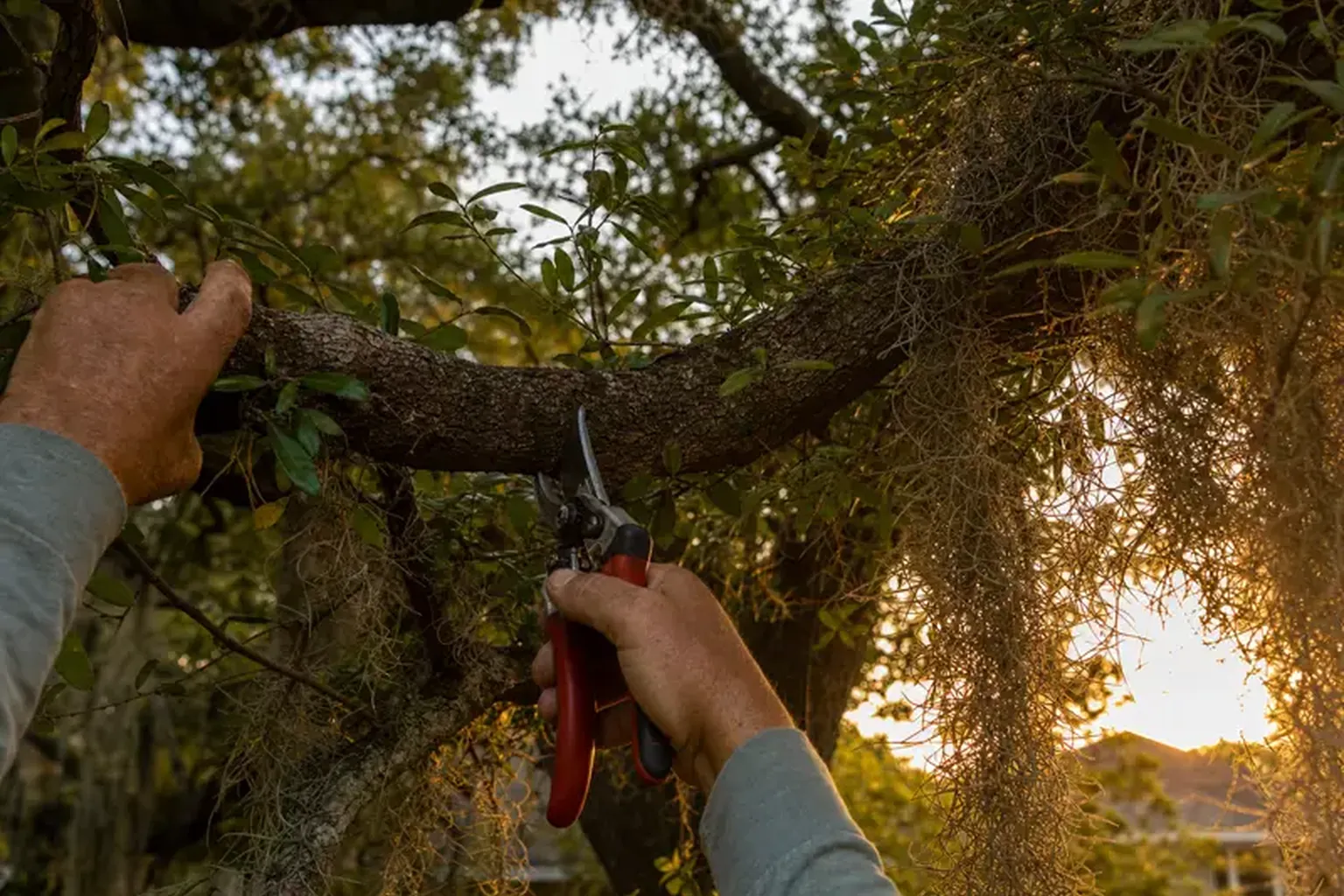
How can you document storm damage safely?
Photograph the roof, fallen limb, and affected rooms from safe positions. Capture wide views first, then closer views where access is safe. Record visible changes without moving the limb or climbing onto the roof.
Wide photos show where the limb landed and which tree it came from. Include the yard, house, and nearby structures in those views. Then photograph visible broken shingles, gutters, or windows from the ground. Avoid standing beneath a hanging branch for a better angle.
Inside, photograph stains, wet floors, and damaged belongings when rooms are safe. Note when you first saw water. A stain that grows between photos can help explain the timeline. It cannot establish the full cause or repair needs by itself.
- Take wide photos that show the limb, roof, and surrounding yard together.
- Record visible indoor damage without entering rooms that show signs of collapse.
- Ask contractors to describe the work performed and any remaining concerns.
Explain any urgent hazards that make waiting unsafe.
Do not label hidden damage as certain in your notes. Write what you can see and what needs inspection. For example, note a visible roof opening rather than assuming frame damage. A roof professional can assess the areas you cannot safely reach.
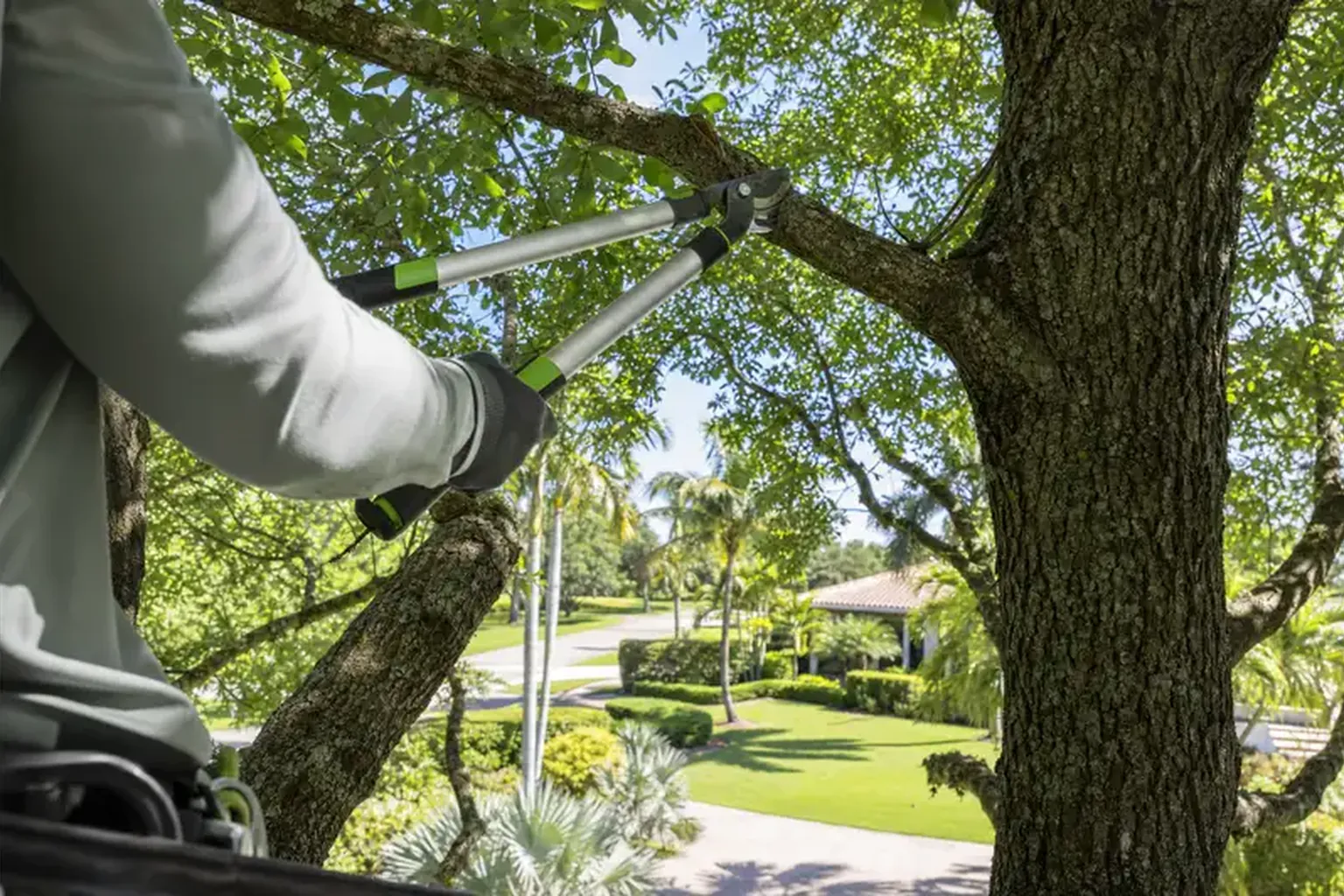
Who should remove a limb resting on your roof?
A tree professional should assess a heavy or unstable limb on a roof. A roof professional should assess the roof damage and repair needs. Ask each contractor how they will coordinate access, protection, and the next stage.
The first task is understanding what supports the fallen limb. It may rest on the roof, another branch, or a fence. Part of it may remain attached to the tree. Cutting one section can change how the rest moves.
That is why roof cleanup differs from cutting branches on open ground. Workers need a plan for controlling each piece. They must consider the roof below and the space around it. Homeowners should stay outside the work area throughout removal.
Emergency and hurricane tree removal may suit an unstable tree or limb. Tree trimming may address damaged branches that remain in the canopy. Full tree removal may be considered when keeping the tree creates an unsafe condition. The choice should follow a site assessment.
Ask why the method is proposed and what access it requires. The plan should account for nearby structures and ground conditions.
Ask for a clear written scope before work starts. It should separate tree work from roof repair. Confirm who removes wood and who handles remaining debris. Ask how workers will protect areas that are still intact.
Do not let the wish for a fast cleanup skip these questions. A short planning talk can reveal unclear roles. It can also prevent a roof contractor from arriving before access is safe. Agree on who contacts you when the limb is removed.
What roof checks matter after the limb is removed?
After safe limb removal, have a roof professional check the impact area. Visible shingle damage may be only part of the problem. Ask about roof decking, flashing, gutters, and signs of water entry. Keep people clear until workers confirm that the affected area can be approached safely.
A roof can look better once leaves and wood are gone. That cleaner view does not mean the damage is resolved.
Ask the roof professional to explain findings in plain terms. Find out which repairs address the impact and which need further review. Request photos of areas you cannot see from the ground. Keep those images with your storm records.
Do not climb onto a damaged roof to spread a tarp.
Check the gutters from safe ground after tree work ends. Ask the roof professional about damage near the roof edge.
Inside, watch for new stains or damp areas after later rain. Note the location and time without opening ceilings yourself. Keep clear of wet electrical fixtures and damaged ceiling areas.
Ask what follow-up care the tree needs and why. Some trees may need tree trimming; others may need removal. Avoid choosing a major cut based only on roof cleanup. The remaining tree and nearby targets need their own review.
How can tree care reduce risk before another hurricane?
No tree care plan can remove all hurricane risk. Strong winds can damage trees that looked sound beforehand. Still, early review gives you time to make informed choices. It also avoids rushed decisions while storm warnings are active.
Walk your property from safe ground before scheduling tree work. Note dead branches, split limbs, and trees close to the house. Look for changes after earlier storms, such as a new lean. These observations help guide a professional inspection.
- Schedule a tree inspection before storm warnings leave little time for planning.
- Point out dead branches, visible splits, and damage left by earlier storms.
- Ask how proposed cuts will affect the tree above your roof.
- Keep records of completed tree work and any recommended follow-up checks.
- Review access routes so storm cleanup workers can reach the property safely.
If tree removal is recommended, ask about the stump as a separate task. Stump grinding may be planned after the main hazard is addressed. It does not replace checking nearby trees for storm damage. Keep the roof and access route as the first priorities.
For shared properties, settle decision roles before hurricane season. HOA and condo tree services may involve shared trees and access areas. Commercial tree services may involve roofs over occupied work spaces. In each case, a written storm plan can reduce confusion.
How should Pensacola homeowners plan storm cleanup?
Plan cleanup around hazards, property access, and clear work roles. Address unstable trees and roof damage before routine yard cleanup. Keep tree debris separate from other waste when local instructions require it.
Storm debris can block a driveway needed for roof work. It can also hide nails, sharp wood, and damaged utilities. Tell contractors about access limits before they arrive. Do not enter a debris pile to search for buried items.
Keep piles away from routes needed for safe entry and exit. Do not block access to utility equipment. Local collection instructions may set placement and material rules. Confirm the current guidance with your city or county.
Describe the condition and proposed work when asking local officials. NWS post-hurricane safety.
Large storms can leave homeowners sorting many repair tasks at once. Make a short list in order of risk. Put immediate hazards first, then weather protection and needed repairs. Routine yard cleanup can follow when access is safe.
Frequently asked questions about hurricane limb damage
Can I pull a small limb off my roof?
Do not pull a limb from the roof from below. Its weight, attachment, and hidden damage may be hard to judge. Ask a tree professional to assess the limb and plan safe removal.
Does tree removal fix the roof damage?
No. Tree removal clears the limb or damaged tree. A roof professional should assess the impact area after safe access is established. Keep the tree work and roof repair scopes separate.
Can a tree inspection predict every hurricane failure?
No inspection can identify every possible storm outcome; it can help assess visible concerns and guide tree care choices. Ask what the findings mean for branches near your roof; keep recommended follow-up checks in your hurricane readiness plan.
What tree checks remain after the roof is checked?
The tree still needs attention after the roof is checked. A broken limb may leave torn wood or other hanging branches. Tree inspections can help assess remaining storm damage. Arborist reports may document findings when a written assessment is useful.
Research and editorial content by Tim Francis, with AI-assisted drafting.
When should I stay out of a storm-damaged building?
The National Weather Service advises staying out if you smell gas, floodwater remains around the building, the building was damaged by fire, or authorities have not declared it safe. A tree-removal appointment does not replace those instructions. Avoid entering to retrieve belongings or take closer pictures when access is unsafe. As a practical organizing step, tell the person coordinating roof work which rooms you cannot safely enter, and label unseen damage as unknown. Keep your household meeting point separate from the damaged building so a routine discussion about repairs does not send someone back inside.
Keep one dated note for tree work and another for roof work, so household messages distinguish completed tasks from questions that still need attention.
Call (386) 481-7913 to talk through next steps.