Reviewer and contributor: Clinton Funk, Owner, Florida Foliage. Clinton has decades of hands-on tree care experience.
Tim Francis is responsible for the research and editorial quality of this article. AI tools assisted with drafting and the editorial images. This general information does not assess a particular tree.
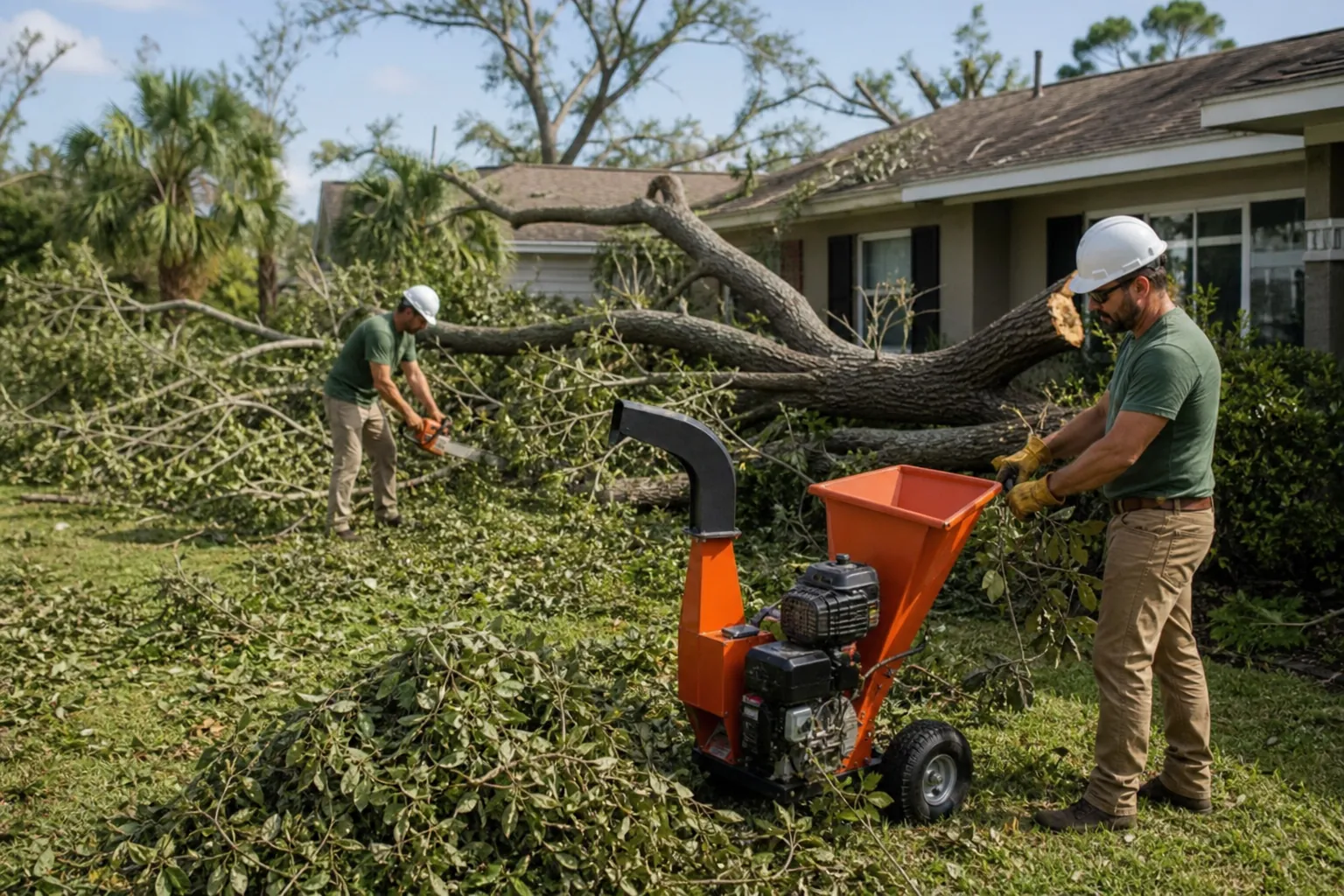
For hurricane tree cleanup steps in Pensacola, FL, start with clear notes and a careful household plan.
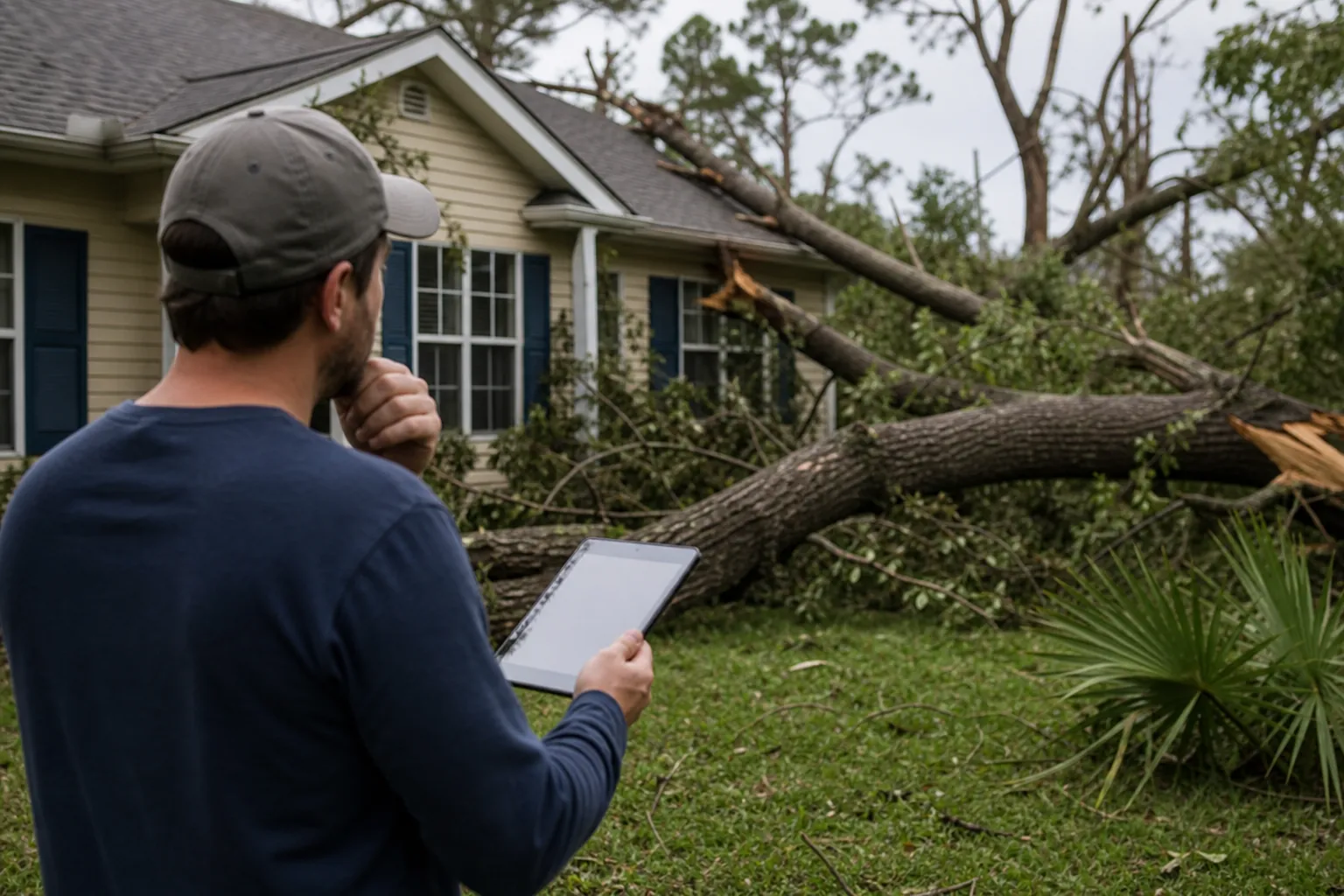
After a hurricane in Pensacola, begin with current public safety guidance. Do not start with a yard project. Keep household planning apart from hands-on work. Record only what you can see from a safe place. Use those notes to prepare for a later talk. Storm damage can leave falling limbs and unstable trees. A brief look from the ground cannot tell you how secure a limb may be. Keep that uncertainty in your notes. Do not turn a visible detail into a conclusion. See OSHA’s storm tree-work guidance. This checklist helps you pause and organize. A photo, quiet yard, or quick look cannot assess safety.
What Comes First For Hurricane Tree Cleanup Steps?
Check current public safety guidance first. Keep household notes together. Use the tree removal service overview for background on one topic to discuss later. Use the contact page to prepare an inquiry.
First, pause and gather details. Check public notices for dates and use the current version. If a notice points to another agency, record that source too. Keep a link or paper copy with the date you checked it. Record the public guidance, its date, and where you found it. If guidance changes, update that record. Avoid keeping competing versions in a household message thread.
Choose one place for your checklist. A paper notebook or shared note can work. You do not need a formal report. A simple list is enough for household use. Add a short heading for each topic. This helps others see which details are observations and which remain questions. Keep questions, visible observations, and contact details together. Then a later talk will not depend on memory.
- Write down which current public guidance you checked and when you checked it.
- Choose one household note as the main record, and give it a clear name.
- List unanswered questions separately from things you have actually observed.
- Leave the next action blank when you do not yet have enough information.
A checklist does not mean every task must happen now. It can help household members pause, share updates, and avoid mixed messages. Leave a line open when a fact is missing. Do not fill it with a guess to make the list look complete. Some entries can stay open. “Not observed” and “not yet discussed” show where details end. These notes are better than guesses about the tree, yard, or timing of future work.
Which Storm Debris Hazards Should Stay Off Your Household Task List?
Keep storm tree work apart from household planning. The tree trimming service overview offers background for later questions. The tree removal information page explains another service type. These pages offer context. They do not diagnose a tree or tell you how to handle damaged material.
Storm-damaged tree work can involve falling limbs and unstable trees. Tensioned material and trees that may roll or slide during felling are hazards too. See OSHA’s tree-work guidance. Your household checklist can record these concerns. OSHA describes hazards related to storm tree work and debris collection. Keep the source link with your note so others can read the original guidance. A list of hazards does not tell a household how to handle damaged trees. It should not decide how damaged material is handled.
Downed electrical conductors can energize trees and fences. Avoid direct and indirect contact. See OSHA’s electrical hazard guidance for storm tree work. Never use a checklist to identify or test an energized object.
Keep nonessential people outside work and drop areas. See OSHA’s storm tree-work guidance. Keep nonessential people away from debris machinery too. See OSHA’s debris collection guidance.
- List household communication and note keeping, not hands-on storm tree work.
- Copy relevant hazard guidance into your notes with its source link attached.
- Keep questions about damaged material in a separate list for a later conversation.
Record other debris concerns separately. Debris can hide meters and fire hydrants. See OSHA’s collection guidance. Stay clear of leaking hazardous chemical containers. They need assessment by hazardous-material response personnel. See the same OSHA guidance.
How Can You Record What You See Without Calling It a Diagnosis?
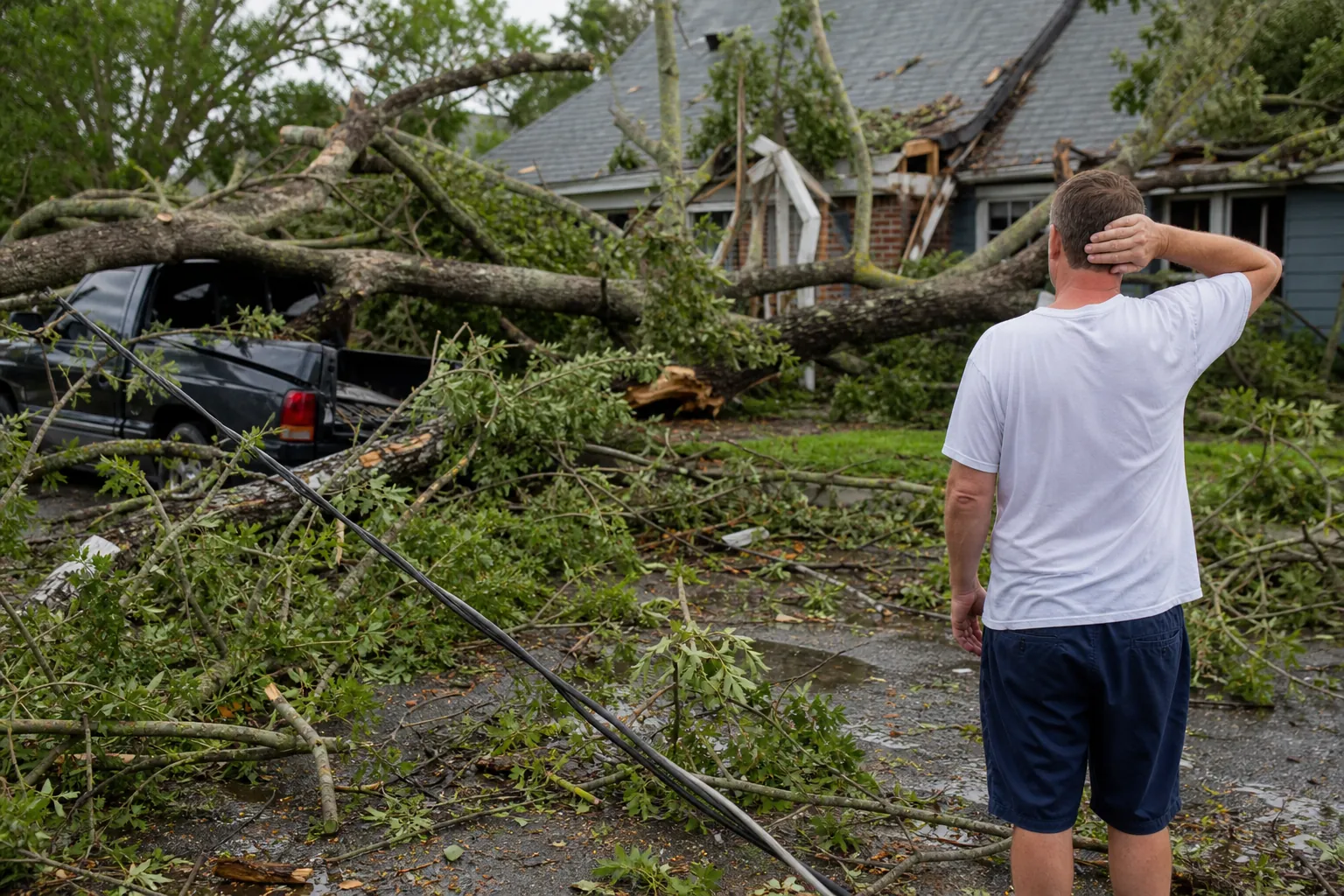
Describe only what you can see from a safe spot. State what you cannot tell. The inquiry page can help you prepare a later message. The company background page provides background on Florida Foliage. A description or photo cannot show that a tree is safe.
Use plain words. Keep each note short and tied to a date or place. If you are unsure what a detail means, write “unknown.” This is clearer than choosing a tree term or naming a treatment based on a photo. “A branch is visible on the ground” states what you see. “The tree only needs light work” makes an unsupported statement. This difference matters. A later talk should begin with your details, not an assumed diagnosis.
Describe the limits of your view. “The other side is not visible from here” is useful. Do not fill in missing details. An incomplete view cannot describe the whole tree.
- Record the date of your observation and the household location you used to describe it.
- Use short phrases that describe visible features rather than naming a condition or treatment.
- Mark unclear details as unknown instead of trying to resolve them through closer inspection.
- Label any image as a visual record, not proof that the tree is safe.
For example: “From the living room window, I can see a large branch near the back fence. I cannot see the tree base from here. I do not know what later work may be right.” This keeps the place, observation, and unknowns clear.
Sort any existing images by date and viewpoint. Keep original files when possible. A short caption can say where the image was taken from and what is visible. Do not label an image “safe” or “cleared.” Those words make a statement the image cannot prove. Clear filenames can help with a later talk. Keep captions factual. Photos cannot show that every concern was found.
A Staged Household Checklist You Can Reuse
Use this sequence as a recordkeeping tool, with the contact information page available for a later inquiry and the tree removal service description available for background. This checklist does not assess a tree or show that work can begin.
Keep each kind of detail separate. This can make it easier to share only what is needed for one talk. If new guidance appears, update that part without changing older observations. Keep past notes dated so the order remains clear. Put public guidance in one place and visible observations in another. Keep questions about possible work in a third. This makes updates easier.
- Check current public safety guidance and record the source and date in your main note.
- Write a short household note. Say what you observed and what remains unknown.
- Record visible tree and debris details from a safe place. Do not call them a diagnosis.
- Group images with matching notes. Label each by date and viewpoint.
- Prepare questions about later work without choosing a service based only on appearances.
- When ready, make a neutral inquiry. Record the details you receive.
Keep the record simple. Use the same headings each time: guidance checked, visible observations, questions, and any response received. A shared note can help household members avoid different versions. Use plain language so each person can follow it. One page may hold the guidance source, a few clear observations, and open questions. If others add notes, use the same headings. This keeps the record easy to read.
- Use headings such as “Guidance,” “Visible observations,” and “Questions for later”.
- Keep earlier entries dated rather than blending them into a single undated description.
- Remove repeated questions from the main list while keeping any useful detail.
Review notes before sharing. Replace conclusions with observations when possible. If you wrote “safe,” “stable,” or “ready for cleanup,” check whether you have support for that statement. Show the limits clearly.
Prepare a Conversation About Later Tree Work
Start with questions, not a chosen solution. The tree trimming information page and the tree removal overview can help you plan what to discuss. They cannot decide which service fits a storm-damaged tree.
Your first talk needs no theory about what happened. Explain that you are gathering details and do not know what work may be right. Keep the request open. This leaves room for the business to explain what it can discuss. Briefly say what you see and what remains unknown. This is more useful than a long account built on guesses. Keep observations apart from questions.
For example, say where you see a branch. Explain that you want to learn what details matter before considering later work. This leaves room for uncertainty. It is not a diagnosis or a request for a set procedure.
- Ask what details would help start a discussion about the tree.
- Ask if your notes explain your question clearly.
- Ask how trimming or removal might be discussed. Do not assume either is right.
- Keep any stated next step separate from an unconfirmed expectation.
Write the response in plain words. Keep unclear points as open questions. A general service description is not a recommendation for your property.
A useful talk record has three parts: what you asked, what details you received, and what remains undecided. This helps others follow along without adding their own meaning. It keeps future plans tied to what was actually said.
Contact Florida Foliage Without Assuming Local Availability
Use the Florida Foliage contact page for a neutral inquiry. Read the company information page for background.
Clinton Funk is the owner of Florida Foliage and has decades of hands-on tree care experience. This paragraph states the owner’s experience. Tim Francis prepared this homeowner checklist’s content and editorial presentation.
Call (386) 481-7913 to ask about current options for your Pensacola property. State the city first. Do not assume the service pages confirm work there.
- Give the property city. Say your question is about later hurricane tree work.
- Briefly describe what you can see and what you do not know.
- Ask whether they can discuss your location and inquiry.
- Record only the next step actually provided, without adding an expected response time.
You might say: “I am in Pensacola and have questions about tree work after a hurricane. My notes describe what I can see, but I have not assessed the tree. Can you discuss options for this location?”
Keep contact notes apart from the household checklist. Record the date and details you received. If no next step was given, leave that field blank. Do not add a time estimate or expected visit that no one confirmed. An inquiry does not settle a tree’s condition or confirm a visit. Record the date, your question, and any details provided.
Frequently Asked Questions
These answers explain the checklist. They do not assess a tree. For service context, read the tree trimming overview; for a neutral inquiry, use the contact page. Check current public safety guidance. Call (386) 481-7913 to ask about current service options for your Pensacola property.
What is the first entry on a hurricane tree cleanup checklist?
Start with current public safety guidance. Check that it applies to current conditions and location. Keep its source and date with your note. Public guidance can change, so use an up-to-date source when you review the list again. Record its source and date. Then separate visible observations from questions about later work. This organizes household details; it does not mean cleanup can begin. Leave unknowns open. Do not guess what they mean or when they will be resolved.
Can photographs show that a damaged tree is safe?
No. A photo cannot prove a tree is safe. It shows one view at one time. A branch may hide other damage or hazards. Label the view and its limits. Do not use a photo to decide whether a tree can be approached or worked on. Label what it shows without making a diagnosis. If part of the tree is out of view, say so. Keep condition questions apart from captions and household notes.
Why should damaged limbs stay off a household work list?
Storm-damaged tree work can involve falling limbs and unstable trees. Tensioned material and trees that may roll or slide during felling are hazards too. See OSHA’s tree-work guidance. Use your household list for details and questions. Do not use it to decide how to handle debris. Seeing something does not show a safe work method.
What should I note about debris other than tree material?
Debris can hide meters and fire hydrants. Stay clear of leaking hazardous chemical containers. They need assessment by hazardous-material response personnel. See OSHA’s debris collection guidance. Keep these observations apart from tree-work questions and household cleanup tasks.
Does this article confirm Florida Foliage serves Pensacola?
No. Florida Foliage is based in Daytona Beach. Call (386) 481-7913 to ask about current service options for your Pensacola property. State the city first. Share a brief description. Do not assume a response time or future visit.
Call (386) 481-7913 to talk through next steps.