Clinton Funk, Owner, Florida Foliage
Reviewed by Clinton Funk
decades of hands-on tree care experience

Hurricane Tree Damage To Cars in Pensacola, FL calls for caution before cleanup. If a hurricane drops a tree on your car, stay clear. Check for downed wires, shifting limbs, and signs of fuel leaks. Call 911 for immediate danger or anyone trapped. OSHA electrical and tree-work safety.
A crushed car can make you rush toward the driveway. Yet the tree may still move as winds ease. A broken trunk can rest on the roof under strain. Nearby limbs may hang loose above the damaged car.
This guide covers homeowner steps for storm cleanup in Pensacola. It explains what to record and what to ask. It also covers readiness before the next hurricane arrives. Safety comes first, even when the damage looks small.
What Matters For Hurricane Tree Damage To Cars In Pensacola, FL?
Start by checking for danger from a safe, sheltered spot. Keep people and pets away from the car and tree. Do not climb into the vehicle or pull loose branches. If no one needs rescue, wait until conditions are safe before taking photos and planning the next steps.
Storm winds can break more limbs after the first impact. Rain can hide wires beneath leaves or standing water. A leaning tree may fall without much warning. Watch from a safe place rather than inspecting beneath it.
If someone is trapped, call 911 and describe the location. Tell the dispatcher about wires, flooding, smoke, or fuel smells. Follow their instructions while keeping others clear. Do not try to lift the tree with a vehicle.
A tree can block the safest way out of your home. Use another exit if you can do so safely. Avoid walking beneath hanging limbs to reach the street. Tell emergency responders if your household cannot leave safely. OSHA storm tree-work safety.
- Keep children, pets, and neighbors away from the damaged car and fallen tree.
- Call 911 if someone is trapped or the scene presents immediate danger.
- Report suspected power line contact to the utility without approaching the wire.
- Take initial photos only from a safe spot outside the hazard area.
Do not start the car to test whether it runs. A crushed roof or broken glass can hide other damage. Move away and report it rather than searching for the leak.
Keep watching official weather updates from a sheltered location. Wait for safe conditions before leaving shelter to assess damage. Your car can wait when storm hazards remain. NWS post-hurricane safety.
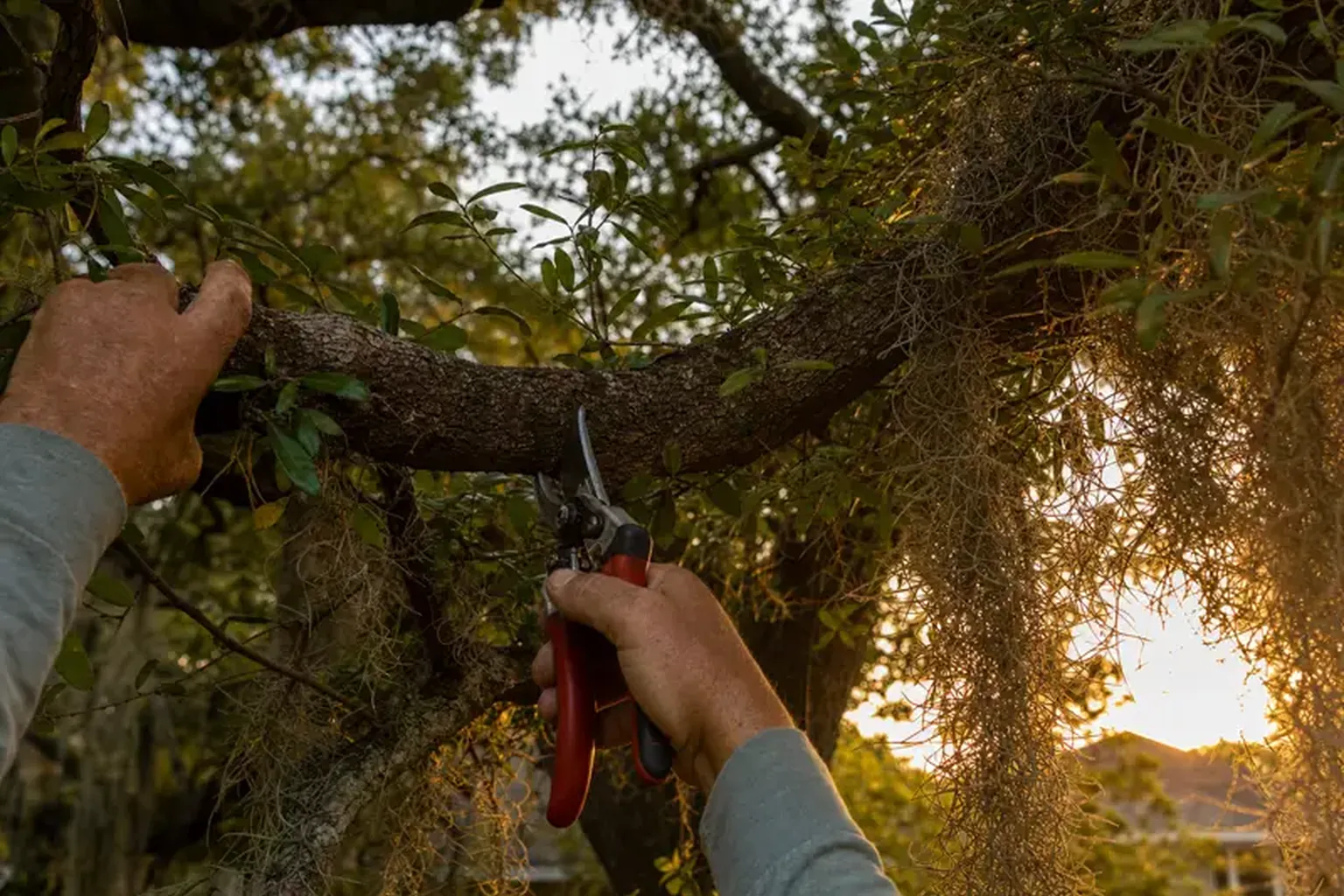
Why is a tree on a car risky to remove?
The car and tree may be holding each other in place. Cutting one limb can shift the trunk or release stored force. These risks make storm tree removal very different from clearing small branches off an open lawn.
Look at the scene only from a safe distance. Note if the trunk rests on the roof or hood. Also note any branches caught in nearby trees. Give those details to the person assessing removal.
Keep people away from both sides of it.
Broken limbs can bend like springs under heavy weight. A saw cut may release that force at once. The moving wood can strike someone or damage nearby property. This is not a safe place to learn chainsaw use.
Do not pull the car free with a tow strap. The trunk may drop when the car moves. A tow operator and tree contractor should coordinate the order of work.
A ladder is also a poor way to reach branches. Storm debris often leaves uneven, slick footing below. The branch supporting the ladder may be damaged. Stay on the ground and outside the work area.
Ask how the removal plan will protect people and nearby structures.
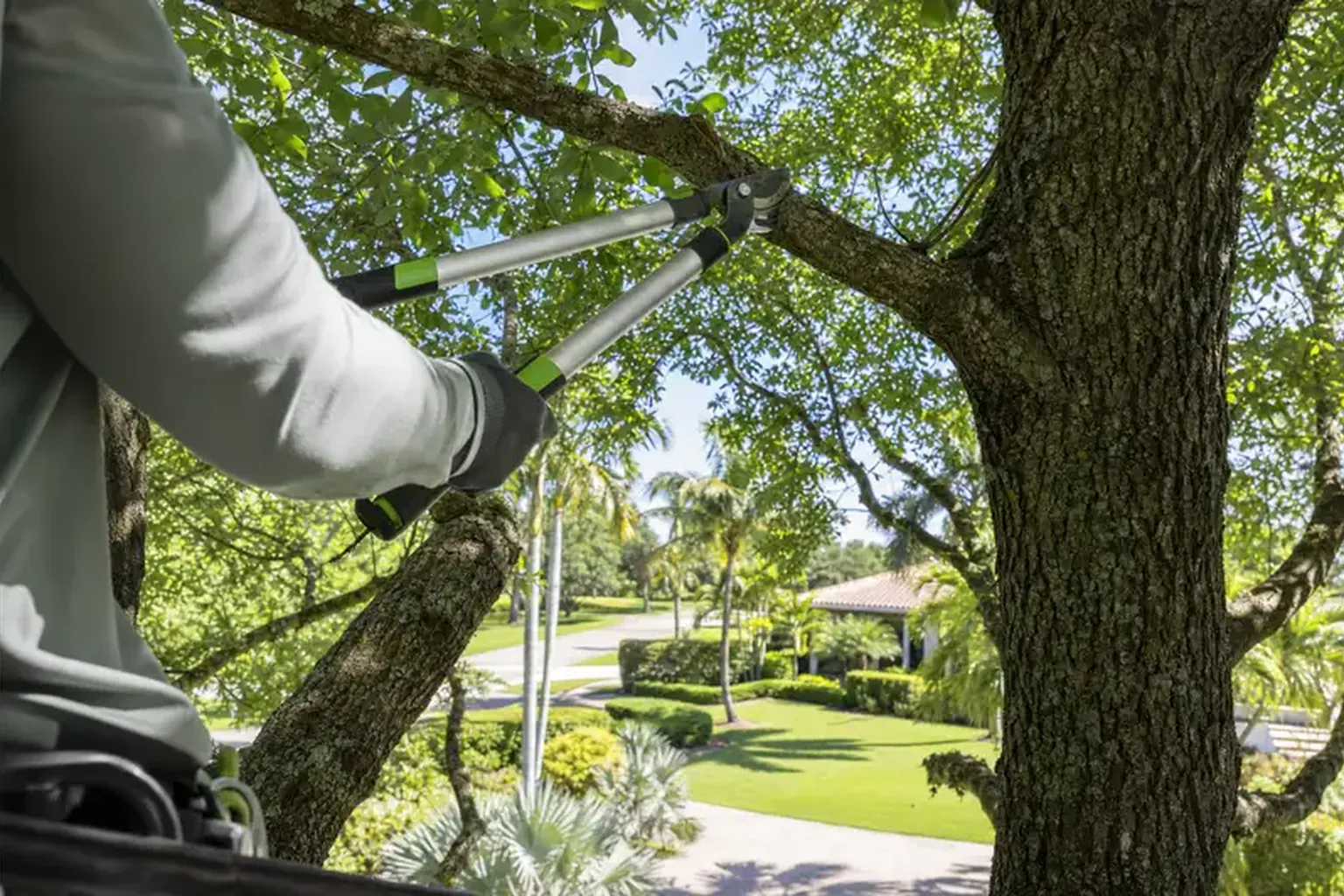
How should you plan safe tree removal and towing?
Arrange a site assessment before choosing how to remove the tree. The plan should address wires, unstable wood, safe access, and the car's condition. Ask who will handle each task and in what order. Towing should wait until the tree hazard is controlled and the vehicle can be moved safely.
Describe the situation clearly when asking about storm tree removal. Say if the tree crosses a driveway or touches a building. Mention wires even if you are unsure they are live. Send photos only if you already took them safely.
Ask for a written scope before nonurgent work starts. It should describe which tree parts will be removed. It should also explain debris handling and site cleanup.
Storm cleanup calls for careful checks, even when demand is high.
Emergency and hurricane tree removal should focus first on hazards. Later tasks may include stump grinding or tree trimming. Keep those tasks separate in the scope when practical. This helps you understand what the storm cleanup includes.
Make sure the tow operator knows about the impact. Tree removal does not prove the car is roadworthy. Let a qualified vehicle professional assess it before driving.
Ask who will protect clear paths during the work. Children and pets should stay outside the work zone. Do not stand nearby to film the cutting. A good view is never worth entering a hazard area.
Florida Foliage's headquarters remains in Daytona Beach. For urgent local hazards, use emergency services and your utility first.
What checks matter after the tree comes off?
A cleared roof does not mean the car is safe. Ask the vehicle shop how to protect it while awaiting assessment.
Do not crawl under the car to inspect storm damage. Tell the tow operator about anything you noticed. Let the right professionals check areas you cannot safely see.
Nearby trees can carry damage that is hard to spot. A split branch may remain caught high in the crown. Tree inspections can help guide the next cleanup steps.
Arborist reports may support decisions about damaged trees. Ask what the report covers before you request one. It should address the actual tree and observed concerns. Do not treat a report as a promise of future safety.
How can you prepare your parking area before a hurricane?
Plan parking before winds rise, using safe access and local guidance. Check trees near the driveway for visible defects well ahead of storms. Tree inspections and suitable trimming can address some concerns. No tree care can remove every storm risk, so pair maintenance with a clear household plan.
Choose a parking spot away from visibly damaged trees when possible. Avoid blocking exits or emergency access to your home. Follow evacuation guidance rather than staying to move a car. Never drive through floodwater to reach a different parking spot. Ready.gov hurricane safety.
Do not judge storm risk by tree size alone. Small trees and loose limbs can damage a car. Tall trees may have defects hidden from ground view. An inspection can help you understand specific concerns near parking areas.
- Schedule tree inspections early enough to review findings before hurricane threats develop.
- Discuss damaged limbs and driveway clearance before choosing storm readiness tree trimming.
- Plan a safer parking location without blocking exits or ignoring evacuation guidance.
- Secure loose outdoor items before winds rise, while conditions remain safe.
Tree removal may be considered when serious defects are found. That decision should weigh the tree's condition and nearby targets. Do not remove a healthy tree based on fear alone.
A storm readiness plan should include post-storm parking, too. Your usual driveway may be blocked by fallen wood. Identify whom to call for safe assessment and towing. Review the plan before hurricane season, not during dangerous winds.
Frequently asked questions about hurricane trees on cars
Can I drive the car after the tree is removed?
Do not assume the car is safe once it is uncovered. Arrange a vehicle assessment and ask the tow operator about safe transport before trying to drive it.
Who should I call if the tree touches a power line?
Stay away and contact the electric utility to report the hazard. Call 911 if someone is trapped or faces immediate danger. Do not touch the tree, car, wire, or nearby wet debris. Keep others clear and follow instructions from the utility and emergency responders.
Can I cut a small branch resting on the car?
A small branch may still be under strain or support heavier wood. Cutting it can shift the tree or damage the car further. Avoid sawing or pulling branches from the vehicle yourself. Have the whole scene assessed before removal, especially near wires or hanging limbs.
What route details should you share when the driveway is blocked?
Prepare a short location note for anyone helping coordinate the next steps. Use your street address, the driveway entrance, and a familiar nearby intersection rather than relying on a neighborhood name alone.
- For a home reached from Davis Highway, note which side street leads to the driveway and whether the address has more than one entrance.
- For an address near Bayou Boulevard, describe the entrance using street names rather than suggesting a shortcut through another property.
- List any reported route blockage separately from the damage at your home, and mark information you have not confirmed.
How can you organize backup travel without the damaged car?
As a practical planning step, write down essential destinations and a backup transportation contact. Keep the plan flexible instead of assuming your usual route will be usable after the storm.
- If your usual trip follows Cervantes Street, list the destination address so a helper can review current route information.
- If a pickup would normally use Ninth Avenue, agree on a proposed meeting address and confirm it before anyone leaves.
- Continue listening to local news and NOAA Weather Radio for updates. Do not walk, swim, or drive through floodwaters.
What should I include in a message asking for transportation help?
Include your pickup address, destination, number of passengers, and a callback number. Explain that your usual car is unavailable after tree damage. As a planning suggestion, ask the helper to confirm the meeting location before leaving, and keep any unverified road information clearly labeled as unconfirmed.
Should children help gather debris while adults arrange transportation?
No. Ready.gov says children should not help with disaster cleanup work. Keep cleanup separate from your household transportation plan. As a practical suggestion, assign an adult to organize rides and keep children occupied indoors while other adults handle calls, messages, and updates about the next steps.
Research and editorial content by Tim Francis, with AI-assisted drafting.
How can you keep family updates separate from vehicle cleanup?
Use one short household update rather than sending people back to the damaged car for details. Ready.gov recommends texts or social media for family communication after a disaster, while saving phone calls for emergencies. A message can explain that the vehicle is unavailable without asking anyone to enter the damaged driveway.
- Give your household a safe meeting location and label any travel plan as unconfirmed until checked.
- Keep the damaged car out of a proposed pickup plan until trained workers have assessed the scene.
- Separate requests for transportation from messages about tree work so each person knows which task you mean.
If an emergency develops, call emergency services. Keep ordinary ride coordination from distracting anyone from official storm updates or instructions.
Call (386) 481-7913 to talk through next steps.