Clinton Funk, Owner, Florida Foliage
Reviewed by Clinton Funk
decades of hands-on tree care experience

Hurricane Trees On Power Lines in Pensacola, FL calls for caution before cleanup. Hurricane Trees On Power Lines in Pensacola, FL calls for caution before cleanup. A hurricane can leave a tree tangled in overhead wires. If you're searching for hurricane tree on power line pensacola fl, stay back. Treat every fallen wire as live. Report the hazard to your electric utility. Call 911 for fire, injury, or an immediate threat to people. OSHA electrical and tree-work safety.
This guide helps Pensacola homeowners plan safe storm cleanup. It explains what to report, what to leave alone, and when tree work can begin.
What Matters For Hurricane Trees On Power Lines In Pensacola, FL?
Keep people and pets away from the tree and wires. Don't touch branches, fences, or tools near the damage. Report the location to your electric utility from a safe place. Explain that a hurricane-damaged tree is touching a line. Wait for clear guidance before entering the affected area.
You can't judge its condition by its color or position. Don't approach it to look for sparks or hear buzzing.
Keep away from anything touching the tree or wire. This may include a metal fence, gutter, shed, or car. Don't walk through standing water near damaged electrical equipment.
Don't try to move a branch with a rope or pole. Don't cut a trunk because the wire seems loose. A tree can shift when a small limb is removed.
- Keep children and pets indoors, away from the damaged tree and wires.
- Report the street address and visible hazards without approaching the damaged area.
- Call 911 when you see fire, injury, or immediate danger to people.
- Leave gates and access routes alone if reaching them requires crossing near wires.
- Wait for utility instructions before allowing tree work near the affected lines.
Ask household members to use a different exit if needed. Warn visitors before they enter the yard. Give the warning by phone when possible. Don't stand near the hazard to direct people around it.
If the tree blocks your driveway, don't squeeze past it. Tell the utility that access is blocked. If someone needs urgent medical help, explain the blocked route to 911. Let responders decide how to reach the home safely.
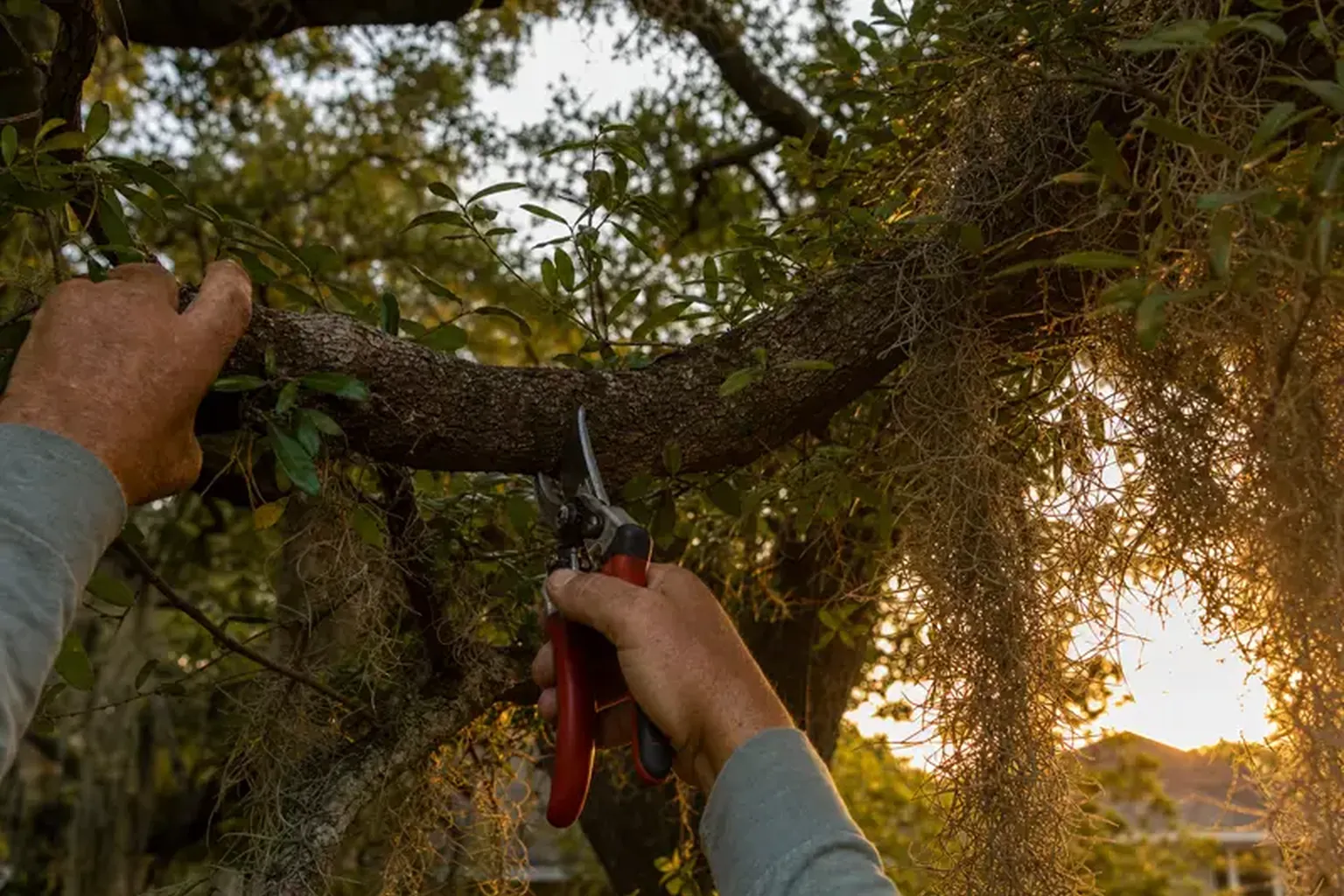
Who should you call before hurricane tree cleanup?
Call your electric utility first when a tree touches power equipment. Call 911 for an active emergency or immediate danger.
Use the utility's official outage or hazard reporting channel. An outage report alone may not describe the tree hazard. Say that a tree or limb is touching a wire. Mention a leaning pole, damaged meter, or blocked road if visible.
Give your address and the nearest cross street. Describe what you can see from a safe spot. Explain if the tree affects your home, driveway, or street. Don't guess which cable is electric or which company owns it.
Treat all downed or tangled lines as hazardous. Let the utility identify the equipment and explain the next steps.
Ask how you'll know the affected area is cleared. A neighborhood power update may not address your yard. Get guidance about the specific tree and wires on your property.
Ask what photos and records it needs. Ask before hiring cleanup work when it's safe to wait.
Keep a short call log during hurricane recovery. Write down the time, contact name, and instructions. Save report numbers and any written messages. These notes help you track what remains unresolved.
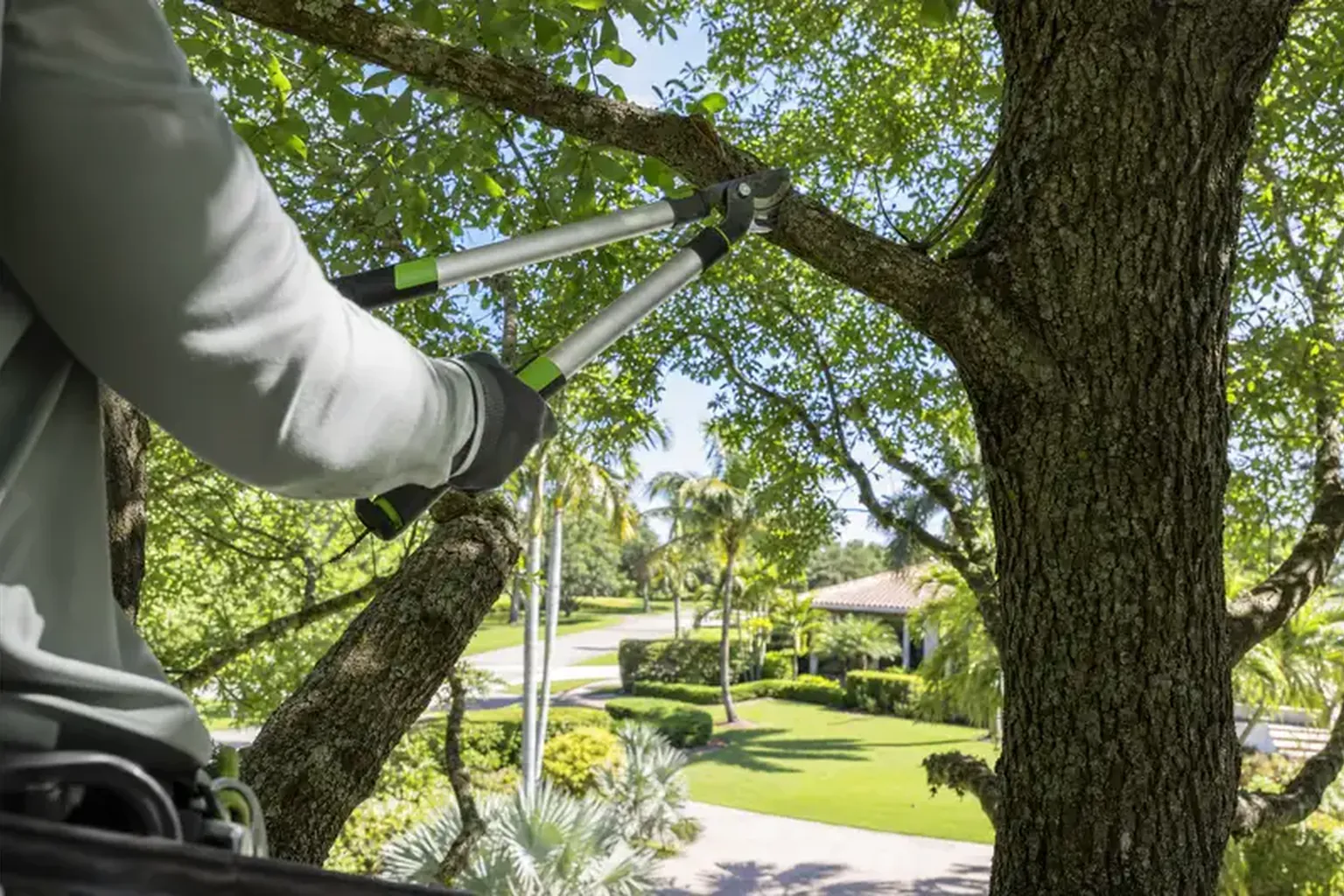
How can you document hurricane damage without getting close?
Take photos only from a safe place away from damaged wires. Capture the overall scene before details, if you can. Record the time, address, and damage you can see. Don't move limbs or debris for a better view. Your safety matters more than a complete photo set.
Use your phone's zoom instead of walking closer. A window may offer a safer view of the yard. Stay away from windows beside unstable trees or hanging limbs. Skip any photo that requires entering the hazard area. OSHA storm tree-work safety.
Start with wide views of the home and yard. Show the tree's position relative to damaged structures. Take closer views only from the same safe spot. Don't lift branches to reveal a broken fence or roof.
Write down when you first noticed the damage. Note any known change since the hurricane passed. For example, a limb may have shifted overnight. Report new movement to the utility without checking it up close.
Make a simple list of damage you can see. Separate building damage from tree and yard damage. Include blocked access, broken fencing, and visible roof damage. Mark hidden areas as unknown rather than making guesses.
Keep original photos and copies of messages.
A neighbor's view may help show the full scene. Ask them to share photos already taken safely. Don't ask anyone to enter a risky area for you. The same precautions apply across both property lines.
Don't cut limbs just to show hidden damage. Don't climb onto the roof for a closer look. Storm damage may weaken surfaces that appear sound. Wait for the right professional to assess areas you can't safely reach.
When can tree removal begin after utility clearance?
Tree removal can begin once electrical hazards are addressed and confirmed. The work also needs a safe plan for unstable wood. Ask what the utility cleared and what hazards remain. Then have the tree contractor assess access, tree movement, and nearby structures before cutting starts.
Utility work and tree cleanup are separate tasks. Ask which parts of the site still need attention.
Storm-damaged wood can hold force in unexpected ways. A bent limb may spring back when cut. A trunk may roll as its weight changes.
These risks can remain after electrical hazards are addressed. A chainsaw and safety gear don't make the job simple. Avoid cutting a storm-felled tree under strain. Let a qualified tree contractor assess the work first.
The plan should account for buildings and tight spaces. Tree removal may require controlled cuts and careful lifting.
Narrow gates may affect the route into the yard. Hidden damage may change the plan during work. Ask how the contractor will protect nearby structures and access paths.
Stump grinding usually comes after the main tree cleanup. It should wait until buried utility risks are addressed. Keep this later task separate from the urgent electrical response.
What should a safe hurricane cleanup plan include?
Start with a written description of the job. List the hurricane-damaged tree and affected parts of the yard. Name tasks that are included and those left for later. Avoid vague wording such as clearing everything on the property.
- Confirm that the utility has addressed the electrical hazards affecting the work area.
- Ask how workers will handle unstable limbs and trees near damaged structures.
- Request a written scope that explains cutting, hauling, and remaining debris.
- Keep children, pets, and visitors outside the work area until work ends.
Ask how crews will reach the tree safely. Point out septic areas, irrigation, and known buried lines. Share what you know without walking into unsafe areas. The contractor should review the site before equipment enters.
Debris pickup rules may change during hurricane recovery. Don't assume all tree waste belongs at the curb. Confirm where to place limbs and trunk sections. Keep debris away from utility equipment and clear access routes.
Confirm with your city or county before nonurgent work.
HOA and condo properties may need a shared cleanup plan. Confirm who can approve the work and share updates. Keep storm cleanup decisions clear for everyone affected. NWS post-hurricane safety.
Don't let pressure replace a clear safety review. An urgent job still needs a defined work scope. If utility status is unclear, pause the tree work. Resolve that question before anyone approaches the affected tree.
How can Pensacola homeowners prepare trees before the next hurricane?
Begin with tree inspections well before hurricane weather arrives. Look for changes from the ground and seek help early. Plan tree trimming or removal around the findings. Keep branches near power lines out of your own work plan. Ask the utility how it handles tree growth near its equipment.
Check trees near the house, driveway, and main exit. A fallen limb can block a route after a storm. Tell the tree professional which paths must stay usable. Include nearby fences and structures in the discussion.
- Schedule tree inspections early enough to plan work before hurricane conditions develop.
- Keep a record of tree concerns and changes after each major storm.
- Ask the utility about branches growing close to overhead power equipment.
- Plan safe household exits that avoid trees with known damage or weak limbs.
Check previously damaged trees after each major storm. Look from a safe place for new movement or breaks. A tree that survived one hurricane may still have hidden damage. Seek a fresh review when its condition changes.
Keep utility contact details with your household storm plan. Share the safety plan with everyone in the home. Clear steps can help when power and phone service are disrupted.
Hurricane tree and power line FAQs
Can I move a small branch off a power line?
No. Don't touch or move a branch touching any wire. Its size does not make the task safe. Keep tools, ropes, and ladders away as well. Report the hazard to your utility and wait for instructions. Call 911 if there's fire, injury, or immediate danger.
Does an outage mean the fallen line is safe?
No. Treat the line as live even during an outage. You can't confirm its condition by looking at it. Stay clear until the utility addresses the specific hazard and tells you how to proceed safely.
Can a tree service clear the tree before the utility arrives?
Tree workers should not approach an unresolved electrical hazard. Call the utility first and explain the tree's location. A contractor can discuss later cleanup without entering the area. Cutting must wait until electrical hazards are addressed and the contractor has assessed the remaining tree risks.
Research and editorial content by Tim Francis, with AI-assisted drafting.
Why should tree cleanup wait when a damaged wire looks quiet?
OSHA warns that electrical conductors may become energized again without warning as utilities are checked and restored. They can also energize objects they touch. A lack of sparks or noise does not establish that a wire, branch, fence, or wet area is safe. Stay away and use the utility's reporting channel. As a practical way to organize the next steps, keep the hazard report number and the utility's instructions together. Share those instructions with anyone discussing later tree work, while clearly distinguishing what was confirmed from what remains unresolved. Do not approach the tree to check a detail for that note.
What should I share when discussing later tree cleanup?
Be specific when speaking with the tree contractor. Describe where the tree lies and what it touches. Share the utility's instructions and any written clearance. Don't assume a crew saw earlier messages from your utility.
Call (386) 481-7913 to talk through next steps.