Reviewer and contributor: Clinton Funk, Owner, Florida Foliage. Clinton has decades of hands-on tree care experience.
Tim Francis is responsible for the research and editorial quality of this article. AI tools assisted with drafting and the editorial images. This general information does not assess a particular tree.
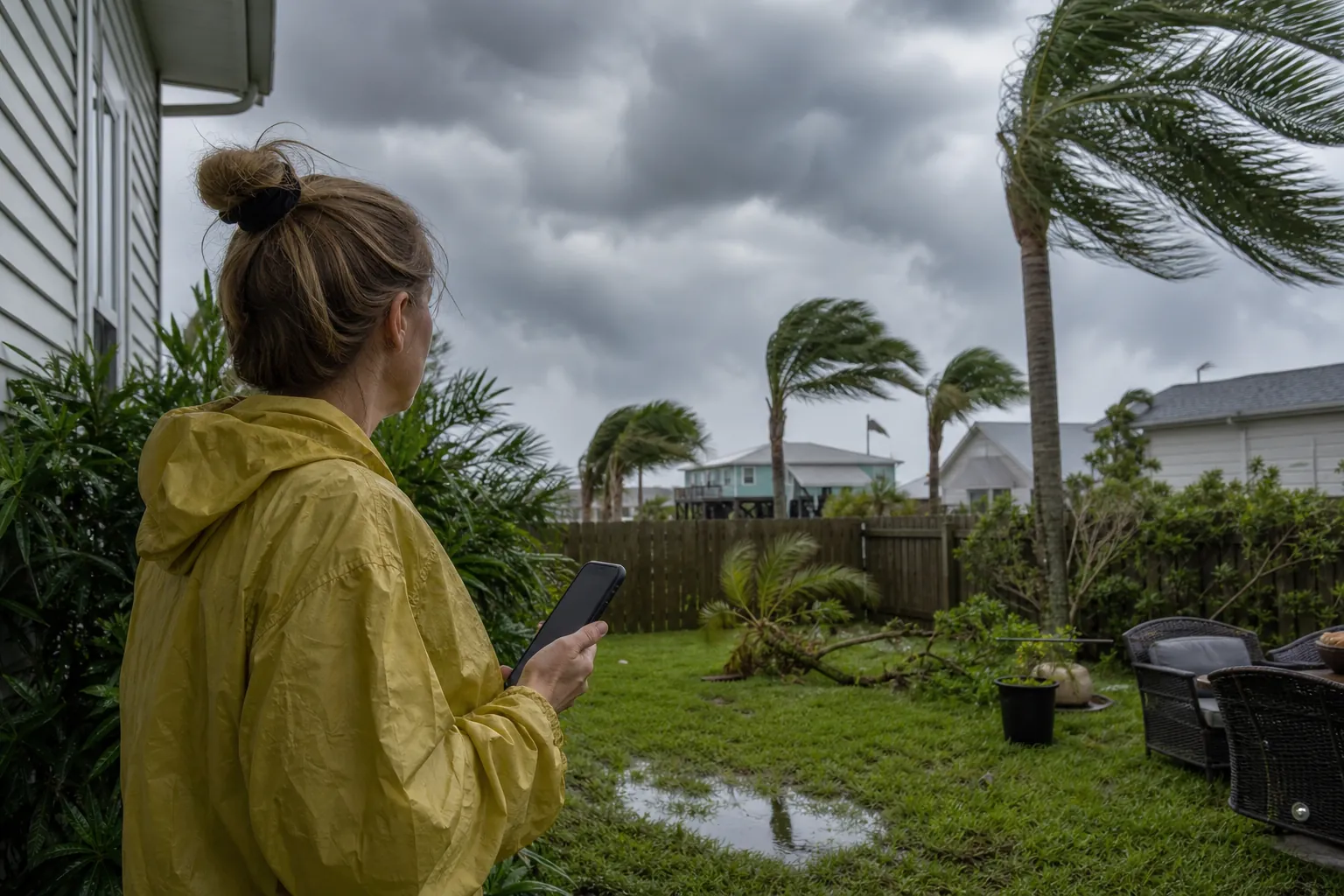
Hurricane Yard Prep Checklist in Pensacola, FL calls for clear notes and a careful household plan.
Prepare for a hurricane by making a household yard communication checklist, not a tree work plan. For a Pensacola household, choose one shared note and name a message lead. Record known details, then list observations and open questions separately. It does not recommend pruning, removal, bracing, or wind protection. Instead, everyone can use the same notes before and after the storm. The linked OSHA sources explain specific storm-work hazards. The checklist can also help you prepare a simple message.
What Comes First For Hurricane Yard Prep Checklist?
Your checklist should include household contacts, a simple yard reference, dated observations, open questions, and the official safety notes below. Read Florida Foliage’s business background for context. Use its contact page if you want to get in touch.
Keep the checklist short. Another household member should understand it without a long explanation. A notebook page or shared document is enough. The goal is clear messages. You do not need a technical report.
Use familiar place labels. “Tree beside the driveway” may be clearer than an unconfirmed species name. If two places have similar names, add a simple detail, such as “near the front window.”
- Write the names and preferred contact methods of the people who need household updates.
- Choose one place for the current checklist so older copies do not compete with it.
- Sort known details, what people saw, and questions under clear labels.
- Write “not known” when a detail has not been established instead of filling the gap with a guess.
Start with details your household already has. You do not need to go outside to make the note. A useful first version can list names, yard labels, and questions.
How Do You Separate Observations From Diagnosis?
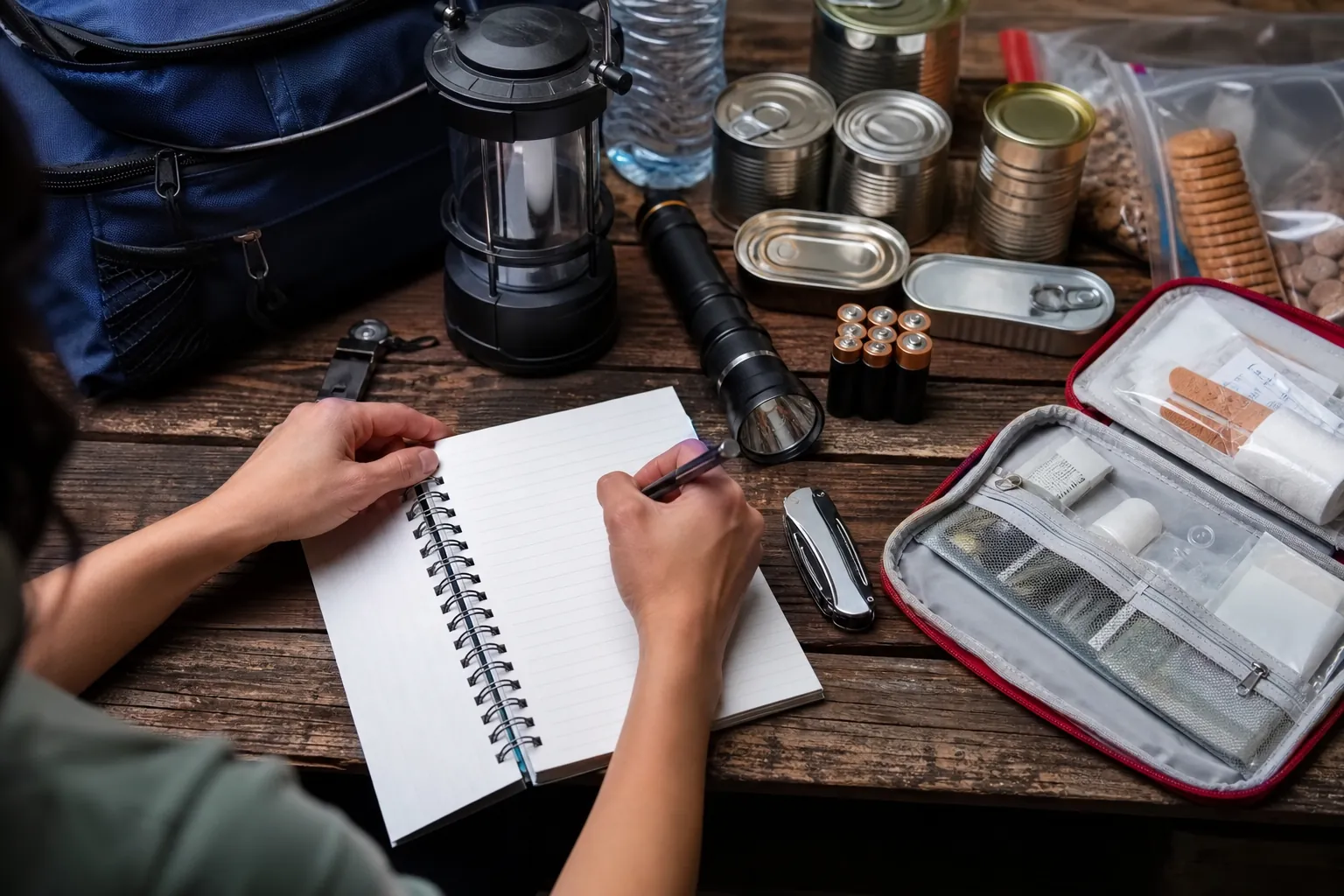
A note says what someone noticed. A diagnosis explains a condition or what it means. Keep them apart in your household note. Florida Foliage’s tree trimming page and tree removal page explain those service terms. A description or photograph alone cannot show which service is right.
Plain words help show the difference. “A branch looks lower than in our earlier picture” compares two images. “This tree will fail” is a conclusion. Your note has not established that. Do not turn a visible change into a prediction.
A photo can show which feature a message mentions. It cannot prove a tree is safe. Add the date when you know it. Mark an uncertain date as unknown. Describe what the photo shows. Do not add what you think it means.
- Write down who noticed it and the date, when known.
- Use phrases such as “appears,” “reported,” and “not confirmed” when they accurately describe the information.
- Put guesses in the questions section. Do not present them as facts.
- Keep the original words if a short summary leaves out something important.
For example, someone at home might write, “I saw material across the driveway in the photo we have.” The next line could ask, “What details would help in a call?” This keeps what they saw apart from any suggested action.
Assign Message Roles Without Assigning Yard Work
Use the Florida Foliage contact page if you want to get in touch. The business background page gives more context. At home, assign communication tasks only. Do not use this checklist to plan tree or debris work.
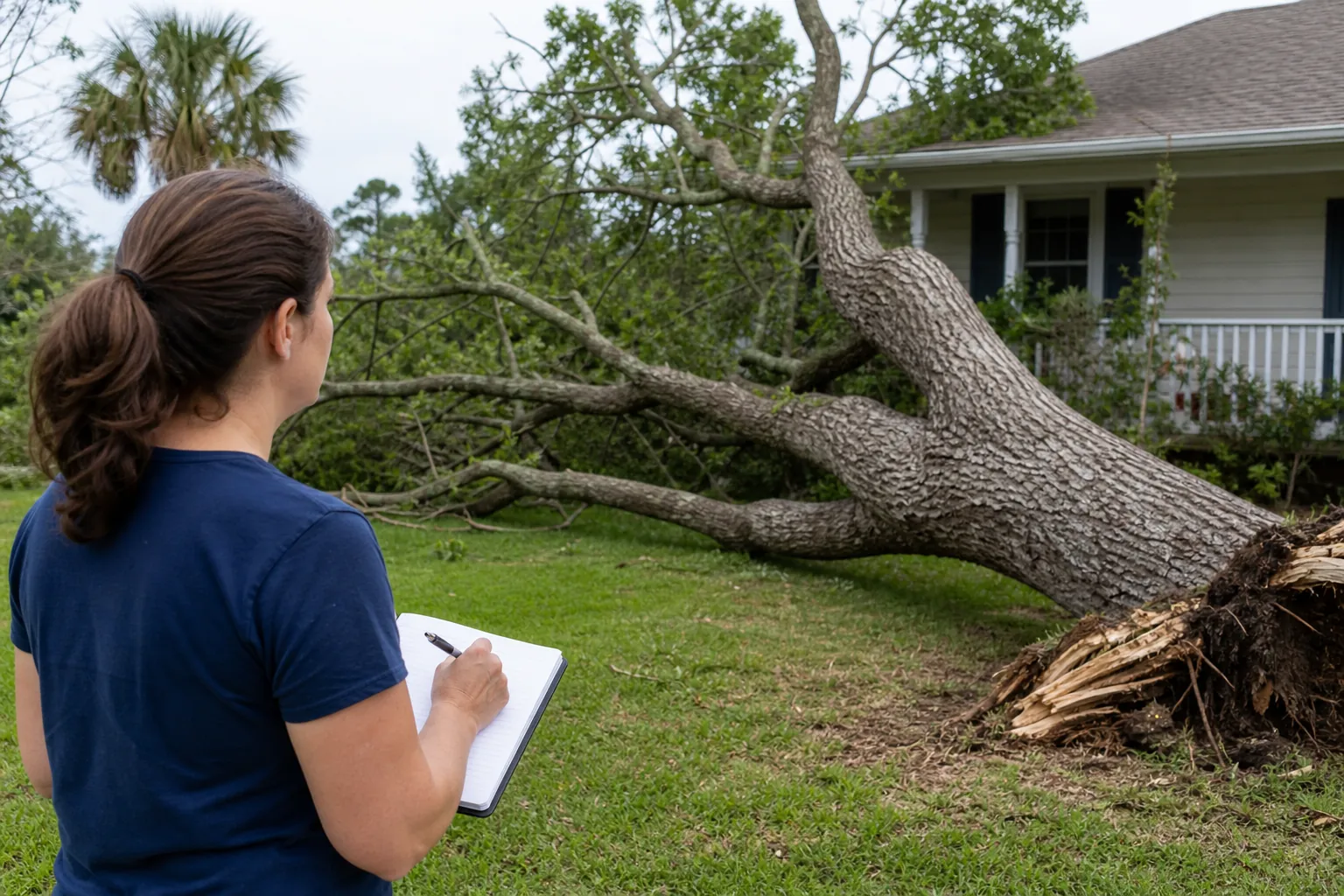
Choose a coordinator who can collect messages and keep the main note readable. Name a backup so the document does not depend on one person being available. The coordinator’s task is to organize information, not to decide whether a tree is sound.
Agree on a simple update format. A note with a place name, what someone saw, and a question is easier to sort than a long thread with mixed topics. If someone has nothing new to add, there is no need to manufacture an update.
- Name a main contact and a backup to update the shared note.
- Ask household members to send corrections to the same person or shared note.
- Name who will write any outside message and who should get the reply.
- Keep message roles apart from choices about tree or debris work.
Also decide how to mark an update as read. A brief acknowledgment can be enough. Avoid treating silence as agreement about the condition of the yard. The note should show what people have actually communicated, including open questions.
If several people contribute, preserve their names next to their observations. This helps the coordinator ask for clarification without guessing who supplied a detail.
Which Source-Linked Cautions Belong in the Note?
Use the OSHA cautions below and keep their links. Do not write your own safety rules. The tree removal overview and tree trimming overview explain service categories. The OSHA sources below provide the storm-work cautions. Neither type of page tells you what work a particular tree needs.
OSHA’s activity sheets address storm-related work. Use these facts as cautions in your notes. They are not work instructions. Do not add guessed distances, equipment advice, or household tests.
- Storm-damaged tree work has falling-limb and unstable-tree hazards. Keep this caution attached to its OSHA tree-work source.
- Downed electrical conductors can energize trees and fences. Avoid direct and indirect contact, as stated in the OSHA electrical-contact caution.
- Tensioned tree material and trees that may roll or slide during felling are hazards, according to the OSHA storm tree-work guidance.
- Keep nonessential people outside work and drop areas, following the OSHA work-area guidance.
- Keep nonessential people away from debris machinery, as directed in the OSHA debris collection guidance.
- Debris can hide meters and fire hydrants, according to the OSHA debris collection source.
- Stay clear of leaking hazardous chemical containers; assessment by hazardous-material response personnel is needed, as stated in the OSHA chemical-container caution.
Keep OSHA cautions apart from household observations. Readers can then tell which details come from OSHA and which came from a family member. Copy the source link whenever you share a caution.
Build One Shared Checklist in Five Steps
Put Florida Foliage company information and contact options in a reference area. Keep them apart from yard observations. Then follow these steps to assemble your household note. These steps organize household information. They are not directions for tree work.
- Give the shared note a clear name, date, coordinator, and backup contact so readers can identify the current version.
- Use familiar yard labels throughout the note, and leave tree names unknown when you cannot confirm them.
- Keep visible observations, secondhand reports, and open questions in separate sections without changing the meaning of earlier messages.
- Keep the OSHA source links beside summarized cautions in a separate reference section for the household.
- Check that household members understand the labels and contacts, then agree on who will handle the next message.
Your checklist can be brief. Remove duplicate messages, but keep details that change an observation’s meaning. A short note with clear unknowns is more useful than polished wording that hides uncertainty.
- Keep one current version and clearly label any older copy.
- Use a separate heading for questions that have not received an answer.
- Review contact details for accuracy without adding unnecessary personal information.
How Should You Contact Florida Foliage?
Florida Foliage is based in Daytona Beach. Call (386) 481-7913 or use the contact page to ask about current service options for your Pensacola home. Read the business background for more context.
Keep a first message simple: “I have a household yard question about my Pensacola property. Can you tell me what service options are current, and what details would help?” This asks for details without assuming a service arrangement.
If you continue the conversation, use the same place labels as your checklist. Describe what you noticed as your own words, and say when details are unknown. You can ask what details would help before choosing a service category.
- State Pensacola as the location at the start of the inquiry.
- Ask about availability rather than inferring it from the website or this article.
- Offer a concise description from the shared note without presenting a diagnosis.
- Record the reply separately from household assumptions so its wording stays clear.
Clinton Funk is Florida Foliage’s owner and has decades of hands-on tree care experience. That background does not mean he personally reviewed this article or a particular household’s yard. Tim Francis has content and editorial responsibility for this guide.
Keep Later Updates Clear and Useful
Return to the contact information when a message needs a follow-up, and use the company profile when you need business context. For household updates, keep using the same note. A new message should add information or clarify a question, not silently replace the earlier record.
Label each update by what changed in the note. That might be a corrected place name, a newly received reply, or an observation supplied by another household member. Keep the writing factual and short.
- Add a date to new observations when the date is known.
- Mark a question as answered only when the note contains the actual answer.
- Briefly note any correction that changes how earlier messages read.
- Leave unresolved items visible instead of deleting them to make the checklist look finished.
The checklist is ready when another household member can find the contacts and know the place names. They should distinguish what someone saw from what someone thinks, and find the linked cautions. The note does not need to assess every tree. Its purpose is clear communication.
Frequently Asked Questions
Read the Florida Foliage background page for business details. The contact page lists ways to reach the company. These answers show how to use your household checklist.
Does this checklist tell me which tree work to request?
No. The checklist organizes contacts, observations, questions, and linked cautions. It does not recommend pruning, removal, bracing, or wind protection. Describe what you noticed. Keep questions about a tree’s condition separate. A service page explains a category, not whether your yard needs that work.
Can a photograph prove that a tree is safe?
No. A photo cannot prove a tree is safe. It can help identify a feature mentioned in a message. Keep its caption descriptive. Add the date if known, mark uncertainty, and separate questions from what the image shows.
What if household members describe the same place differently?
Choose one familiar label for the note. List other names beside it. Ask each person which place they mean. Do not combine observations just because their wording sounds similar. Keep the original message so you can check whether they mean the same tree or yard feature.
Does this Pensacola guide mean Florida Foliage serves my location?
No. This checklist helps organize a household inquiry. Call Florida Foliage to ask about current service options for your Pensacola home.
Who is responsible for this article’s content?
Tim Francis has content and editorial responsibility for this guide.
Call (386) 481-7913 to talk through next steps.