Reviewed by Clinton Funk
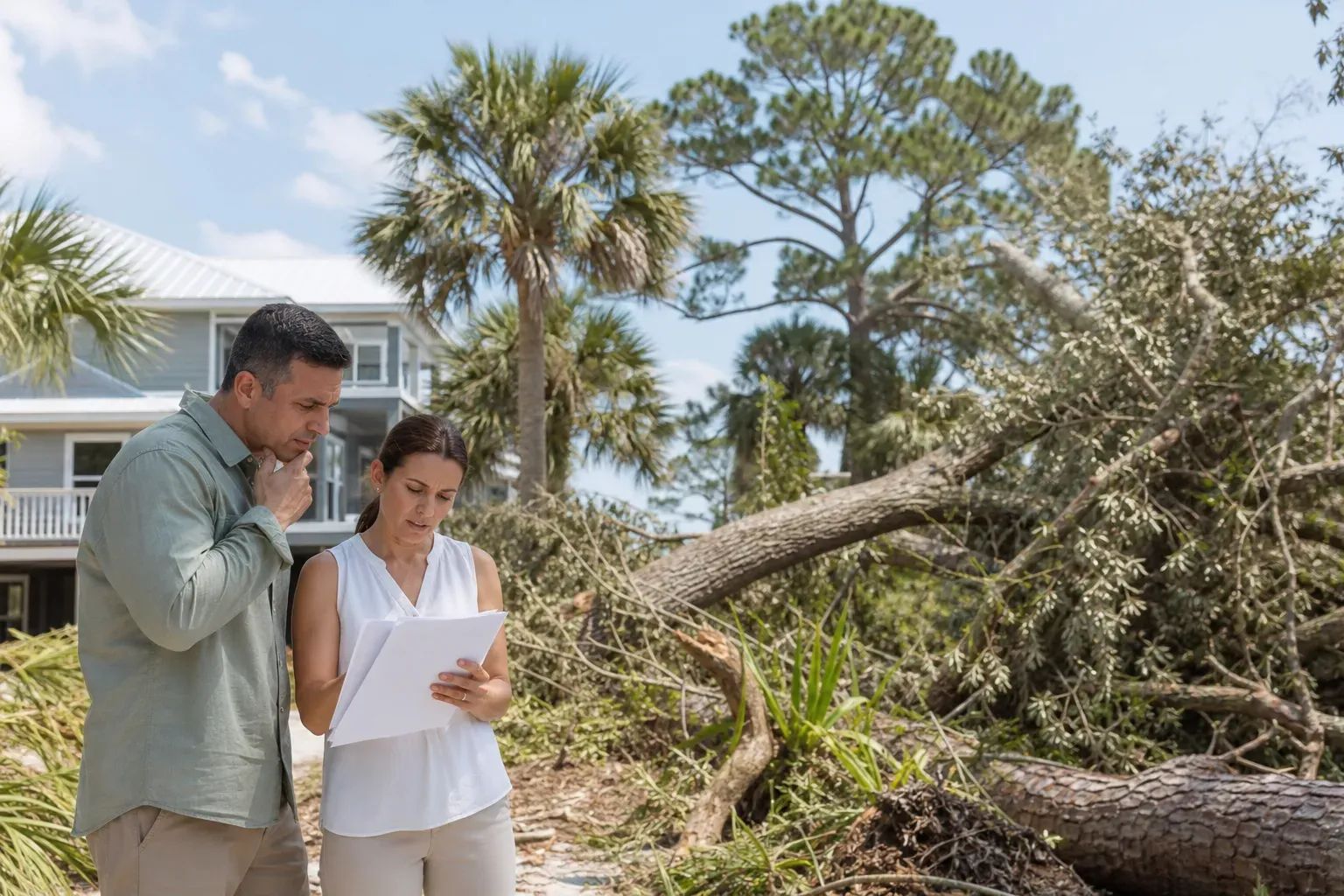
Compare written tree work quotes by scope, not price alone. Each quote should name the trees, work limits, debris plan, exclusions, and final checks. For Hurricane Isaias Comparing Tree Work Quotes In Pensacola, the key question is simple: are the bids pricing the same job?
This is an educational guide for Pensacola property owners. Florida Foliage is based in Daytona Beach and serves Volusia and Flagler counties. It does not offer Panhandle or Alabama crews through this article.
Storm conditions can change before work begins. Check the dated October 9 NHC advisory and National Weather Service guidance for Mobile/Pensacola. Follow local orders. A quote is not permission to enter an unsafe site.
What should Hurricane Isaias Comparing Tree Work Quotes In Pensacola cover?
Start with the same written job description for each bidder. The Pensacola tree risk questions guide and Pensacola root recovery guide offer related tree-care background. They do not decide insurance, contract, or permit questions for your property.
A one-line quote leaves too much room for doubt. “Remove storm damage” may mean taking down one tree. It may mean cutting a fallen trunk into pieces. Neither phrase confirms that the contractor will haul those pieces away.
Use photos taken from a safe place to identify trees. Label them by location, such as “oak beside rear fence.” Do not rely only on tree species or size. Two trees can look much alike from the street.
Ask each bidder to address the same points:
- The quote should identify each tree or damaged limb included.
- It should state whether the work is removal, pruning, or cleanup.
- It should explain what wood and brush will leave the site.
- It should state whether stump work is included or separate.
- It should list known access limits and site protection measures.
- It should define the visible condition expected at completion.
Separate the work into clear groups. These might be tree work, hauling, stump work, and site cleanup. That makes a missing item easier to spot. It also helps when one contractor includes a task that another excludes.
Do not compare totals until the scope matches. A lower bid may leave more work behind. A higher bid may include hauling or equipment that another lists separately. Neither fact alone proves which quote is better.
Use this comparison process:
- Give each bidder the same tree list and safe-view photos.
- Ask for a written scope with clear limits.
- Mark each task as included, excluded, or still unclear.
- Ask for revised terms where the bids differ.
- Compare the totals only after those differences are clear.
Keep the revised quote with the original. Written changes should show which version controls the job. Avoid approving work while key tasks still depend on a verbal explanation.
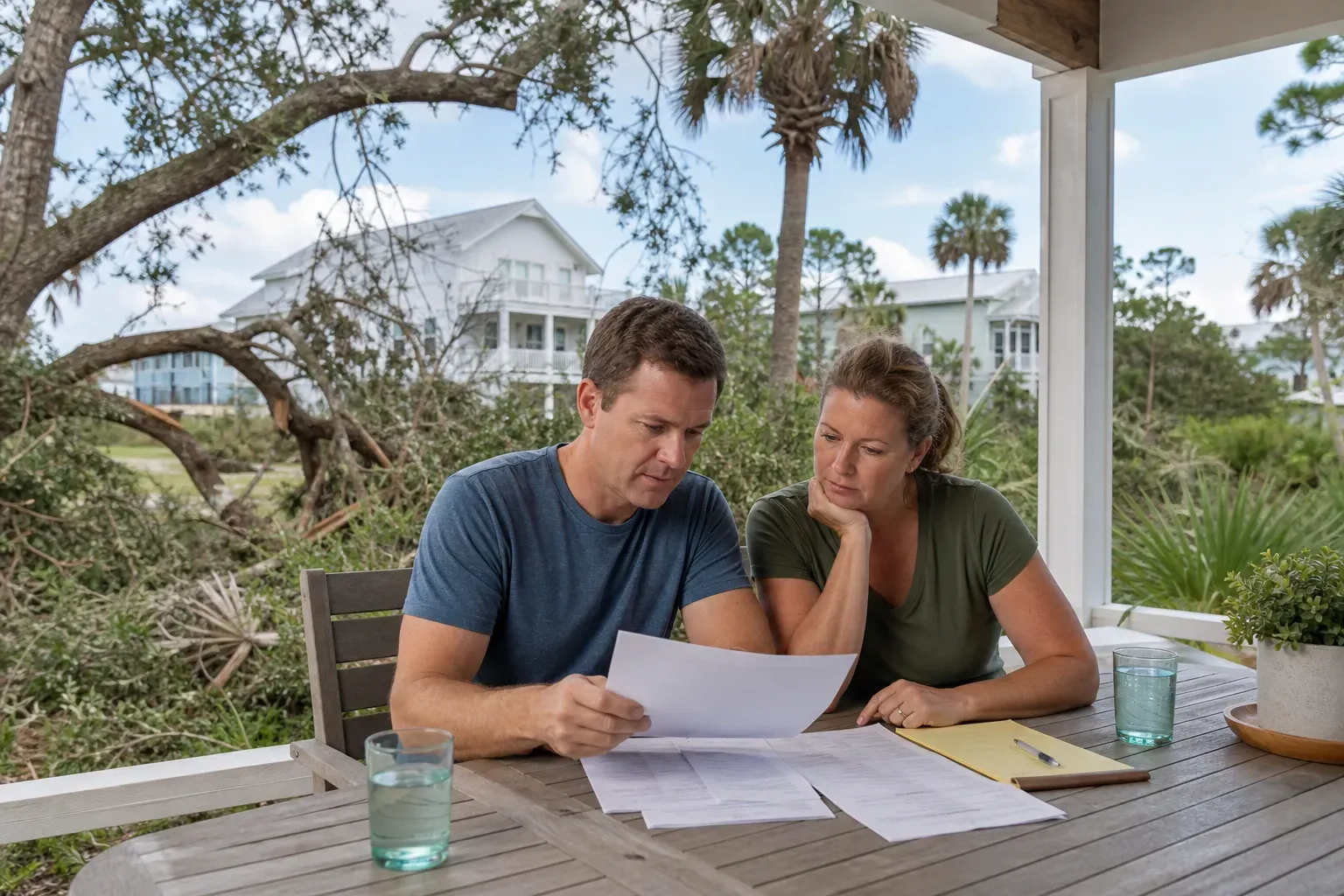
How do you compare pruning with full tree removal?
Ask why the proposed tree care fits the tree and site. The Pensacola tree risk questions guide and Pensacola root recovery guide offer related tree-care background. They do not decide insurance, contract, or permit questions for your property.
Two quotes may differ because they propose different treatments. One may call for removal. Another may call for pruning and later checks. Those are not equal bids, even when both describe “storm cleanup.”
A tree can look damaged without needing full removal. It can also retain green leaves while posing a serious risk. Photos and price lists cannot settle that question. Ask a qualified arborist to assess uncertain trees before choosing a plan.
The ISA tree owner resources provide guidance on tree risk, pruning, and storm damage. They can help you frame questions. They do not replace a site assessment.
For a pruning quote, ask what the first visit covers. The contractor should explain which damaged parts will be addressed. Ask whether future visits are part of the price or separate work.
According to UF/IFAS storm restoration guidance, recovery pruning can extend over several years. Large branch wounds are less likely to close over than small ones. Later work may address new growth and weak branch structure. A cleanup visit is not the same as a full recovery plan.
Palms need a different approach from broadleaf trees. UF/IFAS advises keeping bent green fronds unless they pose a hazard or interfere with the bud. The bud is the growing point where new leaves form. Removing too much live foliage can reduce the palm's ability to recover.
Ask for these distinctions in writing:
- The quote should separate hazard cleanup from later restoration work.
- It should explain whether removal is proposed or already agreed upon.
- It should describe palm work without assuming all bent fronds need removal.
- It should state whether later inspections or pruning visits cost extra.
Do not treat fertilizer or chemical treatments as automatic storm repairs. UF/IFAS palm recovery guidance reports no research documenting the benefits of fungicides after a hurricane. Any proposed tree care needs a reason specific to the palm, with label rules followed where relevant.
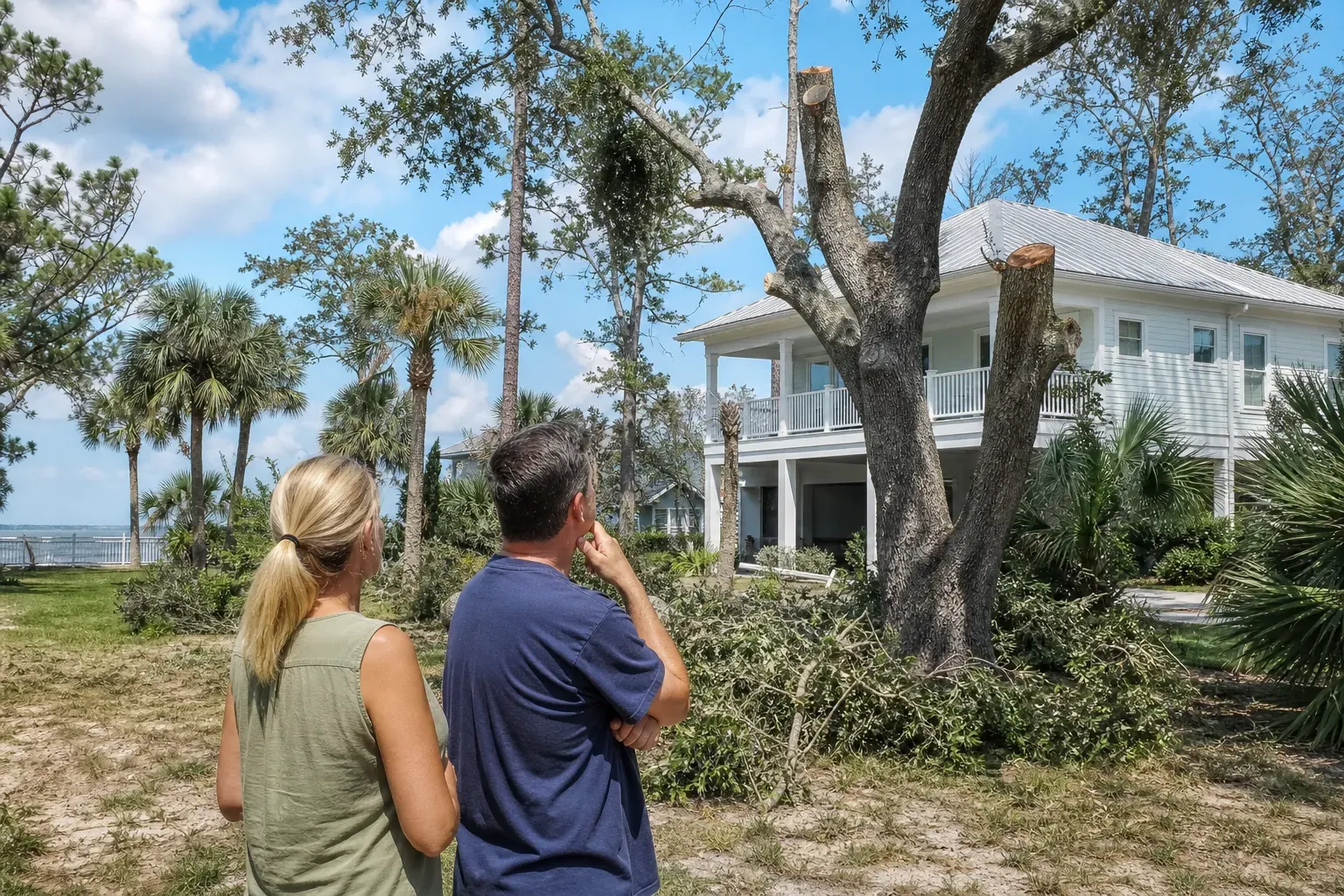
Which exclusions and access terms can change the price?
Read access and exclusions together before approving a quote. The Pensacola tree risk questions guide and Pensacola root recovery guide offer related tree-care background. They do not decide insurance, contract, or permit questions for your property.
Access affects how the job can be done. A narrow gate may limit equipment choices. A blocked drive may prevent truck entry. Soft ground may require a different plan. Ask the bidder to record the conditions used to prepare the quote.
You do not need to choose the equipment yourself. You do need to know where the crew plans to work. The written plan should identify entry points, staging areas, and any property features that need protection.
Ask who handles fence panels or gates that must move. Confirm whether that work includes putting them back. If access crosses another property, resolve permission before work starts. Do not assume a contractor's quote grants that permission.
Common scope questions include:
- Does the price include removing wood trapped under other debris?
- Does it include moving and replacing an agreed fence section?
- Does it include surface cleanup beyond loose brush and chips?
- Does it include stump grinding, or only cutting near ground level?
- Does it include work on nearby trees beyond the named items?
An allowance is a budget amount for a task whose cost is not yet fixed. An exclusion means the quote does not include that task. These terms should not be used as if they mean the same thing.
For each allowance, ask what it covers and how the final cost will be set. Request a clear approval point before spending beyond it. For each exclusion, decide whether you need a separate quote.
Hidden damage can still change a sound plan. The quote should explain what happens if the crew finds it. Ask who may approve changes and how the price will be recorded. Where safe, new work should wait for written approval. Immediate hazards belong with the appropriate emergency service or public authority, not a price negotiation.
Who handles permits, shared trees, and debris hauling?
Assign these duties before work begins. The Pensacola tree risk questions guide and Pensacola root recovery guide offer related tree-care background. They do not decide insurance, contract, or permit questions for your property.
A Pensacola mailing address does not settle which rules apply. Confirm whether the property is within city limits or another jurisdiction. Then ask the relevant office about the proposed tree work.
The City of Pensacola arborist page says permits are needed for heritage-tree pruning or removal. It also describes rules for protected trees and public rights of way. Protected-tree requirements depend on land use. Do not assume storm damage removes those requirements.
Ask whether the quote includes permit coordination. It should name the party responsible and state whether fees are included. Any claimed exemption should be checked with the authority that governs the property.
For projects outside Pensacola, consult the correct office. Santa Rosa County Development Services and Escambia County Development Review provide official contact routes. Their pages do not, by themselves, confirm approval for a specific tree job.
For shared work, separate consent from payment. A neighbor who agrees to pay part of the bill may not control the property where equipment must enter. Identify who can authorize each part of the job. Boundary or ownership disputes may need legal advice before work proceeds.
Debris terms should answer more than “cleanup included.” Ask where the wood goes and who pays to move it.
- The quote should distinguish on-site piles from off-site hauling.
- It should state whether loading and disposal charges are included.
- It should specify hauling plans for logs, brush, chips, and stump waste.
- It should name any material the contractor will leave behind.
Do not assume curb placement guarantees public pickup. The Pensacola Sanitation Services page describes yard-waste services, but storm instructions may differ. Confirm current collection rules with the city before making public pickup part of your plan.
How should payment terms and insurance documents be compared?
Compare payment triggers as closely as work scope. The Pensacola tree risk questions guide and Pensacola root recovery guide offer related tree-care background. They do not decide insurance, contract, or permit questions for your property.
A written quote should show the payment schedule. Check these terms:
- When the deposit is due.
- Which work must be done before each progress payment.
- When the final balance is due.
Tie payments to stated events, not vague phrases such as “mostly complete.”
Also ask how added work will be billed. A revised scope should show the price change before you approve it. If there are unit charges, such as a charge per load, ask how quantities will be recorded. Keep all invoices and receipts.
Contractor insurance documents and homeowner coverage serve different purposes. Contractor documents help you check the coverage presented for the work. Your property policy controls whether an insurer pays for your loss. One document does not guarantee the other.
If insurance documents are unclear, seek verification from the issuer or relevant insurer. Do not infer specific coverage from a logo, job title, or verbal claim. Ask a qualified adviser about terms you do not understand.
The Florida CFO homeowners insurance overview explains that tree and debris removal coverage varies. Coverage may apply when a fallen tree damages insured property, subject to policy limits. A tree that falls without damaging covered property may be treated differently.
Ask your insurer what records it needs. Take photos only from a safe location. Keep the written scope, revised quote, invoice, and proof of payment. Document any temporary protection work without taking unsafe steps yourself.
Review your deductible rather than estimating it from the contractor's price. The Florida CFO hurricane deductible guide explains that hurricane deductibles can affect claims. Your policy and claim facts control the result. A contractor's quote is not a coverage decision.
What should count as completed and accepted work?
Define completion while comparing bids, not after the crew leaves. The Pensacola tree risk questions guide and Pensacola root recovery guide offer related tree-care background. They do not decide insurance, contract, or permit questions for your property.
Acceptance means checking whether the agreed work was delivered. It does not mean certifying that every remaining tree is safe. Nor does it guarantee future tree health or storm performance.
Use visible, specific checks that match the quote. “Clean yard” is open to debate. “Remove listed logs and brush from the rear work area” gives both parties a clearer target.
Review the result from a safe place with the contractor:
- Confirm that work addressed each named tree or limb.
- Check whether hauling matches the written debris plan.
- Note any agreed stump work that remains unfinished.
- Check whether moved gates or fence panels were restored as agreed.
- Record open items and the plan for addressing them.
Do not enter a marked work zone to inspect it. Keep away from hanging branches, unstable trees, and utility hazards. Refer urgent hazards to emergency services or the utility. Follow official site restrictions even if work appears finished.
Compare the final invoice with the approved quote and changes. Ask for clear descriptions of added tasks. Keep a written list of unresolved items rather than relying on a phone discussion.
If the dispute concerns tree health or the quality of pruning, seek a qualified arborist's assessment. For contract or claim disputes, consult the appropriate adviser. A homeowner walkthrough can confirm visible tasks, but it cannot replace technical or legal review.
Frequently asked questions
Should I choose the lowest tree work quote?
Choose only after the scopes match. A low total may exclude hauling, stump work, or access tasks. Ask for missing details before deciding. Check that each quote covers the same trees and cleanup tasks. Price matters, but only when you know what it buys.
Can I approve storm tree work before checking permits?
Do not assume storm damage creates a permit exemption. Ask the local authority about the exact property and work. For an immediate threat, contact emergency services or the relevant public authority. Follow their direction rather than delaying life-safety action for quote comparisons.
Does every storm-damaged palm need its bent fronds removed?
No. UF/IFAS advises retaining green bent fronds in many cases because they help recovery. Hazardous fronds and those blocking the bud need separate assessment. Have the proposed work reviewed for the palm's condition, rather than requesting removal of all bent foliage.
Will homeowners insurance pay the full tree cleanup bill?
That cannot be determined from a quote. Coverage depends on your policy, the loss, limits, and deductible. Ask your insurer about the specific damage and required records. Keep scope and claim decisions separate so neither rests on an unsupported promise.
Does Florida Foliage provide Isaias tree work in Pensacola?
No Panhandle or Alabama service is offered through this article. Florida Foliage is based in Daytona Beach and serves Volusia and Flagler counties. This guide provides general quote-comparison help, not a local crew offer. Pensacola owners should confirm service coverage with each bidder.
About the author: Tim Francis is a Tree Content Expert. No practitioner credentials are claimed here.
Drafting disclosure: This article was drafted with AI assistance. It provides general education, not an individual tree assessment, legal opinion, or insurance coverage decision.
Florida Foliage is a Daytona Beach tree service that works with an ISA Certified Arborist consultant.
For properties in Volusia and Flagler counties, call (386) 481-7913 to discuss tree work.
Call (386) 481-7913 to talk through next steps.