Reviewed by Clinton Funk
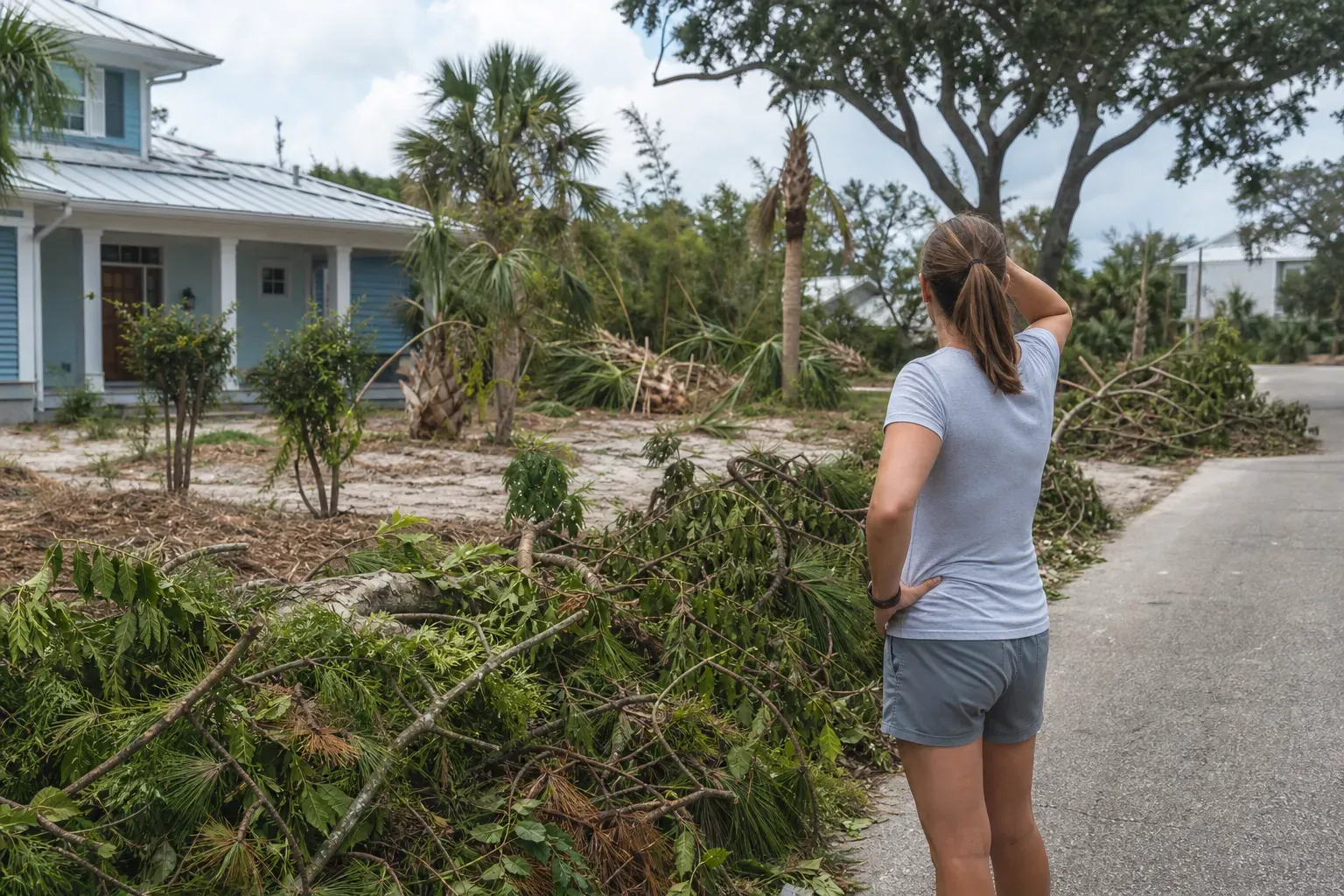
Start with your address, not a nearby debris pile. Ask your city, county, or waste provider whether your site qualifies for pickup. Then check the current rules before moving debris or paying for hauling. Hurricane Isaias Debris Pickup Questions Around Pensacola hinge on who serves the site, who created the debris, and whether a storm pickup program has been announced.
This guide explains what to verify. It does not check an active pickup schedule, open drop-off site, or pickup deadline. The supplied October 9 advisory describes Isaias. Forecasts and local plans can change. Check the dated October 9 NHC advisory and current local notices. Forecast pages do not establish who qualifies for debris pickup.
Who can answer Hurricane Isaias Debris Pickup Questions Around Pensacola?
The agency serving your exact address should answer first. Road status and local boundaries matter. For private cleanup background, see storm debris hauling and tree risk assessment.
A Pensacola mailing address alone may not settle who collects waste. Start with your waste bill or service account. Ask whether your address falls within that provider's service area. Then ask whether storm debris uses the same provider or a distinct program.
The City of Pensacola Sanitation Services page says the department handles garbage, recycling, and yard waste for city residents and businesses. Use that page to find the city's contact details. The page alone does not prove that a special Isaias pickup has begun.
Use this numbered check before making cleanup plans:
- Check the site address. Give the full street address and unit number, if needed. Ask which agency handles storm debris there.
- Check the service type. Ask whether the notice covers routine yard waste, special storm pickup, or resident drop-off.
- Check the debris source. State whether a resident or paid contractor performed the work. Do not assume both qualify.
- Check access and placement rules. Describe a private road, gate, narrow entrance, or beach access issue before moving material.
- Check the notice date. Ask which current notice governs your address. Save the link and any case number.
Ask for written instructions when possible. A dated notice is easier to check than a shared screenshot. Save the page title, issue date, and agency name. If instructions conflict, ask the agency which version applies.
A truck nearby does not mean your home qualifies. It may serve a different route, type of site, or contract. Ask a clear question: “Does this program serve this address and take this type of debris?”
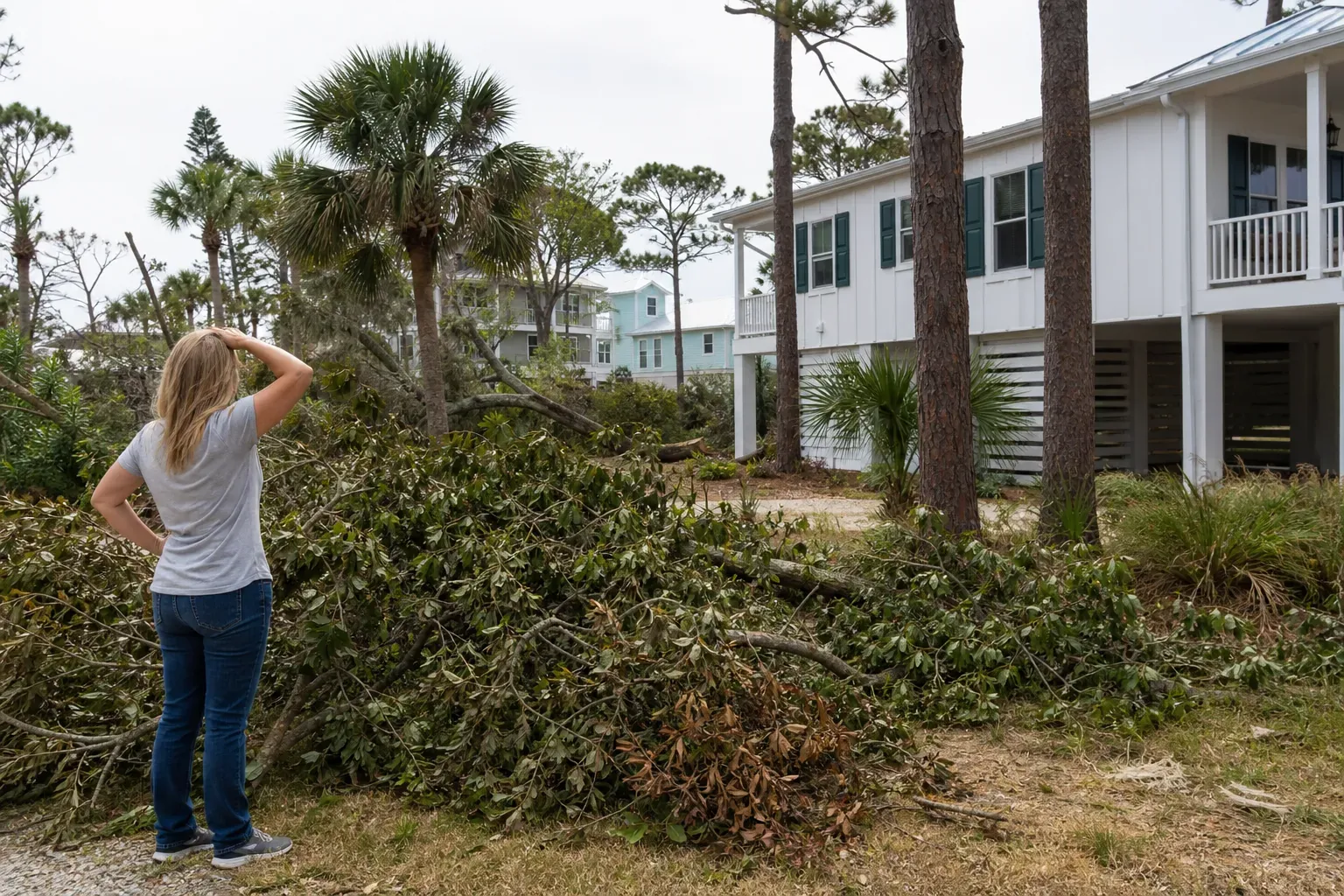
How do you verify current pickup notices and deadlines?
Read the current notice from the agency that serves you. For private cleanup background, see storm debris hauling and tree risk assessment.
A storm warning and a pickup notice serve different purposes. The National Weather Service Mobile/Pensacola page provides weather details. Local pickup agencies set their own debris instructions. Neither a forecast nor a landfall report tells you when crews will reach your street.
Check whether a notice states all of the following:
- It names the service area. Look for clear boundaries or an address lookup. A countywide headline may still need more detail.
- It names the allowed material. Check whether tree debris is included and whether contractor-generated waste has distinct rules.
- It states the action date. Distinguish the date to place debris from a planned pickup date or final pass.
- It gives a contact method. Look for a phone number, request form, or route status page.
- It explains changes. Check for later updates that replace an earlier notice.
A set-out deadline tells you when to place debris. It may not tell you when crews will pick it up. A start date is not a promise for each street. Ask what the date means before you plan work around it.
If no storm notice is posted, do not invent a rule. Ask whether regular yard-waste service remains in effect. Also ask whether the agency expects a distinct announcement. Keep those answers distinct from any forecast about the storm.
Safety comes before pickup timing. Escambia County's evacuation guidance directs residents to heed local officials. Do not delay an ordered evacuation to prepare debris. Avoid entering an unsafe area just to meet a possible deadline.
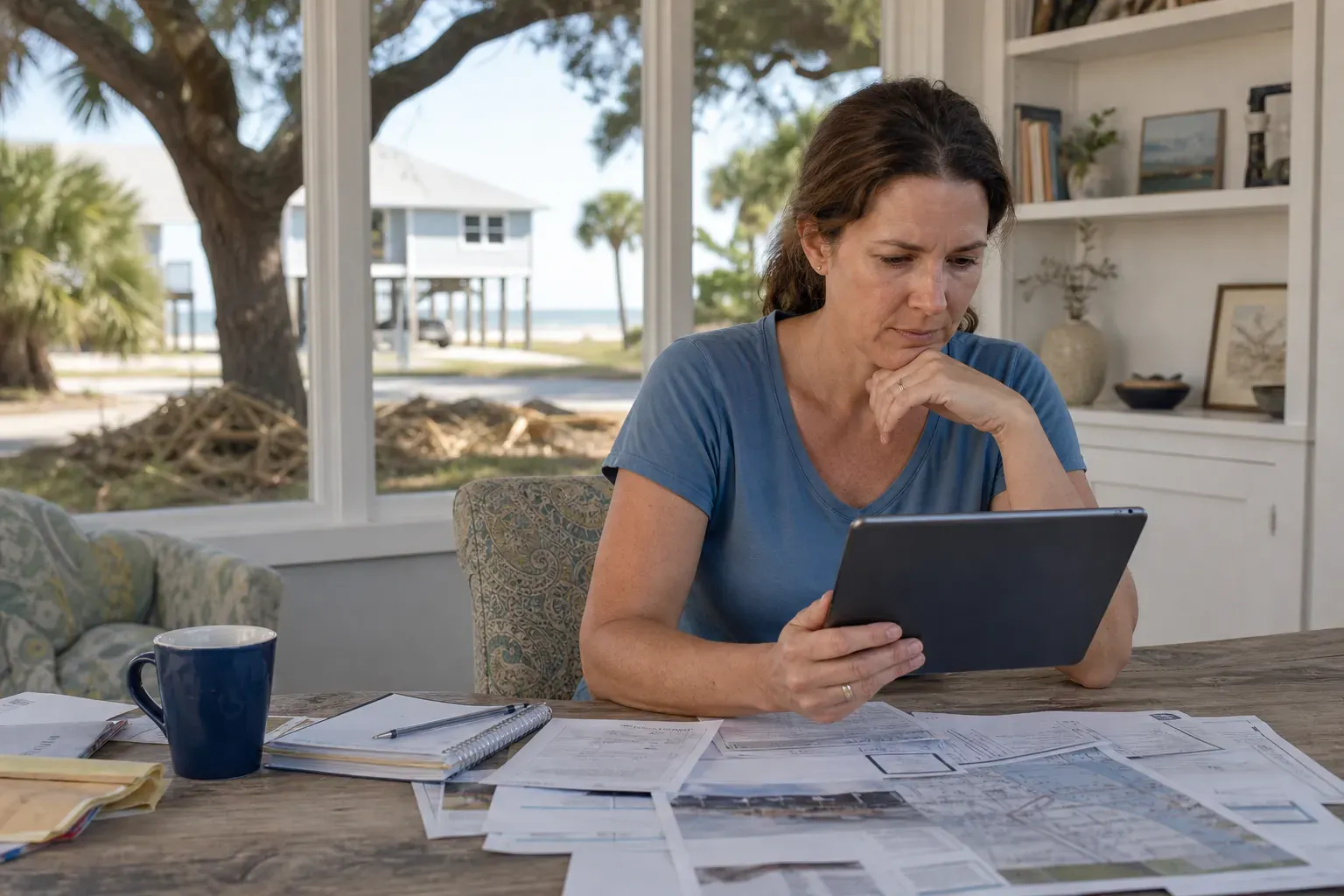
Will private roads, gated areas, or contractor debris qualify?
Get a clear answer before signing a hauling agreement. For private cleanup background, see storm debris hauling and tree risk assessment.
Ask three things: Can crews use the road? Does the program cover your home? Will it take your debris? The agency may need to check each point. A gate code is not proof of consent to enter. A pile crews can reach may still fall outside the rules.
Describe your site. Do not guess at the legal rules. Is the road private? Does an association manage it? Is there a gate or other limit on access? Tell the agency these facts. Ask who must give consent and how that process works.
For paid cleanup, get the waste plan in writing. A tree-work quote may not cover the same tasks as a public pickup notice. Does the price cover taking debris off your land, hauling it, and disposing of it? Or does it cover only cutting and cleanup? Ask before you sign.
Useful questions include:
- Ask who owns the hauling task. The agreement should say whether the contractor removes the debris or leaves it for another party.
- Ask whether public pickup accepts that debris. Describe the paid work rather than calling it ordinary yard waste.
- Ask how disposal charges are handled. Find out whether they are included, distinct, or subject to a stated condition.
- Ask what happens if pickup is refused. Resolve that duty before the work begins.
Do not rely on “the county will take it” without a current source. Ask which notice supports that statement. If the notice is unclear, contact the pickup agency directly.
Consent to prune or remove a tree is another issue. Pensacola's City Arborist page states that permits are needed for work on trees in public rights of way. It also describes rules for heritage and protected trees. These rules should not be applied to another local office by assumption.
For project-specific questions, contact the proper office. Santa Rosa Development Services handles land-use and permitting questions. Escambia Development Review provides a distinct county contact. Those pages are not storm pickup schedules.
What should you ask about drop-off sites, limits, and rejected piles?
Verify site rules before loading a vehicle or paying a hauler. For private cleanup background, see storm debris hauling and tree risk assessment.
A pile that qualifies for curbside pickup may not qualify for drop-off. Normal site hours do not mean the site is open after a storm. Ask the staff whether it is open now. Check which loads it takes and what proof of your home address you need.
Check these points without assuming a local limit:
- Ask who may use the site. Resident access may differ from commercial or contractor access.
- Ask what records are required. Check whether ID, an address record, or other proof is needed.
- Ask which load limits apply. Get current size, weight, vehicle, and trailer rules from the operator.
- Ask whether charges apply. Check any fee before travel. Do not treat a past free program as current policy.
- Ask whether unloading help is available. Do not assume staff or equipment will be provided.
Pensacola's Sanitation Services page describes a recycling drop-off program limited to city residents. That information does not establish a tree-debris drop-off site. Verify the purpose of a facility before taking material there.
If trucks pass but leave your pile, ask why. The agency may need to check the pile. A pile left behind does not prove that crews rejected it or missed your stop.
Report the address, notice you followed, and date you observed pickup. Include photos from a safe location if the agency accepts them. Ask whether the pile is still pending, outside the route, or subject to a specific rule.
Do not move it onto another site or public space to seek pickup. First get the agency's answer. If a return visit is offered, ask whether you must submit a request. Keep its reference number for follow-up.
How should tree safety, insurance, and pickup plans fit together?
Keep tree assessment separate from hauling decisions. Pickup rules do not establish whether a damaged tree is safe to approach or retain. For private cleanup background, see storm debris hauling and tree risk assessment.
A pickup program collects debris that meets its rules. It does not check whether a damaged tree is safe. Keep these safety steps distinct from pickup plans:
- Keep people back. Avoid hanging limbs, leaning trunks, damaged roots, and power lines.
- Call the utility. Report concerns about trees near power lines.
- Get urgent help. Call emergency services for an immediate threat.
Do not climb, cut suspended limbs, or work beneath damaged branches. Seek a qualified tree expert for site-specific tree check. The ISA's Tree Owner Resources include guidance on tree risk, pruning, and storm damage.
Visible canopy damage does not settle whether a tree needs removal. UF/IFAS restoration guidance describes follow-up pruning over several years for suitable storm-damaged trees. It notes that large branch wounds are less likely to close than smaller ones. Recovery needs an individual tree check, not a blanket promise.
Palms need careful review too. UF/IFAS palm hurricane guidance recommends keeping broken leaves that remain green because they help the palm recover. It also says full canopy replacement takes at least a year, usually longer. Avoid stripping live foliage just to make cleanup look complete.
Document site damage when it is safe. The Florida CFO homeowners insurance overview recommends photos before temporary repairs when possible, plus accurate records and receipts. Never enter a hazard area for claim photos.
The same source explains that tree-removal coverage often depends on damage to insured property, with limits and policy-specific terms. Do not assume every fallen tree or hauling bill is covered. Ask your insurer or agent about your own contract.
Keep public pickup and insurance questions distinct. Neither one proves the other will pay. The Florida hurricane deductible guide explains deductible rules. It does not determine your claim outcome. This article offers general education, not individual legal or insurance advice.
Frequently asked questions
Is special Isaias debris pickup confirmed for my address?
This guide does not check a special pickup program. Ask the agency that serves your exact address for its latest notice. Check whether the program covers your home and your type of debris. A storm forecast alone does not mean crews will collect your pile.
Can a tree contractor leave debris for public pickup?
Only rely on that plan after checking the agency's rules. State that a paid contractor created the debris. Then ensure the work agreement clearly assigns hauling and disposal duties. Do not assume the same pickup rules apply to resident and contractor debris.
What if trucks passed but left my pile?
Report the address and ask for the reason. Provide the notice you followed and safe photos if requested. Ask whether another pass is planned or a service request is needed. Keep the case number rather than assuming the pile was rejected.
Does homeowners insurance pay for all tree debris removal?
There is no single answer for every home. The Florida CFO says coverage can depend on damage to insured property, with limits and terms that vary by policy. Some policies cover blocked access too. Ask your insurer or agent what your own policy pays for before you count on that money.
Does Florida Foliage provide cleanup around Pensacola?
Florida Foliage is based in Daytona Beach and serves Volusia and Flagler counties. This regional guide does not imply Pensacola, Panhandle, or Alabama crews, offices, service, or availability. Pensacola-area pickup questions belong with the relevant local agency.
Author: Tim Francis, Tree Content Expert. This title does not represent practitioner credentials.
Drafting disclosure: This article was drafted with AI assistance using the supplied public sources. It does not independently verify live forecasts, pickup notices, site access, or individual eligibility. Check those details with the responsible agency.
Florida Foliage is a Daytona Beach tree service that works with an ISA Certified Arborist consultant.
For tree work in Volusia or Flagler County, call (386) 481-7913 to request a free on-site estimate.
Call (386) 481-7913 to talk through next steps.