Reviewed by Clinton Funk
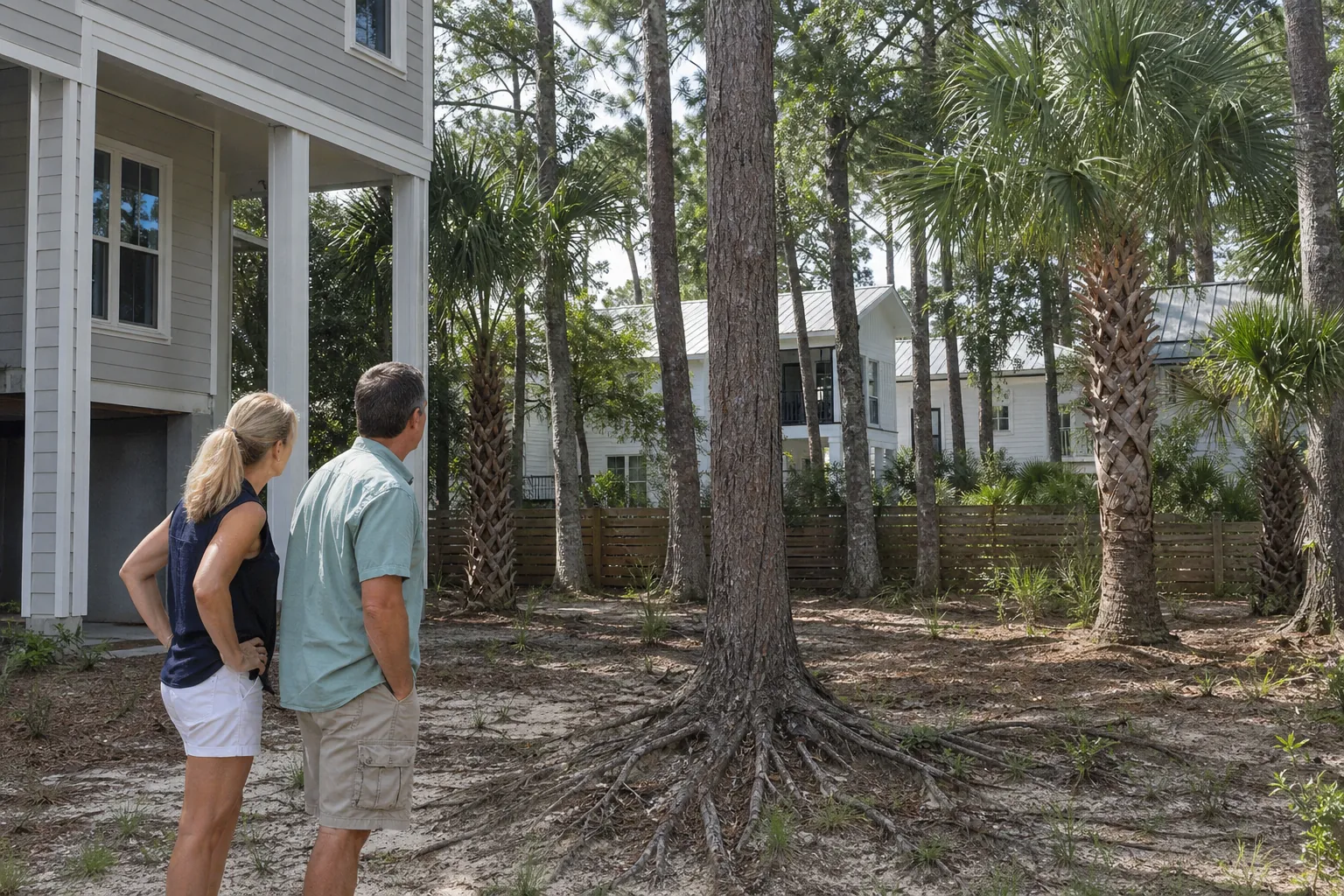
Tell a qualified tree assessor about past digging, fill, paving, and changes in ground level near your trees. Share dates, photos, and known work limits from a safe place. For Hurricane Isaias Root-Zone Construction History In Escambia, the goal is a clear site history, not a homeowner test of root strength. Past work alone does not prove that a tree will fail.
This guide covers what to report and what to ask. It does not replace an on-site tree risk assessment. During storm warnings, follow public officials first. Do not enter a closed area or approach a tree near fallen wires.
Why does Hurricane Isaias Root-Zone Construction History In Escambia matter?
Past site work adds context to the broader Isaias tree-risk questions for Pensacola homeowners. An assessor needs more than the tree's current look. The history may help explain what deserves a closer look. For related background, see tree inspection background.
A trench may have been filled years ago. A raised bed may hide the old ground level. New turf can make a work area look unchanged. Your records can show changes that are no longer clear. They cannot show, by themselves, how sound the roots are now.
The root zone means the ground where a tree's roots grow. Give the assessor the work location rather than deciding whether it was close enough to matter.
The International Society of Arboriculture's tree owner resources include guidance on avoiding tree damage during construction. They also cover tree care of construction-damaged trees and tree risk. These are related subjects, but they are not the same question. A record of work is not a finding of present risk.
Useful history separates three kinds of information:
- Known facts describe work you saw or can document. A dated photo of an open trench is stronger evidence than a guess about its route.
- Reported facts come from someone else. Identify who told you about the work, if known.
- Unknowns stay unknown until someone can check them. Say that you do not know whether roots were cut.
Storm conditions add a separate safety concern. The supplied October 9 NHC advisory describes Isaias and hazards for the northern Gulf Coast. It is a dated bulletin, not a lasting forecast. Check the latest official guidance before making plans. For Escambia County, also follow updates from the National Weather Service Mobile/Pensacola office.
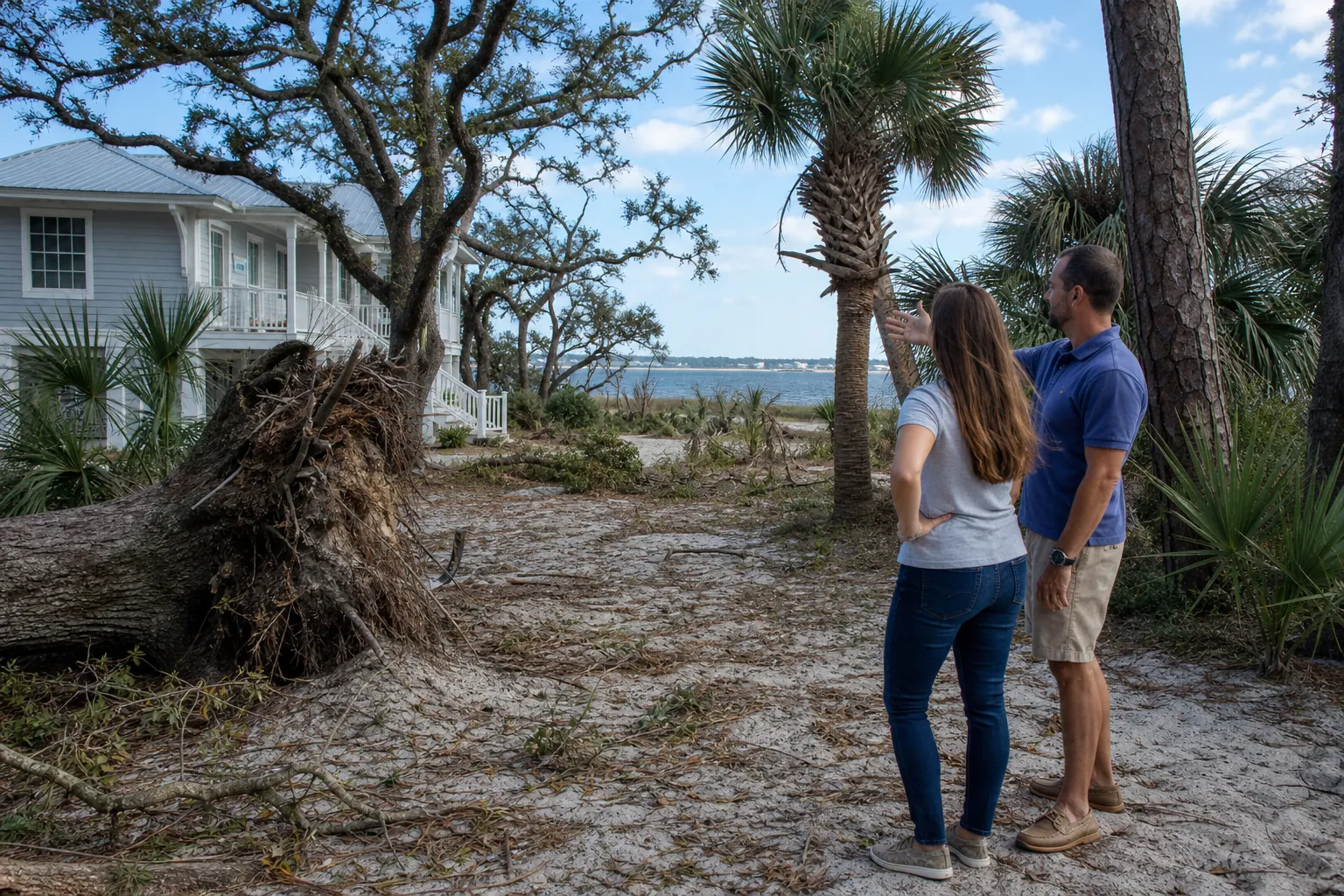
Which past projects should you tell an assessor about?
Start with work that changed the soil or used heavy equipment near the tree. A complete review can consider them without confusing their causes. For related background, see tree cabling and bracing background and Bunnell hollow trunk assessment article.
Report work even if it had no obvious effect at the time. You do not need to label it harmful. Describe what happened, where it happened, and what you know. Let the assessor decide its relevance.
Digging and trenches
Mention work for water lines, sewer lines, drains, cables, and irrigation. Include pool work, footing work, and fence-post digging. Tell the assessor which side of the tree was involved. Note whether you saw an open trench or only the finished surface.
- Share the route shown in plans or old photos. Do not assume a straight path between two visible fixtures.
- Give the depth only when it is known. If it is an estimate, clearly label it that way.
- Mention roots that workers said they cut. Keep that report distinct from roots you saw yourself.
Do not dig to find an old trench. Finding buried utilities and checking roots requires suitable expertise. A storm risk review is not a reason to disturb the site.
Fill and changes in ground level
Report added soil, removed soil, raised beds, and work to level a yard. A change in grade means a change in ground height. An old photo may show where the soil once met the trunk.
Give the rough area affected. Say whether soil was brought in or taken away. Avoid guessing at the total depth when you have no record. Even a broad description can help frame the next questions.
Paving and equipment use
Mention a new driveway, patio, walkway, or parking pad. Include where trucks drove and where materials were stored. If you know the former surface, describe it too.
A new hard surface is worth reporting. It does not, by itself, reveal the state of nearby roots. Neither does a patch of thin grass. These are site details for review, not proof of failure.
Drainage changes
Tell the assessor about new drains, swales, and altered downspout routes. Note areas that began holding water after a project. Separate those patterns from water that appeared during the current storm.
Use plain facts such as, “This corner stayed wet after the patio work.” Do not turn that fact into a tree assessment. The assessor may need more information to interpret it.
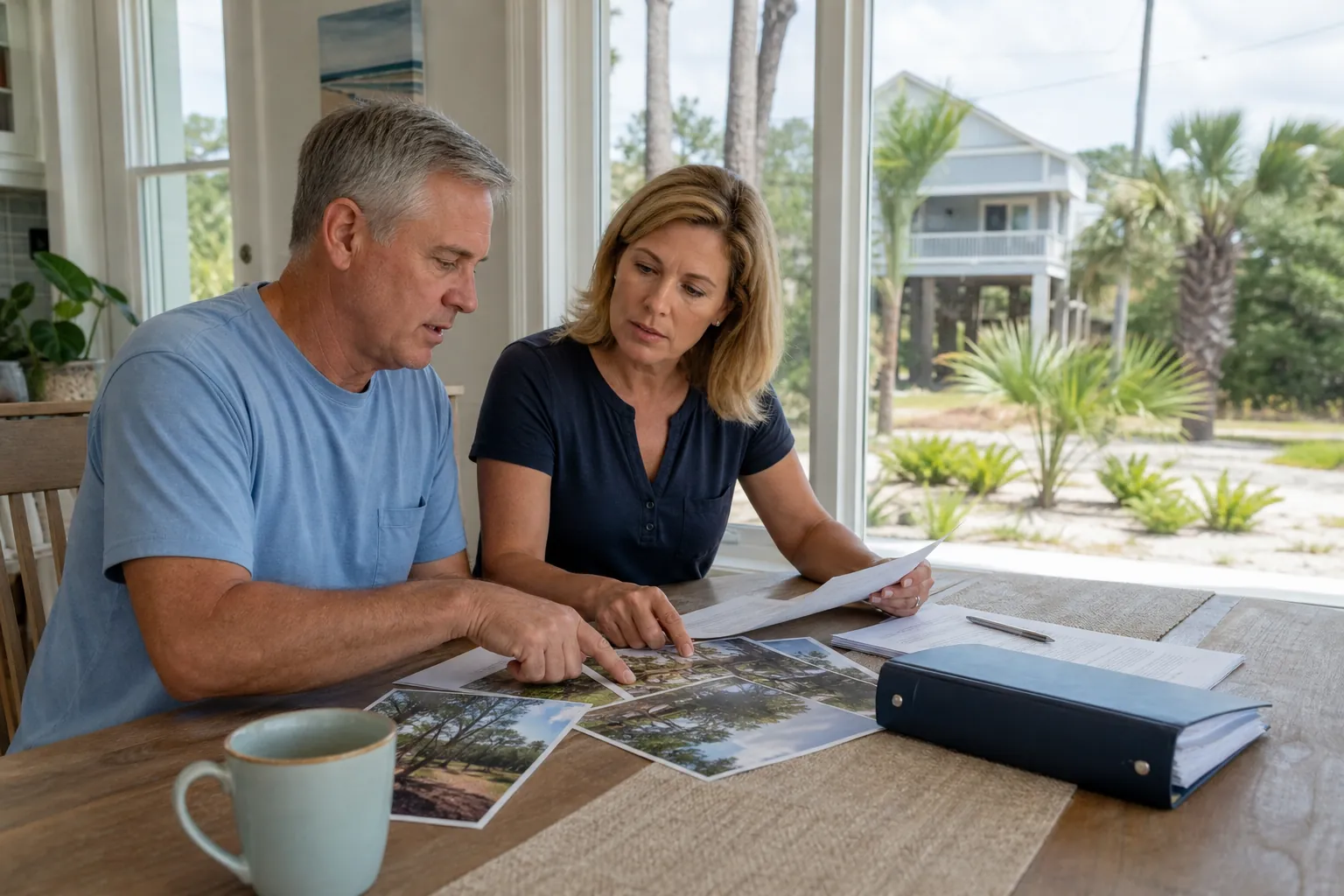
How can you build a useful history without going near the tree?
Gather records from a safe place before trying to inspect anything. The wider Pensacola homeowner tree-risk guide helps frame the whole review. For related background, see tree inspection background.
A short timeline is often more useful than a long story. Aim for one page with a few clear photos. Missing details are normal, especially on an older property. Make the gaps easy to spot.
Use this order:
- Identify the tree from existing records. Use a yard sketch, old photo, or simple label such as “oak beside rear patio.” Avoid labels that could fit several trees.
- List each known project and its date. Give the year or a date range if that is all you know. Include work completed before you bought the property.
- Describe where the work took place. Mark the side of the tree and the known work area. Use plans or existing photos rather than taking new measurements during unsafe conditions.
- Attach a small set of useful records. Choose before-and-after photos, plans, invoices, or contractor notes that show the work's location or scope.
- Separate observations from guesses. State which details you saw, which someone reported, and which remain unclear.
- Add your questions for the assessor. Ask what the history can establish and what still needs an on-site review.
Records from inside the home can be enough to start. Check saved phone photos, email, and project folders. Ask a former owner or contractor for records when practical. Do not delay an evacuation or urgent safety action to gather them.
An invoice may confirm that work occurred. It may not show the exact route, depth, or care taken near roots. A plan may show intended work rather than the final result. Tell the assessor what each record actually documents.
A useful note might read: “A drain was added beside the back patio in 2022. The invoice confirms the job. One photo shows part of the trench. I do not know its full depth or whether roots were cut.” This is a sample format, not an account of a real property.
Keep original files when possible. If you mark a photo, save a separate copy. Clear labels help the assessor follow the history without mistaking your marks for features on the ground.
What should you ask the tree assessor about excavation and grade changes?
Ask how the work history affects the scope of the review. Each issue needs its own evidence. One visible feature should not become the explanation for every concern. For related background, see Bunnell hollow trunk assessment article and tree cabling and bracing background.
The first useful question is simple: “What can you tell from these records, and what can you not tell?” That sets a clear limit. A photo of a trench may locate past work. It cannot guarantee the tree's current stability.
Follow with questions that help you understand the next step:
- Ask whether the records locate the work well enough. The assessor may need a clearer plan or a contractor's account.
- Ask which parts of the site need closer review. Do not request digging or root removal as a default step.
- Ask how the current tree and site affect the judgment. The history is only one part of the assessment.
- Ask what limits remain after the inspection. Hidden roots and gaps in records may leave uncertainty.
- Ask whether further review is needed. Any proposed method should have a clear purpose and suitable oversight.
- Ask what actions are appropriate for the findings. Do not assume past work means removal is required.
Do not ask for a guarantee that a tree will survive a hurricane. No project file can provide that promise. A useful review explains findings, limits, and reasonable options.
Keep urgent concerns distinct from routine planning. If a tree has shifted, split, or dropped a large limb, do not approach it to compare old photos. Keep people away and seek appropriate help. Report wires or electrical hazards to the utility or emergency authorities. Follow local emergency directions where life or access is at risk.
Avoid arranging cuts based only on a suspicion about roots. Canopy work needs its own assessment. In its storm restoration guidance, UF/IFAS describes staged care and minimizing live tissue removal. It does not offer a universal pruning fix for a hidden root concern.
How should this history guide storm preparation and recovery?
Use the history to improve communication, not to test the tree. The broader Isaias questions for Pensacola homeowners cover the wider risk discussion. For related background, see tree inspection background.
Before hazardous weather, send the records to the professional reviewing the tree when practical. Explain your concern in one sentence. For example, you may want to know whether old trench work needs closer review. Do not present the history as proof that the tree is unsafe.
During warnings, put personal safety first. Follow evacuation instructions and local alerts. The NWS Mobile/Pensacola office provides official regional weather information. Do not use this article, a tree estimate, or an old forecast to decide whether to stay in a warned area.
After the storm, wait until access is safe. Share new damage reports with the assessor from a safe location. Note what changed, but keep the old construction history intact. A new event and an old project may both matter without having a proven link.
- Do not pull on a tree to judge its strength. Home tests cannot establish its safety.
- Do not uncover roots to look for damage. That can create further disturbance and utility hazards.
- Do not enter a damaged canopy's reach for better photos. Images are not worth exposure to falling limbs.
- Do not treat a green crown as proof of sound roots. Ask for a review of the specific concern.
Care after a storm also depends on tree type. UF/IFAS advises retaining bent green palm fronds in many cases because they support recovery. Its hurricane-damaged palm guidance also distinguishes care for replanted palms from care for palms that were not uprooted. These details support a cautious approach, not a blanket tree care plan.
Escambia County readers should seek qualified local help for site-specific decisions. Florida Foliage is based in Daytona Beach and serves Volusia and Flagler counties. This educational article does not imply crews, service, or availability in Escambia County, the Panhandle, or Alabama.
Frequently asked questions
Does past digging mean my tree will fall during Isaias?
No. Past digging is relevant history, not a forecast of failure. Share what is known with a qualified assessor. The tree's current condition, site, work location, and gaps in evidence all need consideration. Follow official storm instructions regardless of what the records suggest.
Should I measure the trench's distance from the trunk now?
Not if doing so means entering an unsafe area. Use plans, old photos, or an existing site sketch first. Label any estimate clearly, and note which record you used. Do not go outside just to measure. A qualified professional can decide what measurements are needed when conditions allow a safe visit.
What if the work happened before I bought the property?
Report what you know and explain its source. Saved listing photos, contractor records, and information from a former owner may help. Do not fill gaps with firm claims. “Date unknown” and “route uncertain” are useful labels, not failures in your notes.
Can pruning correct damage from an old trench?
Do not assume so. Pruning does not establish the condition of hidden roots. Any canopy work should follow a review of the tree and site. Ask the assessor to explain the purpose of proposed work and the limits of what it can address.
Do palms need different questions after construction and a storm?
Yes. Share the same site history, but ask for palm-specific advice. Include whether the palm was moved or replanted. UF/IFAS distinguishes post-storm care for replanted and non-uprooted palms. Do not add fertilizer, remove green fronds, or apply treatments merely because past ground work occurred.
Editorial disclosure
This article was drafted with AI assistance. Tim Francis is identified as Tree Content Expert, not as a credentialed tree practitioner. The article provides general education, not an individualized tree assessment or safety clearance.
Florida Foliage is a Daytona Beach tree service that works with an ISA Certified Arborist consultant.
For tree work in Volusia or Flagler County, call (386) 481-7913 to request a free on-site estimate.
Call (386) 481-7913 to talk through next steps.