Reviewed by Clinton Funk
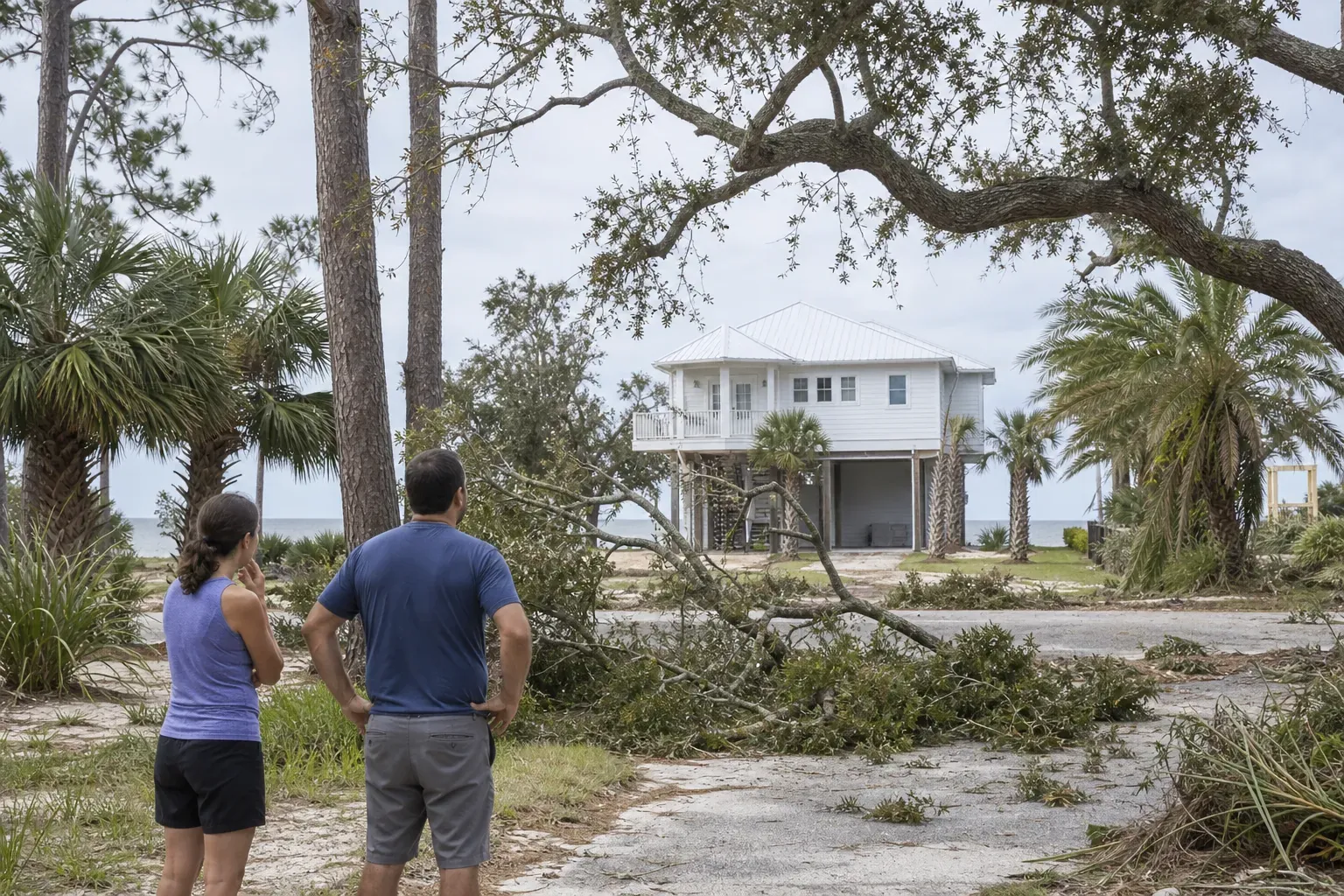
For Hurricane Isaias Tree Permit Questions Around Pensacola, start with the site's city or county in charge. Then check who owns the tree and which written rules apply. Storm damage alone does not prove that removal needs no permit. Ask the relevant office about permits and any current exceptions. Check required records and public land before approving work.
This guide helps you plan questions. It cannot issue a permit. It does not offer crews in the Panhandle or Alabama. Florida Foliage is based in Daytona Beach and serves Volusia and Flagler counties.
Storm conditions and official instructions can change. Check the National Hurricane Center advisory and National Weather Service Mobile/Pensacola updates for dated guidance. This article is not a live warning feed. Follow local evacuation orders and keep clear of damaged trees.
Who handles Hurricane Isaias Tree Permit Questions Around Pensacola?
The answer depends on the parcel. Its mailing address alone is not enough. The Isaias tree-risk questions for Pensacola homeowners and Isaias root-zone recovery questions provide related background. These pages cannot judge your tree or rule on your site.
A Pensacola mailing address does not, by itself, settle which office handles it. Ask if the site lies in the city or outside it. Ask who controls any road or public land beside the tree.
The City of Pensacola's tree guidance states that trees on city-owned land and city rights of way are city trees. It also says permits are required when a citizen wants to prune or remove them. Do not treat a curbside tree as yours just because you maintain the grass nearby.
For private trees, the city's guidance distinguishes protected and heritage trees. A heritage tree is a protected tree that meets the city's larger size threshold. The page states that heritage-tree pruning or removal needs a permit. It also says that protected-tree rules depend on land use. These rules should not be extended to other cities or counties.
Use this order to find the right contact:
- Find the parcel address and parcel ID number.
- Check if the parcel is inside city limits.
- Find if the tree is on private or public land.
- Describe the planned work as pruning, removal, or debris cleanup.
- Ask which office checks that work at that site.
- Ask for the rule and form in writing. Ask which exceptions apply.
Send a short, clear request. For example: “This tree is on parcel [number]. We propose [work]. Which office decides if consent is required?” Include safe photos if available. Ask staff to redirect the request if another agency is in charge.
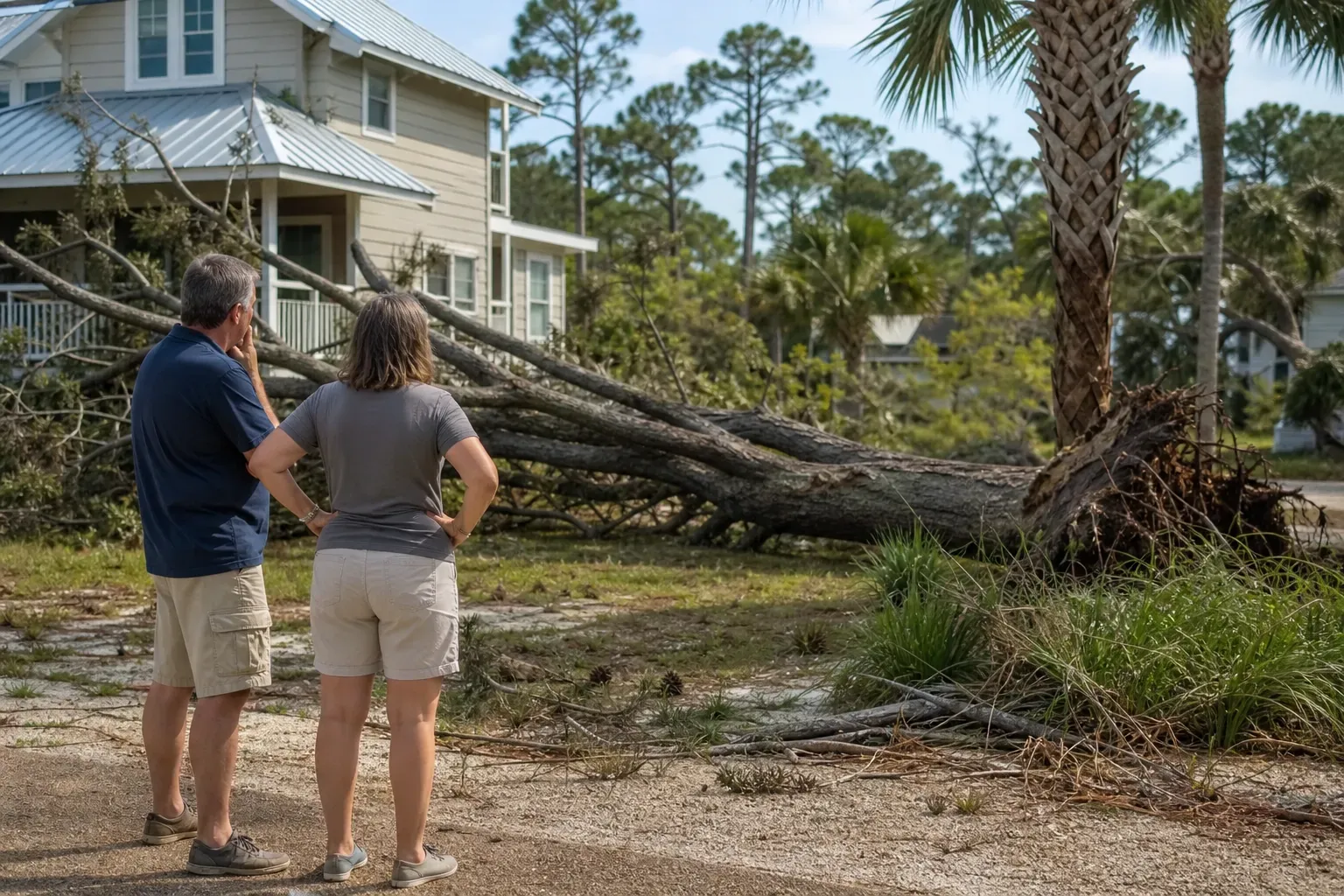
Does storm damage remove the need for a tree permit?
Do not assume that it does. The Isaias tree-risk questions for Pensacola homeowners and Isaias root-zone recovery questions provide related background. These pages cannot judge your tree or rule on your site.
“Storm damaged” can describe very distinct conditions. A tree may have fallen completely. Another may have broken branches but remain standing. A third may look intact while raising concerns about its roots. Those descriptions do not all point to the same permit question.
Tell the office what you can observe from safety. Avoid labeling a tree “hazardous” as though that settles its legal status. Ask if the agency needs a tree assessment, photographs, a site plan, or another record.
Useful questions include:
- Ask if the rule treats a fallen tree differently from a standing damaged tree.
- Ask if pruning and full removal need distinct consents.
- Ask if protected or heritage status changes the review.
- Ask if a storm-related exception applies to this exact work.
- Ask what records are needed to use any stated exception.
- Ask if a written notice or later filing is required.
The Pensacola tree page gives specific permit guidance for city, protected, and heritage trees. It does not support a general claim that every storm-damaged tree can be removed without review.
Likewise, Santa Rosa County Development Services gives land-use and permit contacts. It says that permit and planning forms use My Government Online. Its building-permit guidance does not prove that tree removal is exempt.
Separate urgent safety from routine consent. If a tree threatens people, stay out of the area. Contact the appropriate emergency office. For wires or utility equipment, contact the utility and keep away. Do not climb, cut hanging limbs, or move wood near lines.
Ask officials how urgent conditions affect the process. Do not delay seeking emergency help while gathering permit records. Conversely, do not assume a storm notice authorizes all later landscape work.
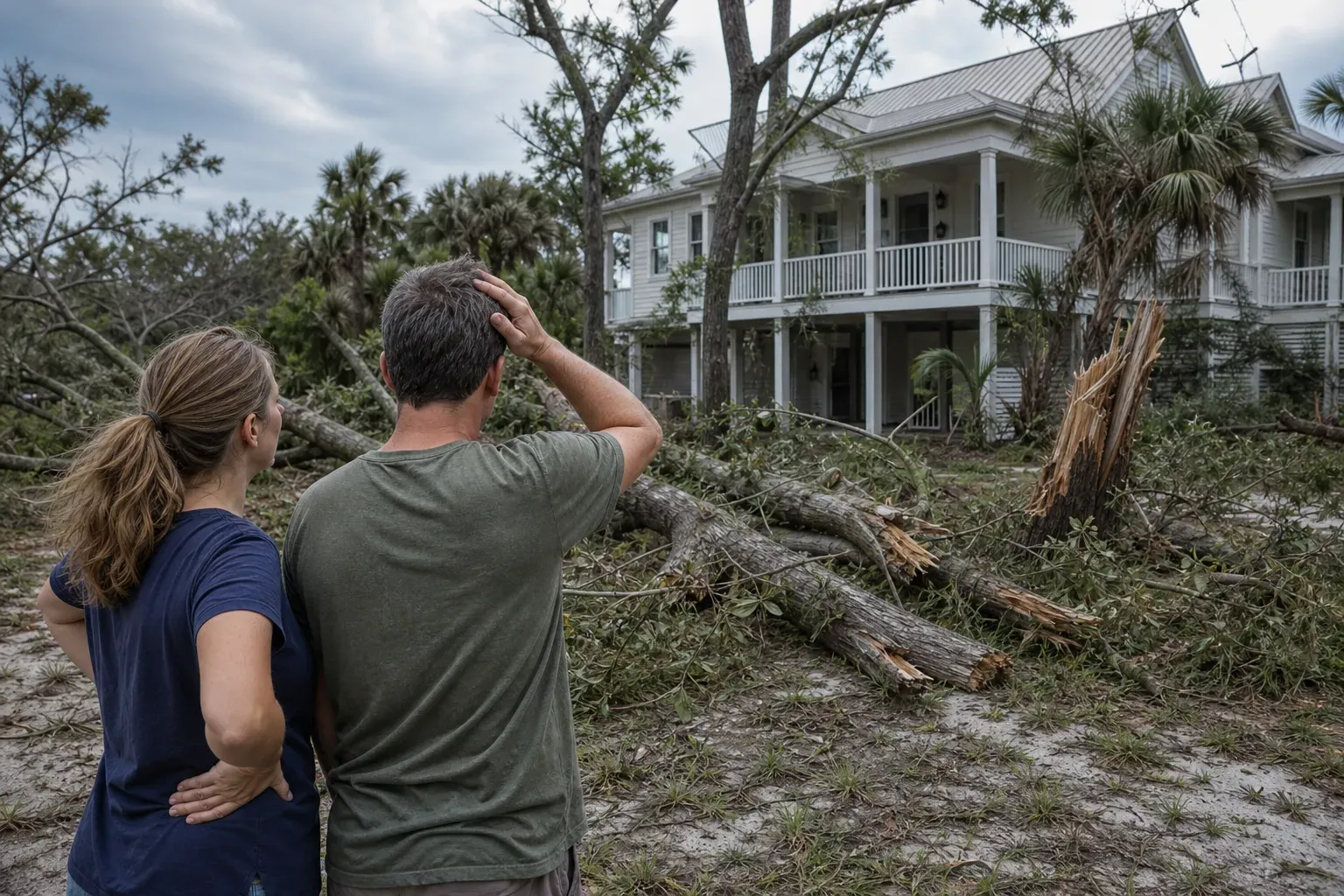
Whose permission is needed before approving tree work?
Owner consent and public consent answer distinct questions. The Isaias tree-risk questions for Pensacola homeowners and Isaias root-zone recovery questions provide related background. These pages cannot judge your tree or rule on your site.
Start by identifying who can approve the contract. The person who lives there may not be the person who can approve the work. Check the role of the tenant, manager, or board. Read the lease and the records for the manager or board. Do not rely on a chat alone.
A public permit also does not resolve every ownership dispute. If a trunk stands near a boundary, do not guess from a fence or mowing line. Ask for reliable boundary details and qualified advice when ownership is unclear.
Keep each consent in its own category:
- Check that the owner agrees to the planned work.
- Check if an association needs a distinct review.
- Ask the public office if a permit or other consent applies.
- Check who may authorize work on a public tree.
- Resolve unclear boundaries before contracting for disputed work.
Wetlands and nearby protected areas need a distinct question. The Isaias tree-risk questions for Pensacola homeowners and Isaias root-zone recovery questions provide related background. These pages cannot judge your tree or rule on your site.
Crossing a state line also changes the inquiry. Ask the relevant Alabama office which rules apply to that parcel. Pensacola rules and Florida insurance guidance should not be treated as Alabama rules.
Before signing, make the scope precise. “Storm cleanup” is too broad if it leaves removal unclear. The written scope should find the tree, planned cuts or removal, debris handling, and consent duties. Ask what happens if the scope changes after tree check.
This guide cannot settle a lease, land dispute, or board power. Take disputed authority to the relevant owner, public agency, or qualified legal expert.
What records should you keep before and after the work?
Keep a simple file for the tree. Link it to the approved scope. The Isaias tree-risk questions for Pensacola homeowners and Isaias root-zone recovery questions provide related background. These pages cannot judge your tree or rule on your site.
Photograph damage only from a safe place. Do not walk under broken limbs for a better view. Include a wider image that shows the tree's site, if you can do so safely. Record when the images were taken.
Save the parcel details, messages, tree check, estimate, consents, and invoices together. A short note can state which tree appears in each photo. Avoid changing file names in ways that hide dates or confuse distinct trees.
Your file should answer a few basic questions:
- Record which office confirmed the governing rule.
- Save the written permit decision or exception guidance.
- Keep the approved work description and any conditions.
- Save owner and association consent when current.
- Keep photos from before and after the work. Take them from safe places.
- Save the crew’s bills and any record of where the debris went.
Insurance is a distinct review. The Florida Department of Financial Services homeowners guide says tree and debris coverage varies by policy. It describes coverage that often depends on damage to insured property. Limits apply. A tree falling on open ground may be treated differently.
Do not infer payment from a permit or a contractor's estimate. Ask your insurer which records it needs. The office's guide recommends photos before temporary repairs when possible and accurate records and receipts. Those steps must not put anyone at risk.
The Florida hurricane deductible guide says that hurricane deductibles have specific rules. Read your policy and ask the insurer to state the current deductible. This article does not predict coverage, claim payment, or your out-of-pocket cost.
Debris pickup needs its own check, too. Pensacola Sanitation Services lists yard-waste pickup among its duties. That does not prove every contractor load or storm pile qualifies. Check current pickup rules, placement instructions, and disposal options before work starts.
Can a damaged tree recover instead of being removed?
Some can. The Isaias tree-risk questions for Pensacola homeowners and Isaias root-zone recovery questions provide related background. These pages cannot judge your tree or rule on your site.
An on-site tree check can help distinguish repairable damage from conditions that need other action. The assessor should consider the tree, damage, surroundings, and people or structures that could be struck. Ask for a clear explanation of the planned work and its limits.
UF/IFAS storm-restoration guidance says that restoration may need several pruning visits over years. Large broken branches are less likely to close over than smaller ones. Later care may focus on weak branch structure and uneven growth. One cleanup visit does not establish full recovery.
Palms need a distinct approach from broadleaf trees. The same UF/IFAS guidance recommends limiting removal of live tissue. Bent green fronds may still help the palm recover. Dead fronds that could strike a target and fronds that smother the growing bud present distinct concerns.
UF/IFAS hurricane-damaged palm guidance also advises retaining broken green leaves in many cases. It notes that a full replacement canopy takes at least a year. It usually takes longer. This assumes the bud survives. That is general guidance, not a forecast for a specific palm.
Avoid approving a severe cutback merely to make a tree look tidy. Ask these questions instead:
- Ask which damaged parts need attention and why.
- Ask how much live foliage the planned work would remove.
- Ask if follow-up visits are part of the plan.
- Ask what signs should prompt another tree check.
- Ask if the work changes the permit scope already reviewed.
Do not choose tree care products from a photo. The UF/IFAS palm guide has different advice for palms left in place and palms put back in the ground. It also notes gaps in the research on fungus care after a storm. A qualified expert should address those choices for the actual site.
The ISA tree-owner resources cover pruning, storm damage, tree risk, and hiring an arborist. Use them to prepare informed questions, not as a stand-in for an on-site tree check or local consent.
Frequently asked questions
Can I remove a tree because it looks dangerous?
Do not treat appearance as permit consent. Keep people away and seek qualified tree check. Ask the relevant office what evidence it needs and if a current exception exists. For an immediate threat to life, contact emergency authorities rather than starting tree work yourself.
Does Pensacola require permits for public right-of-way trees?
The city's published tree guidance says a permit is needed for pruning or removal in public rights of way. It also identifies trees on city property and city rights of way as city trees. Check ownership and the correct contact before arranging private work.
Does an HOA approval replace a city or county permit?
No. An association's consent does not establish that a public permit is unnecessary. Check both rules separately. Save the board’s reply and the office’s reply in your file. Make sure both refer to the same planned work. Owner consent and public consent answer distinct questions.
Will homeowners insurance pay for storm tree removal?
That depends on the policy and loss details. Florida's consumer guidance describes coverage limits and differences based on damage to insured property. Ask your insurer about your contract, deductible, and required records. Neither this article nor a permit decision confirms coverage.
Does Florida Foliage serve Pensacola or Baldwin County?
Florida Foliage is based in Daytona Beach and serves Volusia and Flagler counties. This regional guide does not indicate Panhandle or Alabama crews, offices, service, or availability. Tim Francis is the Tree Content Expert credited as author. He is not a practitioner credential holder.
Drafting disclosure: This article was drafted with AI assistance using the linked public sources. It gives general education, not individualized tree, legal, insurance, or permit advice. Check current written rules with the relevant office before approving work.
Florida Foliage is a Daytona Beach tree service that works with an ISA Certified Arborist consultant.
For tree work in Volusia or Flagler County, call (386) 481-7913 to request a free on-site estimate.
For tree work in Volusia or Flagler County, call (386) 481-7913 to request a free on-site estimate.