Reviewed by Clinton Funk
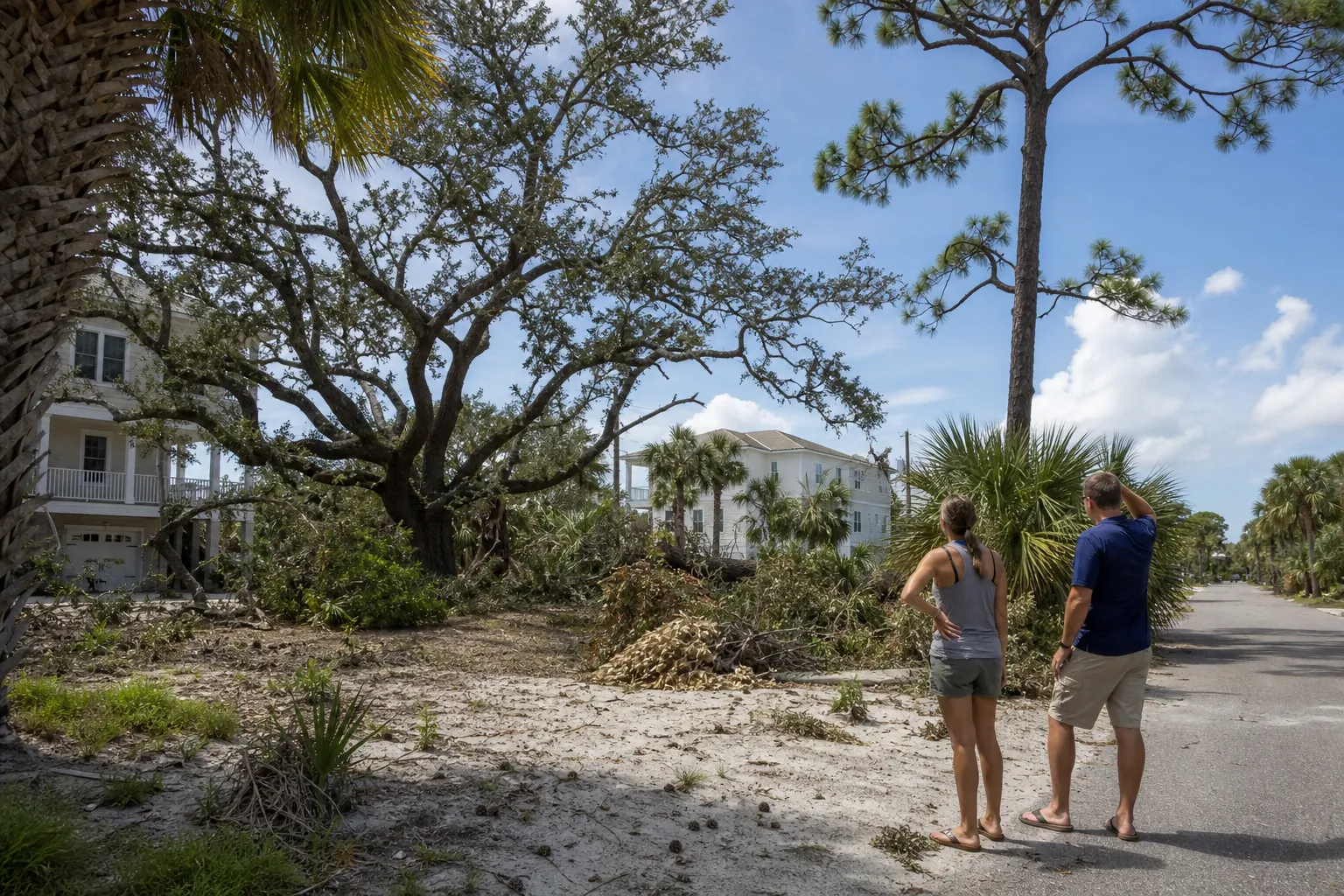
Good tree records show what was seen, who was told, and what still needs review. For Hurricane Isaias Tree Risk Records For Pensacola Rentals, keep dated photos, clear tenant reports, prior work notes, and written assessment findings. A file helps people act on shared facts. It cannot prove that a tree is safe.
This guide covers pre-storm rental property records, not a tree assessment. Owners and tenants should follow public safety orders first. Do not enter a closed area or stand under damaged limbs to gather proof.
The October 9 National Hurricane Center advisory describes Isaias and hazards for the northern Gulf Coast. Forecasts and warning areas can change. Check the latest official advisory and National Weather Service Mobile/Pensacola guidance before making plans. This article is not a live weather alert.
What should Hurricane Isaias Tree Risk Records For Pensacola Rentals include?
Start with a file for each property. Use the broader Pensacola tree risk questions to frame the review. For related background on past damage, see the tree inspection guide. A prior injury needs individual assessment.
The file should connect each concern to one tree. A photo alone may leave too much unclear. Which tree is shown? When was the image taken? Was the concern sent to the owner, manager, or assessor?
Use a simple tree label, such as “T1, front drive.” Add that label to each note and image name. Keep the same label when the tree is reviewed again. You do not need to know its species to report it.
A useful record contains these items:
- Identify the tree and place. Note the property address and a fixed landmark. State whether the tree is near a home, parking space, walk, or shared yard.
- Date each observation. Record when someone saw the concern. Keep the date of the photo separate if it differs.
- Describe what is visible. Write “split visible near the fork” rather than “tree will fall.” Keep facts apart from fears or guesses.
- Keep the original photos. A wide view shows the setting. A closer view may show the concern, but only if it can be taken safely.
- Save related messages. Keep the report, the reply, and any agreed next step together. A phone call should have a brief written summary.
- Attach past work records. Include available pruning notes, assessment reports, and dated invoices. Do not treat an invoice as proof of a risk assessment.
Record gaps as well. “No prior report found” is more useful than a blank field. It tells the next reader what is missing. It does not establish whether anyone assessed the tree before.
The ISA tree owner resources distinguish tree care, pruning, and risk topics. Use those resources for general background. Ask a qualified arborist to interpret conditions at the property.
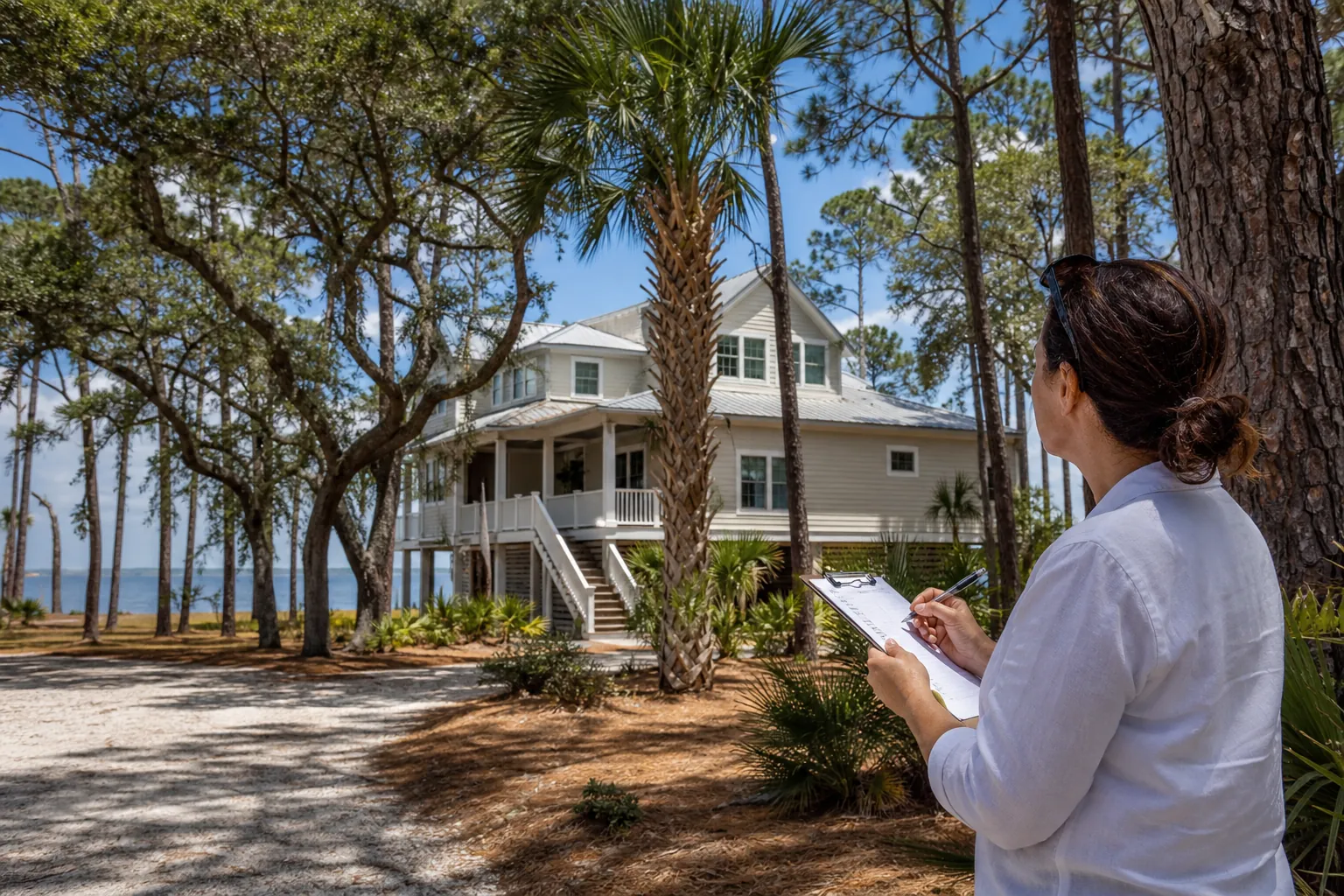
How should tenants report a concern before the storm?
A tenant report should be brief, specific, and easy to locate. The Pensacola tree risk question guide helps separate questions from conclusions. For related background on tree support systems, see the tree cabling and bracing guide. Record what is visible without deciding its condition from a tenant report.
Tenants do not need to assess tree risk. Their role in the record is to share what they saw. Owners and managers can then seek the right review. A report should not ask a tenant to climb, probe wood, pull a limb, or test whether a tree moves.
A practical report might read: “I saw a hanging limb on the tree beside the rear parking area at 8 a.m. The attached image was taken from the doorway. Please confirm receipt and explain the next step.” This is sample wording, not a report of an actual event.
Include the location, time, and visible concern. Note any nearby place people use. If there is no safe photo, say so. A clear written report is still useful.
For routine communication, use this sequence:
- Send the concern through the normal property contact channel. Use the owner, manager, or maintenance contact listed for the rental.
- Keep a copy of what was sent. Save the message, date, and any safe photos. Avoid editing the original images.
- Ask for receipt and a next step. A reply can clarify who will review the concern. It should not be read as a safety finding.
- Log any follow-up. Note whether an assessment was requested, completed, or left pending. Record a delay plainly, without guessing why it occurred.
- Update the file if conditions change. A fresh report should have its own date. Do not overwrite the earlier record.
Keep storm notices separate from tree findings. A weather warning applies to an area. A tree assessment addresses conditions within a stated scope. Neither replaces the other.
If a tree or limb contacts a power line, stay away. Contact the utility and follow its directions. For an immediate threat to life, use emergency services. Do not delay safety steps to complete a report or obtain better photos.
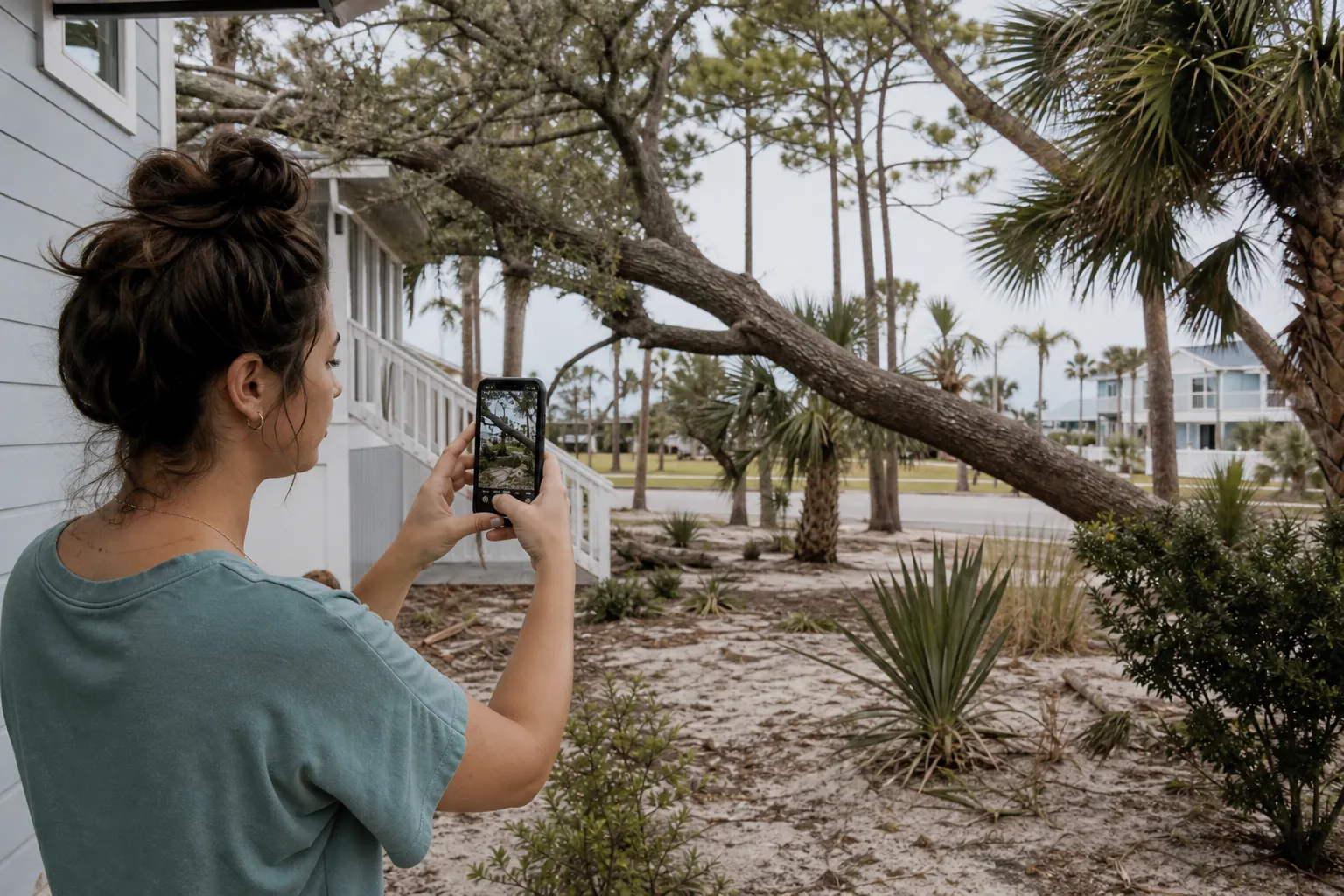
What should owners ask a tree assessor to record?
Ask for findings that can be tied to a named tree. The hollow trunk assessment article gives background on visible openings. The tree inspection guide gives a separate prompt for past injuries. Neither feature should be judged from a tenant photo alone.
Request a written record of the assessment scope. An assessor may review one reported limb, several trees, or the whole site. Those are different tasks. The file should make that difference clear.
Ask these questions before relying on the report:
- Which trees were reviewed? Request tree labels that match the property file. Ask the assessor to identify any trees not included.
- What type of assessment was done? Ask whether the review was from the ground or included further methods. Have the assessor explain the limits in plain terms.
- What conditions were found? Request a clear account of visible defects and other relevant findings. Keep those findings separate from the tenant's initial description.
- What nearby uses were considered? Note buildings, walks, parking areas, and other places people occupy. Ask how those uses affect the recommendations.
- What work or further review is advised? Ask for the reason, priority, and scope. Do not turn a vague note into a specific pruning order.
- What remains unknown? Ask the assessor to identify blocked views, access limits, or missing history. A stated limit is part of a useful report.
- When should the tree be reviewed again? Request a follow-up plan and any conditions that should prompt a new review.
Ask who prepared the report and what credentials they hold. Save that information with the findings. The ISA tree owner resources include guidance on hiring an arborist and managing tree hazards and risk.
Do not expect a guarantee that a tree will withstand Isaias. Nor should a report be used beyond its stated scope. If the site changes after the visit, ask whether the findings still apply.
Record any difference between the proposed work and completed work. For example, a later visit may reveal an access problem. Keep that note with the original recommendation rather than quietly changing the file.
How can owners track maintenance without treating it as proof of safety?
Track work by tree, date, and stated purpose. Use the Pensacola tree risk overview for the wider set of questions. Keep any tree support concerns linked to the same tree record so they are not lost among general yard notes. See the tree cabling and bracing guide for background.
“Tree trimmed” is too broad for a useful history. It may not say which tree was worked on. It also may not explain what was removed or why. Ask for a work description that matches the agreed scope.
Keep the assessment recommendation, work order, and completion note together. They answer different questions. The first records what was advised. The second records what was authorized. The third records what was done.
Useful completion notes include:
- State the tree label and work date. Use the same label as the earlier report. If several trees were treated, list them separately.
- Describe the completed task. Keep the wording specific enough to compare with the work order. Ask for clarification if the note is vague.
- Record any work left undone. Include the stated reason and next step. Do not mark the whole concern closed when part remains pending.
- Keep safe before-and-after images. Photos can show a change in appearance. They do not establish internal condition or remaining risk.
- Retain follow-up advice. Some care needs more than one visit. Put the next review in the property task list.
After storm damage, recovery work may take years. UF/IFAS restoration guidance explains that damaged trees can need several pruning visits. Large branch wounds are less likely to close over than small ones. A cleanup receipt should not be taken to mean restoration is complete.
Palm records also need care. UF/IFAS advises preserving green fronds when possible, including bent green fronds that still aid recovery. Removal may be needed for a hazard or fronds that block the bud, where new growth forms. Do not use a tidy appearance as the goal for every damaged palm.
The UF/IFAS hurricane-damaged palm guidance states that full canopy replacement takes at least a year, and often longer. It also notes that there is no research documenting the benefits of fungicides after a hurricane. Record professional recommendations rather than adding treatments based on storm damage alone.
What should happen to open tree concerns as Isaias approaches?
Keep an open-item list, not a blanket “safe” label. The Pensacola tree risk questions can help prioritize what to ask. Keep visible openings marked as pending until a qualified assessor has addressed them within a stated scope. The hollow trunk assessment article supplies related background.
An approaching storm can leave little time for routine work. That does not justify unsafe inspection or rushed pruning by tenants. Record what remains unresolved. Follow local officials on evacuation, access, and other protective steps.
Track each open concern with these details:
- Status: Use “reported,” “assessment requested,” “reviewed,” or “work pending.”
- Date and source: Record both for every status update.
- Completed work: Avoid “cleared” unless the file explains what was completed.
- Next action: Name the responsible person and the task.
The next action might be the manager arranging access or an arborist preparing findings. “Manager to request written scope” is clearer than “with manager.”
Share relevant updates with affected tenants. Keep messages factual and brief. Explain what has been reviewed and what has not. Do not promise that pruning will prevent damage or that a visit will occur before landfall.
The NWS Mobile/Pensacola page provides official local hazard information. Use current official guidance for storm decisions, not a saved screenshot or an old forecast in the maintenance file.
After conditions permit access, new damage needs a new entry. Keep the pre-storm record intact. A post-storm photo should not replace an earlier image or imply that conditions were unchanged.
Preserve findings, work notes, and messages in one accessible folder. Share it with the next assessor where relevant. These records support communication and care planning. They do not decide fault, legal duties, claim approval, or insurance coverage. Take those questions to the appropriate qualified adviser or insurer.
Frequently asked questions
Can tenant photos replace a tree risk assessment?
No. Photos help identify a tree and show a visible concern. They may leave out the roots, upper canopy, or hidden defects. A qualified arborist should decide what assessment is needed. Tenants should not move closer to obtain a more complete view when doing so could expose them to danger.
Does a prior pruning invoice show the tree is safe?
No. An invoice records billed work, not necessarily an assessment. Keep it as part of the tree's history. Look for a separate report that states findings, limits, and recommendations. Even that report should not be treated as a promise against storm failure.
What if the tree is outside the rental property boundary?
Record its apparent location and the concern from a safe place. Send the report to the property manager. Do not enter another property or arrange work on its tree without proper authority. Boundary, ownership, and access questions may need separate professional advice. The photo alone does not resolve them.
Should old records be deleted after work is completed?
Keep earlier reports with the completed-work notes. They help explain why work was requested and what changed. Mark the task status without erasing its history. For retention periods or privacy requirements, seek advice suited to your rental business. This guide does not set a legal retention rule.
Can Florida Foliage assess Pensacola rental properties?
This article does not establish Pensacola service availability. Florida Foliage is based in Daytona Beach and serves Volusia and Flagler counties. Pensacola owners should contact a qualified local arborist for site-specific review. Tim Francis is identified as Tree Content Expert, not as a practicing arborist or the assessor of these properties.
Drafting disclosure: This article was drafted with AI assistance. It provides general education, not an on-site tree assessment, legal advice, insurance advice, or a live storm update.
Florida Foliage is a Daytona Beach tree service that works with an ISA Certified Arborist consultant.
For tree work in Volusia or Flagler County, call (386) 481-7913 to request a free on-site estimate.
For tree work in Volusia or Flagler County, call (386) 481-7913 to request a free on-site estimate.