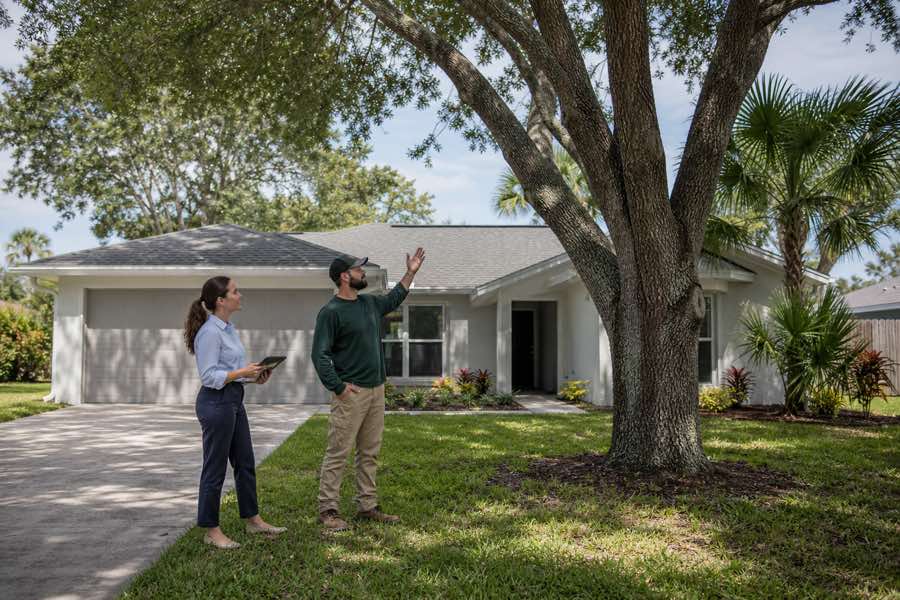
Coordinating local tree removal services during rental turnover is an operations task, not a routine yard visit. The work sits between tenant move-out, inspection timing, cleaning, repairs, and re-leasing. For Port Orange property managers, the best result starts with written authorization, clear access rules, and a scope that fits the handoff.
Scope Snapshot
Rental tree work goes smoother when the manager controls the paperwork first. Confirm who can approve the job, how crews will enter a vacant or occupied property, what fence or utility limits exist, what cleanup is included, and how stump handling will be recorded. A qualified tree removal service keeps those moving parts organized.
Florida Foliage serves Volusia and Flagler counties, with Daytona Beach as the primary market. That matters because turnover schedules often move faster than a normal homeowner visit. For managers who need related yard clearance, residential tree services can be paired with the removal plan when the property needs a broader finish before marketing photos or final walk-throughs.
At rental properties, tree decisions are tied to the next handoff. A manager may need to work around cleaning crews, appliance delivery, pest treatment, or a final inspection. That is why local tree removal services should begin with the site, not with a guess from a short description. A written scope keeps the job tied to the turnover plan instead of a generic residential visit.
Florida Foliage is licensed and insured, and ISA Certified Arborists are on staff. If the property sits within city limits, a Port Orange tree service can help account for local access issues, parking limits, and neighborhood rules that affect scheduling. Free estimates are available through request a free estimate or by calling (386) 481-7913.
Who Is Responsible for Tree Removal at a Rental Property?
Responsibility for tree removal at a rental property usually belongs to the owner or manager named in the lease or maintenance agreement, and local tree removal services should start only after that authority is clear. A tenant may report the issue or provide access, but they are rarely the final decision-maker for tree work.
For turnover jobs, the manager should confirm who approves the scope before the crew is scheduled. That avoids confusion if the tree sits near a fence, shared driveway, or utility path. It also helps the contractor prepare the right access plan. Florida Foliage can review those details during an estimate so the work matches the handoff.
If the tree affects a common area, entry route, or neighboring property line, the approval chain may need one more review. Property documents, insurance questions, and local rules can all change the answer, so a property-specific check is wise before the job is released.
Is a Tenant Responsible for Tree Removal?
A tenant is usually not responsible for tree removal unless the lease or a written agreement says so, and local tree removal services should not assume otherwise. Tenants may handle routine yard care, but tree work brings larger hazards, more liability, and more access planning than ordinary maintenance.
At turnover, the safest path is to review the lease, move-out checklist, and any written notices. If damage was reported, the manager should document it before any work starts. If a storm caused the problem, responsibility may depend on the lease, the cause, and the insurer’s file. Florida Foliage can provide an estimate and scope that helps the manager keep the process organized.
When the property is still occupied, the scope should say where workers may enter, what notice is needed, and whether the tenant must move cars or secure pets. That kind of detail keeps the job from slowing the turnover window. It also helps the contractor plan safe access without guessing.
What Should Local Tree Removal Services Include?
Local tree removal services should include an on-site assessment, a written scope, safe access planning, removal of the agreed tree or limbs, debris cleanup, and a clear note on stump handling. For rental turnover, the service should also address gates, fences, parking, nearby structures, and whether the crew must work around utilities or tenant items.
A written scope matters because the next person to inspect the property may be a leasing agent, cleaning crew, or owner rep. The more exact the scope, the easier it is to confirm that the job fits the turnover plan. Florida Foliage can document the work area, access route, and cleanup standard so the handoff is easy to verify.
| Turnover item | What to confirm before work |
|---|---|
| Access | Vacant entry, occupied notice, gate codes, parking space |
| Scope | Tree, limbs, stump, debris, haul-off, cleanup limit |
| Site constraints | Fence line, utilities, pool screen, roofline, tight drive |
| Records | Estimate, approval, photos, invoice, completion notes |
That table helps compare proposals line by line. A lower bid can leave out cleanup, stump handling, or disposal. A better proposal makes those gaps obvious. For property managers using local tree removal services, clarity matters more than a short number on the page. The contractor should say what happens to branches, logs, and debris after removal.
Florida Foliage serves turnover work across Daytona Beach and nearby communities, so the team can account for street access, neighborhood parking, and coastal weather issues that affect scheduling. If the property needs a broader finish, the scope can be paired with local cleanup work around the Daytona Beach market when appropriate.
What Questions Should You Ask a Tree Removal Service?
Ask a tree removal service who will be on site, what is included, how access will work, and how cleanup will be documented, because local tree removal services should fit the turnover plan, not disrupt it. The estimate should explain the exact tree work and the handoff conditions in plain language.
Good questions include whether the crew needs the property vacant, whether tenants must sign off on access, what happens if a fence or utility line limits the route, and whether the stump is part of the job or a separate decision. Ask for photos in the final record if the manager needs proof for the owner file, maintenance log, or tenant handoff. Florida Foliage can include those details in a practical scope discussion.
It also helps to ask who reviews the site if the tree is close to a structure or if the tree condition looks unusual. ISA Certified Arborists on staff can help with that review. OSHA has guidance for tree care and tree removal operations that reflects the need for proper site planning and safe work practices in this kind of work. See the OSHA inspection guidance for tree care and tree removal operations.
- Confirm access rules before the crew is scheduled.
- Ask what debris cleanup is included.
- Clarify stump grinding or stump leaving.
- Request written notes on fences and utilities.
- Save before-and-after photos for the property file.
These questions help a property manager compare local tree removal services on the same terms. They also reduce back-and-forth when multiple vendors quote the same rental. If you need a written estimate for turnover planning, Florida Foliage can review the site and coordinate the work window. Call (386) 481-7913 or use request a free estimate.
Can Local Rules Affect Tree Removal?
Yes, local rules can affect tree removal, and local tree removal services should check the governing rules before work starts. In Port Orange, planning and zoning rules may affect what can be removed, what is protected, and whether a permit or review is needed for that property. See Port Orange Planning and Zoning.
That does not mean every rental tree job follows the same approval path. It does mean the contractor should not guess. Trees near rights-of-way, drainage paths, or community features can trigger extra review, especially when the property is part of an HOA or multifamily site. A manager should verify the current rule set before scheduling the work.
Coastal Florida can also add practical limits. Storm debris may change access. Wet sand may affect equipment placement. Fences, screens, and utility corridors can force a different removal method or a different time of day. Florida Foliage works across Volusia and Flagler counties, so the team can help identify the site issues that should be checked before the turnover crew arrives.
How Does Tree Size Affect a Rental Turnover Quote?
Tree size affects a rental turnover quote because larger trees usually need more labor, more setup, and more debris handling, and local tree removal services should explain those differences in the written scope. Height, spread, trunk size, and how close the tree sits to structures all change the amount of planning the crew must do.
For turnover work, a small tree in an open yard is often simpler than a larger one beside a fence, pool screen, power line, or parked vehicle area. Even one added constraint can change the crew plan. That is why property managers should ask for a site visit when possible instead of comparing quotes that describe very different conditions.
Tree size is not the only factor. Access matters just as much. A tree that seems modest from the street may become a complex job if the crew must carry debris through a narrow side gate or protect a fresh lawn area. Florida Foliage can evaluate those access limits during an estimate so the turnover schedule matches the real site.
How Should You Interpret Typical Tree Removal Prices?
Typical tree removal prices should be read as a starting point, not a final answer, because local tree removal services vary based on access, cleanup, stump handling, and site risk. For rental turnover, the best comparison is the scope of work, the documentation, and the cleanup standard. A low number can leave out work the manager still needs.
Ask what the quote includes if the tree is already down, if the stump stays in place, or if hauling is limited. A quote that omits those items may not fit a turnover deadline. Florida Foliage keeps the discussion focused on the property’s real handoff needs, which helps when the manager is comparing multiple vendors or preparing an owner update.
Property managers should also remember that prices often track access and risk more than tree size. A tree near a fence or utility path can require more setup than a larger tree in an open yard. The cleanest way to compare bids is to review the written scope line by line and confirm the same cleanup finish across each proposal.
Florida Foliage is available to help managers plan the work before the next tenant move-in. For a clear turnover estimate from a licensed and insured contractor with ISA Certified Arborists on staff, call (386) 481-7913 or request a free estimate.
Who should authorize tree removal at a rental?
The owner, property manager, or another person named in the lease or management agreement should authorize tree removal at a rental. Local tree removal services should verify that authority before work begins. If the property is in an association or subject to local review, that process may also need to be confirmed first.
Can work be scheduled while a property is vacant?
Yes, work can often be scheduled while a property is vacant, and that is frequently easier for turnover planning. Local tree removal services still need clear access instructions, parking details, gate codes, and a written scope. A vacancy does not remove the need for proper authorization or site checks.
Should tenant access rules appear in the scope?
Yes, tenant access rules should appear in the scope when the property is occupied or partially occupied. Local tree removal services work better when the contractor knows entry times, pet concerns, vehicle moves, and any notice requirements. That helps prevent delays and confusion during a tight turnover window.
What completion records should a property manager keep?
A property manager should keep the estimate, written approval, photos, invoice, and completion notes that show what was removed and what cleanup was done. For local tree removal services, those records help with owner reporting, tenant handoff, and any later maintenance question about the site condition.
How can a Port Orange rental request an estimate?
A Port Orange rental can request an estimate by sharing the property address, access details, tree location, and any turnover deadline. Local tree removal services from Florida Foliage can then review the scope and provide a free estimate. Call (386) 481-7913 or use request a free estimate.
For rental turnover in Port Orange, the right contractor makes the handoff easier. Florida Foliage can help with the written scope, access planning, cleanup, and records your file may need. If you are comparing local tree removal services, start with request a free estimate or call (386) 481-7913.