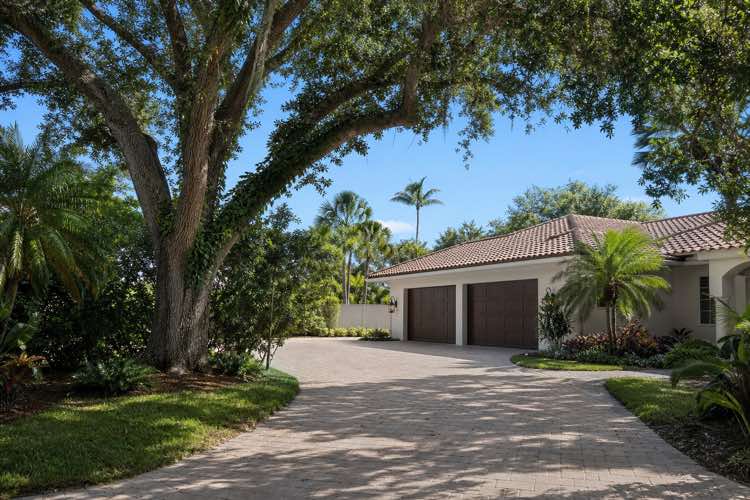
If you need to prepare for tree removal in Daytona Beach, start with the property, not the tree. Clear the access path, protect people and belongings, and confirm the scope before the crew arrives. Florida Foliage serves Volusia and Flagler counties, with Daytona Beach as the primary market, and ISA Certified Arborists are on staff.
Scope Snapshot
- Clear the driveway, gate, and side-yard access.
- Keep occupants, pets, and vehicles out of the work zone.
- Confirm permits, utilities, stump work, and cleanup details.
- Expect soft ground and some settling after removal.
To prepare for tree removal well, think in terms of handoff. The contractor needs room to work, and you need clarity on what is included. On coastal lots, narrow fencing, soft sand, pool enclosures, and irrigation lines can change the plan. If you want a local starting point, visit Daytona Beach service details or request a free estimate.
Florida Foliage can review access, likely work limits, and the stump scope during the estimate. That matters because a tree removal service may be simple in one yard and tightly constrained in another. Ask what the crew expects to access, where trucks may park, and what areas should remain untouched.
A short checklist helps you prepare for tree removal without trying to do hazardous work yourself:
- gain access to gates and clear a path for equipment.
- Move cars away from the work area.
- Bring children and pets inside.
- Remove fragile items near the tree.
- Confirm permits, utilities, and stump scope.
| Scope item | What to confirm before arrival |
|---|---|
| Access | Gate width, driveway room, and turning space |
| Work limits | Which tree, which limbs, and which yard areas |
| Stump scope | Cut only, stump grinding, or stump left in place |
| Cleanup | Brush removal, log haul-off, and debris placement |
| Site conditions | Sandy soil, irrigation, turf, and nearby hardscapes |
Use the table to compare quotes with fewer surprises. A complete scope often matters more than the fastest promise. In Daytona Beach, access can be the limiting factor, especially on narrow lots, wet sand, and properties with tight fence lines. If the job plan looks unclear, Florida Foliage can help you sort it out before scheduling.
OSHA’s tree care guidance at inspection guidance for tree care and tree removal operations notes that tree removal work carries serious hazards and belongs with trained crews. That is one reason the homeowner’s role is planning and access, not hands-on removal.
How Do You Prepare for Tree Removal?
You prepare for tree removal by clearing access, protecting nearby items, and confirming the exact work area before the crew arrives. The safest handoff keeps people, pets, vehicles, and fragile property out of the active zone while leaving the hazardous work to qualified professionals.
Start with the driveway, side yard, and gate lines. If the crew cannot reach the tree easily, the job may need a different setup. Coastal properties in Daytona Beach often have narrow access, irrigation heads, or soft sand that can make wheel paths more sensitive. Florida Foliage can review those details during an estimate, and a tree risk assessment may help when the situation needs a closer look.
Then check the immediate surroundings. Move grills, potted plants, patio chairs, and small décor out of the work path. If the tree is near a pool cage, shed, fence, or low utility line, point that out early. The crew should know where it can work and where it should not enter. OSHA’s tree care guidance at its inspection guidance for tree care and tree removal operations shows that these jobs carry serious hazards and belong with trained crews.
If you want a more specific site plan, call Florida Foliage at (386) 481-7913. A short conversation can help you prepare for tree removal with fewer surprises. The estimate is also the right time to confirm whether the crew expects access limits, surface protection needs, or cleanup boundaries.
What Questions Should You Ask a Tree Removal Company Before Arrival?
You should ask what the quote includes, what access the crew needs, and who is responsible for permits or utility checks before arrival. To prepare for tree removal well, you want the scope written clearly enough that both sides understand the tree limits, stump plan, cleanup, and any property restrictions.
Ask whether the estimate covers only the visible tree or also hauling, brush removal, and stump work. Ask how the company handles a locked gate, a shared driveway, or a backyard with limited access. If the tree sits close to a structure, pool area, or service line, ask what the crew can and cannot do under the agreed scope. That is not a place for assumptions. It is a place for clear wording.
It also helps to ask whether the company expects the work area to be clear of vehicles, furniture, or other objects before arrival. If the tree sits in a tight coastal lot, the way the equipment enters and exits can affect the whole plan. Florida Foliage keeps those questions practical during the estimate so you can compare offers with less guesswork.
For power-line related concerns, FPL’s tree FAQ notes that tree work near electric lines may require special handling and coordination. That is one reason to ask detailed questions before you schedule. If you want help sorting the scope, you can call (386) 481-7913 and speak with Florida Foliage.
How Many Tree Removal Estimates Should You Get Before Scheduling?
How many estimates you should get depends on the complexity of the job, but more than one helps you prepare for tree removal with a better comparison. For many property owners, two or three detailed estimates are enough to show how each company handles access, cleanup, stump work, and site limits.
Do not compare bids by price alone. Compare what each company says about the scope. One estimate may include stump grinding while another stops at the cut stump. One may expect front-yard access while another plans around a backyard route. One may include haul-off, and another may leave debris staged on site. Those differences matter as much as the number on the page.
Daytona Beach lots can create planning differences because of narrow side yards, irrigation, and sandy ground. What looks like the same removal on paper may need different equipment or a different crew setup in the field. Florida Foliage offers free estimates, which gives you a chance to compare the plan before you commit. If you need to talk through the property first, call (386) 481-7913.
Ask each company to explain any difference in writing if the estimates do not match. That is the cleanest way to prepare for tree removal and avoid later confusion. A clear scope is often more useful than a quick quote, especially when the yard has a fence, pool cage, or difficult access.
Do You Need a Permit to Remove a Tree in Florida?
Do you need a permit to remove a tree in Florida? Sometimes you do, but the answer depends on the local jurisdiction, property type, and tree location, so you should prepare for tree removal by checking the rule set that applies to your address. Permit decisions are property-specific and belong to the governing authority.
In Volusia County, local guidance can vary by site conditions and protected situations. The county’s tree FAQ page at Volusia County tree FAQs is a useful starting point for public information, but it does not replace an answer from the local office that oversees your property. If the tree is near a boundary, drainage area, or regulated feature, ask the jurisdiction directly before scheduling.
Florida Foliage can help you flag the permit question during the estimate, but it should not be treated as legal advice. If the property has HOA rules, easements, coastal site limits, or other special conditions, the governing authority or another qualified professional may need to confirm the final answer. That is part of good planning, especially when you want to prepare for tree removal without delays.
Does Tree Removal Include Stump Grinding?
Tree removal does not always include stump grinding, so you should confirm the stump scope before the crew arrives. To prepare for tree removal properly, ask whether the quote covers the cut tree only, the stump as well, or stump grinding with cleanup of the resulting chips and void.
Some property owners expect the stump to disappear with the tree. That is not always the case. A company may remove the trunk and limbs, then leave the stump flush with the ground. Another company may include stump grinding as a separate line item or separate task. If you care about mowing, replanting, or a future patio plan, the stump detail matters.
Ask how deep the grinding will go and what happens to the remaining chips. Ask whether the company plans to leave the area level, rough, or ready for later fill. Florida Foliage can walk through that scope during the estimate so you know what will still be on the property when the crew leaves. That makes it easier to prepare for tree removal and the next phase after it.
What Are Common Mistakes After Tree Stump Removal?
Common mistakes after tree stump removal include using the area too soon, filling it too fast, and assuming the ground is finished the single-visit. To prepare for tree removal and the cleanup that follows, plan for a disturbed patch that may need time before it is ready for planting, sod, or foot traffic.
One mistake is parking, placing heavy items, or rolling equipment across the fresh area before it settles. Another is planting right away without checking for voids or soft spots. In Daytona Beach’s sandy soil, the surface can shift more than many owners expect once the stump and roots are gone. Rain and irrigation can change the grade again after the crew leaves.
Another common problem is treating stump grinding like a finished bed. It is often just the first stage. You may still need fill, grading, or a later repair plan. Florida Foliage can explain the expected condition so you know what to expect and what to postpone. That helps you prepare for tree removal with a realistic follow-up plan, not a guess.
How Long Does the Ground Settle After Tree Removal?
How long the ground settles after tree removal depends on stump size, root spread, soil type, and weather, so there is no single timeline. To prepare for tree removal in coastal Florida, expect some immediate disturbance and some later settling after rain or irrigation changes the moisture in the soil.
Sandy ground may shift quickly at first, then settle again over time as voids compress. Deeper settling can continue for weeks or longer, especially if the root zone was large. If you plan to add sod, new planting, or a hardscape edge, wait until the site is stable enough for a lasting finish. A crew can tell you what the area should look like when the work ends, but exact settlement can still vary.
Watch the area after the job. If the fill sinks, the edges soften, or the grade changes after the first rain, that is part of the normal repair process on many properties. Florida Foliage can discuss post-removal ground conditions during the estimate so you have a better handoff. Call (386) 481-7913 if you want that plan checked before scheduling.
Should vehicles be moved before the tree crew arrives?
Yes. Move vehicles away from the work zone before the tree crew arrives so trucks, equipment, and debris can move without blockages. This is one of the simplest ways to prepare for tree removal, especially on narrow driveways, shared parking areas, or streets with limited room. If a vehicle cannot be moved, tell the contractor during the estimate.
How should children and pets be kept away from the work zone?
Keep children and pets indoors or in another closed area away from the work zone. Do not let them near the driveway, backyard access path, or cleanup area while the crew is working. Tree removal can involve falling material, moving equipment, and changing ground conditions, so a clear boundary is important for everyone’s safety.
Should outdoor furniture and decorations be moved?
Yes, move outdoor furniture, potted plants, grills, ornaments, and lightweight decorations out of the work zone before the crew arrives. This helps prevent damage and gives the crew more room to work. If a large item cannot be moved safely, point it out during the estimate so the contractor can plan around it.
Who confirms utility and permit responsibilities?
The property owner, the contractor, and the local authority may each have a role, but the final permit decision belongs to the governing jurisdiction. Utility responsibility also depends on the line type and location, so confirm those details before work begins. Florida Foliage can help identify the questions, but property-specific answers may need the utility provider or local office.
Can Florida Foliage review access during the estimate?
Yes. Florida Foliage can review access during the estimate so you can prepare for tree removal with a clearer plan. That review can include gate width, vehicle access, tight corners, soft ground, and nearby items that should stay protected. It is also a good time to confirm scope, stump plans, and any site limits that matter.
If you are ready to prepare for tree removal with a clear scope and access plan, request a free estimate or call (386) 481-7913 to speak with Florida Foliage about your Daytona Beach property.