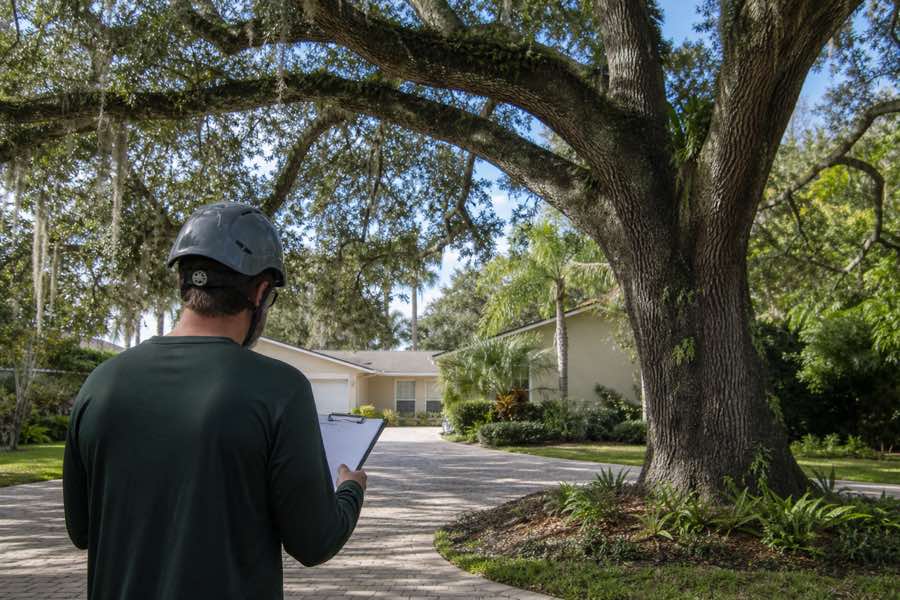
If you are comparing a tree removal estimate in Daytona Beach, the written scope matters more than the headline number. A clear estimate should show what work is included, what is excluded, and who handles permits, debris, stump work, and access protection. That makes side-by-side comparison possible before you sign.
Decision Snapshot
- Compare scope, exclusions, cleanup, stump work, and approvals.
- Ask who protects surfaces and access routes.
- Do not assume debris hauling or grinding is included.
- Written change approval helps prevent surprise add-ons.
Florida Foliage serves Volusia and Flagler counties, with Daytona Beach as the primary market, and ISA Certified Arborists are on staff. The company is licensed and insured, and free estimates are available. For local property owners, a careful tree removal service quote should explain the job in plain language before work begins.
When you request a free estimate, ask for the scope in writing and keep the document with your other property records. If you want a broader overview of the main factors that affect planning, the tree removal cost guide is a useful reference. For service in the city, see Daytona Beach.
What Should a Tree Removal Estimate Include?
A tree removal estimate should include the exact work scope, the tree or trees covered, cleanup details, exclusions, and who handles permits or special protection. The best tree removal estimate also spells out access limits, debris handling, stump work, and any extra steps that may require approval before crews proceed.
Read it line by line. A vague proposal can leave out important parts of the job, which makes comparison difficult. Look for plain wording about cutting, lowering sections, hauling debris, and leaving the site in the condition promised. If the contractor mentions optional items, those should be labeled as separate services.
In Daytona Beach, details matter because access can be tight and yards often include pools, fences, screen enclosures, utility clearances, and soft coastal soil. Those site conditions may affect how the crew stages the work and what protection is needed. A careful estimate should reflect those realities instead of treating every property the same.
Florida Foliage can provide a written scope that matches the site. A well-built tree removal estimate should let you see the difference between the core removal work and any extras that may change the job. That clarity helps you compare proposals without guessing at what each contractor intends to do.
How Do Contractors Estimate Tree Removal Cost?
Contractors estimate tree removal cost by reviewing the tree size, location, condition, access, debris volume, and risk level, then turning that into a written tree removal estimate. They may also account for stump work, surface protection, disposal needs, utility concerns, and any permit-related steps tied to the site.
The estimate should be based on what the crew must actually do, more than the tree’s appearance from the curb. A dead trunk, a leaning tree, or a tree over a roof may require different handling. A backyard tree with narrow access can also take more planning because equipment may not fit through the side yard.
That is where local context matters. Coastal Florida sites can bring sandy soil, storm exposure, and wet ground after heavy rain. Those conditions can change how the crew reaches the tree and how much care is needed around driveways, patios, and turf. If a written quote does not mention those factors, ask for a clearer version.
| Scope Item | What the Estimate Should Say | Why It Matters |
|---|---|---|
| Tree work | What will be removed, cut, or lowered | Defines the core service |
| Access protection | Which routes and surfaces need protection | Reduces damage disputes |
| Debris handling | What stays on site and what is hauled away | Clarifies cleanup expectations |
| Stump work | Whether grinding or removal is included | Avoids surprise add-ons |
| Permit responsibility | Who checks and who submits, if required | Sets responsibility early |
| Change approval | How extra work must be approved | Helps control scope creep |
Tree care and tree removal work can involve serious hazards, which is one reason a qualified crew matters. OSHA’s inspection guidance for tree care and tree removal operations notes the safety concerns tied to this type of work. See the source at OSHA guidance.
If two proposals look different, compare the actual scope instead of the final line. One tree removal estimate may include haul-off, while another may leave debris on site. One may include access protection, while another may exclude it. A fair comparison starts with the written details.
How Many Tree Removal Estimates Should You Get?
Most property owners should get at least two written tree removal estimate documents, and three can help when the job has more moving parts. The goal is to compare scope, exclusions, and responsibility, not to chase the lowest number. A small wording difference can change the real value of the quote.
That is especially true when the tree is near a house, fence, pool enclosure, driveway, or utility corridor. Those locations can affect equipment access, cleanup, and the amount of protection needed. A complex site deserves more than a quick verbal price. Ask for the proposal in writing so the terms are easier to compare later.
Be careful with a bare-bones quote that leaves out details. A complete tree removal estimate may include cleanup and protection, while another proposal might price only the cutting. If one contractor lists stump work and another does not, the difference should be obvious in the paperwork before you decide.
Florida Foliage can provide a free estimate after reviewing the property and the requested work. If you want to start that process, request a free estimate or call (386) 481-7913. The team serves Volusia and Flagler counties, with Daytona Beach as the main market.
What Questions Should You Ask About a Tree Removal Quote?
A tree removal quote should answer what work is included, what is excluded, and how any change gets approved. Ask about debris hauling, access routes, protected surfaces, stump work, permit responsibility, and cleanup. Those details make the tree removal estimate easier to compare and less likely to cause confusion later.
Use a simple review list when you read the quote:
- Confirm the exact tree or trees named.
- Ask what debris will stay or leave.
- Verify access routes and protected surfaces.
- Request permit responsibility in writing.
- Clarify change approval before extra work.
A good quote should also explain what happens if the crew finds hidden issues, such as blocked access or unexpected decay. If the plan changes after work starts, ask how that extra work must be approved and recorded. Written approval protects both the property owner and the contractor.
Florida Foliage can review the scope with you before anything is signed. That review is useful when the property has a narrow side yard, a screened pool area, or nearby structures that need protection. If the written tree removal estimate is unclear, ask for a revision.
For many homeowners, the most useful question is simple: what exactly am I paying this crew to do? That is why a tree removal estimate should be checked like a contract. If the wording leaves room for guesswork, ask the contractor to restate the scope in plain words.
When a company is licensed and insured, that still does not replace a clean written scope. It only means the business is set up to handle the work responsibly. Florida Foliage keeps the conversation focused on the job itself, so the estimate matches the site rather than a generic template.
Does a Tree Removal Estimate Include Stump Grinding?
A tree removal estimate does not always include stump grinding, so the quote should say so clearly. Some contractors treat grinding as a separate service, while others include it only when the estimate states it directly. Never assume stump work is part of the removal unless it is written out.
Ask whether the stump will be left low, cut flush, or ground below grade. Also ask what happens to the chips, whether the hole will be backfilled, and how the area will be finished after the work. Those details matter because stump work changes both the final look and the cleanup.
In a coastal yard, stump grinding can also affect nearby roots, irrigation lines, turf, and hardscape edges. If the estimate includes grinding, it should mention any limits around buried utilities or nearby plantings. A clear scope helps prevent confusion after the crew arrives.
When you compare bids, separate the tree removal estimate from the stump language. That way you can see whether each contractor is pricing one service or two. A quote that includes haul-off but not grinding is not the same as one that includes both.
Florida Foliage can note stump work as part of the written scope when it is requested and appropriate for the site. If you are unsure how to read the wording, ask the estimator to identify what is included and what remains separate before you sign.
Do Florida Permits Affect a Tree Removal Estimate?
Yes, Florida permits can affect a tree removal estimate because the contractor may need to account for review, documentation, or local requirements before work starts. The estimate should say who checks the rules, but the final permit decision belongs to the governing jurisdiction, not the contractor or the homeowner.
Volusia County provides tree-related FAQ information for local property owners, and some removals may involve review depending on the location and tree type. See the county resource at Volusia County tree FAQs. Because rules can vary by site, a contractor should avoid guessing.
For Daytona Beach properties, the written proposal should state whether the company will help identify permit needs or whether the owner must confirm with the city or county. That point belongs in the estimate because permit timing can affect scheduling and site access. If a permit may be required, ask for that responsibility in writing before the job is scheduled.
Florida Foliage works across Volusia and Flagler counties, and the team can discuss the scope before the work is set. Still, the governing jurisdiction decides whether a permit is required. A clear tree removal estimate should reflect that limit instead of making promises that depend on the site.
Permit language also helps you compare contractors with care. One proposal may say the owner is responsible for checking local rules. Another may say the contractor will help identify the need but the jurisdiction makes the final call. Those differences should be visible before work starts, not after a crew is on-site.
Can Homeowners Insurance Change a Tree Removal Quote?
Yes, homeowners insurance can change a tree removal quote because claim paperwork, documentation, or adjuster instructions may affect the work scope. The contractor should not promise how an insurer will treat the job, but the tree removal estimate should reflect any extra reporting or site steps that are required.
If the tree came down during a storm or impact event, ask the contractor to state which parts of the job are being quoted. Insurance decisions depend on the policy and the insurer’s review, so the estimate should stay focused on the work itself. A written scope still helps even when payment questions remain open.
Do not assume a claim means every item is covered. Debris hauling, stump work, and property repair may be handled differently by the insurer. That is why the estimate should separate the tree removal from optional add-ons and show how changes must be approved. Clear paperwork helps you track the claim and the contractor’s scope.
Florida Foliage can prepare a written tree removal estimate for routine work or storm-related work. If you need the scope reviewed before you move ahead, request a free estimate or call (386) 481-7913.
After a storm, access in Daytona Beach can be affected by sand, standing water, debris, and nearby utilities. That makes the written quote even more important because the site may change quickly. Keep the estimate, any photos you provide, and the insurer’s instructions together in one file.
Is debris hauling automatically included in a tree removal estimate?
No, debris hauling is not automatically included in every tree removal estimate. Some contractors quote removal only, while others add haul-off, chipping, or site cleanup as separate items. Ask the writer to state exactly what stays on site and what leaves the property so you can compare proposals fairly.
Should a quote identify protected surfaces and access routes?
Yes, a good quote should identify protected surfaces and access routes. That can include lawns, driveways, pavers, fences, pool cages, and property grounds beds. In Daytona Beach, narrow side yards and soft sandy ground can affect how the crew reaches the tree, so the estimate should spell out those limits in writing.
Who should confirm whether a tree permit is required?
The property owner should confirm permit needs with the governing jurisdiction, and the contractor should state if they will help identify possible requirements. A tree removal estimate may mention permit responsibility, but it should not guess. Local rules can vary by city, county, and tree type, so written confirmation is safest.
Can a tree removal price change after work begins?
Yes, a tree removal price can change after work begins if the crew finds hidden conditions or if the scope changes. That is why the estimate should explain how extra work gets approved. If something unexpected appears, ask for written approval before any added work is performed or billed.
How can I request a written estimate from Florida Foliage?
You can request a free estimate or call (386) 481-7913 to ask for a written tree removal estimate from Florida Foliage. The company serves Volusia and Flagler counties, with Daytona Beach as the primary market, and the team can review the site conditions before preparing the scope.
When you compare a tree removal estimate in Daytona Beach, focus on the scope, exclusions, and change approval before you sign. Florida Foliage can help with a clear tree removal estimate, so request a free estimate or call (386) 481-7913 today.