Reviewed by Clinton Funk
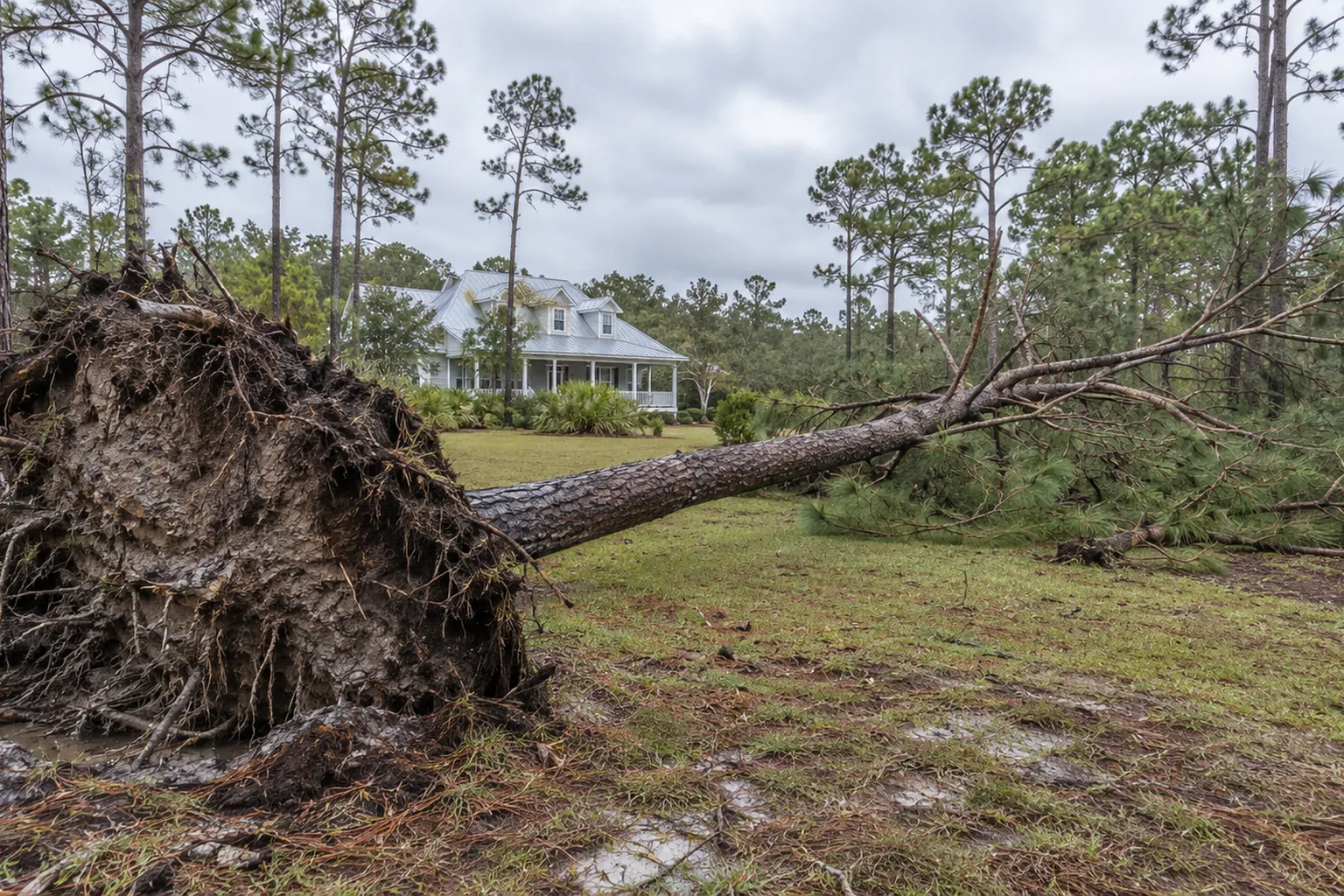
For Milton and Pace, uprooted trees in wet soil raise two clear questions: what has changed, and who should check the tree? Start with notes from a safe indoor or distant view, and record what you see without testing roots or moving wood, and this guide helps you sort those notes and plan your next call.
Use current official information before planning tree work. Check the National Hurricane Center advisory and NWS Mobile for current forecasts. Follow local officials for access and emergency instructions. Forecasts do not establish damage at a particular property.
What should you note about uprooted trees in wet soil?
Start with two separate notes: what the ground looks like, and what has changed about the tree, and keep each note plain and specific, and the regional cleanup guide sets out the wider plan, and the storm tree guide gives context for arranging help with the tree itself.
Use words that describe the scene you can see, and write where water sits, rather than guessing its depth, and note whether the trunk looks different from an old photo, and if the base is hidden, say that clearly.
- Where does water appear in the view?
- Which parts of the tree can you see?
- Is there an older photo for comparison?
- What remains hidden by wood, leaves, or water?
Keep rain notes separate from claims about root failure. UF/IFAS lists age, health, size, species, and damage as factors in recovery, and wet ground is only part of the scene you can report. See the recovery factors.
A useful note might read, “Water covers the lawn beside the fence.” Another might say, “The trunk looks lower than in June.” Use such wording only when it fits your view, and leave the cause as a question for the tree check.
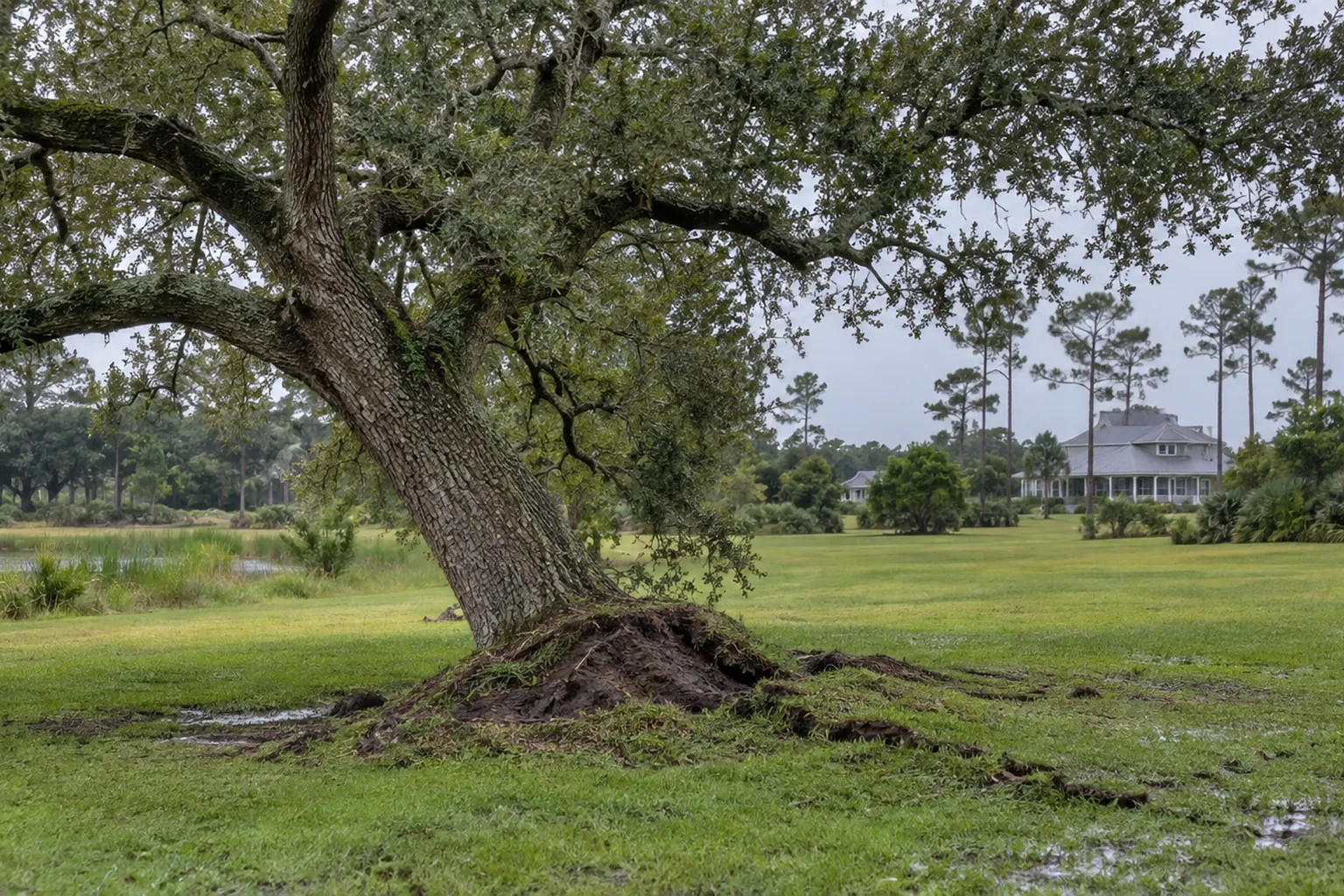
How can you describe a changed lean?
Describe the change before trying to name its cause, and an old photo gives you a point of comparison, and the pine damage guide covers another kind of storm concern, and the trees near homes guide helps frame questions about what stands beside the tree.
Choose an old image with a similar view, if available, and note its date and where it was taken, and compare the trunk with fixed features in the scene. A fence post or roof edge may help you describe the difference.
Do not call a change “root damage” based on a photo alone, and write what looks different and what you cannot see, and this gives the person checking the tree a clear starting point.
- Does the trunk appear at a different angle?
- Does a branch now touch a nearby object?
- Is the base visible in both images?
- Could a different camera view explain the difference?
UF/IFAS identifies leaning trees that could hit people or houses as risks needing professional help before other work, and mention nearby people, homes, and paths when arranging that help. Read the first priority.
If no older image exists, record the date you first noticed the lean. Avoid guessing when it began.
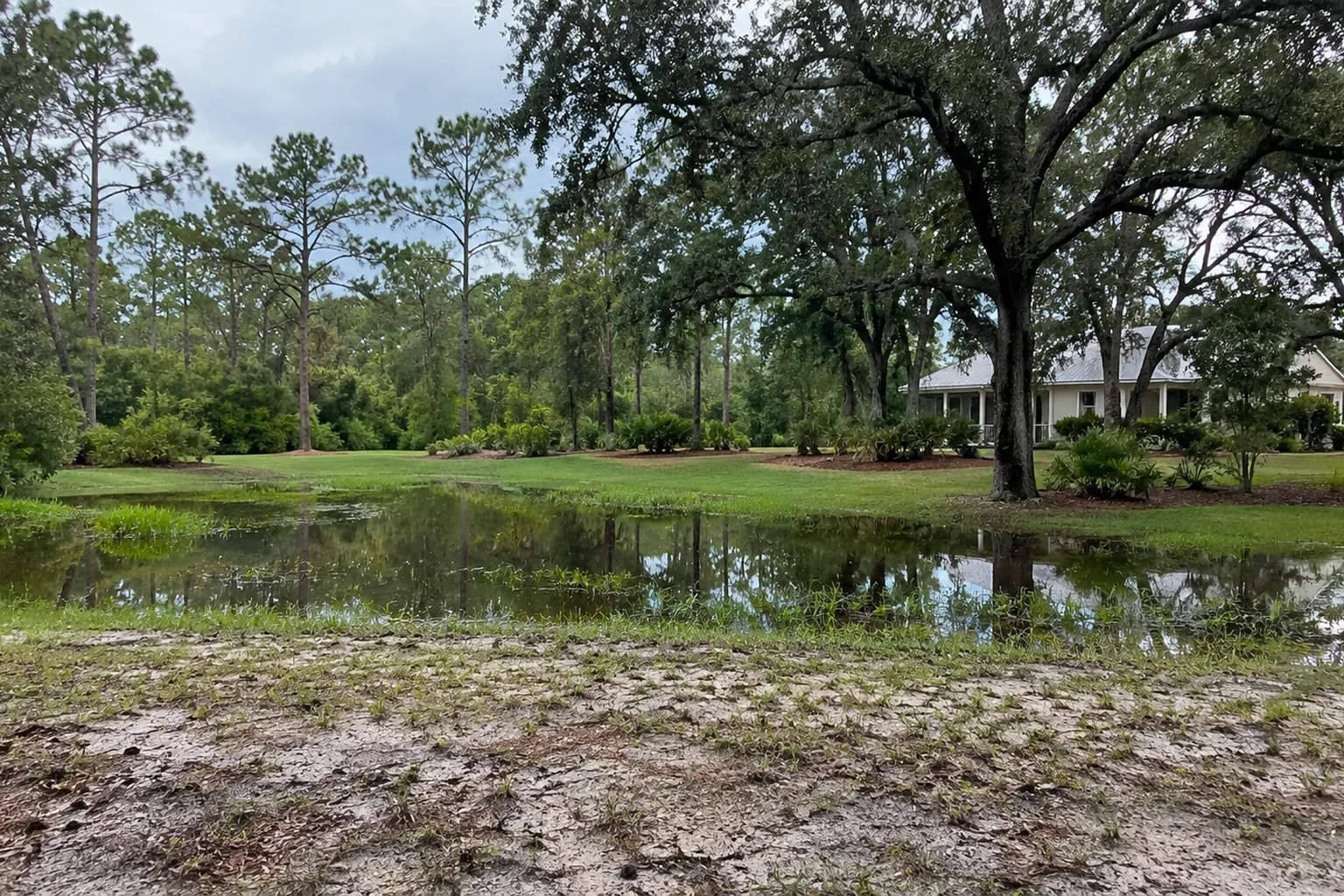
What should you report about exposed roots?
Report the visible roots and soil without assigning a cause, and describe their place in the whole scene, and the storm removal overview provides service context, and the cleanup guide helps you keep the tree question separate from the rest of the yard plan.
You do not need to name every part correctly, and plain words can describe a mound of earth or roots above ground, and if someone uses the term “root plate,” ask which visible part they mean, and keep that label separate from conclusions about the tree.
- Describe where the exposed roots appear.
- Note whether the trunk is upright or down.
- Record what blocks your view of the base.
- List nearby objects visible in the same image.
UF/IFAS explains that large severed roots can decay and make a tree unstable, and that supports asking about root damage; it does not establish the condition of roots in your yard. Read about damaged roots.
Use a wide image you already have when possible, and add a short note to identify the tree, and do not turn gathering notes into handling the root mass, and ask the person checking the tree to explain what the exposed roots mean and which work, if any, comes next.
What should come first in your storm plan?
Put official instructions and tree concerns ahead of yard plans, and then make a short list for the help you request, and the regional guide gives broader context, and the storm damage service page helps you frame the tree work as a distinct task.
The NWS statement directs residents to follow local officials, and it also names Santa Rosa County's emergency website as a local source, and use that source for official directions, rather than a contractor's account of access rules. See the official instructions.
- Check local directions. Consult county emergency information before making plans to return.
- List the tree concerns. Use existing photos or observations from a safe indoor or distant view.
- Flag nearby lines. Tell the person you contact if a line is visible near a fallen limb.
- Explain access limits. Say which entrance or part of the property you cannot use.
- Agree on the first task. Ask which concern needs attention before other cleanup.
UF/IFAS says limbs near power lines need a qualified line-clearance arborist, and it also puts large hanging limbs and threatening leaning trees ahead of other work. Read the risk priorities.
Keep a written list of those calls and replies, and record unresolved questions beside the task they concern.
Can a fallen tree be retained?
Ask for a decision based on the individual tree, and do not begin with a promise to save or remove it, and the tree assessment background offers related reading, and the removal overview helps you ask what work a proposed decision would involve.
UF/IFAS says a tree considered for restoration should have intact structure, and it names visible cracks and large wounds on the trunk, limbs, or main roots as concerns, and major trunk damage is often beyond repair. Read the restoration criteria.
Turn those points into questions for the person checking it:
- What damage supports the proposed decision?
- Which parts need a closer check?
- What is still unknown about the roots?
- Would retaining the tree require later visits?
The same guide notes poor later results for larger fallen trees stood up and staked after past storms, and it distinguishes those trees from recent plantings, and ask which situation applies, without attempting either task yourself. See the fallen-tree guidance.
Write down the reason for the recommendation, and include what the person saw and any limits they named, and if two opinions differ, ask each person to explain the difference in findings, and keep the choice tied to your tree and its condition.
What information makes your first call useful?
A useful first call gives the location, visible change, and limits of your view, and keep it short, then offer your notes, and the pine guide provides related questions, and the home and tree guide adds context when a building is part of the scene.
Start with the address and the tree's place in the yard, and say whether it is near the front gate, back fence, or another clear landmark, and use the same name for it in each message.
- Change: What looks different from your earlier view?
- Timing: When did you first notice it?
- Surroundings: What is beside or beneath the tree?
- View: Which parts are hidden from you?
- Access: What limits should the visitor know about?
Nearby targets matter to the call. UF/IFAS names people, houses, and other objects a leaning tree could hit when discussing risks, and include these details without trying to assign a risk level yourself. Read about nearby targets.
Send original photos with brief labels, if requested, and keep the date and viewpoint with each file, and mark older images as older, rather than mixing them with current ones, and end the call by confirming who will visit and what the visit will cover.
How should you compare offers for tree work?
Compare written work descriptions before choosing an offer, and make sure each one addresses the same tree and task, and the storm service page supplies useful service context, and the removal page gives you another reference when asking what a proposed job includes.
Use that advice to compare the actual scope:
- Does each offer identify the same tree?
- Is removal of the attached roots included?
- Does the price include hauling away wood?
- What work is left for a later visit?
- Are spoken promises included in the written terms?
These are questions to clarify the offer, not tasks to request in every case, and ask the contractor to mark what applies, and keep the revised version with the original estimate.
Keep the company name consistent across the estimate and contract, and ask about any unexplained change before signing, and record the answers rather than relying on memory after several calls.
Frequently Asked Questions
Give the ground and remaining trees their own place in the plan, and ask what the first job leaves behind, and the tree assessment background offers related context, and the tree work guide helps distinguish the immediate job from questions for a later visit.
UF/IFAS warns against adding stress by injuring trunks, branches, or roots during cleanup, and ask how the proposed work accounts for trees you hope to retain. Read the cleanup guidance.
Make a separate list for the parts of the yard:
- Where will the work take place?
- Which remaining trees need a later check?
- Who will address ground left by the job?
- Which tasks are outside the quoted scope?
Ask for a clear handoff between tree work and yard work, and give each task a named contact when possible, and note which questions remain open so they are not lost when the first crew leaves.
For trees retained after storm damage, UF/IFAS describes restoration as a process that often needs more than one pruning visit, and it says the program can last two to five years, or longer for badly damaged mature trees. Read about longer-term care.
Ask whether that applies to a tree you retain, and record the proposed review date and who will arrange it.
Does every tree in wet ground need removal?
Wet ground gives you something to report, not a removal decision, and ask for a check of the individual tree. UF/IFAS bases recovery on several factors, including health, size, species, and damage, and describe the water and tree separately in your notes. Read the recovery factors.
Will a leaning tree straighten when the soil dries?
Ask about the roots rather than treating dry soil as a repair plan. UF/IFAS explains that large severed roots can decay and make a tree unstable, and report the changed lean and ask what the root findings mean, and the condition of the ground alone does not answer that question. See the root guidance.
Can I cut wood from an exposed root mass?
Arrange a tree check rather than making a cutting plan yourself, and state that roots are exposed and explain where the trunk lies. UF/IFAS directs threatening leaning trees and large hanging limbs to professional help first, and ask that person to define the work needed for your tree. Read the priority guidance.
Does tree species change the recovery plan?
Yes. UF/IFAS identifies species as a factor in recovery, and it notes that live oaks resist decay and recover better than laurel oaks, and ask how species affects your tree's plan, alongside the damage found, and keep a species name marked as uncertain if you do not know it. Read the species discussion.
Does new growth settle the question about damage?
New growth is one part of recovery, so ask about structure too. UF/IFAS discusses sprouts during recovery and says trees considered for restoration should have intact structure, and record new leaves without turning that note into a verdict about roots or trunk damage, and ask what still needs checking. Read the restoration guide.
Related Reading And Scope
See the Pensacola tree guide and tree risk assessment guide for related background.
Use the Pensacola storm cleanup checklist to organize the first steps. For nearby Alabama, read the coastal Alabama storm cleanup guide.
For related reading, see the Pensacola tree guide and tree removal guide. For a property outside Volusia or Flagler County, contact a local tree professional.
Florida Foliage is a Daytona Beach tree service that works with an ISA Certified Arborist consultant. For a property in Volusia or Flagler County, call (386) 481-7913 to request an estimate.
Drafting disclosure: This article was drafted with AI assistance using public sources. It does not independently verify live forecasts, site conditions, pickup notices, or insurance coverage. Check current details with the responsible agency or a qualified local professional.
Call (386) 481-7913 to talk through next steps.