Reviewed by Clinton Funk
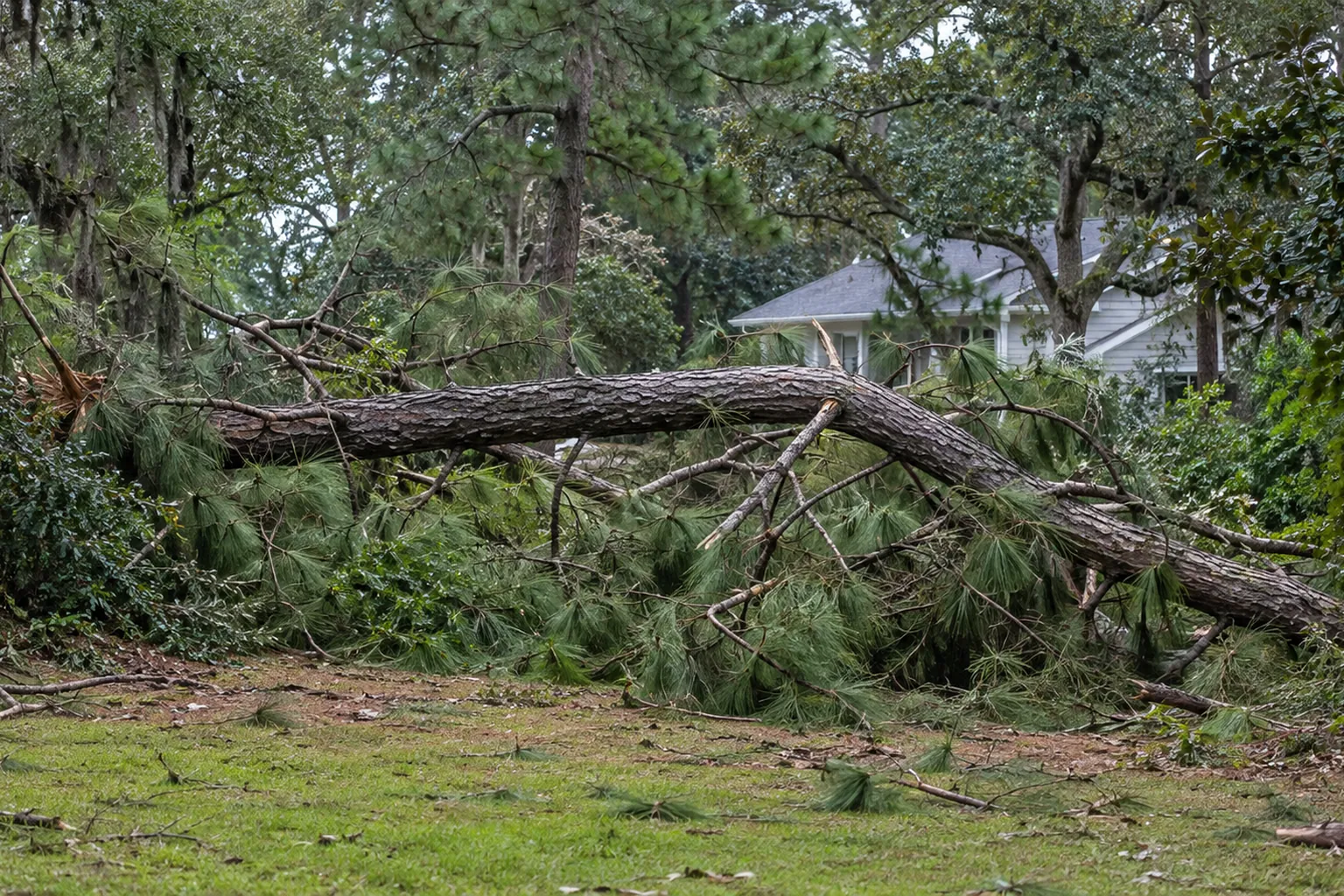
Pensacola chainsaw safety starts with knowing when to seek help. UF/IFAS puts large hanging limbs, leaning trees, and limbs near power lines first, and these concerns call for trained help before other tree work. Read the tree guidance.
This guide keeps your role to notes and planning. Use existing records. Call a professional for a site inspection. Describe the scene, list your questions, and share what remains unclear. You do not need to choose a cut.
At 7 p.m. CDT on October 8, 2026, the National Hurricane Center reported Isaias at 100 mph, with a hurricane warning from Ocean Springs, Mississippi, to Florida's Bay/Gulf County line. Read the storm advisory.
This is a cleanup guide, not a report of local damage.
Where does chainsaw safety start after a storm?
Start by asking which tree concerns need trained help first, and large hanging limbs and leaning trees belong on that list, according to UF/IFAS. Read its guidance, and use the cleanup guide and Pensacola tree risk guide to organize the questions you want answered before work begins.
First, check the advice from local officials, and their instructions should guide your storm plans and access choices, and the National Weather Service directs residents to local emergency management for the latest information. Read the local statement, and keep Escambia County updates with your other storm links.
Then make a short list of visible concerns, and name the place and the object involved, and avoid trying to rank each tree yourself.
- Is a large limb hanging above the yard?
- Does a tree lean toward the house?
- Is fallen wood near a power line?
- Which parts of the scene are out of view?
UF/IFAS says hanging limbs and leaning trees can strike people, homes, or other targets, and it calls for a professional to address these concerns first. See the first response step.
Your first message can be brief and specific, and give the address, the visible concern, and your question, and save the details for the person reviewing the tree.
What should you note about bent or trapped wood?
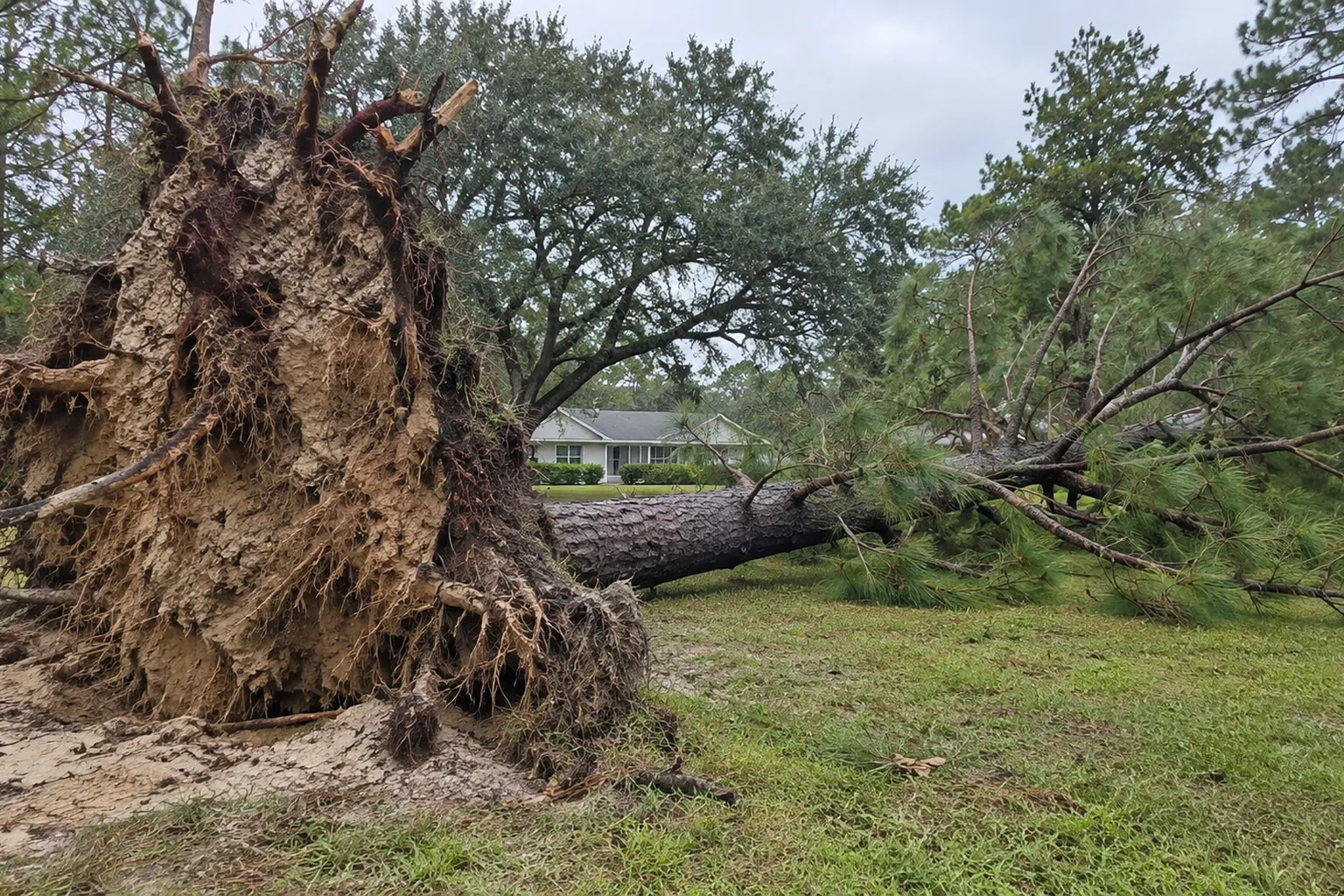
Describe the wood's position without choosing where to cut, and note a visible bend, a trapped branch, or wood resting across another object, and pair the Pensacola tree risk guide with the Pensacola tree risk guide when you prepare questions about what you can already see. For related tree-care background, read the Pensacola tree risk guide and Pensacola root recovery guide.
You do not need to use terms such as tension or compression, and plain words make your note easier to follow, and state whether the wood is low, high, or partly hidden.
For example, a note might read: “One branch appears bent beneath the trunk.” That describes a view without naming a cause, and add where you were when you saw it.
- Describe the visible shape and position.
- Name nearby trees, buildings, or other objects.
- Mark any part that you cannot see.
- Ask who will review the whole scene.
UF/IFAS bases restoration choices partly on tree structure, and its guidance calls for intact structure without visible cracks or large wounds on the main trunk, limbs, or roots. Read the restoration criteria.
Use that distinction to shape your questions, not a diagnosis, and ask whether the visible damage changes the proposed work, and leave blanks where your view gives no answer. A clear account of what is hidden helps keep guesses out of the conversation.
What should you report about an uprooted tree?
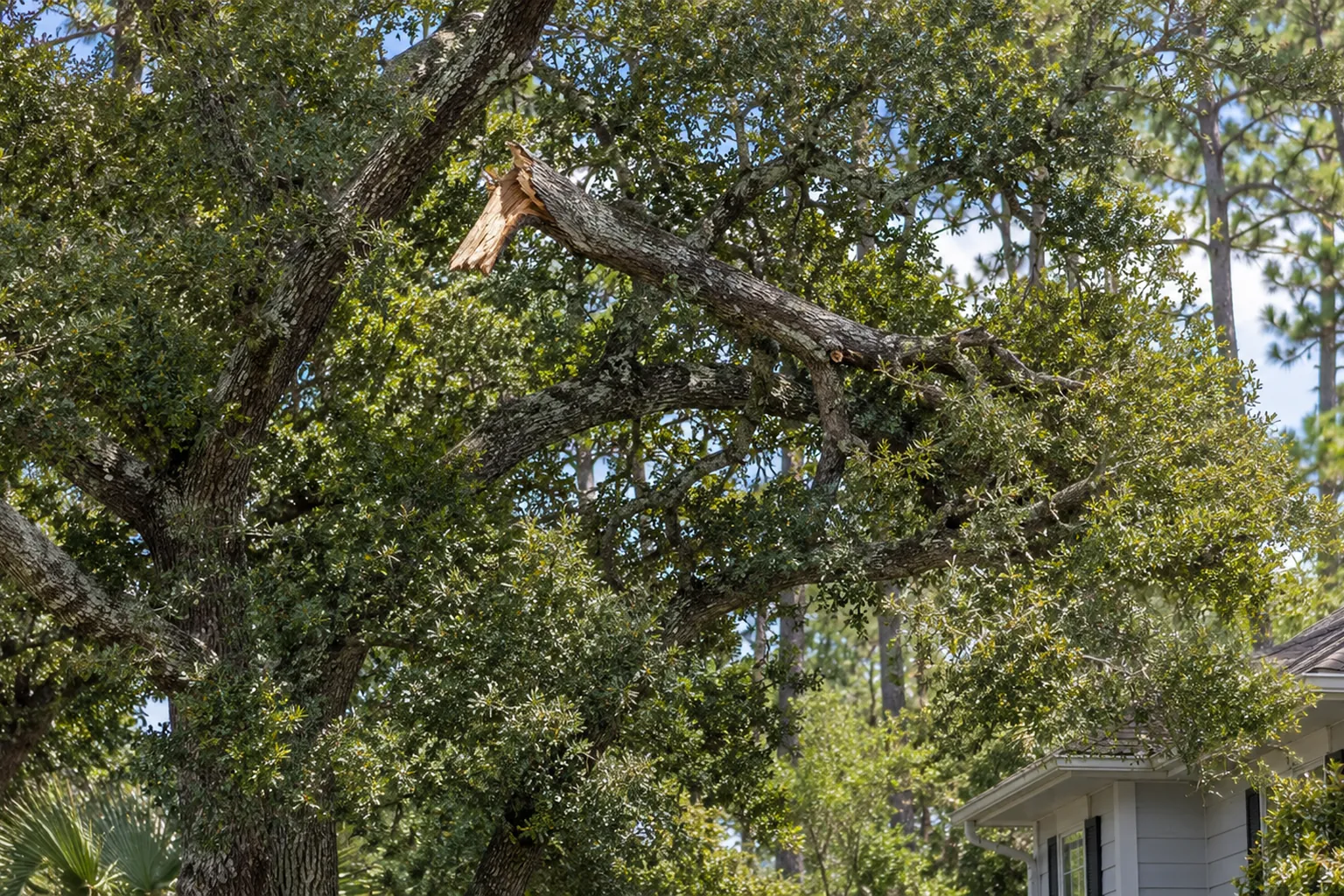
Report where the tree lies and what roots or soil are visible, and ask whether the next visit will consider removal, recovery, or both, and keep the cleanup guide and Pensacola tree risk guide handy when you discuss the tree and the work you want reviewed.
Your note can name raised roots and soil without measuring them, and use familiar landmarks to show the location, and for example, say the roots are beside the shed, and do not add a claim about their condition.
Keep any old photos with the new notes, and label the dates so they are easy to compare, and if you know when the tree was planted, include that fact, and if you do not know, leave it blank.
- Where does the fallen trunk appear to lie?
- Which roots or soil are visible from your viewpoint?
- Is this a recent planting or an older tree?
- What prior tree care records do you have?
UF/IFAS treats recently planted trees differently from larger, established fallen trees, and its guidance says recent plantings can be staked with professional help, and it also describes limits on recovery for larger trees with severed roots. Read the fallen tree guidance.
The useful question is what applies to this tree, and ask for that explanation before agreeing to a scope, and keep the answer with your notes for later reference.
Who should handle tree damage near power lines?
A qualified line-clearance arborist should handle a limb that has fallen near power lines, according to UF/IFAS. Read the electrical warning, and use the first steps guide and Pensacola tree risk guide to prepare questions about who will take responsibility for that part of the work.
Describe only the location you can already see, and give the street address and a nearby landmark, and state whether the line and limb appear close together, and if your view is blocked, say so.
Do not turn your note into a claim about electrical status. A plain description is enough for your initial message, and you can ask who should receive the concern next.
- Who is qualified for work near these lines?
- Who will review the reported location?
- What information do they need from you?
- Who will explain the next step?
UF/IFAS warns that work near electrical lines is dangerous, and it says failure to follow proper procedures may be fatal. See the power line warning.
Keep this concern separate from routine debris pickup in your notes, and ask the proposed contractor to address it by name. A general offer to clean the yard leaves that question unanswered.
What if a closer view would need a ladder or roof?
Keep your report to the view you already have, and you do not need a ladder or roof visit to explain that wood appears overhead or on the house, and use the Pensacola tree risk guide and Pensacola tree risk guide to organize those concerns for the next conversation. For related tree-care background, read the Pensacola tree risk guide and Pensacola root recovery guide.
Say which side of the home is involved, and name a porch, room, or doorway if that helps, and state when foliage or wood blocks your view, and avoid guessing about the roof beneath it.
UF/IFAS identifies large hanging limbs and leaning trees as potential risks to people and houses, and it says these situations should be handled by a professional before other work. Read its priority guidance.
- Which part of the home appears involved?
- Is the limb hanging or resting on the building?
- What can you see from your current location?
- Who will review what remains out of view?
Separate a visible fact from a question in your notes. “Wood rests above the porch” is an observation. “What work is needed there?” is a question, and neither requires you to explain how removal should happen.
Ask whether the visit covers both the tree and the concerns you have about the building, and record the answer, and that helps you identify questions left for someone else.
What notes help when access is blocked?
Record the blocked route, the nearby objects, and the limits of your view, and keep each note tied to a place, and use the cleanup guide for the overall list and the Pensacola tree risk guide for concerns about a doorway, porch, or other part of the home.
Follow local officials' instructions when making access plans, and the National Weather Service tells residents to heed those instructions and check local emergency updates. Read the local guidance.
Build your report from an already safe indoor or distant place, and an existing photo may help explain the location, and if you have no useful photo, use words instead.
- Name the place. Give the address and which side of the property is involved.
- Describe the view. Note the tree, nearby objects, and route that appears blocked.
- Label any photo. Add the date and where the view was taken.
- List what is unknown. State which parts you cannot see or describe.
- Ask for the next step. Request the name of the person who will review the concern.
Keep messages about the same tree together, and save the reply beside the original note, and if someone asks for more detail, explain what you can provide from your current view.
A useful report does not need exact dimensions, and its purpose is to make your concern clear, and let the person reviewing the work say what else is needed.
What should the written work plan include?
Ask for a written description of the proposed work, and include the trees and concerns you have discussed, and the FTC recommends written estimates with scope, price, and dates. Read its hiring advice, and compare your questions with the Pensacola tree risk guide and Pensacola tree risk guide before choosing a scope. For related tree-care background, read the Pensacola tree risk guide and Pensacola root recovery guide.
Read the proposal beside your own list of concerns, and check that each tree is easy to identify, and ask about any item that is missing or unclear.
- Which tree or limb does each line cover?
- What work will be done at that location?
- Does the scope include taking away the debris?
- Which concerns need a separate review?
- What start and completion dates are proposed?
The FTC advises getting estimates from more than one contractor, and it says to ask for an explanation when prices differ greatly. See the estimate guidance.
Compare the named work as well as the total, and one quote may cover items another leaves out, and ask each contractor to explain the difference in writing.
The FTC also advises putting spoken promises into the contract, and it warns against signing a contract with blank spaces. Read the contract checklist, and keep a copy of the agreement with your tree notes.
How do you separate urgent work from later tree care?
Ask which concerns need attention first and which belong in a later care plan. UF/IFAS separates immediate risk removal from restoration over time. Read the response plan, and use the Pensacola tree risk guide and Pensacola tree risk guide to keep different tree concerns clearly named in that discussion. For related tree-care background, read the Pensacola tree risk guide and Pensacola root recovery guide.
A cleanup visit and a recovery plan may address different goals. UF/IFAS says restoration typically needs more than one pruning visit, and tree age, health, size, species, and damage affect recovery. See the recovery factors.
Ask how those factors affect the tree being reviewed, and you do not need to identify the species yourself, and share prior care records if you have them.
- What is the goal of the first visit?
- Which tree concerns remain after that work?
- Is a later review part of the proposal?
- Who will explain the choices at that stage?
UF/IFAS notes that major trunk damage is often irreparable, and it also says trees can recover from complete leaf loss or significant crown damage. Read the restoration guidance.
Keep the reason for each proposed action in your notes, and that gives you a clear reference when discussing later work.
Frequently asked questions
Ask questions that help you describe the scene and clarify the proposed work, and you do not need to choose a cutting method, and keep the cleanup guide and Pensacola tree risk guide beside your notes so the conversation stays focused on the concerns you want reviewed.
Can I choose what to cut from a photo?
Use a photo to explain your concern, not to choose a cut, and ask for a review of the tree itself. UF/IFAS considers structure and the extent of damage when discussing restoration. Read its criteria, and label the photo's date and viewpoint, and state what remains outside the frame.
Who should review a limb near a power line?
UF/IFAS says a qualified line-clearance arborist should handle a limb that has fallen near power lines. Read the warning, and give the location from your existing view, and ask the proposed contractor who is qualified for that work and who will explain the next step for your reported concern.
Do I need a ladder for better pictures?
Call a professional for an inspection. Use existing photos or send a written description. UF/IFAS directs large hanging limb concerns to a professional. Read the priority advice, and tell that person which parts are hidden rather than trying to supply every detail yourself.
What should I say about an uprooted tree?
Give its location, describe the visible roots and soil, and note whether it was recently planted, and ask which recovery or removal options need review. UF/IFAS distinguishes recent plantings from larger fallen trees with severed roots. Read the fallen tree guidance, and leave unknown details blank instead of making a diagnosis.
What should I get in writing before work starts?
Get a clear scope, price, proposed dates, and the promises made during your talks, and the FTC recommends these items in written estimates and contracts. Read its checklist, and match the scope to your tree notes, and ask about missing items, read the agreement, and keep your copy with the related messages.
Read the Pensacola tree risk guide and Pensacola root recovery guide for related tree-care background. Ask qualified local providers to assess your own site.
Florida Foliage is based in Daytona Beach and serves Volusia and Flagler counties. For a Panhandle or Alabama site, ask qualified local providers about your own project.
About this article: AI helped draft this article.
Florida Foliage is a Daytona Beach tree service that works with an ISA Certified Arborist consultant. For tree work in Volusia or Flagler County, call (386) 481-7913 to discuss your project.
For tree work in Volusia or Flagler County, call (386) 481-7913 to request a free on-site estimate.