Reviewed by Clinton Funk
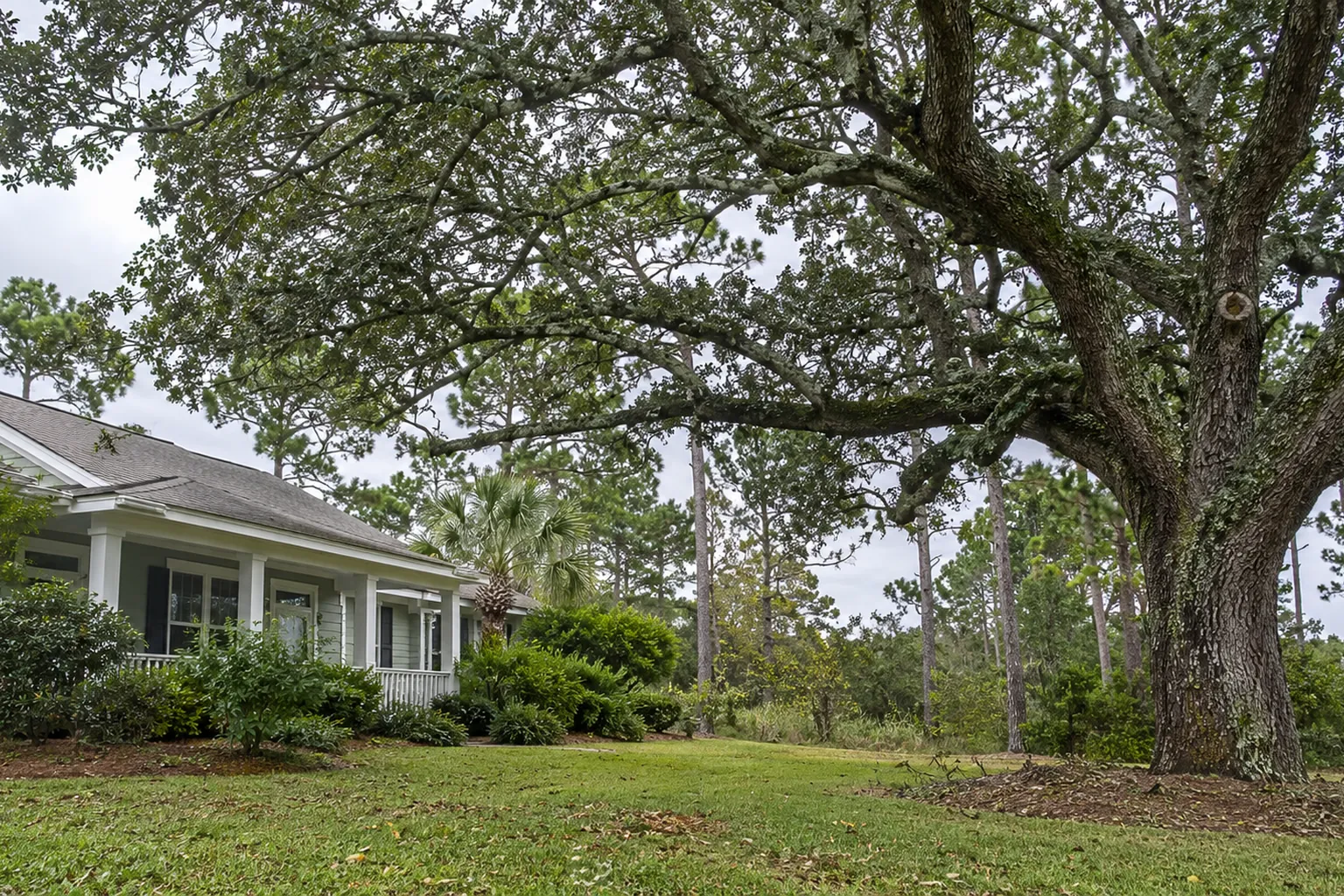
Call an arborist after a hurricane when you need a clear decision about a damaged tree in Mobile. Start with expert help for hanging limbs or leaning trees near people or buildings. UF/IFAS identifies these concerns and states, These situations should be taken care of by a professional before anything else.
UF tree guide.
The October 8, 2026, 4:16 p.m. CDT NWS Mobile statement forecast a possible landfall area: it is expected across either coastal Alabama or the western Florida Panhandle.
This remains a dated forecast. Read the dated local hurricane statement. Consult Mobile County emergency management for local instructions.
For tree work, ask who will check the damage, explain the findings, and answer your questions. Keep the advice about saving a tree distinct from the proposal for removing it.
When Should You Call an Arborist After a Hurricane?
Request a tree review when you need specific advice about storm damage before choosing cleanup work. Use the Mobile Bay to Pensacola cleanup guide to sort your questions. Consult the Pensacola tree risk guide when electrical equipment is part of the concern.
Large hanging limbs and leaning trees deserve expert attention when people or buildings could be struck. UF/IFAS describes large hanging limbs or leaning trees that could fall on a person, hit a house
among potentially risky situations. UF tree guide.
Explain what you noticed and where the tree stands, without naming a cause you cannot confirm. For example, say that you first noticed a lean after returning to the property. If an older picture shows the tree, mention that you have it available for comparison.
- Describe the tree's location using a building, driveway, fence, or other clear landmark on your property.
- Tell the provider which visible change prompted your call and when you first noticed that change.
- Ask whether the visit includes advice about keeping the tree, a removal estimate, or both services.
Electrical involvement calls for a distinct expert role. UF/IFAS states, If a limb has fallen near power lines, make sure that a qualified line-clearance arborist treats the situation.
UF tree guide.
During the call, ask who will address each concern and what details they need from you. Describe the problem in words rather than trying to get a closer view.
What Should the Arborist Examine and Explain?
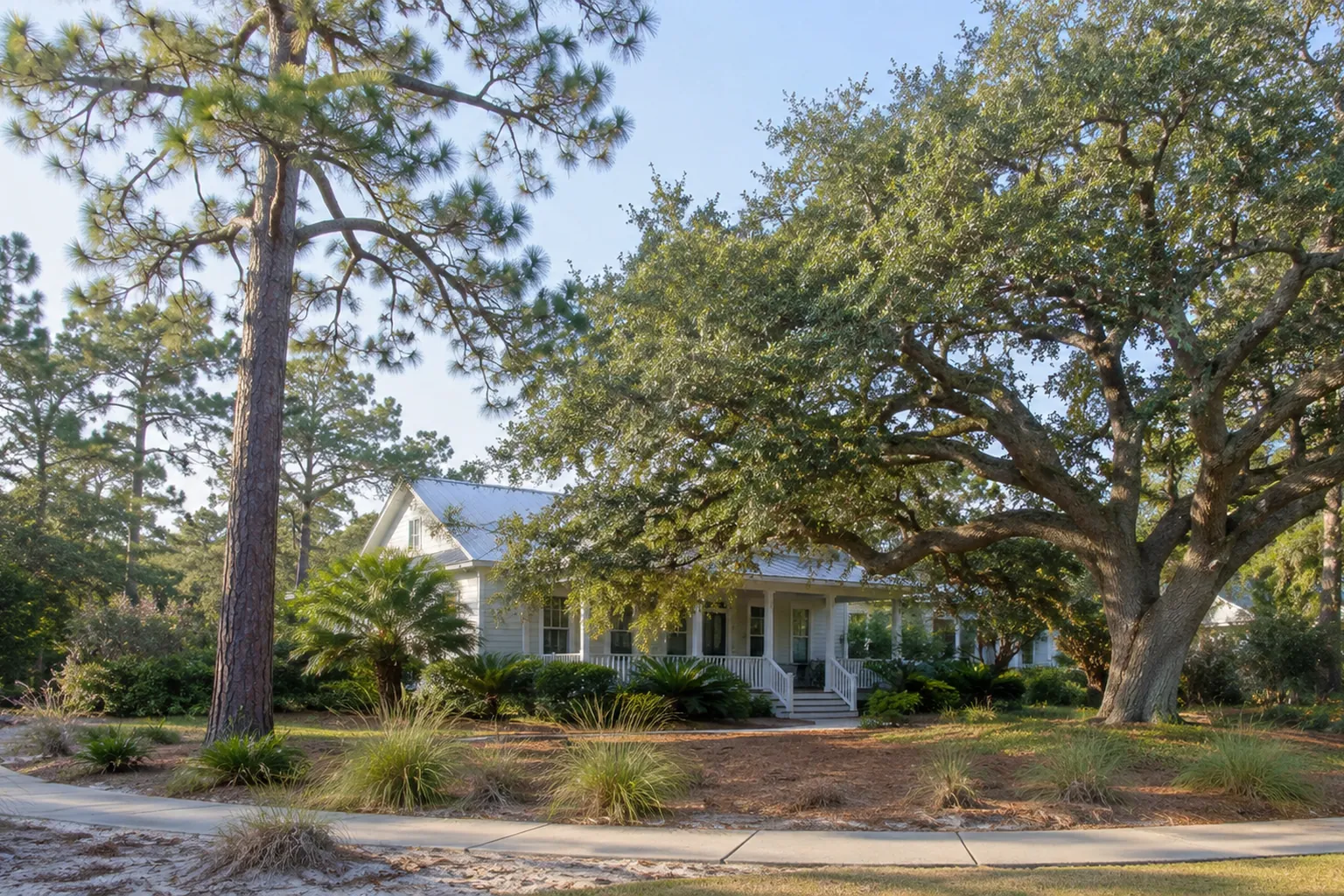
Ask the arborist to explain the tree's condition, the parts examined, and the reason for each advice. The Pensacola tree risk guide offers related tree-care background. For related tree-care background, read the Pensacola tree risk guide and Pensacola root recovery guide.
The review should address more than the branches scattered across your lawn. UF/IFAS says a tree considered for repair should have intact structure, without any visible cracks or large wounds on the main trunk, limbs, or main roots.
UF tree guide.
- Ask the arborist to name the affected part in plain language and connect it to the advice.
- If the report mentions a crack, ask which trunk or limb the wording refers to.
- A labeled picture can help you match the explanation to the correct tree.
Describe how your household uses the nearby space, including entrances, parking places, and shared paths through the yard. Then ask the arborist how those details were considered when explaining the findings and proposed work.
Request a clear account of what was examined and what was left unresolved during the visit. If another check is proposed, ask which question it would answer before agreeing to that step. You should be able to explain why another visit is being requested.
Keep the findings and the work proposal together, with matching tree names or location labels. If one record says to retain a tree and another includes its removal, request clarification. Resolve that difference before signing a scope that could be read in more than one way.
How Does the Arborist Decide Whether a Tree Can Stay?
Ask for a tree-specific reason to retain, restore, or remove each damaged tree, with the alternatives clearly explained. Review the Pensacola tree risk guide for questions about removal. The Pensacola tree risk guide for questions about keeping a tree. For related tree-care background, read the Pensacola tree risk guide and Pensacola root recovery guide.
Lost leaves and broken branches do not always mean a tree must be removed. UF/IFAS states, Trees can recover from complete leaf loss or significant damage to the canopy
, while noting that major trunk damage is often irreparable.
UF tree guide.
Ask how the tree's age, health, size, species, and damage influenced the advice you received. UF/IFAS lists these recovery factors as age and health, size, species, and extent of damage.
UF tree guide.
Species can inform the talk, while the explanation should still address the tree in your yard. UF/IFAS identifies live oak and buttonwood as trees that resist decay and recover from damage much better than laurel oaks
. UF tree guide.
If repair is proposed, ask what the first visit covers and what later visits would involve. UF/IFAS explains, Restoration typically requires more than one pruning to develop strong tree structure
. UF tree guide.
- Request a written explanation of why the chosen option fits this tree and your stated concerns.
- Include any questions you still have about the alternative options, rather than accepting an unexplained choice.
- The final proposal should make your decision easy to recognize when the work is scheduled.
How Can You Check an Advertised ISA Credential?
Start with the full name and credential number of the person whose advice you will receive. The Pensacola tree risk guide offers related tree-care background. The regional hurricane cleanup guide helps you place that choice within your recovery plans.
Ask the company to name who will check your trees and who will explain the findings. If a consultant is involved, request a clear description of that person's role in your visit. Keep that answer with the proposal so you can refer to it later.
- Request the assessor's full name and the ISA credential number being advertised for that person.
- Ask for a current ISA verification record that you can compare with the details provided.
- Seek confirmation through ISA's own website or the contact details on its tree-owner resource page.
- Compare the person's name across the credential details, appointment details, and written findings you receive.
- Resolve any mismatch before relying on the advertised credential when choosing who will advise you.
ISA's tree-owner resource page provides an Arborist Directory
and lists Storm-Related Tree Damage
among its guidance topics. ISA tree care guide. Use those resources to continue your inquiry, and ask ISA directly about a credential you cannot confirm.
Also request proof of insurance apart from the details about the assessor's credential and proposed role. The FTC advises, ask the contractor for proof of insurance.
FTC scam tips.
Keep the answers together so the person giving advice and the business performing work are clearly named.
What Information Should You Prepare Before the Visit?
Plan existing pictures, a short account of what changed, and a list of questions about each tree. The Pensacola tree risk guide can help shape questions about cleanup, while the coastal Alabama and Pensacola recovery guide gives you a broader checklist for sorting the conversation.
- Start with pictures already on your phone, including older views that show the same part of the yard.
- Label them with dates when known, and leave uncertain dates marked as uncertain in your notes.
- Tell the provider when a picture was taken by someone else.
Write down what you remember about past tree work, earlier damage, and concerns raised before the storm. Distinguish your own observations from comments that neighbors or other contractors have shared with you. This helps the person visiting understand where each piece of details came from.
If the property received saltwater flooding, include that history in the talk with the arborist. UF/IFAS states, Significant tree dieback due to salt damage can occur in coastal areas that receive storm surge from hurricanes.
UF tree guide.
For insurance questions, contact your insurer rather than relying on the tree contractor's interpretation of coverage. The FTC says, Don't rely on a contractor to tell you what's covered
. FTC scam tips.
Before the visit, choose the questions that matter most to your decision about the damaged trees. Put unresolved points near the top, such as whether the proposal includes hauling or later tree care. Share the same list with each provider when comparing their written answers.
What Should the Written Tree Work Plan Include?
A useful plan names each tree, states the proposed action, and explains what is included in the job. The Pensacola tree risk guide offers related tree-care background. The Pensacola tree risk guide offers related tree-care background. For related tree-care background, read the Pensacola tree risk guide and Pensacola root recovery guide.
Use a location label or marked picture to distinguish similar trees on the same property. Ask for distinct entries when one tree will remain and another is scheduled for removal. Each entry should match the explanation you received during the visit.
- Name the tree or location and describe the work that you are being asked to approve.
- State whether the proposal includes debris hauling, trunk sections, stump work, and any later visits.
- List the planned access route and any agreed arrangements for nearby fences, gates, or parked vehicles.
- Include the contact person who will answer questions before work starts and after the job ends.
The FTC suggests a written estimate with a description of the work to be done, materials, completion date, the price, and the contractor's contact information.
FTC scam tips.
Compare those details across proposals before choosing work, especially when the prices differ by a large amount. The FTC advises, Ask for an explanation if there's a big difference in price.
FTC scam tips.
Have changes written into the agreement, rather than leaving important promises in a phone conversation. For retained trees, request the proposed follow-up schedule and the questions each later visit will address. Keep a copy of the final scope alongside the findings that led to your decision.
Frequently asked questions
These answers address common decisions about tree removal, expert roles, and the scope of storm cleanup work. Use the Pensacola root recovery guide for retention questions. The Pensacola tree risk guide when arranging help for a concern involving electrical equipment.
Does every tree that lost its leaves need removal?
No. UF/IFAS states, Trees can recover from complete leaf loss
. UF tree guide. Ask the arborist to explain the findings for your tree and the reason for the proposed action. If removal is suggested, request the exact concern behind that decision rather than treating leaf loss as the whole explanation.
Who should address a limb near a power line?
UF/IFAS calls for a qualified line-clearance arborist: If a limb has fallen near power lines, make sure that a qualified line-clearance arborist treats the situation.
UF tree guide. Describe the electrical involvement when arranging help, and ask who will handle that part of the work. Leave handling of the limb to that expert.
Can restoring a tree take more than one visit?
Yes. UF/IFAS explains, Restoration typically requires more than one pruning to develop strong tree structure
. UF tree guide. Ask which work is included now and which visits are proposed later. Have that distinction written into the plan so the first cleanup visit does not leave your expectations unclear.
What should I ask when a consultant provides the advice?
Ask whether the consultant will visit, review the findings, or speak with you about the advice. Request the consultant's role in writing and name who will answer your follow-up questions. When an ISA credential is advertised, ask for the person's naming details and seek confirmation through ISA before relying on that claim.
How should I compare removal estimates?
Compare the stated work, included services, end date, and price across the written estimates you receive. The FTC advises, Don't automatically choose the lowest bidder.
FTC scam tips. Ask each provider to clarify debris hauling, stump work, and any differences in scope before deciding which proposal fits the work you want.
Use the Pensacola tree risk guide to organize the first steps. The Pensacola tree risk guide offers related tree-care background.
Florida Foliage is based in Daytona Beach and serves Volusia and Flagler counties. For a Panhandle or Alabama site, ask qualified local providers about your own project.
About this article: AI helped draft this article.
Florida Foliage is a Daytona Beach tree service that works with an ISA Certified Arborist consultant. For tree work in Volusia or Flagler County, call (386) 481-7913 to discuss your project.
For tree work in Volusia or Flagler County, call (386) 481-7913 to request a free on-site estimate.