Reviewed by Clinton Funk
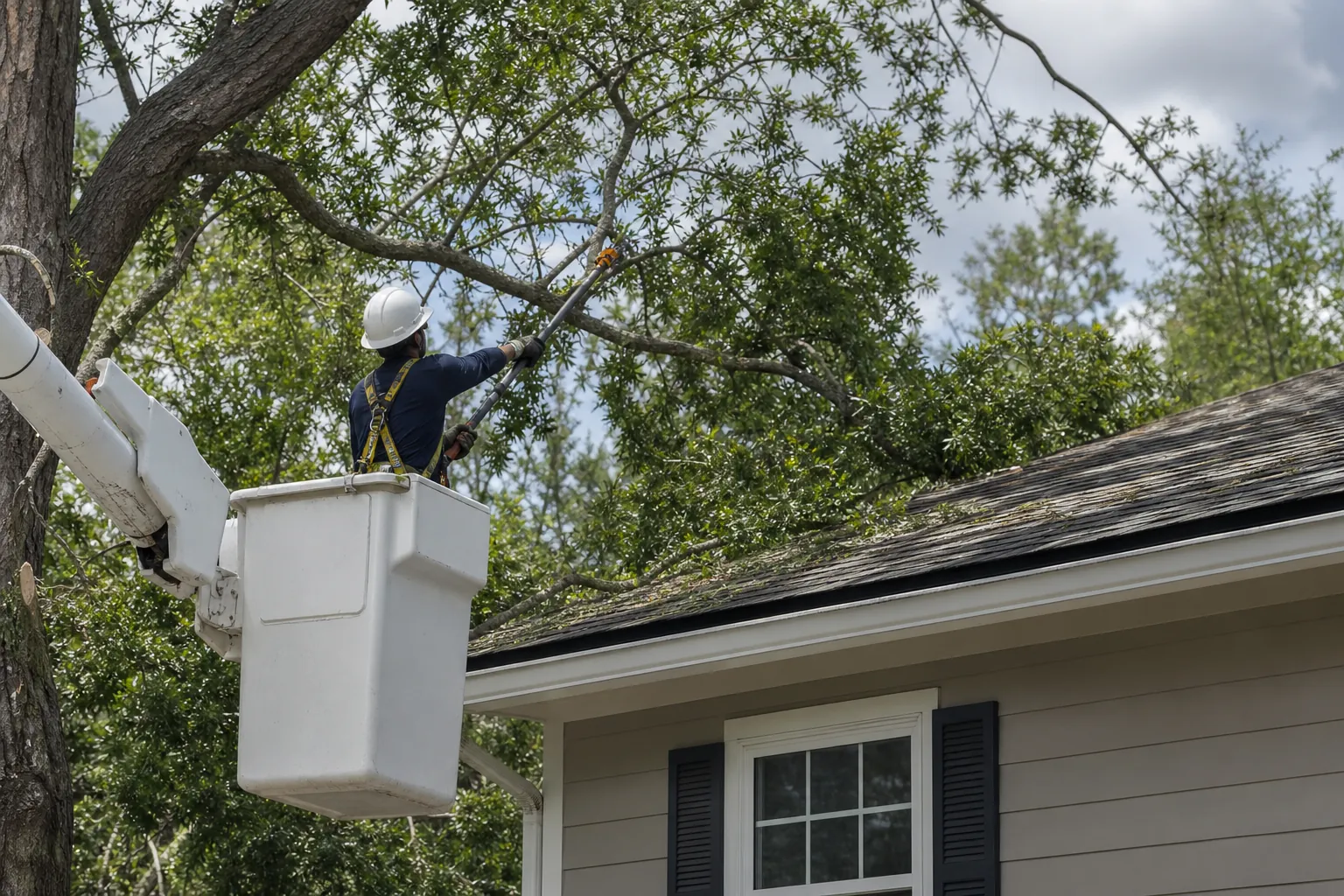
A hurricane tree trimming roof clearance plan can help Pensacola homeowners prepare trees and outdoor spaces before strong winds arrive. Start by looking at branches, trunks, and the space around the home. Note concerns and seek an inspection when a tree’s condition is unclear.
Florida Foliage provides tree services from its Daytona Beach headquarters. This article offers general planning guidance for Pensacola homeowners. It does not describe local crew availability. For storm readiness or cleanup planning, call (386) 481-7913 to discuss an estimate and the work you have in mind.
How Can Hurricane Tree Trimming Improve Roof Clearance in Pensacola?
Hurricane tree trimming can help keep weak or overhanging limbs from rubbing against a roof. Roof clearance does not mean removing every branch near a home. A careful assessment looks at branch health, tree shape, and nearby targets before suggesting any work.
Start with a view from the ground. Look for limbs that touch the roof, hang over gutters, or rest near windows and walkways. Note large dead branches, cracked limbs, and trees that have changed shape. These signs call for a closer look, not a quick cut.
Clearance needs depend on the tree and the building. A branch that looks close from one angle may have room to move, while a limb over a roof may need attention. A tree inspection can help sort those cases. Florida Foliage offers tree trimming and tree inspections as part of its listed services.
Trimming should keep the tree's form in mind. Cutting too much from one side can leave an uneven canopy. Large cuts may also create wounds that need time to close. Ask what limbs are planned for removal and how the work will protect the tree's shape.
- Look for branches that touch siding, roofing, gutters, or outdoor equipment.
- Watch for dead limbs, cracked forks, and recent changes in a tree's lean.
- Keep people away from limbs that are split or hanging after a storm.
- Ask for an inspection when a tree's condition or safe work path is unclear.
What Should Homeowners Check Before Hurricane Season?
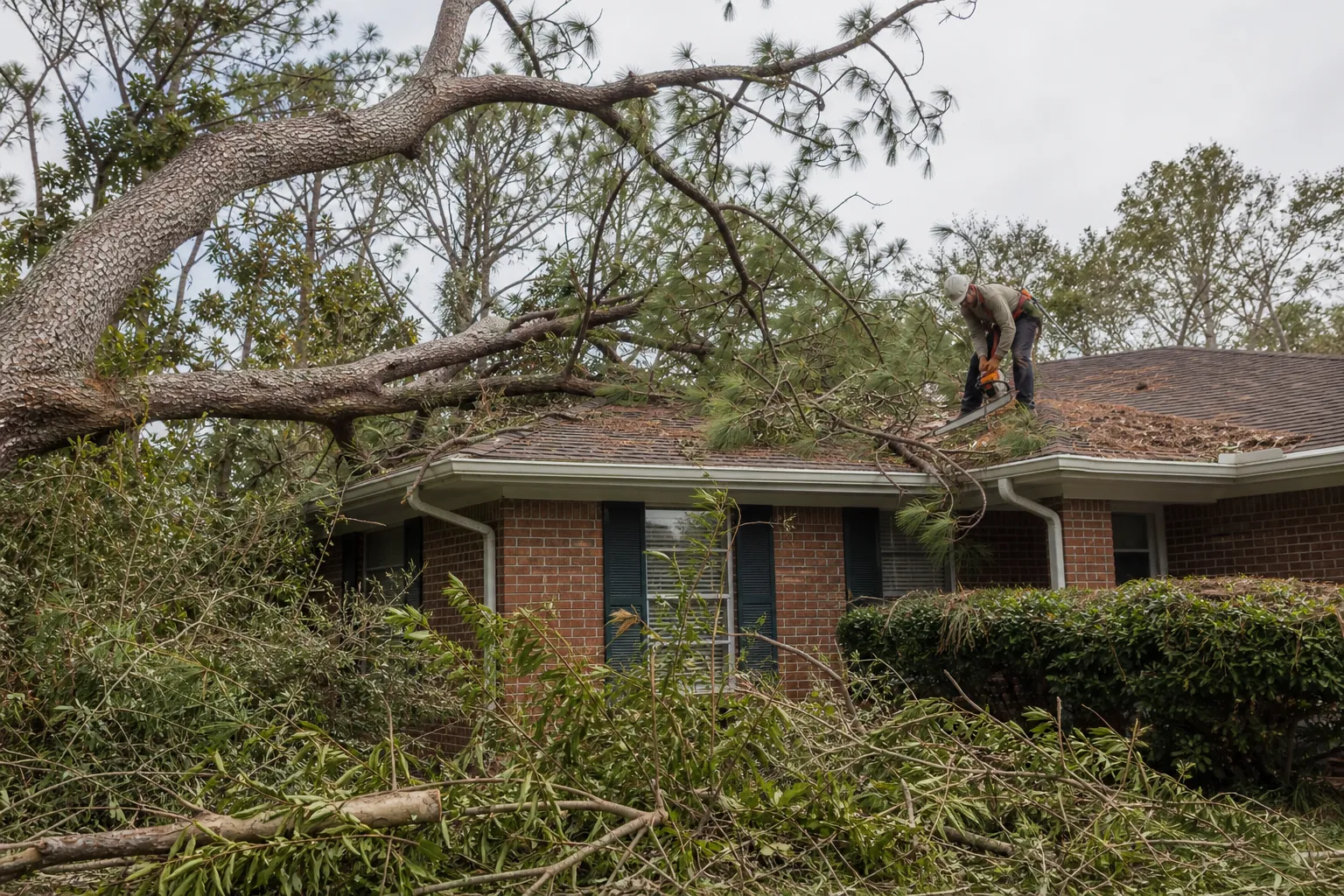
A seasonal tree check gives you time to note concerns before a storm watch begins. Walk the yard in daylight and look at each tree from more than one safe spot. Record the tree's location and the visible issue so you can explain it clearly during an inspection.
Check trunks for new cracks, cavities, or loose bark. Look at branch unions for splits and at the ground for lifted roots or fresh soil movement. These observations do not prove that a tree will fail. They help identify where a trained tree professional may need to look more closely.
Check the full canopy, including branches above the roof. A tree near a driveway, fence, or path can create a hazard if a large limb falls. Trees close to power lines need special care. Do not climb, prune, or approach a tree that is touching a power line. Report the danger to the utility or emergency officials.
A written yard list can make seasonal planning easier. Include trees that need a closer look, limbs that touch structures, and areas where storm debris could block a path. Florida Foliage lists arborist reports and tree trimming among its services for tree planning and care.
- Check trees from the ground and avoid climbing ladders to inspect them.
- Note visible cracks, hanging limbs, and root changes without touching them.
- Keep walkways and access paths clear of tools, toys, and loose yard items.
- Ask about tree inspections when you see a change you cannot assess safely.
The National Weather Service advises people to prepare for hurricane hazards and follow local alerts. Tree care is only one part of readiness. Keep a household plan, watch official forecasts, and follow evacuation or shelter instructions from local officials.
Which Tree Work May Help Before a Storm?
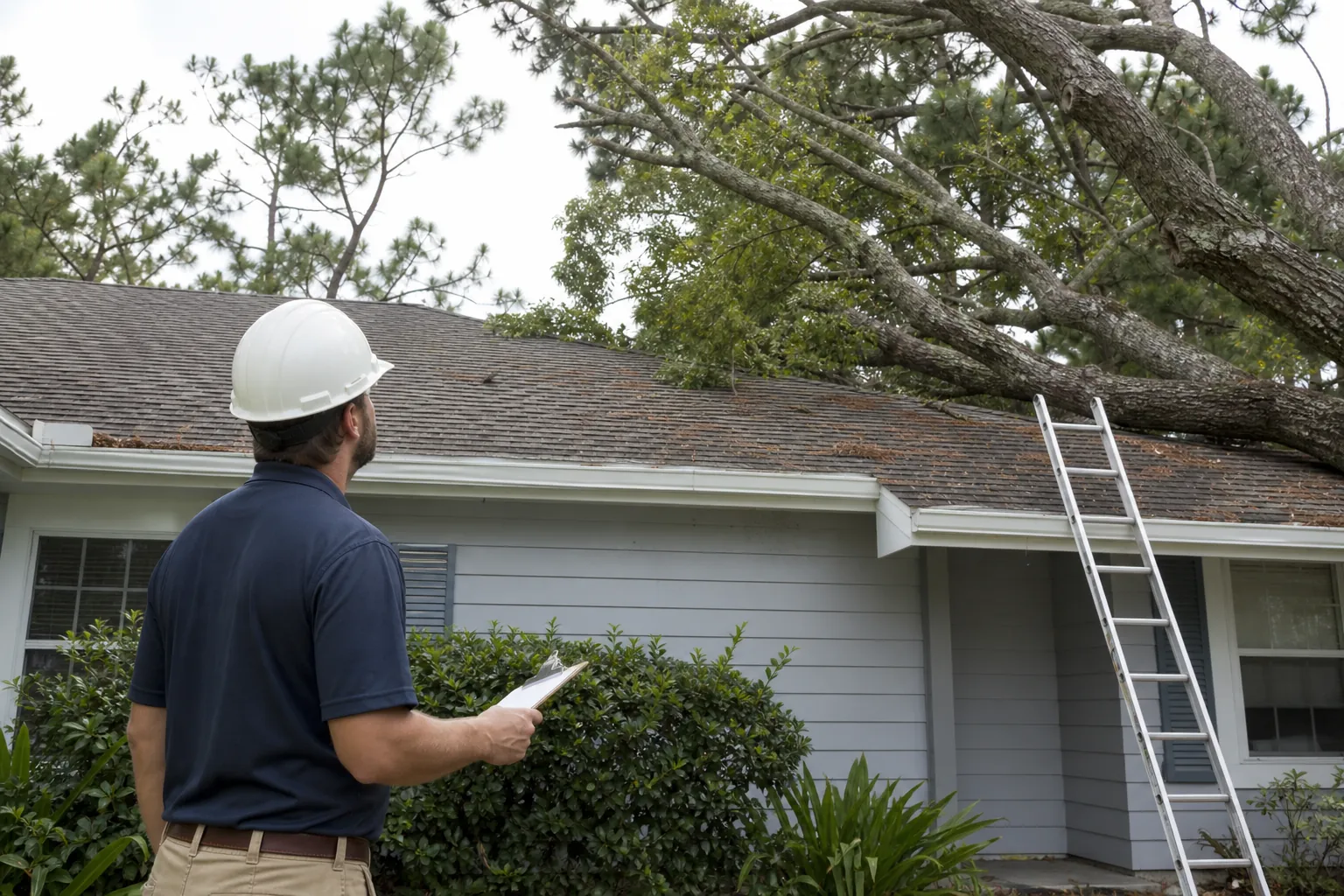
The right work depends on the tree's condition, its setting, and the concern you want to address. Tree trimming may remove selected limbs, while canopy thinning or crown reduction may shape certain parts of a tree. These are distinct tasks, so ask the tree professional to explain the proposed scope in plain terms.
Canopy thinning removes selected branches within the canopy to reduce dense growth. Crown reduction shortens some branches to make the canopy smaller while retaining its overall form. Neither service should be treated as a way to make a tree storm-proof. Strong winds can still break limbs or uproot trees.
Tree removal may be considered when an inspection finds that a tree is dead, badly damaged, or poorly suited to its location. Emergency and hurricane tree removal addresses trees that have fallen or become unsafe after a storm. The method depends on access, the tree's size, and nearby buildings or other hazards.
Crane tree removal may be used when a tree cannot be taken down in sections with a clear, safe path. The crew must assess the site and plan the work. For storm planning, Florida Foliage lists canopy thinning and hurricane tree removal among its services.
Do not cut large limbs yourself to prepare for a hurricane. A saw, a ladder, and a heavy branch can create a serious fall or strike hazard. Leave high branches and large cuts to trained workers with the right tools and a safe work plan.
How Should You Plan Yard Work Before a Hurricane?
Make a simple plan before weather conditions worsen. Identify trees that need assessment, note where debris may collect, and decide which outdoor items need to be secured or moved. Leave enough time for tree work, since weather alerts can change plans and safe work may stop as winds rise.
Walk the yard and consider how a fallen limb could affect doors, paths, parked vehicles, or outdoor living areas. Do not stand beneath a hanging branch to inspect it. Mark the area from a safe distance and share the concern with a tree professional.
Ask what the proposed work includes. A clear scope can name the trees, the limbs or canopy areas involved, and the expected cleanup tasks. If the inspection finds a different concern, pause and discuss the change before work begins. That keeps the plan tied to the tree conditions on site.
Some yards need more than trimming. Brush hogging can address heavy brush in suitable areas, and land and lot clearing can open a planned work area. These services are not a substitute for assessing trees close to a home. Florida Foliage lists tree inspections and land and lot clearing for different site needs.
- Write down each tree or area you want assessed before the visit.
- Share photos taken from a safe distance if you cannot meet in person.
- Ask which tasks are included in the cleanup plan and which are separate.
- Keep children and pets away from work zones and stored equipment.
For business sites, shared properties, and managed communities, a written tree list can help keep care consistent. Florida Foliage offers commercial tree services and HOA and condo tree services. The scope should still reflect each site's trees, access, and storm concerns.
What Should You Do Around Trees During and After a Storm?
During a storm, stay indoors and away from windows. Do not go outside to check trees while strong winds, lightning, or flooding are present. Follow weather alerts and instructions from local officials. If evacuation guidance applies to your area, follow that guidance rather than trying to protect trees or property.
After a storm, look for hazards from a safe place. Treat downed wires as live, even if they appear inactive. Do not touch a wire, a tree in contact with a wire, or water near a wire. Keep others away and contact the utility or emergency officials.
Do not walk under broken or hanging limbs. A damaged branch may shift without warning, and a fallen tree can hide other hazards. Avoid using a chain saw unless you have the training and protective gear for the task. OSHA warns that storm cleanup work can involve serious hazards, including falling trees, electrical dangers, and unstable debris.
Take photos only from a safe place and do not move large debris before the site is assessed. An inspection can help set a safe work order and identify trees that need removal or trimming. Florida Foliage lists emergency tree removal and stump grinding for storm cleanup needs.
If a tree has fallen on a home or blocks an exit, keep people clear of the area. Do not enter a damaged building if it appears unsafe. Contact emergency services when there is an immediate threat to people, and follow their directions.
How Can You Set a Useful Storm Cleanup Scope?
A useful cleanup scope starts with safety and access. List the trees, limbs, and debris areas that need review. Then ask which tasks can be done safely, what equipment may be needed, and how the site will be left once the work is complete.
Separate urgent hazards from routine yard care. A split limb above a walkway may need quick attention, while a small branch on an open lawn may wait. A trained professional can help sort the work by risk and access. Avoid entering a work area until the crew says it is safe.
Discuss debris handling before work starts. Tree removal, trimming, and stump grinding create different kinds of debris and leave different site conditions. If roots, fencing, landscaping, or nearby structures could affect access, point them out during the site review.
Stump grinding may be useful after a tree has been removed, but it does not address other tree hazards. Brush hogging may suit some brush-covered areas, while land and lot clearing has a broader site focus. Ask what each task includes so the cleanup plan matches the actual condition.
Florida Foliage also provides tree removal and arborist reports. A written scope can help you track which trees were assessed, which work was discussed, and what cleanup remains. Keep the plan focused on safe access and clear work areas.
Frequently Asked Questions About Hurricane Tree Care
Does roof clearance mean removing every branch near a house?
No. A tree assessment can show which branches touch a roof or create a concern. The right amount of trimming depends on the tree, its health, and the nearby structure. Avoid cutting large or high limbs yourself.
Can trimming make a tree safe in hurricane winds?
No trimming method can make a tree immune to storm damage. Selective care may address certain limbs or tree conditions, but wind, rain, and soil conditions can still cause damage. Follow official weather guidance and keep away from damaged trees.
Should I clear a fallen limb right after a storm?
First check for downed wires, unstable branches, and other hazards from a safe place. Do not touch wires or work beneath hanging limbs. Keep people clear, follow local directions, and arrange a professional assessment for hazardous debris.
When is an arborist report useful?
An arborist report can help document tree observations and explain a tree's condition. It may be useful when a site has several trees or when you need a clear record of recommended care. Ask what the report will review and include.
Can Florida Foliage confirm service in Pensacola?
Florida Foliage is based in Daytona Beach, and this article does not promise local crews or availability. Call (386) 481-7913 to discuss your tree care needs and ask about an estimate. Share the tree location and concern during the call.
Plan Hurricane Tree Care With Care
Good storm planning begins with a calm look at the yard and a clear list of concerns. Note roof contact, dead limbs, changed tree shape, and areas where debris could block access. Do not climb or cut trees when you are unsure of the hazard.
For tree trimming, inspections, or storm cleanup planning, call Florida Foliage at (386) 481-7913 to discuss an estimate. Explain what you have seen and ask which next step fits the site. For active storm hazards, follow directions from emergency officials and local utility providers.
Sources
- National Weather Service: Hurricane Safety.
- Ready.gov: Hurricanes.
- OSHA: Hurricane Preparedness and Response.
Call (386) 481-7913 to talk through next steps.