Reviewed by Clinton Funk
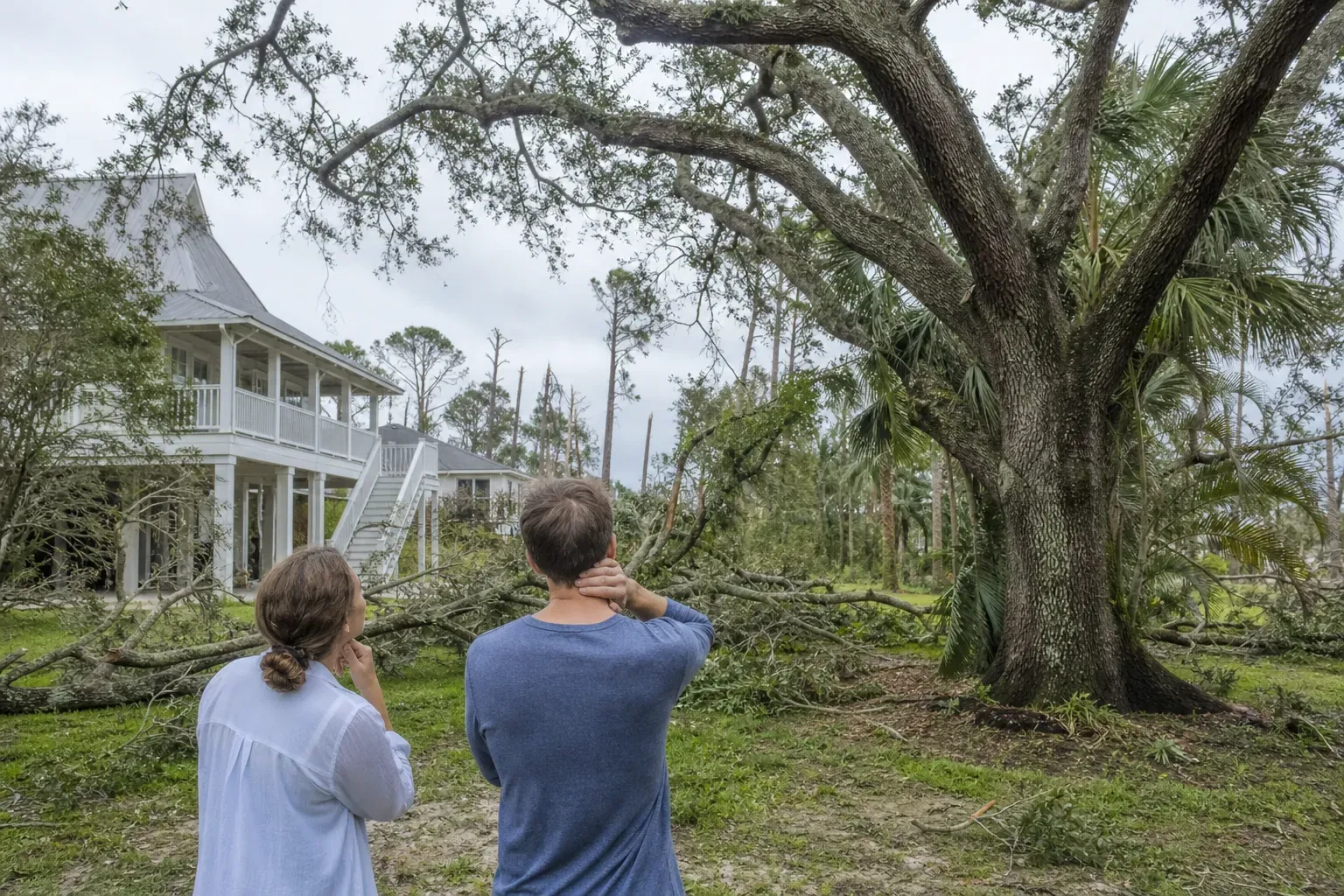
For Hurricane Isaias Protected Tree Questions In Navarre, start with Santa Rosa County and your exact parcel. Ask which tree rules apply, how the tree is classified, and what records the county needs. Do not assume storm damage allows removal without review. If a tree poses a danger, keep clear and contact the proper public authority.
This guide addresses parcel-specific questions, not a blanket permit rule. The supplied county source explains its permit process. It does not establish a Navarre protected-tree definition or a storm exemption.
As of the October 9 advisory, the National Hurricane Center identifies Isaias as a named system in that dated snapshot. Forecasts can change. Follow the latest official advice and local orders, not this article, for storm decisions.
Who should answer Hurricane Isaias Protected Tree Questions In Navarre?
Santa Rosa County is the starting point for parcel questions in Navarre. Read the tree risk guide for Pensacola owners and Pensacola root recovery guide for related tree-care background. They do not decide claim, contract, or permit questions for your site.
Ask Santa Rosa County Development Services which office should review your tree question. Its public page covers permits, plan review, and planning and zoning. It also lists a general inquiry email: WebEmail-DevelopmentServices@santarosa.fl.gov.
Use your street address and parcel number. A mailing address alone may not settle every land-use question. Ask the county to confirm the rules for that property and the proposed work.
Be clear about what you want to do. Removing one fallen branch is not the same request as removing a standing tree. Pruning, removal, root work, and clearing should not be treated as one task.
The word “protected” also needs a clear answer. It may sound like a simple label. Yet the supplied county page does not define which Navarre trees fall within that label. Do not substitute another city's definition.
For example, Pensacola's City Arborist page describes protected and heritage trees under city rules. It also addresses trees in public rights of way. Those are Pensacola rules, not proof of what applies in Navarre.
Give the county a focused request:
- State the address and parcel number so staff can identify the site.
- Describe the tree's location and the work you propose.
- Ask whether the county considers the tree protected on that parcel.
- Ask which rule or approval governs the proposed work.
- Ask whether another office must review the request.
Keep the reply with your project records. If the answer is unclear, ask a follow-up question. A useful answer should connect the parcel, the tree, and the scope of work.
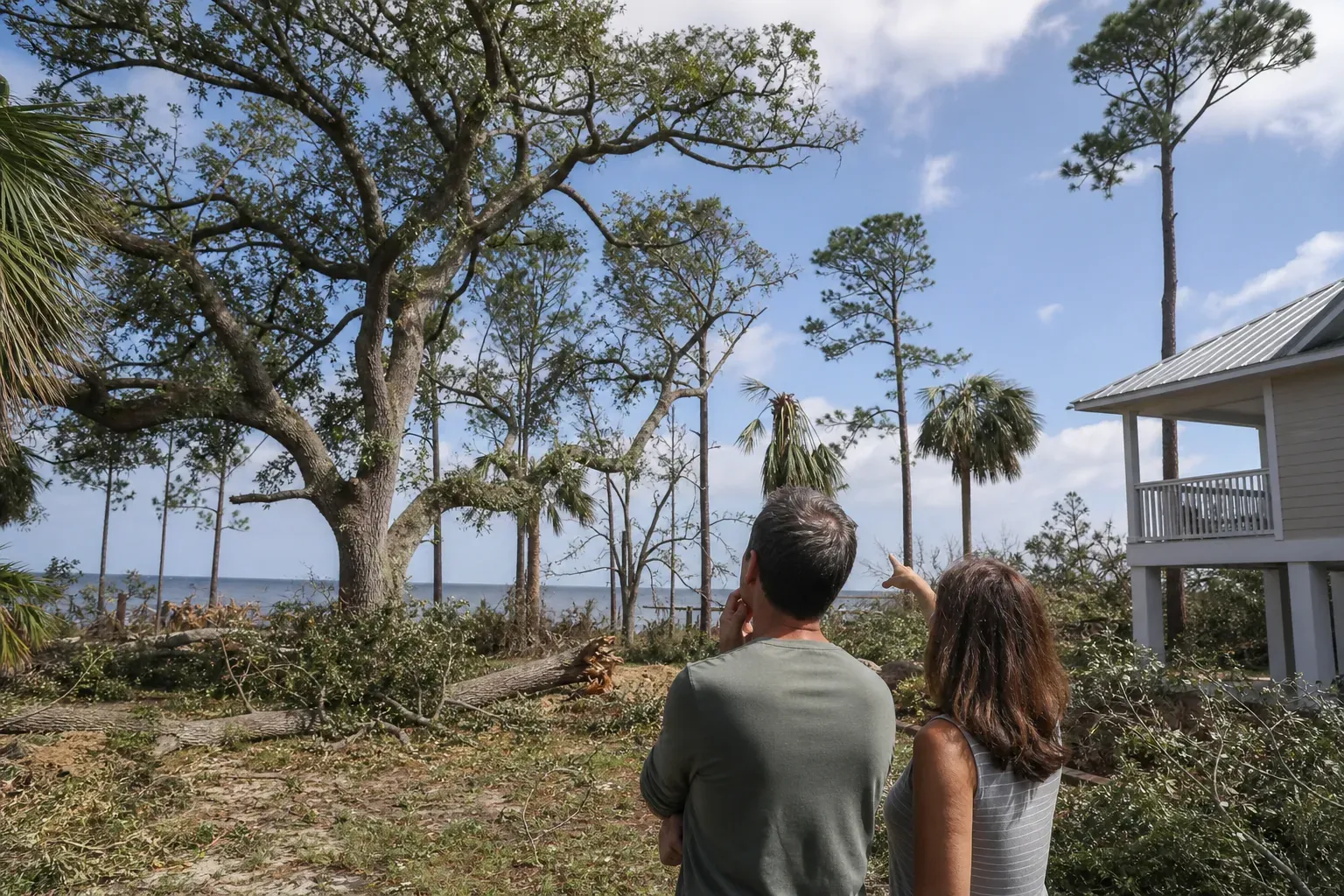
What tree records should you ask the county to provide or accept?
Ask for the required records before paying for a full report. Read the tree risk guide for Pensacola owners and Pensacola root recovery guide for related tree-care background. They do not decide claim, contract, or permit questions for your site.
The goal is a file that answers the county's questions. More pages do not always mean better evidence. Clear dates, tree locations, and descriptions may be more useful than a large set of unlabeled photos.
The county Development Services page says permit and planning applications use My Government Online. It also says documents and revisions can be uploaded through that portal. This describes the filing system. It does not mean every damaged tree needs an application.
First, ask whether your proposed work needs a filing. Then ask which documents belong in it. Do not assume a photo replaces a report or that a report guarantees approval.
Use this sequence to organize the request:
- Identify the parcel. Send its address and number. Confirm land use.
- Identify the tree. Sketch its location. Send safe-distance photos if available.
- Describe visible damage. Note broken limbs or lean, not safety conclusions.
- Define the work. List pruning, removal, or other tasks for each tree.
- Ask what records staff needs. Species, size, site plan, or expert report?
- Confirm next steps. Ask how to file and track any further review.
Some details may require a professional site visit. Do not approach a damaged trunk to measure it. Do not climb for a closer photo. Ask whether the county will accept an initial description while safer access is arranged.
Ask, “Who may write the report?” and “What must it cover?” The county may need facts that a work quote does not include. A quote lists the cost and planned work. It does not settle the tree's status or the permit rules.
Also ask how long a report remains useful. A tree's condition can change after more wind or rain. Avoid relying on an older description when visible conditions have changed.
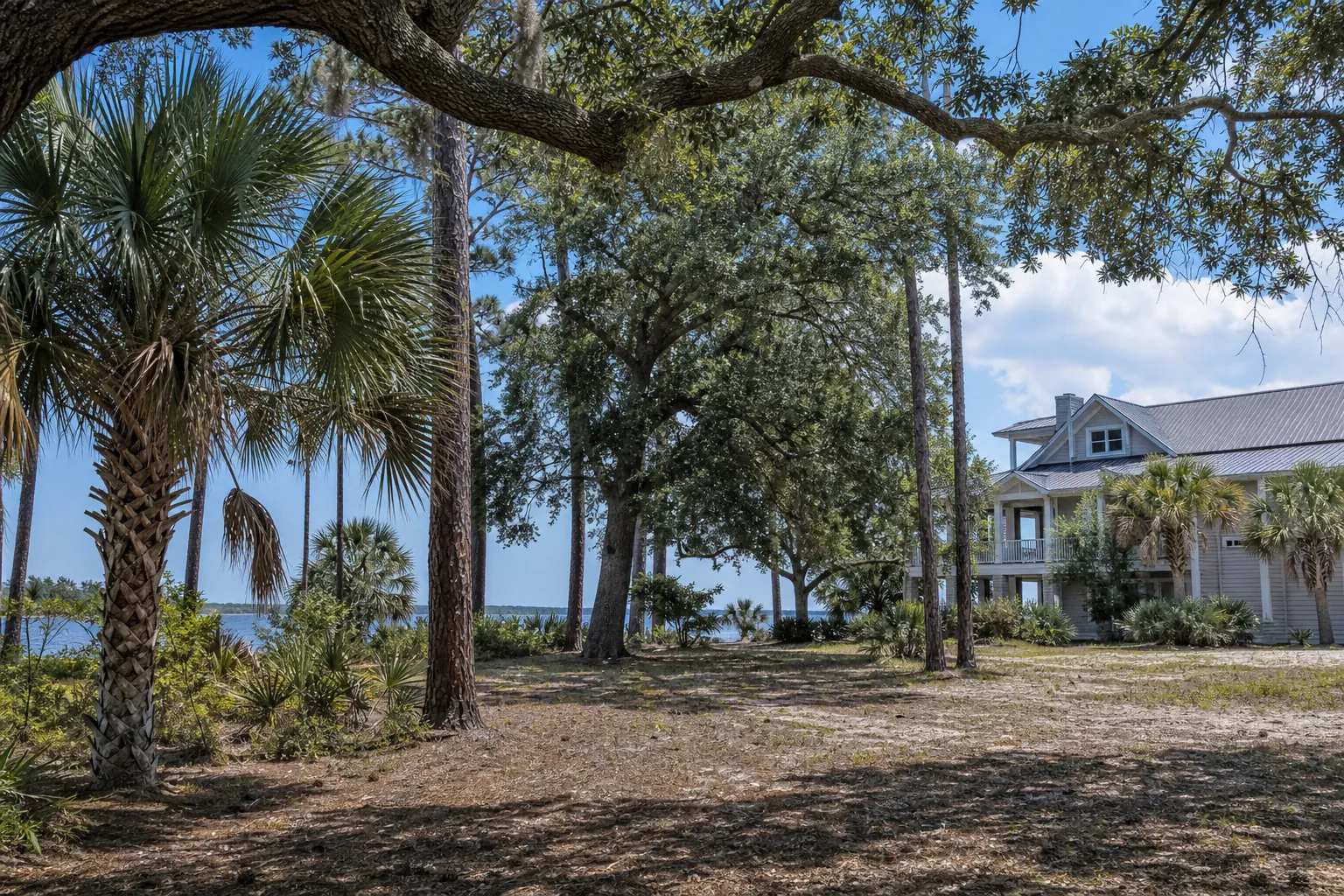
Does storm damage change the approval process?
Storm damage calls for a safety check and a rules check. Read the tree risk guide for Pensacola owners and Pensacola root recovery guide for related tree-care background. They do not decide claim, contract, or permit questions for your site.
The supplied Santa Rosa County page does not confirm a tree-removal storm exemption. It also does not define an emergency tree procedure. Ask the county whether such a process applies to your exact situation.
Use plain facts rather than broad labels. “A limb fell across the fence” tells staff more than “the tree is an emergency.” Explain what is damaged, where it sits, and what it could affect. Describe only what you can observe safely.
If there is an immediate threat to life, call 911. Stay away from hanging limbs and unstable trees. If wires are involved, keep clear and contact the utility. Do not attempt to move a tree or branch touching wires.
Official instructions take priority over paperwork. Follow evacuation and access orders. Use the National Weather Service Mobile/Pensacola office for current local weather information, along with local public authorities. This article is not a live warning service.
Once it is safe to ask about the property, separate the issues:
- Ask the county how it handles a reported urgent tree hazard.
- Ask what evidence is needed before or after any authorized work.
- Ask whether the proposed scope must be limited to specific damage.
- Ask whether public land, a road, or a utility requires another contact.
- Ask how to record any directions given by phone.
These are questions, not claims about available exemptions. A storm label should never stand in for a county decision.
Public-space trees deserve special care in the inquiry. Do not assume that a tree near your yard belongs to you. Ask who owns or controls the land before arranging work. County permission and property rights are different matters.
Check private rules too. Read the HOA rules or deed terms that apply. If they clash with the county's answer, ask the right public office or a qualified lawyer for help. This guide cannot settle that dispute.
How should tree condition affect the proposed work?
A professional tree assessment can help define the work, but it cannot replace county review. Read the tree risk guide for Pensacola owners and Pensacola root recovery guide for related tree-care background. They do not decide claim, contract, or permit questions for your site.
A damaged canopy does not prove the whole tree must go. Nor does a green canopy prove the tree is safe. Keep observations separate from conclusions when you send the county your file.
The International Society of Arboriculture's tree-owner resources cover tree risk, pruning, and storm-related damage. They offer general education and information about hiring an arborist. Use qualified help for a site-specific assessment.
Ask the tree expert for a report that covers these points:
- What damage did the expert find?
- What work does the expert suggest, and why?
- What are the limits of that work?
- Which points are findings, and which are advice?
For some hardwood trees, recovery may involve several pruning visits. UF/IFAS storm-restoration guidance explains that larger broken branches can take many years to restore. It notes that branches four inches or more in diameter are less likely to close over than smaller branches.
That guidance does not decide the fate of your tree. It shows why a one-time cleanup plan may not answer every long-term question. Ask whether the proposed plan includes later checks or further pruning.
Palms need a different approach. UF/IFAS advises keeping bent green fronds unless they pose a hazard. Those fronds still make energy that helps recovery. Dead fronds that could strike a person or object, and fronds blocking the bud, need separate assessment.
The bud is the palm's growing point. Damage there can matter more than the canopy's rough appearance. Do not cut away live foliage just to make the palm look tidy.
UF/IFAS hurricane-damaged palm guidance says a full canopy may take at least a year, and often longer, to return. It also reports no research documenting benefits from routine post-hurricane fungicide use. This is not a reason to choose a chemical tree care without qualified advice.
Ask the county if the report should show which damage can be repaired and which damage calls for removal. Attach the expert's full advice. Do not sum it up in a way that makes a stronger claim.
What belongs in the insurance and debris file?
Keep the insurance file separate from the permit file, even when some records overlap. Read the tree risk guide for Pensacola owners and Pensacola root recovery guide for related tree-care background. They do not decide claim, contract, or permit questions for your site.
A permit decision does not establish coverage. An insurer's claim decision does not establish permission to remove a tree. Ask each party the questions it can answer.
The Florida Department of Financial Services homeowners insurance overview says debris and tree-removal coverage often depends on damage to insured property. Limits may apply. A tree that falls without damaging covered property is generally treated differently. Your own policy controls.
Ask your insurer what records it needs. Do not assume a tree service can predict payment. The state's hurricane deductible guide also explains why the deductible needs its own review. Ask your agent or insurer how your policy applies.
When safe, keep a dated record of the damage. The state overview advises taking photos before temporary repairs, if possible, and keeping receipts. Never enter a hazard area just to document a claim.
A clear file can include these items:
- Keep safe-distance photos that show both the tree and affected property.
- Save the county's replies and any submitted tree reports.
- Keep estimates that state which trees and tasks are included.
- Retain receipts and insurer claim correspondence.
- Record who gave instructions and when you received them.
Check debris pickup too. Ask the waste service for your address about storm pickup. Ask where to put debris and if it takes waste left by a contractor. Pensacola's pickup rules do not establish the rules for Navarre.
Ask the contractor whether hauling is part of the quote. A removal estimate and a disposal plan are not always the same document. Clear scope helps you compare proposals without guessing what is included.
Frequently asked questions
For broader context, read the Isaias: Tree Permit Questions Around Pensacola. It does not decide claim, contract, permit, or safety questions for your site.
Does every storm-damaged tree in Navarre need a permit?
The supplied sources do not establish that rule. Ask Santa Rosa County about the exact parcel and proposed work. Its general permit page describes the filing process, not a complete tree-permit standard. Do not assume either that a permit is required or that damage waives review.
Can I use Pensacola's protected-tree definition in Navarre?
No. Pensacola's published definitions refer to its city code. They do not establish Santa Rosa County's rules. Ask the county which classification applies to your tree and why. Include the parcel number so the answer is tied to the correct property.
What if I cannot safely photograph or measure the tree?
Do not go near the tree for a better photo. Tell the county you cannot reach it safely. Ask what records you can send now. Ask if a trained tree expert should gather more details. Stay safe, even if your photo set is not complete.
Does an arborist report give permission to remove a tree?
A report alone does not give you permission. It records the tree's state and the expert's advice. Ask the county if it meets the rule that applies and if you need more approval. This article's author has not checked your tree and does not approve the work.
Does Florida Foliage provide tree service in Navarre?
Florida Foliage is based in Daytona Beach and serves Volusia and Flagler counties. This article is public education for Navarre readers. It does not offer Panhandle crews, a local office, or service availability. Navarre property owners should contact the county and qualified professionals serving their area.
Editorial disclosure
By Tim Francis, Tree Content Expert. This article was drafted with AI assistance. It provides general education, not a tree diagnosis, permit determination, legal opinion, or insurance decision. Direct parcel questions to Santa Rosa County and urgent safety decisions to the proper public authority.
Florida Foliage is a Daytona Beach tree service that works with an ISA Certified Arborist consultant.
For tree work in Volusia or Flagler County, call (386) 481-7913 to request a free on-site estimate.
For tree work in Volusia or Flagler County, call (386) 481-7913 to request a free on-site estimate.