Reviewed by Clinton Funk
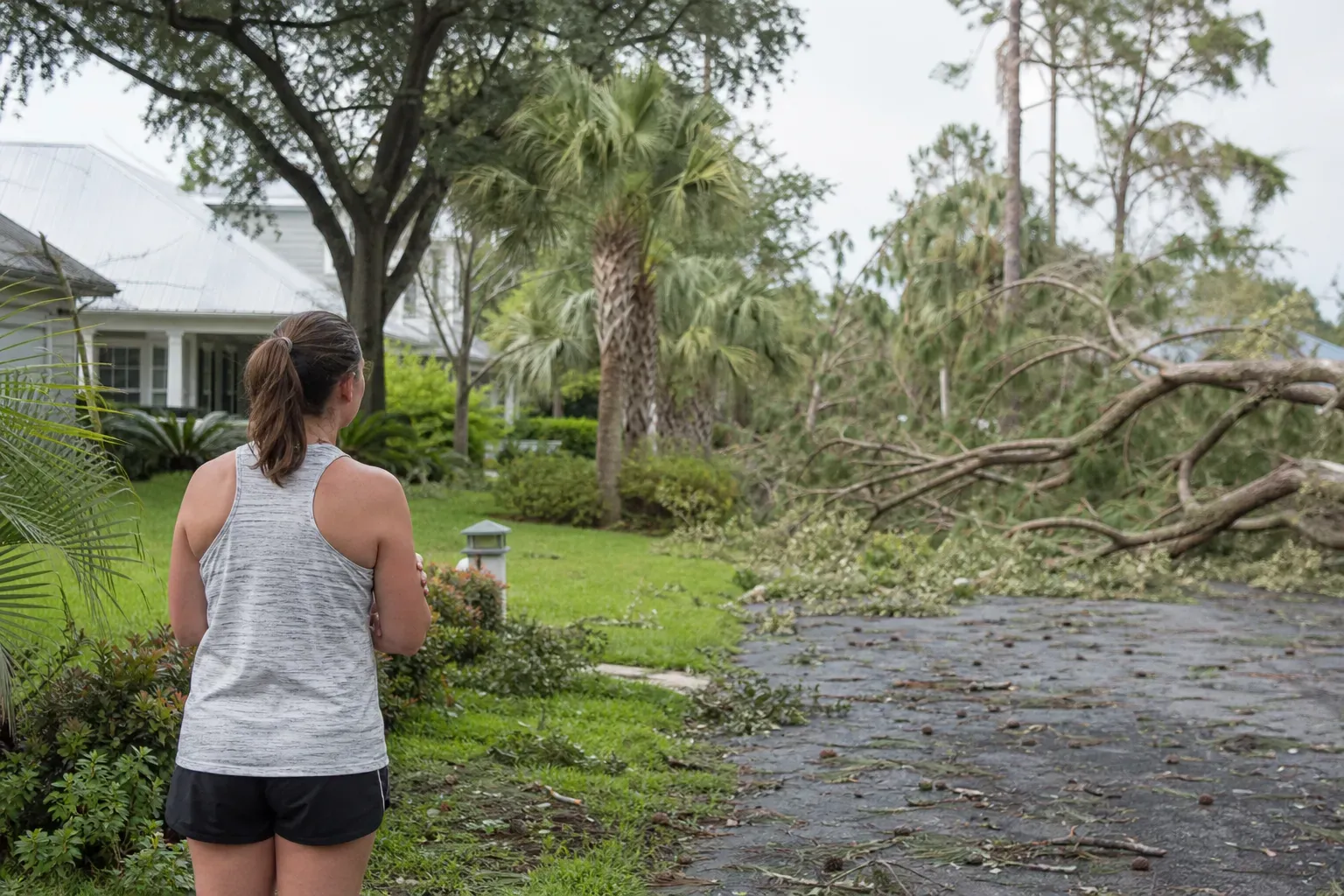
Before you arrange work on a roadside tree, confirm who controls it. For Hurricane Isaias Right-Of-Way Trees In Pensacola, the key question is public versus private authority. Pensacola says trees on city land and city rights of way are city trees. Residents need permits to prune or remove them. Report concerns first rather than assuming a tree beside your yard is yours to cut.
This guide covers that first decision and the next steps. It is general education, not a site assessment or permit ruling. Urgent hazards belong with emergency services or the utility involved. Work approval belongs with the public agency that controls the site.
Storm context, October 9, 2026: The supplied National Hurricane Center advisory identifies Isaias as a current named system. Forecasts and warnings can change. Follow the latest official advisory and local orders, not this article, for storm decisions.
Who controls Hurricane Isaias Right-Of-Way Trees In Pensacola?
Start with the land and road authority, not the canopy. The Pensacola tree permit overview and Pensacola root recovery guide offer related tree-care background. They do not decide insurance, contract, or permit questions for your property.
Ask the city to identify any public right of way at the tree and its boundaries. A tree near your lawn may stand within that space. Its branches may also reach across several property boundaries.
The City of Pensacola’s arborist page gives a clear local rule. Trees on city-owned land and city rights of way are city trees. A resident who wants to prune or remove one needs a permit.
Not every roadside tree is a city tree. First check that the site is in city limits. Then ask who owns or controls the road and land. A Pensacola mailing address does not prove either point.
A fence does not prove where the property line is. A mowed strip, curb, or sidewalk can help show the site. None proves who owns the land or who may approve work.
Give the reviewing agency facts it can use:
- State the nearest street address and cross street. Explain which side of the road holds the tree.
- Describe where the trunk stands. Note nearby curbs, sidewalks, fences, and utility poles.
- Explain what appears damaged from a safe location. Avoid walking under the tree to check it.
- Say whether the concern affects a road or walkway. Mention any wires, blocked access, or visible property damage.
Ask the agency to confirm jurisdiction before you commission work. If it cannot handle the site, request the correct referral. Keep that reply with your other records.
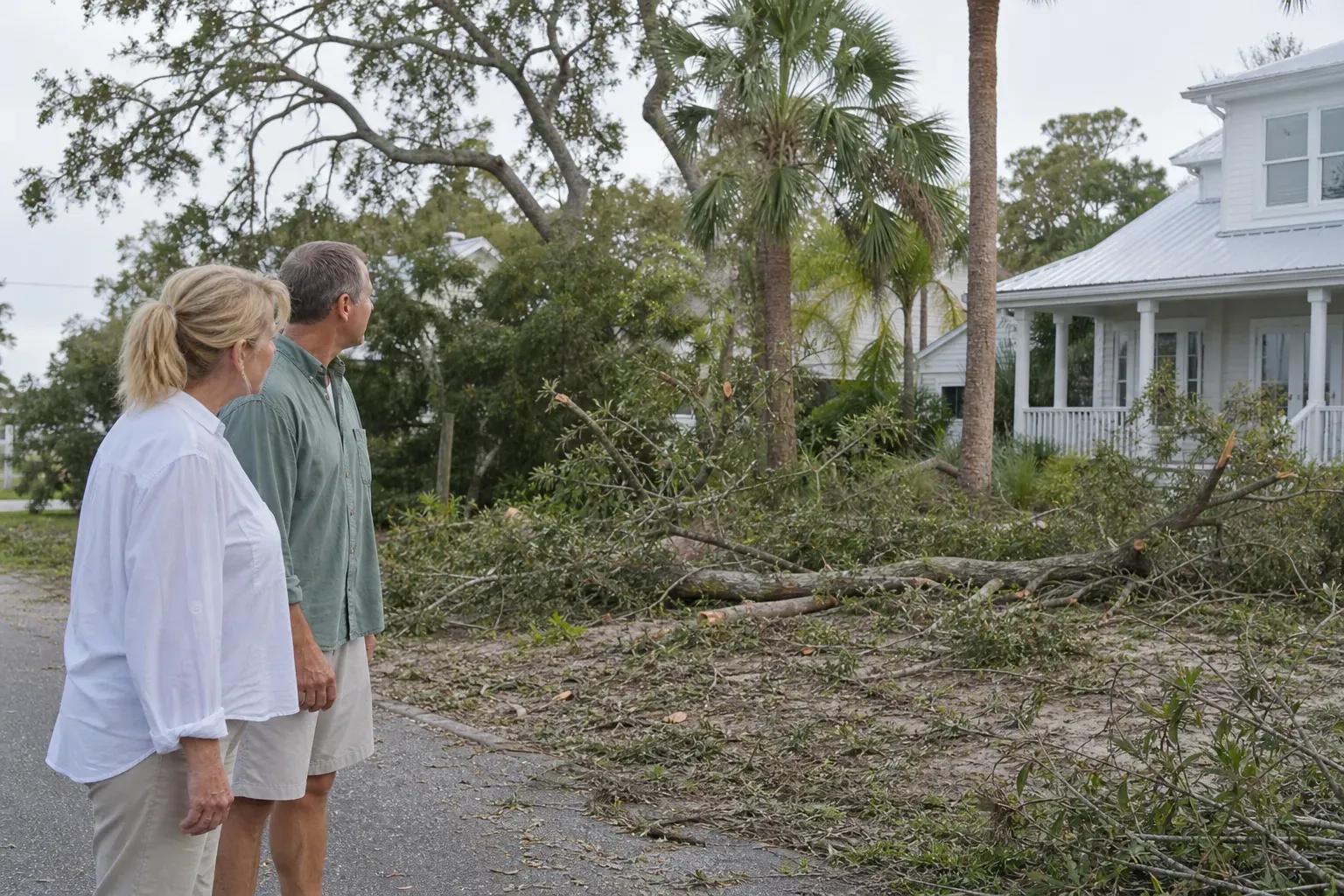
Where should you report a damaged public tree?
Report the location and the hazard through the right public channel. The Pensacola tree risk questions guide and Pensacola root recovery guide offer related tree-care background. They do not decide insurance, contract, or permit questions for your property.
Pensacola identifies Parks and Recreation as the department for city-tree concerns. That includes pruning requests, dead-tree removal, and hazardous limbs. Its City Arborist page directs residents to submit a Pensacola 311 request under Tree Limbs/Tree Trim. Use that request system to report these concerns.
A tree that blocks a street sign needs a different report. The same applies when branches obscure a traffic signal. Pensacola directs those visibility issues to Public Works under Streets Other through the same request system.
A routine request is not a way to get urgent help. If a life is at risk, call emergency services. If you see wires, stay clear and call the utility. Do not try to check if a wire is live.
Use this sequence when conditions allow safe reporting:
- Keep people away from the apparent hazard. Do not enter the fall zone to get a better photo.
- Record the location from a safe place. Include the street, nearest address, and a clear landmark.
- Describe the problem in plain terms. For example, report a hanging limb or a blocked sidewalk without trying to rate the tree’s risk.
- Send the report to the proper channel. Use the city-tree route for city sites, or seek a referral if authority is unclear.
- Keep the request number and any reply. Ask how to send added facts if the condition changes.
Report visible facts, not a tree assessment. “A split limb hangs over the sidewalk” is more useful than “the tree is dying.” It tells staff what may be affected without claiming expert knowledge.
Follow local access limits while waiting for direction. The Escambia evacuation and shelter guidance stresses following local officials’ advice and orders. A tree inspection is not a reason to ignore them.
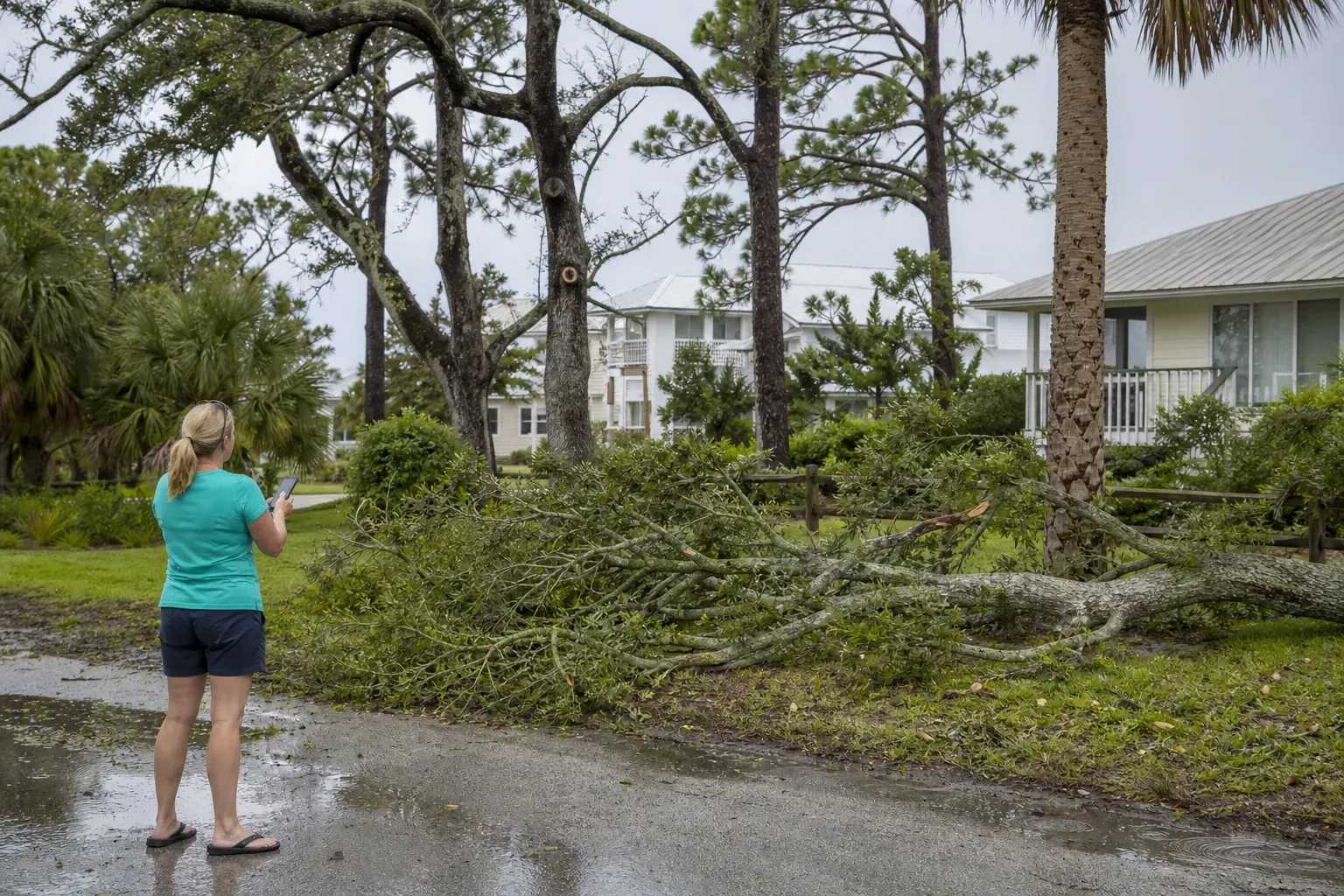
Can you hire someone to prune or remove the tree?
Do not treat storm damage as automatic permission to cut. The Pensacola tree risk questions guide and Pensacola root recovery guide offer related tree-care background. They do not decide insurance, contract, or permit questions for your property.
Pensacola states that pruning or removal in public rights of way needs a permit. That is distinct from hiring a contractor. A work quote does not itself establish approval or ownership.
Ask if the city will do the tree work. If you may hire someone, ask what permits or other approval you need. Have the city state what work is allowed before it starts.
Useful questions include:
- Ask who may authorize work at that exact site. Do not assume a nearby owner can approve it.
- Ask whether the city will inspect or manage the tree. A report and a private work permit serve different purposes.
- Ask what documents are needed for proposed work. Describe whether the request is for pruning or removal.
- Ask whether storm conditions have changed the process. Request the current guidance rather than assuming an exception.
- Ask how approved work and debris handling must be coordinated. Do not assume the tree permit includes collection service.
Private trees need a separate review. Pensacola’s arborist page says heritage trees require permits. It also says protected-tree permit requirements depend on land use. The city generally does not prune or remove trees on private property. Its stated exception is when limbs extend into public rights of way and the city determines they need pruning.
A tree on private land may affect public space. Its limbs may hang over a sidewalk. Report the concern. Ask the city who owns the tree and who can approve work. Where the damage lands does not settle those questions.
Nearby communities have their own review routes. The Pensacola tree risk questions guide and Pensacola root recovery guide offer related tree-care background. They do not decide insurance, contract, or permit questions for your property.
What should you document before cleanup or an insurance claim?
Keep clear records, but never enter a hazard for evidence. The Pensacola tree risk questions guide and Pensacola root recovery guide offer related tree-care background. They do not decide insurance, contract, or permit questions for your property.
Photos can show where the tree is and what it damaged. Take them only from a safe spot. If you can, show the tree, the damaged property, and nearby landmarks. Do not climb, move wires, or stand under broken limbs.
Keep your report and claim records together:
- Save dated photos that show the visible damage. Add brief notes about where each image was taken.
- Keep public-agency request numbers and written replies. These show what you reported and what direction you received.
- Save estimates, work descriptions, invoices, and receipts. Make sure the documents identify the actual work performed.
- Record damage to insured property separately from loose yard debris. Ask the insurer which records it needs.
The Florida Department of Financial Services homeowners insurance overview explains that many policies cover tree and debris removal when a fallen tree damages insured property. Limits usually apply. There is usually no debris-removal coverage when a tree falls without damaging covered property. Some policies address trees that block the main entrance.
These points do not tell you if your claim is covered. Your policy, deductible, and the facts of the loss matter. Who owns the tree does not settle the claim. Ask your insurer or agent to check your policy.
The same state overview advises taking photos before temporary repairs, if possible. It also advises keeping accurate repair records and receipts. Do not delay an urgent safety response just to collect more evidence.
Hurricane deductibles are another separate issue. The state’s hurricane deductible guidance explains that their application follows specific rules. Ask your insurer how those rules affect your claim. Neither a city-tree report nor a removal quote determines the deductible.
How should debris and the tree’s remaining health be handled?
Separate debris collection from approval to work on a standing tree. The Pensacola tree risk questions guide and Pensacola root recovery guide offer related tree-care background. They do not decide insurance, contract, or permit questions for your property.
Pensacola’s Sanitation Services page says the department collects garbage, recycling, and yard waste for city residents and businesses. Contact the department through its linked page for current pickup rules.
Do not assume normal yard-waste pickup covers each storm pile. Ask about large limbs, cut logs, and waste left by hired crews. Ask if special storm pickup rules apply. The service page does not give a pickup date for your site.
Before debris is moved, confirm these points:
- Ask where approved debris may be placed for collection. Avoid assuming any roadside strip is an allowed staging area.
- Ask whether debris must be sorted by type. Keep tree material separate from hazardous items as directed.
- Ask who handles debris from permitted private work. Confirm the arrangement in the written work scope.
- Ask how to report debris that blocks safe access. Do not move a suspended limb or an unstable trunk yourself.
A tree damaged by a storm may not need to come down. But the leaves left on it do not show if it is safe. Who can approve work and what shape the tree is in are separate questions. Each needs its own review.
UF/IFAS restoration guidance describes a staged approach for suitable damaged trees. Early work focuses on dead and damaged parts. Later visits may guide new growth and improve structure. Large broken branches can need years of follow-up care. This is not proof that a particular roadside tree can be saved.
Palms also need careful review. UF/IFAS advises leaving bent green fronds attached unless they pose a hazard. Those fronds can still help the palm recover. Its hurricane-damaged palm guidance notes that replacing the full canopy takes at least a year, and usually longer.
Do not order a heavy cut simply to make a tree look tidy. For public trees, let the responsible agency set the scope. For private trees, seek a qualified arborist’s assessment and confirm any permit needs. The ISA tree-owner resources explain proper pruning, storm damage, and tree risk in more detail.
Frequently asked questions
Is a tree between the sidewalk and street always a city tree?
No. That location is a reason to check, not proof. Pensacola defines trees on city land and city rights of way as city trees. Ask the city to confirm the site’s status. Describe the trunk location, street address, and nearby landmarks.
Can I remove a right-of-way tree because Isaias damaged it?
Do not assume you can. Pensacola says public right-of-way pruning and removal require a permit. Report the damage and ask the city for current direction. Urgent threats should go to emergency services or the utility involved, rather than waiting on routine permit review.
Who handles a tree that blocks a traffic signal?
Pensacola directs street-sign and traffic-signal visibility concerns to Public Works. Use the Streets Other category through the city’s request system. General city-tree concerns go to Parks and Recreation under Tree Limbs/Tree Trim. Explain what is blocked and give the exact location.
Will insurance pay to remove a public tree that hit my home?
Only your insurer can determine coverage under your policy. State guidance says many policies cover removal when a downed tree damages insured property, regardless of tree ownership. Limits and deductibles may apply. Save safe photos and receipts, then ask the insurer about your specific loss.
Does Florida Foliage provide tree service in Pensacola?
No. Florida Foliage is based in Daytona Beach and serves Volusia and Flagler counties. This guide shares public sources; it does not offer service in Pensacola. For help at your site, contact the public agency in charge and a local tree care expert.
About the author and drafting: Tim Francis is Florida Foliage’s Tree Content Expert. AI helped draft this article from the linked public sources. It does not replace an on-site tree check, official storm advice, a work permit, or your insurer’s claim review.
Florida Foliage is a Daytona Beach tree service that works with an ISA Certified Arborist consultant.
For tree work in Volusia or Flagler County, call (386) 481-7913 to request a free on-site estimate.
Call (386) 481-7913 to talk through next steps.