Reviewed by Clinton Funk
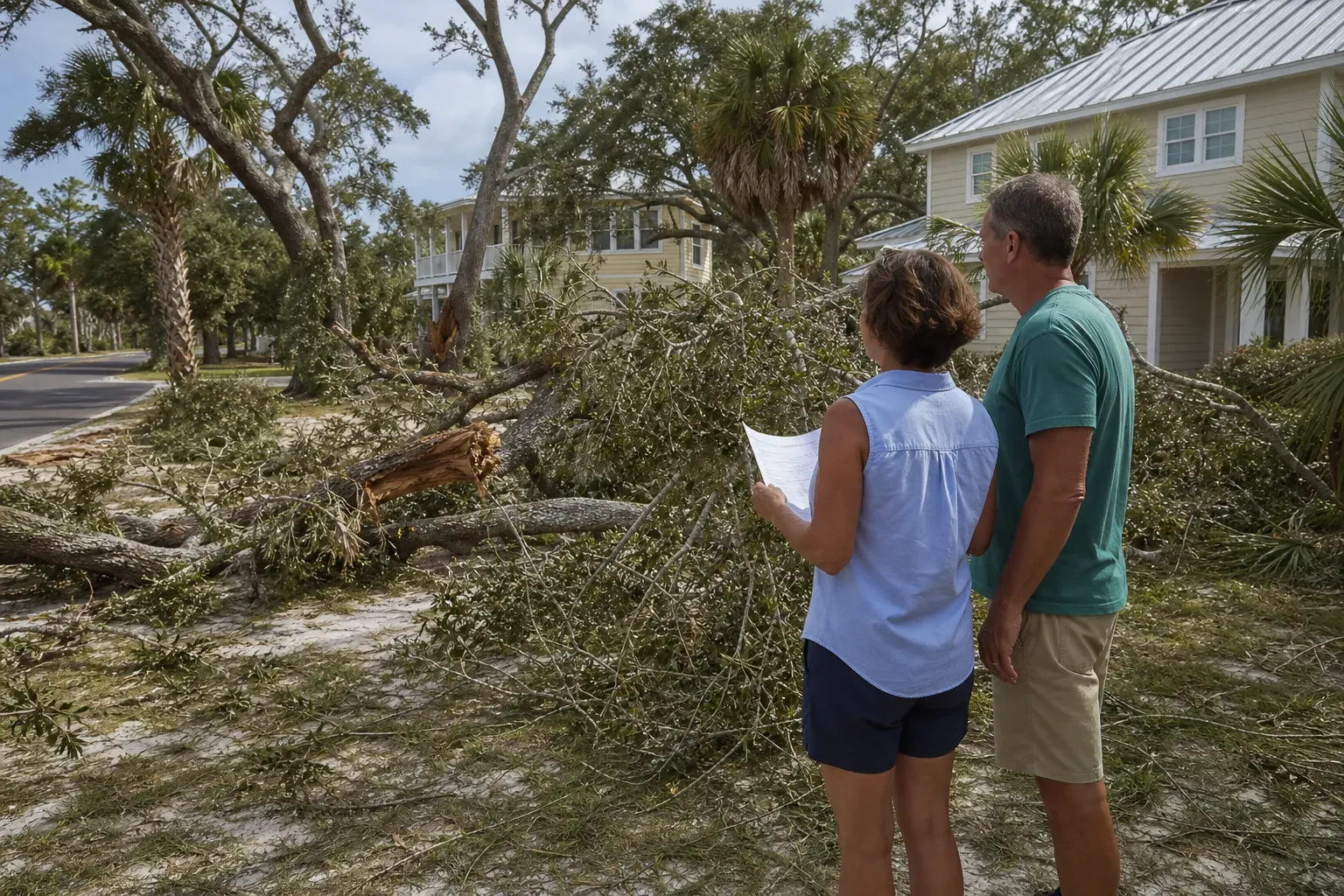
A tree crew access agreement should state who may enter, which route they may use, and when permission ends. Hurricane Isaias Tree Crew Access Agreements In Destin should also name the site contact, protect no-entry areas, and set rules for changes. Permission to enter should not be treated as permission for extra tree work.
This guide covers access terms, not local service availability. It offers general contract review help for Destin property owners. Project-specific safety, permit, legal, and insurance questions belong with qualified professionals or public officials.
The supplied October 9 National Hurricane Center advisory describes Isaias as a named system. Forecasts and warnings can change. Follow the latest official guidance before planning site access. A signed agreement never overrides evacuation orders or safe entry limits.
What should Hurricane Isaias Tree Crew Access Agreements In Destin include?
Start with a clear route, entry window, and approval contact. Read the tree risk guide for Pensacola owners and Pensacola root recovery guide for related tree-care background. They do not decide claim, contract, or permit questions for your site.
An access agreement may be part of the quote. It may also be a separate signed page. Either way, it should point to the same job address and work scope. A site sketch can help show details that words miss.
Avoid a vague phrase such as “full property access.” It leaves too much open to dispute. A route beside the house differs from access across the lawn. Permission to open a gate differs from permission to remove it.
Look for these points in the written terms:
- The agreement names the owner or other person who can grant access.
- It identifies the contractor and the job address.
- It shows the approved entry route and work area.
- It states the allowed dates, hours, and notice method.
- It lists areas where people, trucks, or equipment may not go.
- It names the person who may approve a route change.
- It explains how access ends and how the site is secured.
Keep access and work scope distinct. Entry permission alone should not authorize more removals, pruning, or hauling. Ask for that boundary in plain language.
For rental or shared property, confirm who has authority. A tenant may hold a gate key but lack power to approve tree work. Refer unclear authority questions to the property manager or legal adviser before signing.
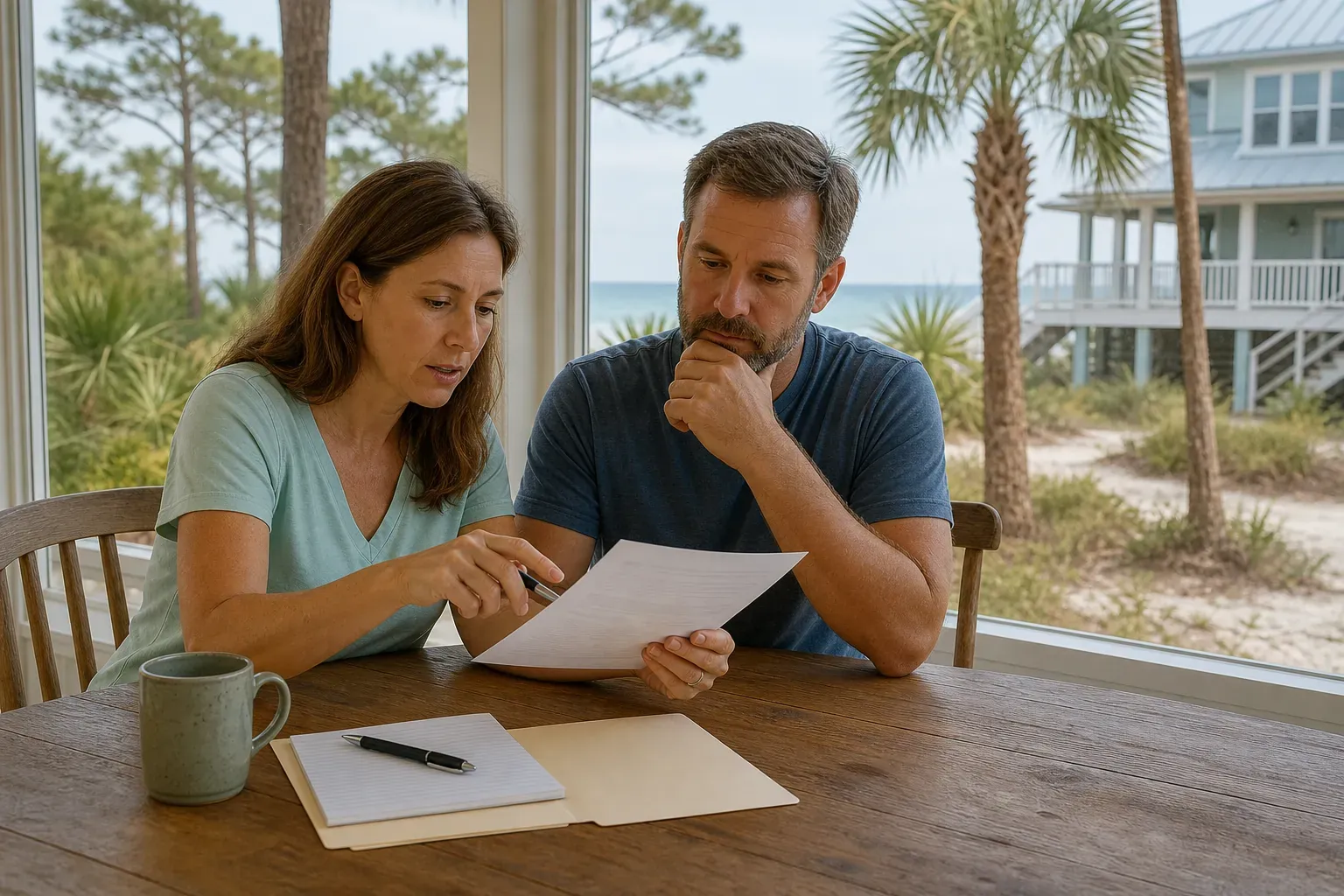
How should entry windows, gate access, and contacts work?
Use a defined entry window, with a clear way to confirm arrival. Read the tree risk guide for Pensacola owners and Pensacola root recovery guide for related tree-care background. They do not decide claim, contract, or permit questions for your site.
An entry window is permission to enter during stated hours. It is not a promise that work will start or finish then. Weather, site conditions, and public restrictions may affect the plan. Ask how the contractor will report a delay or seek a new window.
The contact section should name a primary person and a backup. State what each person may approve. One person may handle gate access. Another may need to approve added costs or a changed work scope.
A useful agreement answers simple day-of-work questions. Who confirms that the gate is open? Who moves parked cars? Who keeps pets away from the work area? What happens if no contact answers?
- The crew should use the stated contact method before entry.
- Gate codes should be shared only with people who need them.
- Keys and access devices should have a return plan.
- State whether the crew may enter while the owner is away.
- The contractor should request a new window if the approved one expires.
Avoid placing a gate code on a document sent widely. Ask how access details will be stored and shared. Once access ends, follow the property's process for changing temporary codes.
Shared gates need extra care. Confirm any association or manager rules before promising entry. Do not assume your agreement permits trucks to wait on shared roads or block another unit's drive.
If conditions become unsafe, access should pause. Ask who will notify the owner and secure the gate. No contract term should pressure anyone to enter during an official restriction.
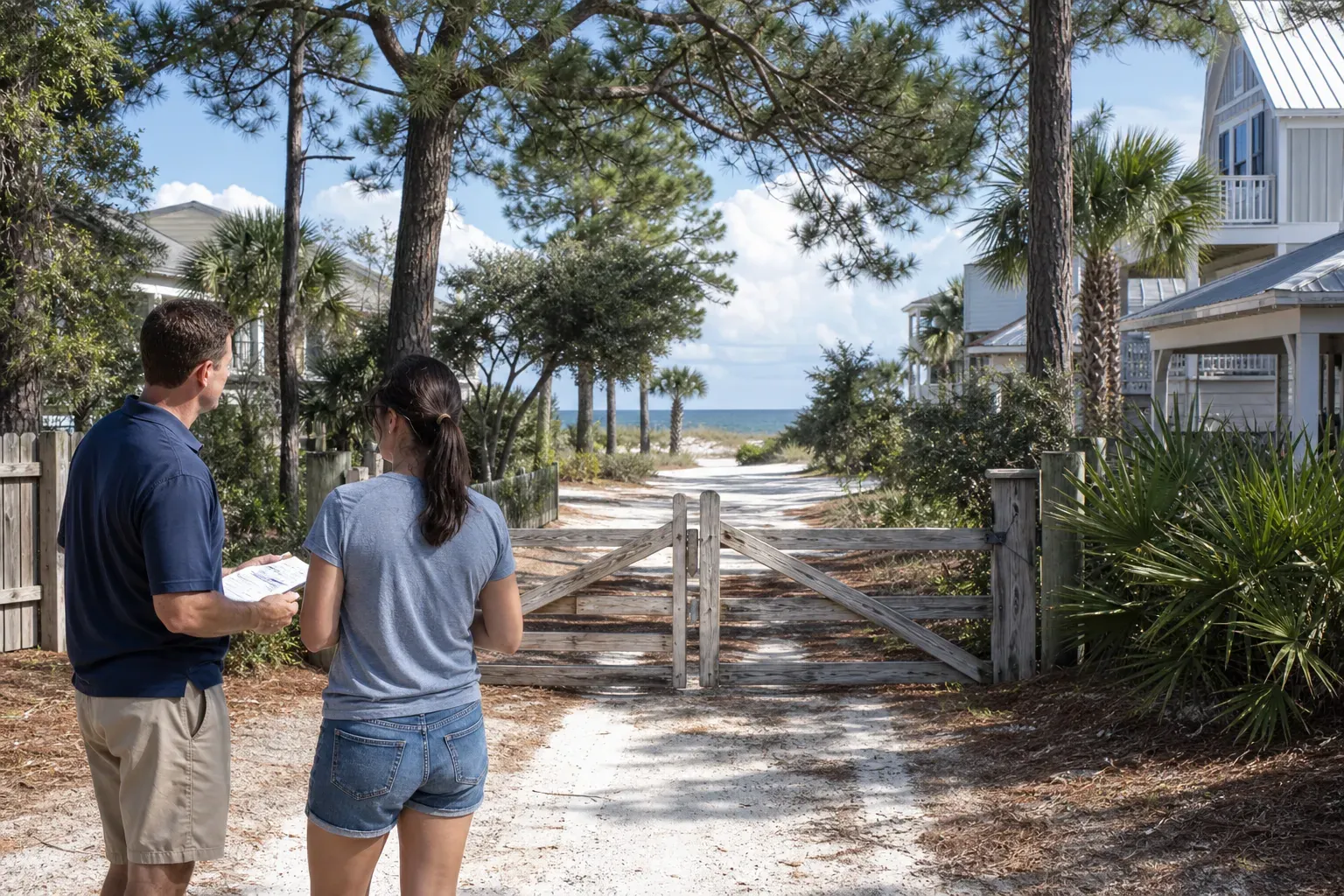
How can the agreement protect lawns, drives, and shared areas?
Name the approved route and record its condition before work. Read the tree risk guide for Pensacola owners and Pensacola root recovery guide for related tree-care background. They do not decide claim, contract, or permit questions for your site.
Ask the contractor which trucks or machines they expect to use. Then discuss the planned route with them. Do not guess whether a drive, bridge, lawn, or buried feature can support that equipment. Those questions may need input from a qualified professional.
Mark known features on a simple sketch. Include irrigation lines, drains, septic areas, and buried utilities where known. This record shares useful information. It does not replace required utility checks or prove a route is safe.
Take photos from safe ground before entry. Show the drive, gate, curb, lawn, and nearby structures. Include existing cracks, ruts, or broken fence parts. Date the photos and share them with the contractor.
The agreement should address these details:
- It identifies where trucks may park or turn.
- It defines any approved lawn crossing.
- It states which route protection measures are included.
- It lists pools, gardens, play areas, and other no-entry zones.
- It explains how new damage will be reported and reviewed.
Ask who handles gate panels or fence sections if removal is needed. State whether putting them back is included. If a different trade must do the repair, clarify who arranges it.
Do not grant access across a neighbor's land on their behalf. Get separate permission from the person with authority over that property. Route convenience does not establish a right to use it.
For shared drives, confirm how residents will retain access. Refer public road, sidewalk, and right-of-way questions to the relevant Destin or county authority. Rules from another city do not establish what applies at your address.
What limits should cover hazards, tree decisions, and debris staging?
The agreement should set access boundaries without dictating unsafe work methods. Read the tree risk guide for Pensacola owners and Pensacola root recovery guide for related tree-care background. They do not decide claim, contract, or permit questions for your site.
Keep people away from damaged trees, hanging limbs, and downed wires. Do not walk into a hazard area to take contract photos. Contact the utility for wire hazards. Use emergency services for an immediate threat to life.
The contractor should assess work-area hazards before entry. If the agreed route crosses a dangerous area, ask for a revised plan. The owner should not choose rigging points, cutting methods, or equipment placement from a checklist.
Tree care choices also need separate review. UF/IFAS storm restoration guidance stresses removing dead or damaged parts while limiting loss of live tissue. Some damaged trees need follow-up pruning over years. An access form should not silently turn a limited cleanup into broad removal.
Palms deserve particular care. UF/IFAS palm recovery guidance recommends retaining broken green leaves because they can help recovery. Appearance alone is not a sound basis for stripping a palm. Ask a qualified arborist to assess the tree and explain the proposed scope.
Debris staging should have its own boundaries:
- The agreement identifies the pile location on the site sketch.
- It states whether debris will be hauled away or left on site.
- It keeps entrances, drains, and agreed travel routes clear.
- It identifies who confirms public collection rules.
- It states who moves debris if the first location is rejected.
Do not assume curbside collection includes contractor-generated debris. Confirm current rules with the authority serving the address. Nor should a private agreement grant use of a sidewalk or public right-of-way.
The ISA tree owner resources provide background on pruning, tree risk, and hiring an arborist. They support informed questions, not a remote safety finding for your property.
How should you review and approve access changes?
Review access terms before signing, then require a clear record of changes. Read the tree risk guide for Pensacola owners and Pensacola root recovery guide for related tree-care background. They do not decide claim, contract, or permit questions for your site.
A route change can affect cost, property risk, or permission. It may also affect neighbors or shared areas. Do not treat it as a small detail just because the tree work stays the same.
Use this review sequence:
- Match the documents. Check quote, address, and scope; resolve conflicts before signing.
- Check authority. Get approval from whoever controls each area along the route.
- Record the route. Attach sketch, safe dated photos, parking, staging, and no-entry zones.
- Set contacts and windows. Name entry and change contacts; explain window renewal.
- Define the change process. Require access details, costs, and timing before approval.
- Set closeout terms. Address gates, keys, debris, and route protection after work.
Ask what happens if the crew finds an unplanned obstacle. A locked gate, soft ground, or blocked drive may require a pause. The terms should explain who is contacted and what approvals are needed.
Keep texts, emails, revised sketches, and signed changes together. Make sure the person approving a change has that authority. A message from someone who merely opens the gate may not resolve scope or payment questions.
For clauses about liability, damage waivers, or rights of entry, seek legal review. This checklist cannot establish whether a contract term is enforceable.
What records should you keep for closeout and insurance questions?
Keep a record of entry, changes, and the final site condition. Read the tree risk guide for Pensacola owners and Pensacola root recovery guide for related tree-care background. They do not decide claim, contract, or permit questions for your site.
Closeout is more than seeing that the branches are gone. Confirm that keys were returned and gates secured. Check whether temporary route protection was removed. Compare the finished site with the agreed scope and pre-work photos.
Raise concerns in writing, with clear photos where safe. Describe the location and issue without guessing its cause. Ask how the contractor will review it under the agreement.
Keep these records in one place:
- The signed quote and access agreement show the original terms.
- Approved changes show what was revised and by whom.
- Before-and-after photos record visible site conditions.
- Invoices and receipts show the work and amounts charged.
- Messages record entry notices, delays, and reported concerns.
Insurance coverage is a separate question. The Florida CFO homeowners insurance overview explains that debris and tree removal coverage depends on the policy and loss. It notes that coverage often relates to damage to insured property, with limits and exceptions.
Do not assume a signed access agreement makes a charge covered. Ask your insurer about documentation, limits, and claim requirements. For hurricane deductible questions, consult the Florida CFO deductible guidance and your own policy. This article does not predict payment or interpret your coverage.
Document damage before temporary repairs when safe. Keep related receipts. Never delay urgent safety action just to obtain a photograph.
Frequently asked questions
For broader context, read the Isaias: Comparing Tree Work Quotes In Pensacola. It does not decide claim, contract, permit, or safety questions for your site.
Does access permission authorize extra tree removal?
No. Permission to enter should not count as approval for extra tree work. The work scope should name the approved tasks. Ask how added removal or pruning will receive written approval. Check that the quote and access terms agree before you sign either document.
Can a crew enter while I am away?
That depends on the agreed terms and property rules. State whether the crew may enter while you are away. Name a contact and backup who can answer calls. Set the entry hours and gate rules. Explain who secures the site when the crew leaves.
Can I approve access through my neighbor's yard?
You cannot grant permission on your neighbor's behalf. The person with authority over that land must approve entry. Get separate permission before adding the yard to the crew's route. Seek legal advice if the boundary, ownership, or right of access is unclear.
Does storm damage remove the need to check permits?
Do not assume storm damage waives permit rules. Ask the authority serving the job address what rules apply and whether an exception covers the work. Guidance from Pensacola, Santa Rosa, or Escambia does not establish Destin's rules. Permission to enter is not permit approval.
Will insurance pay for lawn damage or access work?
Only your insurer can assess the claim under your policy. Coverage, exclusions, limits, and deductibles may affect the answer. Keep the contract, photos, approvals, and receipts. Ask what records the insurer needs before relying on reimbursement.
Editorial disclosure: This article was drafted with AI assistance using the supplied public sources. Tim Francis is identified as Tree Content Expert, not as a credentialed tree practitioner. The article provides general education, not site-specific safety, legal, or insurance advice.
Florida Foliage is a Daytona Beach tree service that works with an ISA Certified Arborist consultant.
For tree work in Volusia or Flagler County, call (386) 481-7913 to request a free on-site estimate.
For tree work in Volusia or Flagler County, call (386) 481-7913 to request a free on-site estimate.