Reviewed by Clinton Funk
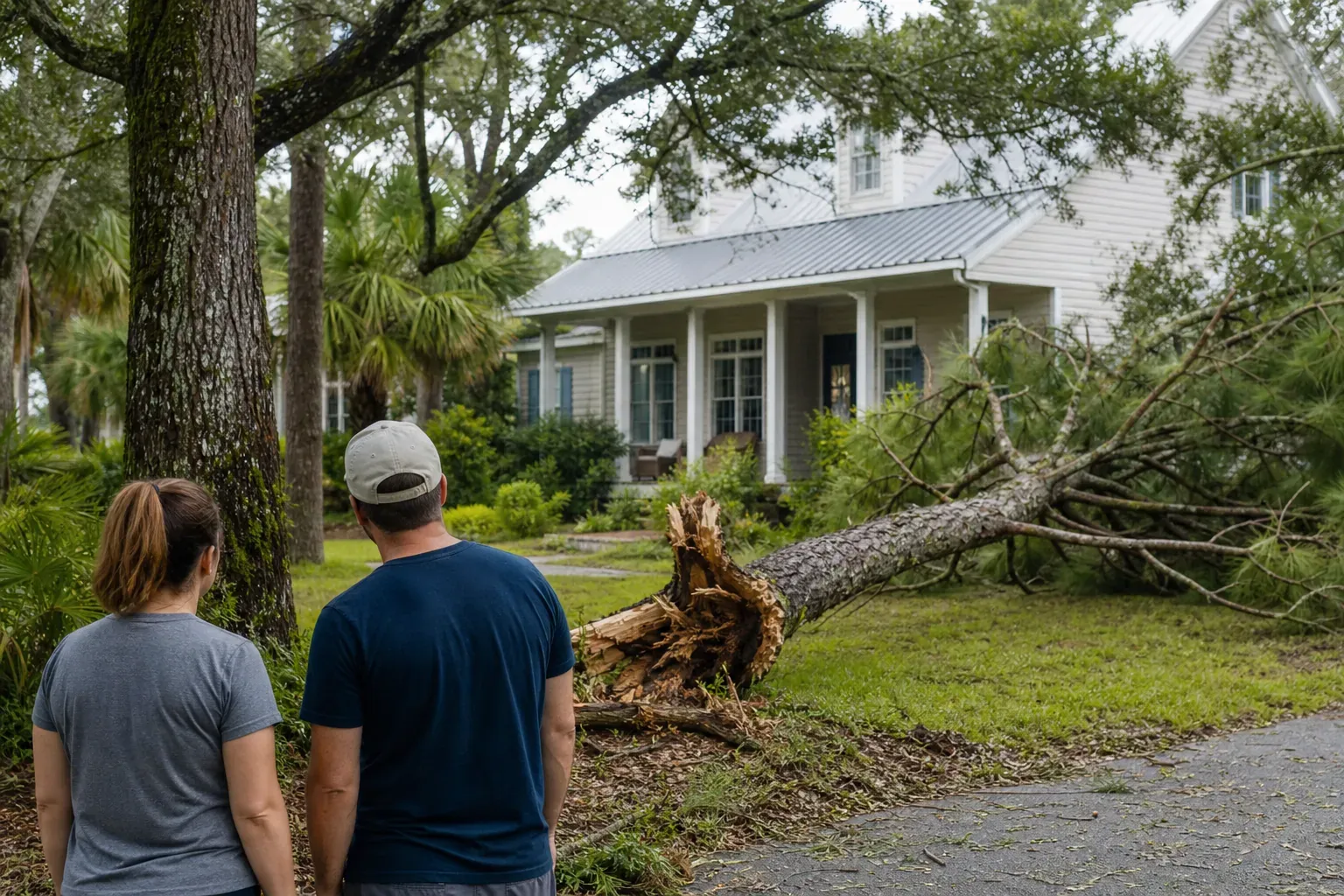
Ask the firm what it means by each allowance in its quote. When reviewing Hurricane Isaias Tree Quote Allowances In Fort Walton Beach, ask what each budget covers, how it will be checked, and who must approve a higher cost. A low starting total may still leave large costs open.
This guide focuses on equipment, disposal, and site access. It is general planning help, not a local service offer. Florida Foliage is based in Daytona Beach and serves Volusia and Flagler counties, not Fort Walton Beach or the Panhandle.
Storm plans must follow current public guidance. The October 9 National Hurricane Center advisory identifies Isaias as a named system. Forecasts can change. Check the latest official advice before any site visit or work.
What should Hurricane Isaias Tree Quote Allowances In Fort Walton Beach explain?
Each allowance should state its scope, basis, and price limit. The comparing tree work quotes in Pensacola and Pensacola root recovery guide offer related tree-care background. They do not decide insurance, contract, or permit questions for your property.
Do not assume all firms use “allowance” the same way. One may mean a sum included in the total. Another may mean a rough cost added later. Ask for a written definition before comparing prices.
A useful allowance answers four basic questions. What work does it cover? What amount is included? What could change that amount? How will the final cost be shown?
Ask the firm to explain each allowance and exclusion, including the work and charges it includes. A quote can have both, which makes a low total hard to read.
A fixed price also needs a clear scope. It may cover one tree but not its stump. It may cover cutting but not hauling. The label alone does not tell you what you are buying.
For each open cost, ask for these details:
- The quote should name the tree, task, or work area covered.
- The firm should state whether the allowance is inside the quoted total.
- The amount should have a clear basis, such as hours, loads, or a stated equipment need.
- The terms should explain how unused funds are treated.
- The terms should state what happens if actual costs exceed the allowance.
- The firm should explain which records support the final charge.
Also ask whether fees or markups apply to the allowance. A budget for outside equipment may not include every related charge. These are contract questions, not claims that any one fee is standard.
Do not accept “as needed” as the whole explanation. It can describe a need without setting a cost boundary. Ask what event would make the extra work needed.
The goal is not to remove every unknown. Some sites cannot be assessed safely at first. The goal is to make each unknown visible before approval.
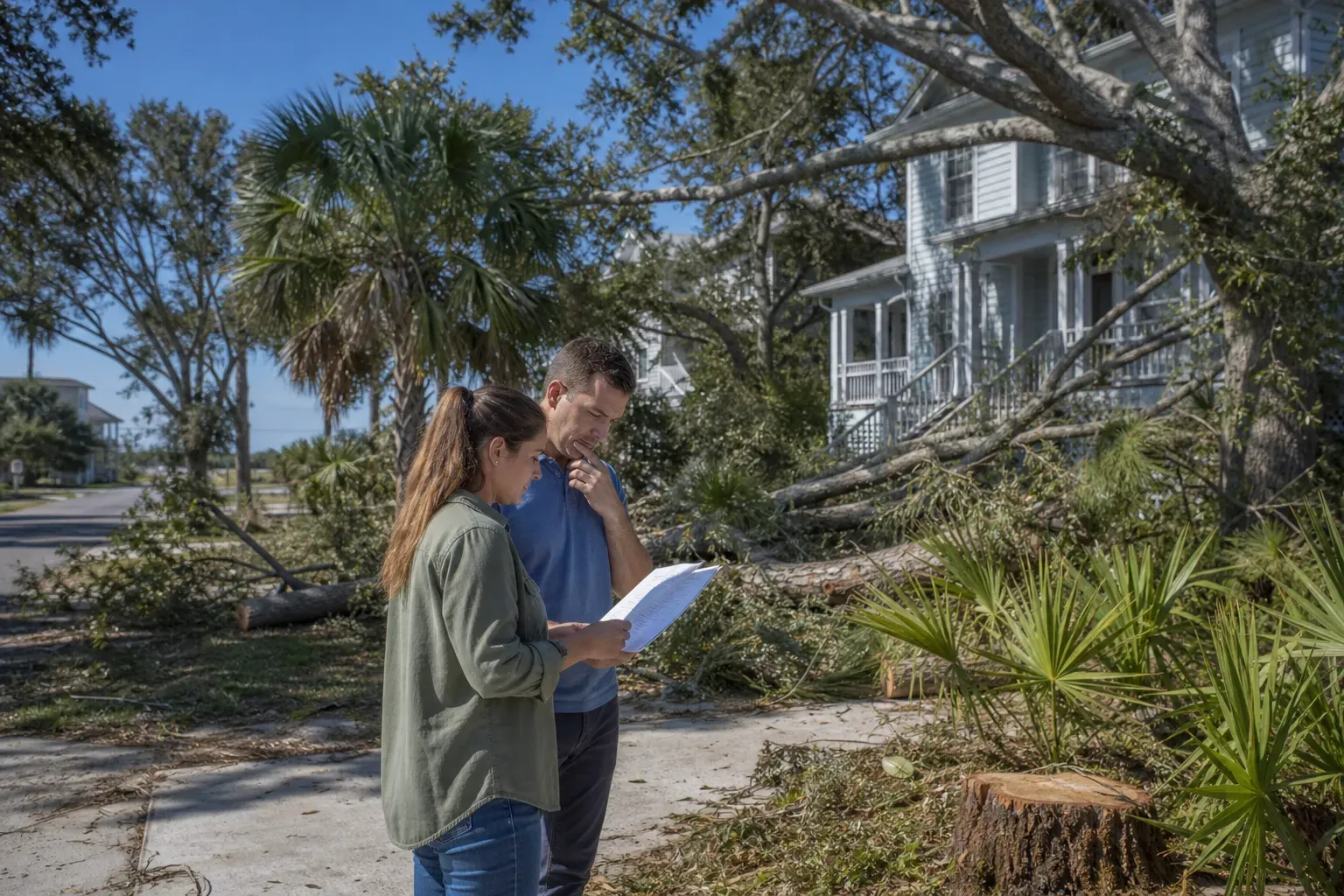
How can you check an uncertain equipment allowance?
Ask what equipment the estimate assumes and what may change that choice. The Pensacola tree risk questions guide and Pensacola root recovery guide offer related tree-care background. They do not decide insurance, contract, or permit questions for your property.
Equipment choice is a site-specific professional decision. Do not try to choose a crane or work method yourself. Instead, ask the firm to explain the cost assumptions in plain terms.
For example, does the allowance cover a full equipment visit? Or does it cover only a set number of hours? Does that time start on arrival, during setup, or when tree work starts? Those terms can lead to different final totals.
Ask whether delivery, setup, operators, and removal are included. If an outside firm supplies equipment, ask how its bill will be reflected in yours. Do not assume a quoted hourly rate covers the whole visit.
The reason for an allowance should be specific. “Access has not yet been assessed” is more useful than “possible equipment.” It tells you which fact is missing and what must be checked next.
Useful questions include:
- The firm should explain which equipment is included in its base price.
- The allowance should identify the extra equipment it may cover.
- The quote should state any minimum billed time or rental period.
- The terms should explain how delays affect the equipment charge.
- The firm should identify who approves a change before extra costs build.
A budget is not a promise that equipment can be booked. Ask whether the estimate relies on a confirmed booking or a planning assumption. Do not treat price terms as a start-date guarantee.
Do not enter an unsafe yard to help refine the estimate. Keep clear of hanging limbs, damaged trees, and downed wires. Report urgent hazards to the appropriate emergency service or utility. Contact the utility about tree work near power lines and follow its instructions.
The ISA tree owner resources include guidance on tree risk and storm damage. Use them to frame questions, not to decide from a distance that a tree is safe.
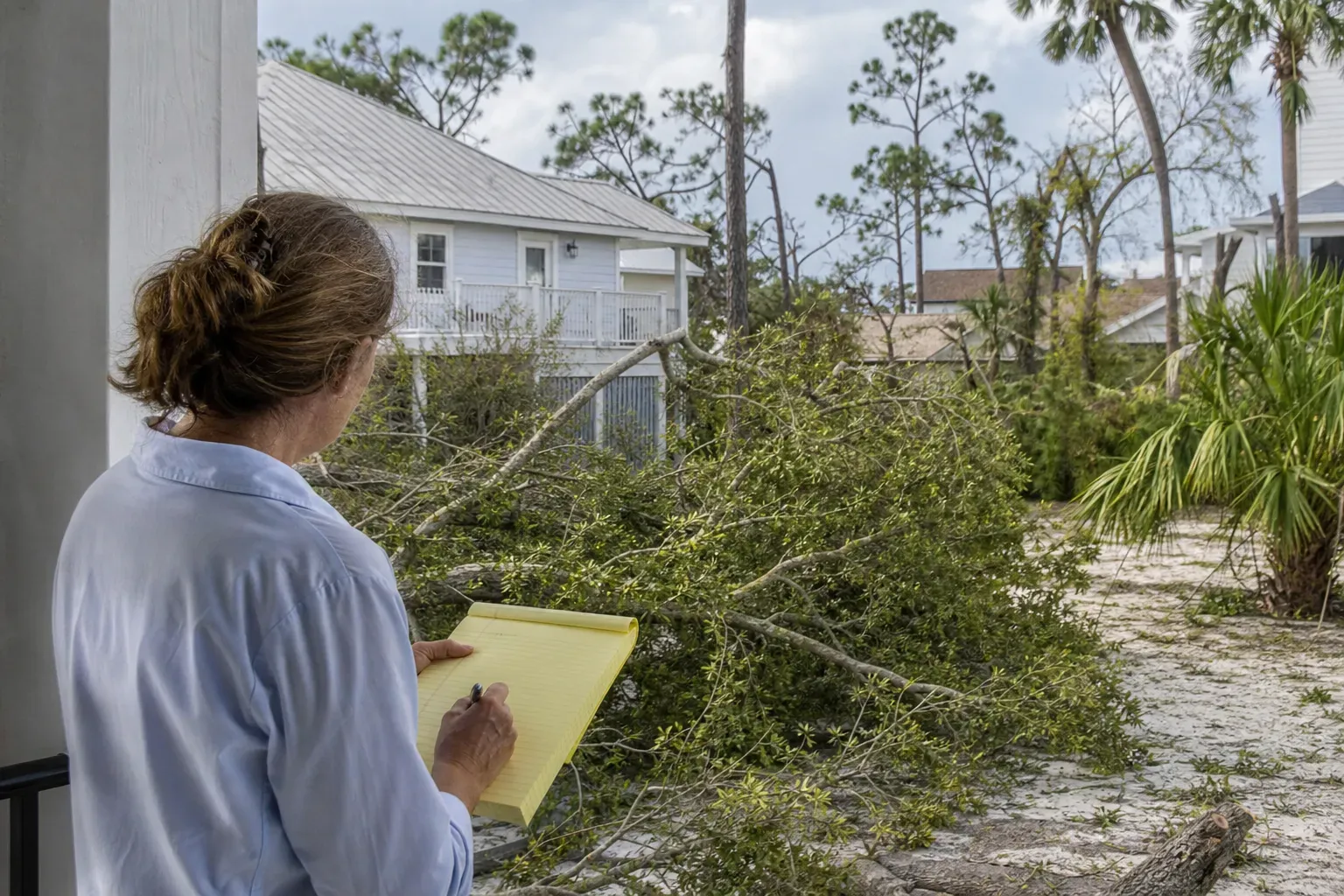
What should a debris disposal allowance include?
A disposal allowance should define what leaves the site and how charges are counted. The Pensacola tree risk questions guide and Pensacola root recovery guide offer related tree-care background. They do not decide insurance, contract, or permit questions for your property.
“Cleanup included” can leave key details unclear. It may mean clearing the work area, stacking wood, or hauling all tree debris. Ask for the intended result, not solely the label.
Separate cutting, loading, hauling, and disposal in the scope. Also ask about stump material and loose small debris. These may need different work or may be excluded entirely.
An allowance based on loads needs a load definition. Ask what vehicle or container is assumed. If charges depend on weight, ask what record shows that weight. A number without a unit is hard to compare.
You can ask for supporting haul or disposal records. The contract should state which records will be supplied. Do not assume every firm uses the same billing method.
Clarify these points before approval:
- The scope should state whether logs, branches, and chipped material will be removed.
- The quote should describe any wood or chips left on site.
- The allowance should state its assumed load count, weight, or other unit.
- The terms should identify any separate disposal charges.
- The firm should explain what happens if debris volume exceeds the estimate.
- The scope should define the final cleanup standard in plain words.
Do not assume public pickup will cover contractor-created debris. Ask the authority serving the property about current rules. Confirm where material may be placed and what collection will accept. Storm notices can change normal pickup plans.
Nearby city rules are not Fort Walton Beach rules. For instance, Pensacola Sanitation Services describes services for its own residents and businesses. That page does not establish pickup rights for a Fort Walton Beach property.
Also ask who is responsible if a disposal plan changes. If a planned facility cannot accept a load, the quote should explain how added costs will be proposed. Do not leave that issue until trucks are loaded.
How should access and property protection be priced?
An access allowance should name the barrier and the work needed to address it. The Pensacola tree risk questions guide and Pensacola root recovery guide offer related tree-care background. They do not decide insurance, contract, or permit questions for your property.
Access can affect both the work method and the price. A narrow gate, blocked route, or soft ground may need closer review. The contractor should assess those conditions without asking you to take unsafe measurements.
Ask which route the quote assumes. Then ask who may approve a different route. The plan should distinguish your property from public space or a neighbor's land.
Do not assume a quote grants permission to use another property. Any needed consent or public approval should be checked with the proper owner or authority. A contractor's price is not a permit.
Ask whether temporary protection is included. If ground mats or other protective measures are proposed, have their cost and scope stated. Also ask what damage or repair remains outside the price.
These terms deserve separate answers:
- The quote should state whether removing and replacing a gate is included.
- The scope should identify any fence work that needs another contractor.
- The allowance should define temporary access work rather than saying only “site prep.”
- The terms should distinguish work-area cleanup from lawn or surface restoration.
- The firm should identify unresolved access approvals before work begins.
Permit rules need property-specific checks. The Pensacola City Arborist page describes rules for certain protected trees and public spaces in Pensacola. Those rules should not be applied to Fort Walton Beach.
Contact the authority with jurisdiction over the actual address. Ask about tree work, public rights of way, and any proposed access changes. Do not infer that storm damage removes all approval requirements.
The tree's condition may also change the scope. UF/IFAS restoration guidance describes staged care for some storm-damaged trees. It does not support treating every damaged tree as a removal job.
For palms, UF/IFAS hurricane guidance recommends leaving broken green leaves attached in many cases. Ask a qualified professional to assess care needs. Do not request broad live-frond removal just to make cleanup look complete.
How do you compare allowances and approve later costs?
Compare the same tasks, units, and approval terms across bids. The Pensacola tree risk questions guide and Pensacola root recovery guide offer related tree-care background. They do not decide insurance, contract, or permit questions for your property.
Start with the base scope, not the bottom-line number. Two totals are not comparable if one includes hauling and the other does not. The same is true when one bid includes equipment setup and another leaves it open.
Use this review process:
- List the base work included in each quote. Match the trees, tasks, and cleanup result.
- Mark every allowance and exclusion. Note whether each allowance is included in the total.
- Write down the units and assumptions. Compare hours with hours and defined loads with defined loads.
- Ask for unresolved site checks. Keep unsafe areas off limits until qualified people can assess them.
- Request written approval terms for overruns. State who can approve a change and how it is recorded.
- Confirm the final billing records. Ask how actual costs and unused balances will be shown.
Ask for a clear allowance reconciliation. This is a final comparison between the budget and actual cost. The contract should explain whether a lower actual cost reduces the bill. It should also explain how a higher cost is handled.
A price ceiling can help, but its meaning must be clear. Ask whether it limits one allowance or the whole job. Ask whether the firm must stop and seek approval at that point. Do not assume those protections exist without written terms.
Keep approved changes with the original quote. A useful change record identifies the new task, its cost, and its effect on timing. It also names the person who approved it.
Insurance is a separate issue from quote approval. The Florida CFO homeowners insurance overview notes that debris and tree removal coverage varies. Damage to insured property, policy limits, and other terms may matter.
Do not assume an allowance will be reimbursed. Ask your insurer about your policy and records needed. Photograph damage only from a safe place. Keep estimates, approved changes, invoices, and receipts.
The Florida hurricane deductible guide explains that hurricane deductibles have specific rules. Your insurer or agent should address how they apply to your claim. A tree contractor's quote cannot settle that question.
Frequently asked questions
Is an allowance a fixed price?
Not necessarily. It may be a budget within the quote that changes once actual costs are known. Ask for the firm's written definition. Confirm whether the amount is included, capped, or subject to adjustment. Ask how unused funds will affect your final bill.
Can I ask for a cap on equipment costs?
Yes, you can request a proposed cap. The firm may need a site review first. Ask which charges the cap covers and what happens when it is reached. Ask the firm to state any agreed cap and its terms in writing. Seek legal advice about enforceability if disputed.
What if the disposal allowance is too low?
Follow the written approval process in the contract. Ask for the added quantity, unit rate, and reason before approving more work. Check whether the original terms already permit adjustments. Keep each approved change with your quote. Do not assume either side's rights without reviewing the agreement.
Should I approve a quote before access is checked?
Ask which access facts remain unknown and how they affect price. A preliminary estimate may be useful for planning. It should not be mistaken for a confirmed total. Site checks must wait when conditions are unsafe or public restrictions apply.
Will insurance pay every allowance on the quote?
No quote can establish that. Coverage depends on the policy and the facts of the loss. Ask your insurer which costs and records it will review. Keep estimates, invoices, and receipts for that review. Keep the contractor's pricing decision separate from any coverage decision.
Editorial disclosure
By Tim Francis, Tree Content Expert. This article was drafted with AI assistance. It provides general education, not an individual tree assessment, legal advice, or an insurance coverage decision.
Florida Foliage is a Daytona Beach tree service that works with an ISA Certified Arborist consultant.
For properties in Volusia or Flagler County, call (386) 481-7913 to ask about an estimate. Florida Foliage does not serve Fort Walton Beach.
Call (386) 481-7913 to talk through next steps.