Reviewed by Clinton Funk
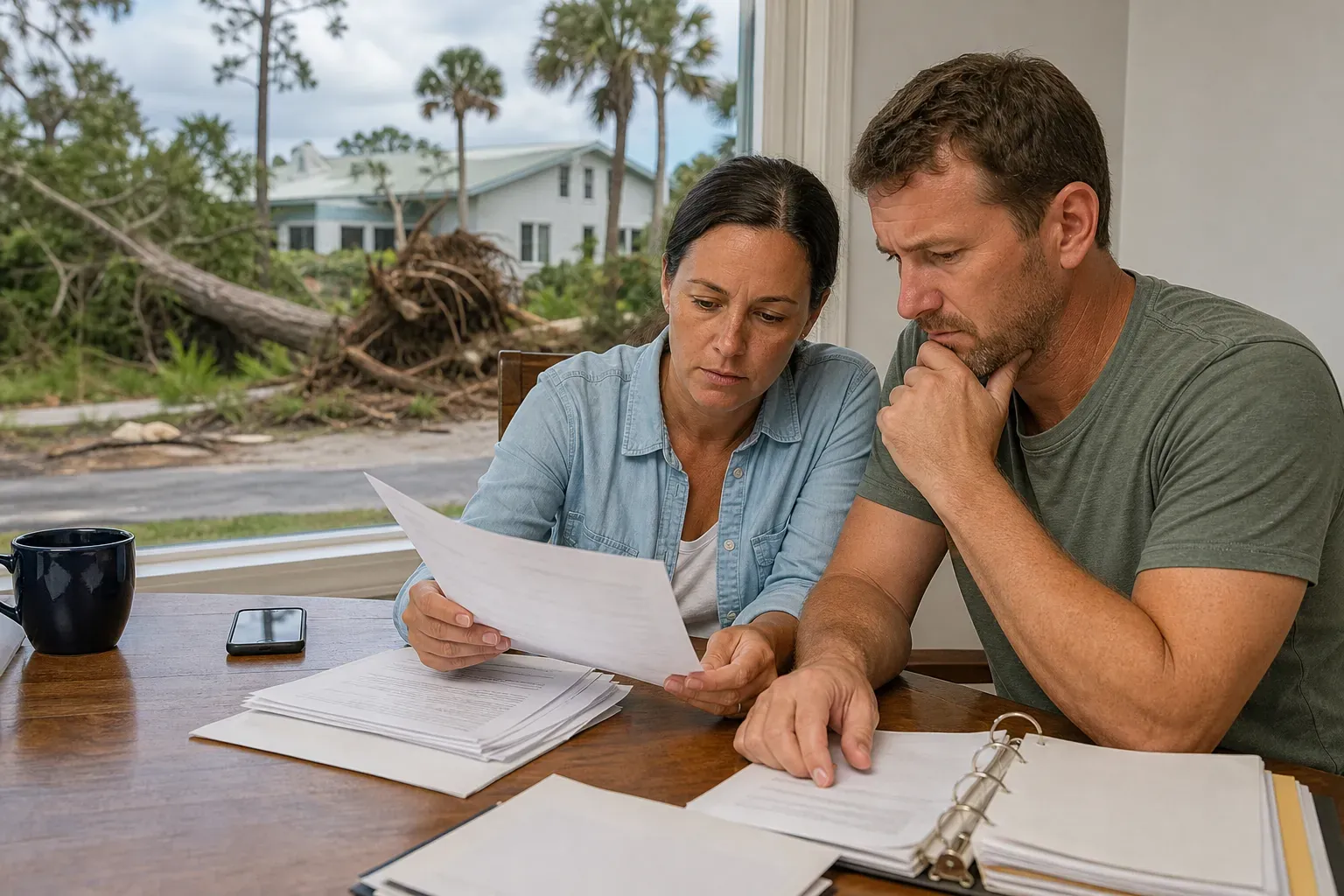
For Hurricane Isaias Tree Work Insurance Documents In Escambia, start with three sets of records: contractor insurance documents, a written work scope, and your own claim file. Ask the issuing insurer or its authorized agent what the contractor’s certificate shows. Ask your homeowners insurer separately about your loss. Do not treat either answer as a promise of payment.
This guide covers document review, not local contractor recommendations. Florida Foliage is based in Daytona Beach and serves Volusia and Flagler counties. This article does not offer service in Escambia County.
As of the October 9 advisory supplied for this article, Isaias is a named system. Forecast details can change. Check the latest National Hurricane Center advisory and local National Weather Service updates before making plans. Follow public safety orders before inspecting damage or meeting a contractor.
Which Hurricane Isaias Tree Work Insurance Documents In Escambia should you request?
Start with the records needed for comparing tree work quotes in Pensacola , then check how tree quote exclusions in Gulf Breeze can leave gaps in a work scope. Read the tree risk guide for Pensacola owners and Pensacola root recovery guide for related tree-care background. They do not decide claim, contract, or permit questions for your site.
Keep contractor insurance separate from your property claim. The first concerns the business doing the work. The second concerns your policy and the storm loss. A contractor’s certificate does not answer whether your homeowners policy pays for a fallen tree.
Ask for a current certificate of insurance and a written quote. Ask who issued it. Get that office’s phone number or email. Check those details through a source you trust before you share private records.
Use this request list to build a clear file:
- Ask for the business’s full name on the quote, contract, invoice, and insurance record.
- Ask the contractor to explain any name mismatch before you sign.
- Ask which firm will supply the crew and equipment.
- Ask whether other firms will take part in the work.
- Ask the issuing insurer or authorized agent which documents can confirm the insurance details relevant to your project.
- Ask for a written scope that names each tree and task.
- Ask for written exclusions, payment terms, and a process for changes.
Do not rely only on a logo or a photo of a certificate. A clean-looking page may still leave key questions unanswered. An old date, unclear business name, or missing issuer contact should prompt more questions, not a guess.
Your quote may name one business, while the certificate names another. Ask if both names refer to the same insured firm. Get the answer in writing. Let the insurer or its agent explain the record. The sales contact should not speak for the insurer.
This checklist is general education. It cannot confirm a contractor’s coverage, license status, or fitness for a specific job.
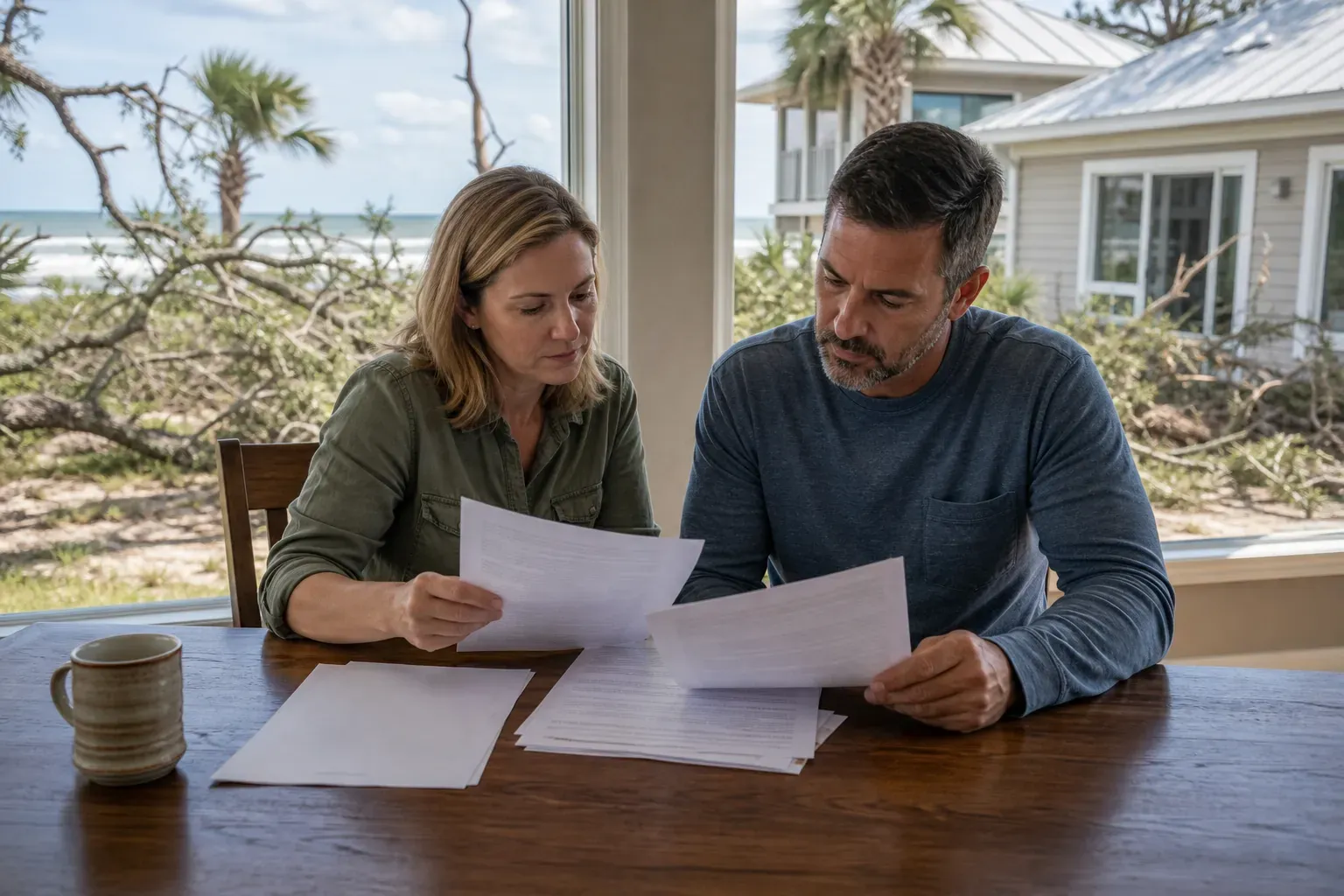
What should you ask the insurer that issued the certificate?
Use comparing tree work quotes in Pensacola to keep each bid on the same basis. Read the tree risk guide for Pensacola owners and Pensacola root recovery guide for related tree-care background. They do not decide claim, contract, or permit questions for your site.
A certificate is a starting point for questions. Do not read a listed dollar limit as a guarantee for your job. Ask the issuer what the record confirms and what needs a separate review.
Describe the work in plain terms. Say whether the proposal includes tree removal, pruning, hauling, or stump work. Note any planned crane use or work near a building. Do not add tasks that are not in the quote.
Ask these questions and save the replies:
- “Does this certificate name the business on my contract?”
- “What dates does this record show, and how can I confirm its current status?”
- “Does the project description raise any coverage questions you need to review?”
- “Are there exclusions or limits I should ask about for these tasks?”
- “What should I request if another firm supplies workers or equipment?”
- “What records should I request about coverage for workers on this job?”
- “Can you explain what this certificate does not establish?”
The issuer may not be able to share some policy details with you. Ask what it can confirm. If a key point is still unclear, ask your own insurance adviser or a qualified lawyer for help before you sign.
Keep notes from the call. Write down the date, office, name, and answer. If the answer helps you decide, ask for it in writing. Save the reply with the certificate so you can find both in one place.
Avoid broad conclusions. “A certificate was supplied” is a fact you can record. “Every risk is covered” is not a safe conclusion to draw from that fact.
If the scope later changes, revisit the questions. A quote for hauling loose debris may become a proposal to remove a standing tree. Ask whether the added work calls for more review. Do not assume the first answer applies to every later task.
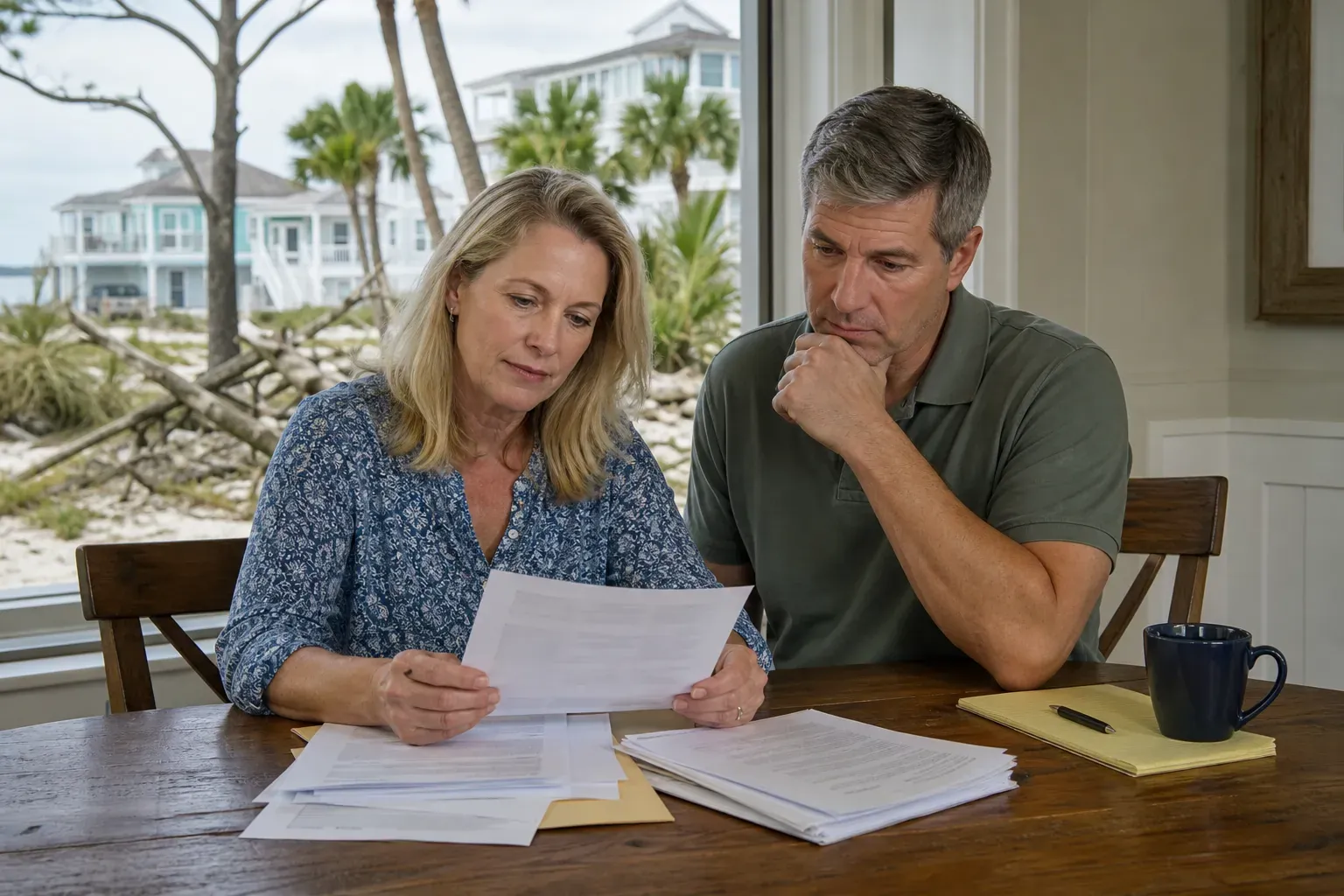
How should you build your homeowners claim file?
Keep the claim file separate from tree cleanup payment terms in Milton and your review of tree quote exclusions in Gulf Breeze . Read the tree risk guide for Pensacola owners and Pensacola root recovery guide for related tree-care background. They do not decide claim, contract, or permit questions for your site.
The Florida Department of Financial Services homeowners guide says most policies cover tree and debris removal when a downed tree damages insured property, subject to limits. It also notes that removal may not be covered when a tree falls without damaging covered property. Some policies address blocked access. Your own contract controls.
Use this sequence to keep the file useful:
- Put safety first. Follow local orders and stay out of unsafe areas. Do not enter floodwater or approach fallen wires to take photos.
- Record damage from a safe place. Take wide views and closer views only where access is safe. Note the date and the affected area.
- Contact your insurer. Ask how to report the loss, submit records, and document any temporary measures.
- Save the proposed work scope. Keep the quote, tree locations, exclusions, and any insurer instructions together.
- Track approved changes. Save each written change, its reason, its price, and who agreed to it.
- Keep final records. Retain invoices, receipts, proof of payment, and safe after-work photos.
The state guide recommends photos before temporary repairs, if possible. It also advises keeping records and receipts for those repairs. Ask your insurer how those duties apply to your situation. Never delay a life-safety response just to improve your claim file.
A simple folder system can help. Use separate folders for damage photos, contractor records, insurer messages, and payments. Name files by date and subject. For example, “October 10 backyard damage” is more useful than “photo 27.”
Keep a copy of each record you send. Note the claim number and the date you sent it. A receipt shows that you paid. It does not prove that your insurer will pay you back.
Ask your insurer which deductible applies. The Florida hurricane deductible guide explains that hurricane deductibles have specific rules and may differ by policy. Do not estimate your out-of-pocket cost from a contractor’s comment.
This article does not decide coverage or claim deadlines. Ask your insurer about current requirements. Seek qualified advice for a disputed claim or contract.
How do scope, permits, and debris records fit together?
Compare tree quote exclusions in Gulf Breeze with the process for tree work change orders in Navarre . Read the tree risk guide for Pensacola owners and Pensacola root recovery guide for related tree-care background. They do not decide claim, contract, or permit questions for your site.
List each tree by a plain location description. “Large tree beside the rear fence” is clearer than “storm tree.” Photos can help link the description to the quote. Ask whether the price includes cutting, loading, hauling, stump work, and cleanup.
List each task on its own line when you can. A damaged tree on a roof is one task. Loose yard branches are another. Removing an intact tree is a third. Ask your insurer how to list them. Do not call all work storm damage without a sound basis.
Check these scope details before work begins:
- The quote should state which trees or branches are included.
- The scope should say whether debris leaves the property.
- The contract should identify who handles permit questions.
- Any disposal fee or site access charge should be clear.
- Added tasks should have a written price and approval.
- The final invoice should describe the work actually done.
Confirm the correct local authority for your address. Pensacola city rules are not automatically the rules for all of Escambia County. The Pensacola City Arborist page says permits are required for work on city trees and public rights of way. It also describes rules for heritage and protected trees.
For property outside the city, ask the relevant county office which rules apply. Escambia County Development Review provides a public contact route for development questions. That page alone does not settle whether your tree work needs a permit. Describe the address, tree location, and planned task to the proper office.
Do not assume a storm removes all permit duties. Ask officials about current storm procedures and any applicable exceptions. Save their written instructions when available.
Debris collection also needs a separate check. Pensacola Sanitation Services provides city collection information. Confirm current rules for your address before relying on public pickup. Ask about contractor-generated debris, pile placement, and accepted materials.
A quote that leaves debris at the curb is not the same as one that includes hauling. Make that choice explicit in the contract.
What should you confirm before signing or paying?
Read tree cleanup payment terms in Milton alongside comparing tree work quotes in Pensacola . Read the tree risk guide for Pensacola owners and Pensacola root recovery guide for related tree-care background. They do not decide claim, contract, or permit questions for your site.
Keep insurance review and tree care judgment distinct. An insurance document does not show whether a damaged tree can be restored. The International Society of Arboriculture’s tree owner resources offer guidance on arborists, pruning, and storm-related damage. Ask a qualified arborist about the tree itself.
Storm pruning can involve long-term care. UF/IFAS restoration guidance explains that some damaged trees need repeated pruning visits over several years. Ask whether a proposal covers only initial cleanup or also later restoration. Do not assume one visit completes that plan.
Palms need a different review. UF/IFAS hurricane palm guidance recommends retaining broken leaves that remain green in many cases because they help recovery. That is a reason to ask about the pruning scope, not a reason to inspect or cut a damaged palm yourself.
Before signing, make sure the payment plan is understandable:
- Ask when each payment is due and what work triggers it.
- Ask whether hauling or disposal costs are included.
- Ask how added work will be priced and approved.
- Ask for an itemized final invoice and payment receipt.
- Ask your insurer how any direct-payment request affects your claim process.
- Seek qualified legal advice before signing terms you do not understand.
Do not agree to extra work based only on a spoken price. Write down the task and cost. Keep the first quote so you can see what changed.
Document review must not expose you to danger. Escambia County’s evacuation guidance directs residents to heed local officials. Stay clear of unstable trees and hanging limbs. For immediate danger, contact emergency services or the responsible utility, as appropriate.
Frequently asked questions
For broader context, read the Isaias: Comparing Tree Work Quotes In Pensacola. It does not decide claim, contract, permit, or safety questions for your site.
Is a certificate of insurance enough to approve a contractor?
No. Use it as a first step, not final proof. Ask the insurer or its agent which business the record names. Check the dates and ask about the planned work. Read the contract too. This record alone does not settle what insurance covers, work quality, or payment terms.
Does contractor insurance pay my tree removal bill?
Do not assume it does. The crew’s insurance and your home claim are two separate issues. Ask your own insurer whether your policy covers the loss and the planned tree removal. Save its reply in your claim file. Keep that file apart from the contractor’s insurance records.
What if the certificate and quote show different names?
Ask why the names differ, and get the answer in writing before you sign. Then ask the insurer or its agent whether the record names the business that will do the work. Similar names or shared logos are not proof. Do not rely on a spoken promise alone.
Should I wait for claim instructions before addressing danger?
No. Do not wait for claim instructions when a life is at risk. Follow local officials and the utility’s safety advice. Call your insurer as soon as it is safe. Ask how to record urgent steps you took. Keep those records, but do not enter an unsafe area to get them.
Which documents should I keep after the work ends?
Keep the contract, certificate, issuer replies, scope, approved changes, permit records, photos, invoices, and payment receipts. Save insurer messages and proof of submission too. Ask your insurer or adviser how long to retain the file.
About this article: Tim Francis is Florida Foliage’s Tree Content Expert, not a credentialed tree practitioner. This article was drafted with AI assistance. It offers general education, not individual insurance, legal, safety, or tree-health advice.
Florida Foliage is a Daytona Beach tree service that works with an ISA Certified Arborist consultant.
For tree work in Volusia or Flagler County, call (386) 481-7913 to request a free on-site estimate.
For tree work in Volusia or Flagler County, call (386) 481-7913 to request a free on-site estimate.