Reviewed by Clinton Funk
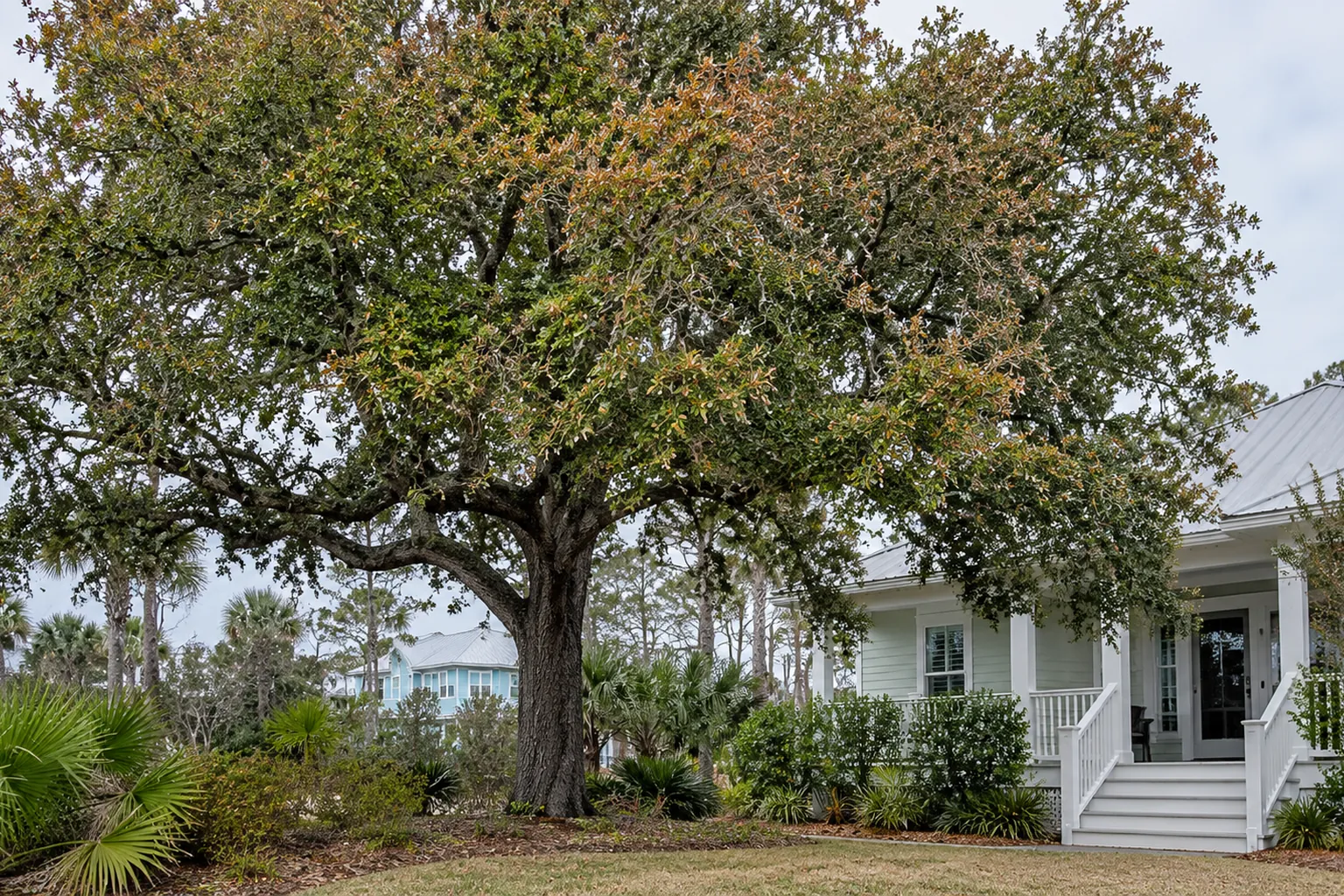
Keep a separate record for each plant when checking possible salt burn in Orange Beach and Gulf Shores. If surge water reaches your yard, note what you saw before choosing a treatment. Record leaf changes, possible water exposure and any broken parts. Ask for advice that fits each tree or palm.
At 7:00 p.m. CDT on October 8, 2026, the National Hurricane Center forecast possible surge heights of 5 to 7 feet above ground from Ocean Springs to Indian Pass if peak surge met high tide. That forecast for Hurricane Isaias did not establish flooding at any address. NHC Intermediate Advisory 9A.
Use this guide after the storm and safe return. Follow local officials' instructions before visiting the yard, as directed in the NWS Mobile statement.
What should you record before calling a problem salt burn?
Start with what you know about each plant and its surroundings. Use the regional hurricane cleanup guide to organize the wider task. The Pensacola tree risk guide can help you prepare questions about individual trees. Keep direct observations separate from guesses about the cause.
Salt exposure deserves attention if seawater reaches the landscape. UF/IFAS reports that surge can cause substantial salt damage and tree dieback. Its palm guidance also describes serious injury from saltwater flooding. Those findings support asking about exposure, without declaring every brown plant salt damaged. Tree guidance; palm guidance.
Make one short entry for each tree or palm:
- Location: Give it a clear name, such as the palm beside the gate.
- Earlier condition: Note known browning, sparse leaves or past work, with dates when available.
- Water exposure: State whether you saw water there or only heard about nearby flooding.
- Timing: Record when water was first seen and when it was no longer visible.
- Visible changes: Describe which leaves or branches look different from earlier photographs.
Leave unknown details blank. If you were away, write that the exposure time is unknown. A neighbor's account can be useful, but label it as their account. Do not turn a rough memory into an exact water depth or duration.
For a mixed yard, draw a simple map. Mark each plant and the places shown in your photographs. This lets the person assessing the yard match your notes to the right plant without relying on descriptions such as “the brown one.”
Why should palms and broadleaf trees have separate notes?
Keep palm questions apart from questions about trees with broad leaves. The Pensacola tree risk guide offers related tree-care background. Pair it with the Pensacola tree risk guide when preparing a visit. Ask which advice applies to each plant before agreeing to work across the yard. For related tree-care background, read the Pensacola tree risk guide and Pensacola root recovery guide.
- Palms produce new leaves from a bud near the trunk's top. UF/IFAS explains that the bud is not visible or accessible for inspection. Unless the trunk is broken or bud damage is obvious, the source says survival after wind damage cannot be predicted. UF/IFAS says recovery can take at least six months to become clear. This concerns wind damage, not a fixed deadline for salt injury. UF/IFAS palm guidance.
- For a palm, note whether new leaves appear at the top. Record their shape and color without reaching into the crown. UF/IFAS explains that early new leaves after wind damage may look shorter or less normal. Ask how to interpret that growth alongside any suspected salt exposure. UF/IFAS palm guidance.
For broadleaf trees, ask about new growth across the branches. UF/IFAS advises waiting until the following spring before judging death from failure to sprout after hurricane damage. That guidance does not postpone work on hazards or establish a salt treatment schedule. UF/IFAS tree guidance.
Keep pines in a separate category too. UF/IFAS notes that pines generally sprout little or not at all, with exceptions. Do not apply a broadleaf sprouting checklist to an unidentified pine. Ask for species identification before using foliage changes to make a retention decision. UF/IFAS tree guidance.
Make the requested visit specific: identify the plants, review their exposure and explain which signs should be tracked for each.
What should a soil and water assessment answer?
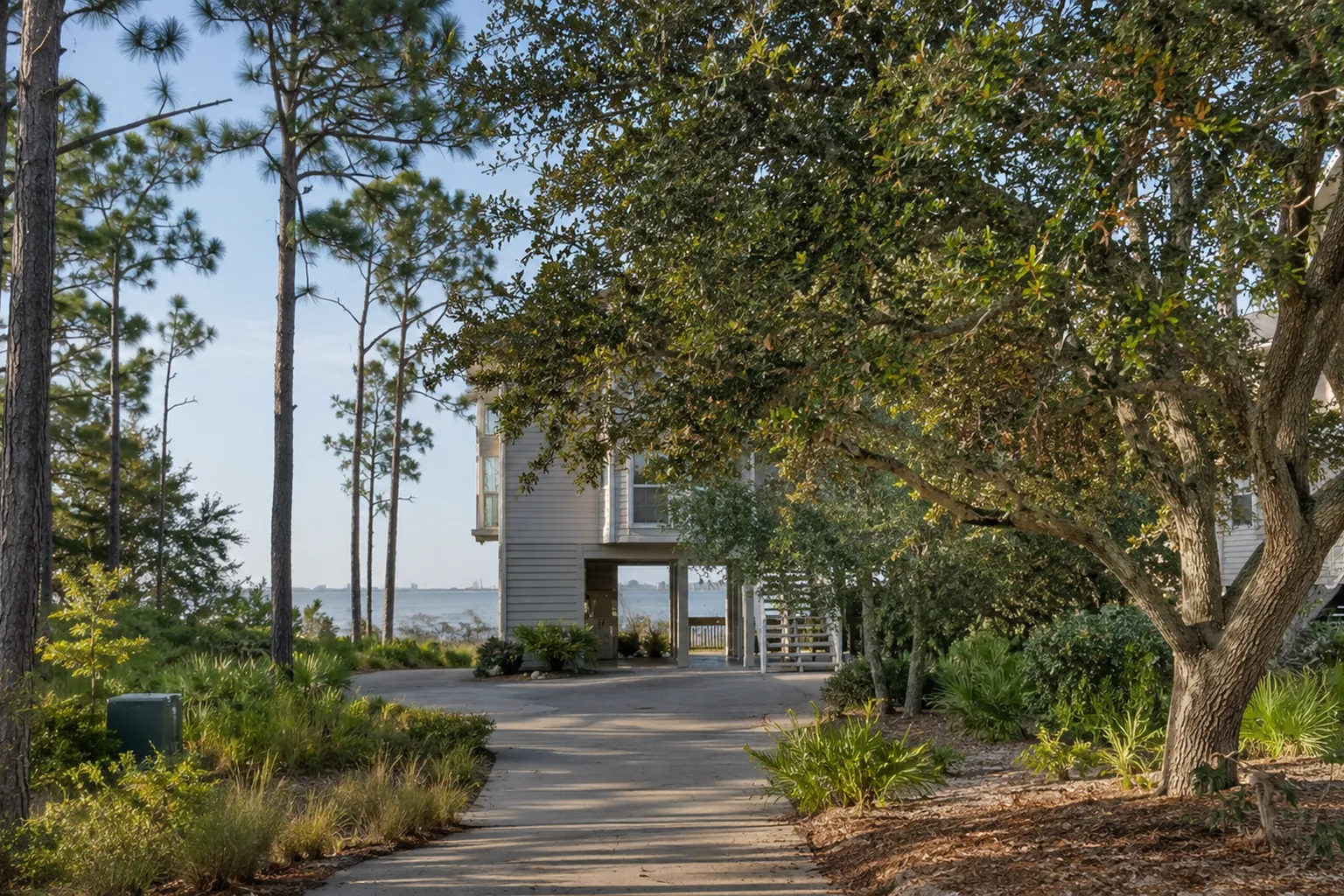
Request an assessment of the actual yard before adopting a watering plan. Connect the coastal cleanup guide with the Pensacola tree risk guide when planning access. Bring your exposure notes and ask which areas need closer review, rather than treating the whole property as one planting bed.
UF/IFAS lists drainage, salinity, soil depth and rooting space among the factors in site evaluation. It also notes that sandy soil can compact. A coastal address or sand at the surface therefore should not replace a review of the site. UF/IFAS site guidance.
Use these questions to define the requested work:
- Would soil salinity testing help answer the concern for these plants?
- Which areas should be sampled, and should they remain separate?
- Does the current water condition call for a drainage review?
- Should the irrigation water be assessed before a watering plan starts?
- What findings would change the proposed care or follow-up plan?
Ask for sampling directions before collecting soil or water. Label any requested samples by location and date. Keep the results with the plant map, so each result stays tied to the area it describes.
UF/IFAS says salt-exposed trees may need flushing with water. It also says irrigation is unnecessary when the root ball is saturated or wet from heavy rain. These are reasons to seek site-specific advice. They do not supply a flush volume for your yard. UF/IFAS irrigation guidance.
The palm publication discusses fresh water after salt flooding, particularly when rain does not follow. It gives no universal quantity for every site. Ask how that guidance fits your palms, soil and current water conditions before adding water. UF/IFAS salt guidance.
Which concerns should come before leaf-color questions?
Put any suspected hazard at the start of your request. The Pensacola tree risk guide offers related tree-care background. The Pensacola tree risk guide offers related tree-care background. Describe the location and visible concern first, then discuss your foliage notes once the immediate issue has been addressed. For related tree-care background, read the Pensacola tree risk guide and Pensacola root recovery guide.
If a limb falls near power lines, leave the situation to a qualified line-clearance arborist. UF/IFAS warns that electrical-line work can be fatal without proper safety measures. Do not approach the tree to get a closer photograph or clear a view. UF/IFAS safety guidance.
Large hanging limbs and leaning trees can also require professional attention before other cleanup. UF/IFAS places these risks first when they could strike people, homes or other targets. Give their location when requesting help, and leave inspection to the professional. UF/IFAS response guidance.
From an existing safe view, note any visible trunk crack or major wound. UF/IFAS identifies intact structure as a key part of deciding whether a tree can be restored. Major trunk damage is often beyond repair, even where foliage remains. UF/IFAS restoration guidance.
- Ask for two clear answers: does the tree need action for risk, and what care is proposed for possible salt exposure?
- Record each answer separately.
- If access is restricted, tell everyone arranging the visit.
- Do not make a better photograph a condition for requesting help.
How can you make a useful record of changes?
Use repeatable views and short notes instead of broad judgments. The regional recovery guide can help organize cleanup alongside monitoring. Keep the Pensacola tree risk guide handy for planned work. Agree on what to record during the assessment, so your later notes answer useful questions about each plant.
- Choose a repeatable view. Use an existing safe place with a fence corner or roofline in the frame. Do not seek a closer view beneath damaged limbs.
- Take an overall photograph. Include the whole visible plant first. Use zoom for details rather than changing your position to reach the foliage.
- Date the entry. Save the original file and write the observation date. Keep earlier yard photographs for comparison when you have them.
- Describe the change. Write “brown tips visible on three fronds” rather than “palm dying.” For trees, name the side or branch shown.
- Note work since the last entry. Record pruning, irrigation changes and other yard work. Include who recommended the work and when it took place.
- Follow the agreed review plan. Ask when to send photographs and which changes call for an earlier visit. Record the answers beside that plant's notes.
Keep photos in date order under each plant's name. Do not mix several palms into one set. If a view is blocked, say so rather than drawing a conclusion about the parts you cannot see.
UF/IFAS advises careful monitoring of wind-damaged palms over the next one to two years. Ask how that advice applies where possible salt exposure is also being assessed. A follow-up plan should name the plant and the question being reviewed. UF/IFAS palm guidance.
What should you ask before approving a care plan?
Ask for a plan that names each plant and explains the proposed work. The Pensacola tree risk guide offers related tree-care background. Use the Pensacola tree risk guide when discussing removal as an option. Keep the exposure record with the recommendation, including any findings that still need to be confirmed. For related tree-care background, read the Pensacola tree risk guide and Pensacola root recovery guide.
Ask the person assessing the yard to explain:
- Which observed condition the work is meant to address.
- Which advice is for palms and which is for broadleaf trees.
- Whether soil or water results are needed before treatment begins.
- What should be checked again, and who will arrange that review.
Do not approve broad canopy reduction just to restore a tidy shape. UF/IFAS advises removing as little live wood as possible during storm cleanup. It separates early hazard removal from later shaping and restoration. Ask which branches need work and why. UF/IFAS pruning guidance.
For palms, brown tips should not become a blanket instruction to strip fronds. UF/IFAS advises retaining fronds with yellowing or brown tips and preserving bent green fronds unless they pose a hazard. Have the proposed cuts explained for each palm. UF/IFAS palm restoration guidance.
If fertilizer or another product is proposed, ask what identified problem it addresses. Request the basis for its use before agreeing. This guide does not prescribe a product, dose or schedule. Keep any written recommendation with the assessment and test results.
For retained plants, agree on contractor access and storage locations. UF/IFAS recommends protecting tree areas from heavy equipment during site work. UF/IFAS site protection guidance.
Frequently asked questions
Use these answers to prepare a focused conversation about your yard. The coastal Alabama cleanup guide covers the wider task. The Pensacola tree risk guide supports questions about individual plants. Bring the record you have, including its gaps, and ask what further information would help guide the next decision.
Does brown foliage prove a tree is dead?
No. UF/IFAS says trees can recover from complete leaf loss or substantial canopy damage. It also says major trunk damage is often beyond repair. Ask for an assessment of both structure and possible exposure, rather than treating color as the whole answer. UF/IFAS tree guidance.
Are brown palm tips proof of salt injury?
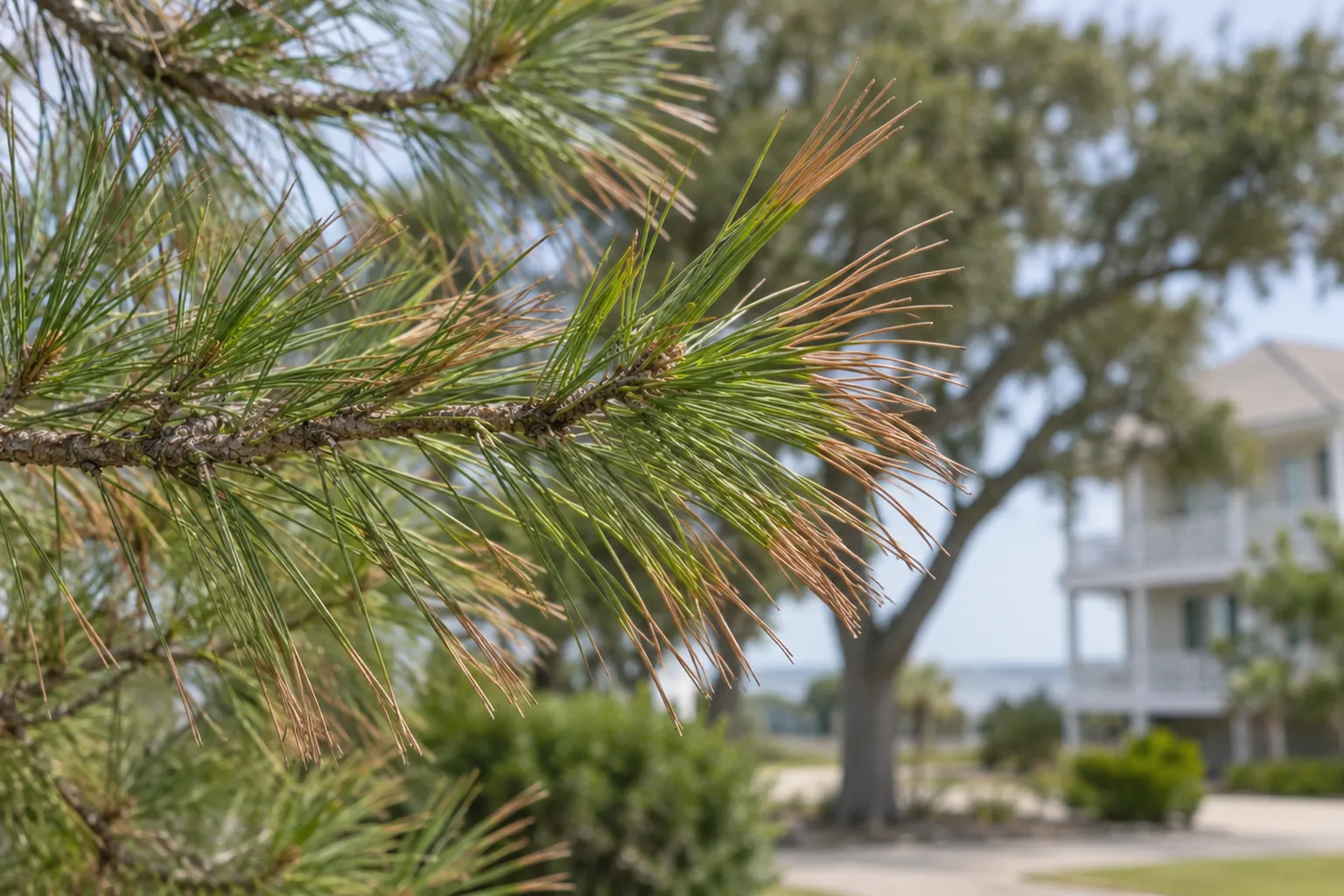
No. UF/IFAS describes leaf-tip tissue death throughout the palm canopy as a typical salt-injury pattern. It also notes that some palm problems may predate the storm. Record when you first noticed the tips and ask how exposure and earlier condition should be assessed together. UF/IFAS palm guidance.
Should I run sprinklers to flush the whole yard?
Ask for a site-specific plan first. UF/IFAS says salt-damaged trees may need flushing, while irrigation is unnecessary where the root ball is already saturated or wet from heavy rain. This guide gives no flush volume. Ask what soil and water information is needed before changing irrigation. UF/IFAS irrigation guidance.
Can I use one recovery deadline for all plants?
No. UF/IFAS gives different observation guidance for broadleaf trees and palms after hurricane damage. Palms may need at least six months before recovery becomes clear. Those periods do not establish one deadline for salt exposure. Ask for separate follow-up plans based on each plant's assessed condition. UF/IFAS recovery guidance.
Does the surge forecast show what entered my yard?
No. The NHC forecast describes possible heights within listed coastal stretches under stated tide conditions. It says surge flooding can vary greatly over short distances. Keep that forecast apart from your property record. State what you actually observed and leave water depth or duration unknown when you lack evidence. NHC advisory.
Use the Pensacola tree risk guide to organize the first steps. The Pensacola tree risk guide offers related tree-care background.
Florida Foliage is based in Daytona Beach and serves Volusia and Flagler counties. For a Panhandle or Alabama site, ask qualified local providers about your own project.
About this article: AI helped draft this article.
Florida Foliage is a Daytona Beach tree service that works with an ISA Certified Arborist consultant. For tree work in Volusia or Flagler County, call (386) 481-7913 to discuss your project.
For tree work in Volusia or Flagler County, call (386) 481-7913 to request a free on-site estimate.