Reviewed by Clinton Funk
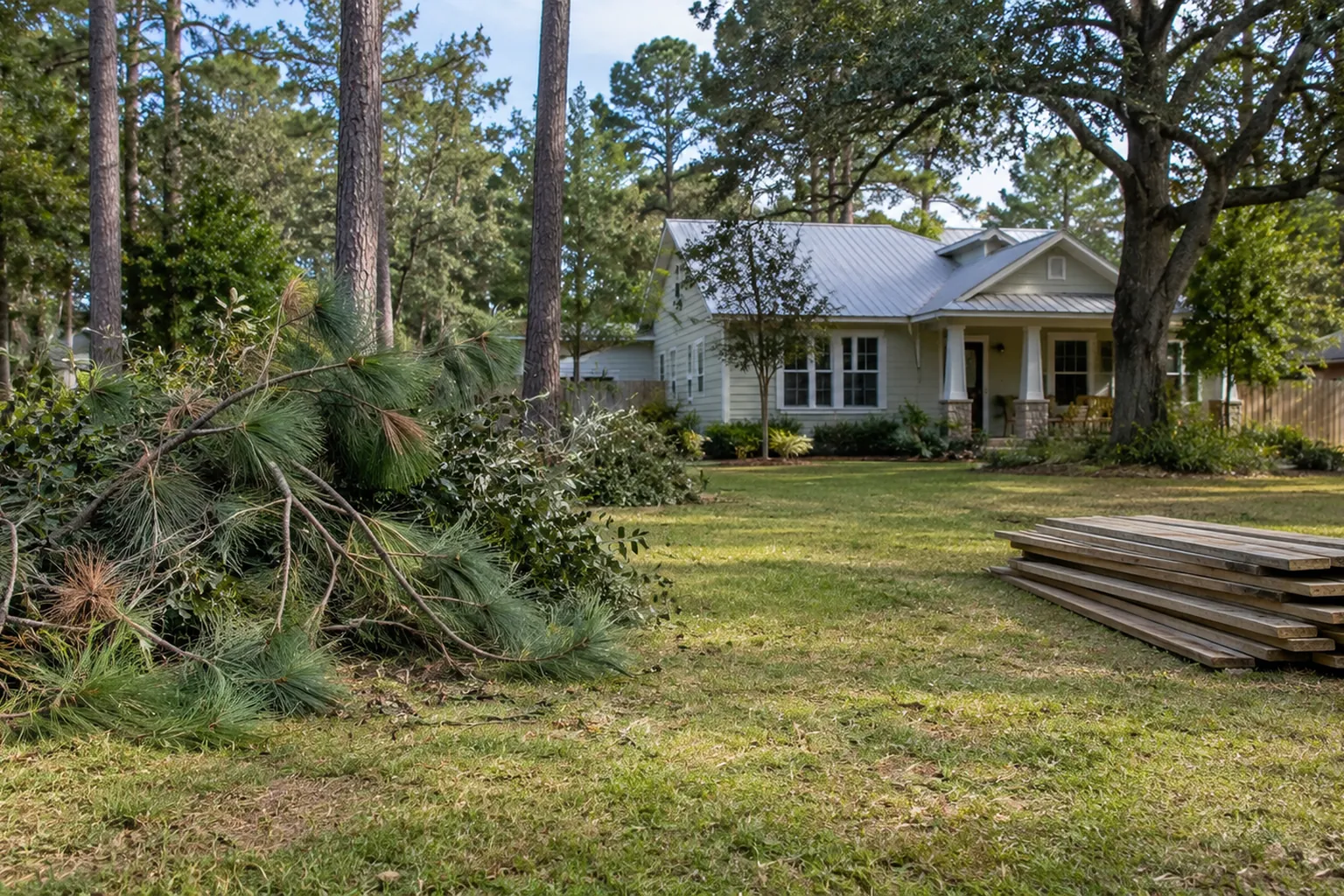
Before sorting tree debris in Escambia County, check local instructions. Then make a plan for what needs removal. List tree parts, building scraps, and items you cannot name. Ask which pickup notice applies to your address. Keep those questions separate from decisions about damaged trees.
At 7 PM CDT on October 8, 2026, the National Hurricane Center reported Isaias had sustained winds near 100 mph and forecast landfall within the warning area late Friday or early Saturday. Read the dated advisory.
This guide helps you plan separation, placement, and removal, and it does not supply current collection dates or size rules. Those details need a current local notice. Use existing records. Call a professional for any new site inspection.
When should sorting tree debris wait?
Call a professional for tree or site assessment. The storm cleanup guide and Pensacola root recovery guide offer related tree-care background. They do not decide insurance, contract, or permit questions for your property.
Start with the instructions issued for your location, and the local weather statement says to follow local officials. It also directs residents to local emergency management for updates. Read the local statement.
Your first task can be a short written list, and record what you see without moving closer for details. Separate clear observations from questions that need an answer. “Branch hanging above the fence” describes a visible concern. “Tree is safe” goes beyond a simple view.
- Note the location of each visible tree concern.
- Mark areas you cannot see from your current view.
- Keep access questions apart from pickup questions.
- Write down which official update you last checked.
Keep your plan modest while those questions remain open, and there is no need to map each loose twig. Focus on the areas that affect later removal plans. Share that list when you ask for tree help.
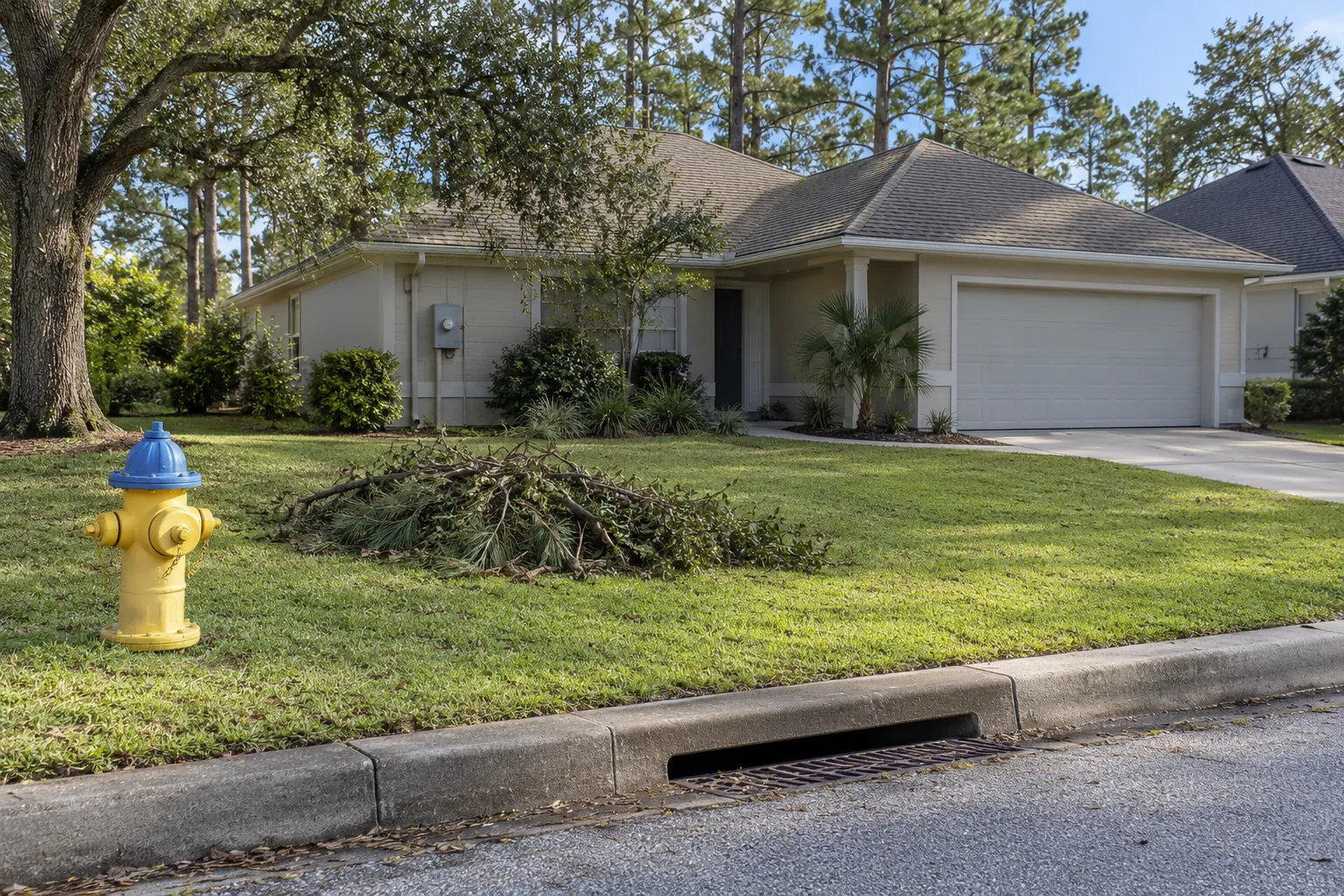
Which materials should you list as separate groups?
Use plain labels for what you can see, and list branches and leaves apart from boards and roof scraps. The Pensacola tree risk questions guide and Pensacola root recovery guide offer related tree-care background. They do not decide insurance, contract, or permit questions for your property.
This is a planning list, not an official acceptance list, and avoid calling everything in the yard “tree waste.” A more precise description gives the contact a useful question. You might describe leaves, broken fence boards, or loose branches. Add “unknown” when the item is hard to identify.
Do not turn a distant guess into a firm label. A wood piece may be hard to name from indoors. Record its location and what remains unclear about it. Ask how the item should be described for pickup.
- Tree material: list the parts you can clearly see.
- Building material: name the visible fence or roof pieces.
- Mixed areas: note where both appear in one place.
- Unknown items: leave the label open for later confirmation.
Give large trunks and stumps their own questions, and ask whether the notice mentions those items by name. Do not assume that one answer covers all tree parts. Keep root-plate handling outside your personal sorting plan.
Also keep attached branches out of the debris list. UF/IFAS says cleanup should remove as little live wood as possible. It advises against major pruning to change tree structure then. Read the cleanup guidance.
The useful result is a clear list of questions, and you can refine the groups once the contact explains them.
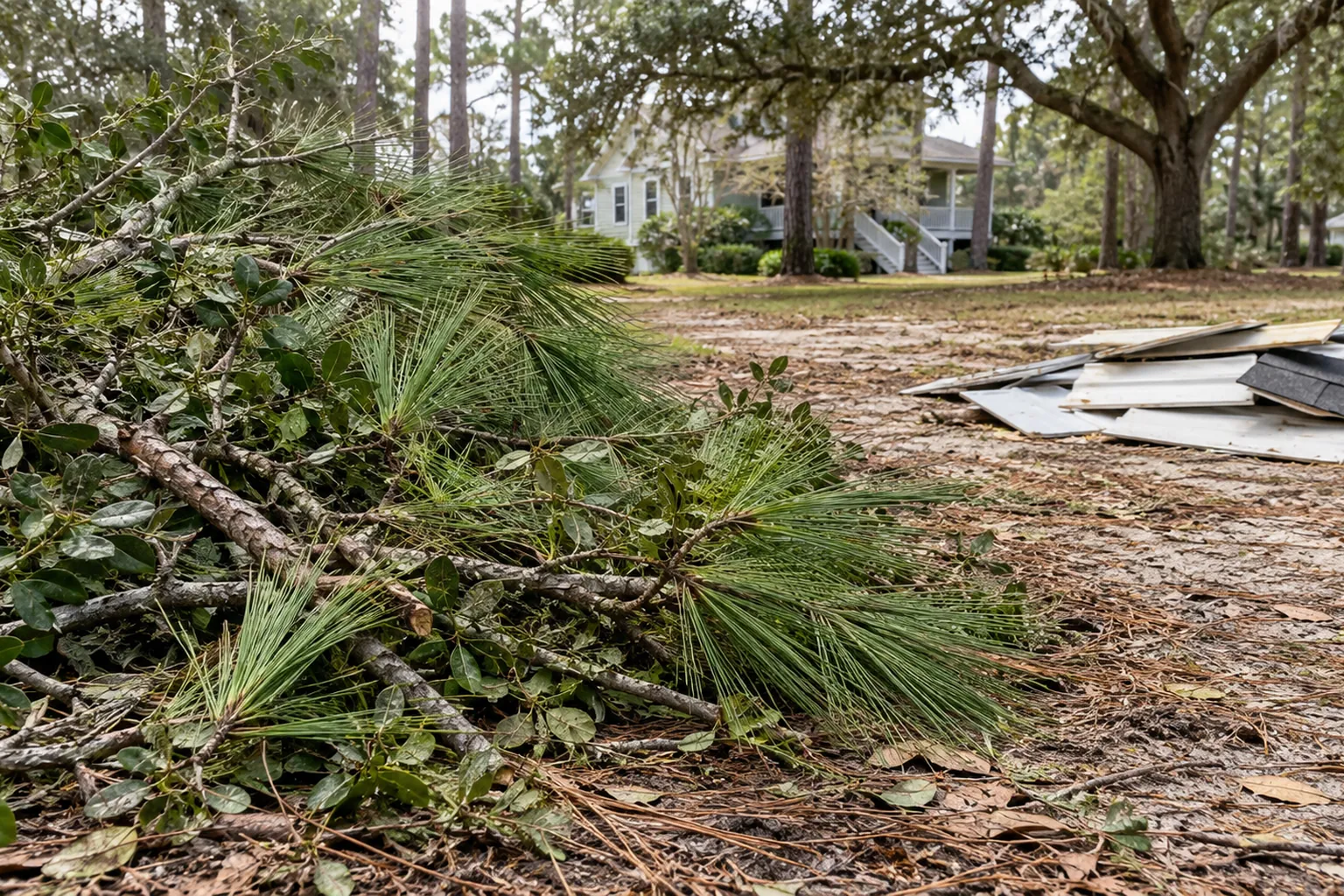
How should mixed tree and building debris be planned?
Ask the contractor to spell out three tasks: separation, placement, and hauling, and put each agreed task in the written scope. The FTC advises getting work promises in writing. Read its contract advice. Use the Pensacola tree risk questions guide and Pensacola root recovery guide to prepare your questions.
A tree and fence in the same area need clear wording. “Clear the tree” leaves several parts of the plan unanswered. Ask what will happen to the fence pieces. Ask where the tree material will go after removal. Then ask who will take each group away.
You can describe the result you want without directing the work, and for example, request separate answers for branches and fence boards. The contractor can explain what that scope would include. Compare those answers with the collection instructions you have found.
- Who will separate the tree parts from building scraps?
- Who will choose and confirm each planned pile location?
- Who will haul each group after the work?
- What debris will remain outside the agreed scope?
Ask for these points in the estimate and contract, and the FTC says written estimates should describe the work. It also says contracts should include promises about scope and cost. See the written estimate advice.
Keep public collection questions separate from the contractor’s offer, and if the plan mentions county pickup, ask which notice supports it. Then confirm what the contractor agrees to do. A short written description is easier to compare than a broad cleanup phrase.
Where should you plan to place each debris group?
Ask the collection contact to name the placement spot, and request its instructions for nearby hydrants, meters, drains, and driveways. The Pensacola tree risk questions guide and Pensacola root recovery guide offer related tree-care background. They do not decide insurance, contract, or permit questions for your property.
Start with a rough sketch of your property frontage, and draw only features you already know or can see. Label the driveway, street, and visible access points. Mark any place where you cannot get a clear view. This sketch is a question sheet, not a placement order.
Ask for actual distances when a notice requires them, and this guide supplies no setback or clearance measurement. Do not copy a distance from a different collection notice. Put unanswered placement questions at the top of your list.
- Find the notice and check its date and service area.
- List each debris group named in that notice.
- Sketch the proposed locations without moving any material.
- Ask about hydrants, meters, drains, driveways, and other access points.
- Share the confirmed instructions with whoever will stage the debris.
Describe any mismatch between the notice and your frontage, and perhaps the suggested spot is not clear from your view. Ask the contact to explain what applies there. Keep the response with the notice for later reference.
For local emergency information, the weather statement directs Escambia residents to Be Ready. See the official local source, and use Be Ready as that starting point, then seek the relevant debris instructions.
Which questions need a tree specialist?
Ask for tree help with large hanging limbs or dangerous leaning trees. UF/IFAS says these risks should be addressed before other work. Read its risk guidance. The Pensacola tree risk questions guide and Pensacola root recovery guide provide related reading. Keep your own role to observation and planning.
Make two lists when you speak with a tree specialist, and one should cover visible concerns about trees and branches. The other should cover the debris left after agreed work. These lists serve different purposes and need separate answers.
For the first list, describe location and visible condition, and avoid deciding whether the tree needs removal from its appearance. For the second list, ask about separation and hauling. You need a clear scope for both parts of the job.
- Which visible concerns need a closer review by the specialist?
- What tree work does the proposed scope include?
- What debris will that work leave on the property?
- Does the offer include separation, staging, and hauling?
A request for a neat yard should not become extra pruning. UF/IFAS advises against major structural pruning during initial cleanup. Its guidance calls for retaining as much live wood as possible. See the initial response plan.
Ask the specialist to explain tree care and debris removal separately, and this lets you compare the proposed work with your original questions. It also keeps curbside plans from driving tree-care choices. Write down any point that remains unresolved after the discussion.
Keep climbing, saw work, electrical work, and root-plate handling outside this planning guide, and it gives no instructions for those tasks.
How should you record debris before removal?
Keep dates, simple notes, and photos from a safe view, and record what you can see without guessing about hidden damage. The Pensacola tree risk questions guide and Pensacola root recovery guide offer related tree-care background. They do not decide insurance, contract, or permit questions for your property.
A broad photo can show where a group was located, and label it with a plain description and the date. Use words such as “branches beside the front fence.” Avoid labels that claim a cause you cannot confirm.
Keep the record in a simple folder or paper file, and give each photo a short name you will recognize. If you have no safe view, note that gap. There is no need to fill it with a guess.
- Save the original photos rather than only edited copies.
- Note which groups you could identify from your view.
- Keep the notice and any answers about placement.
- Record what the contractor agreed to separate and haul.
The FTC advises keeping invoices and receipts for your records. Read the recordkeeping advice. Store those papers beside the estimate and written scope. That keeps the agreed work and final paperwork together.
For insurance questions, verify coverage with your insurer, and the FTC warns against relying on a contractor’s coverage claims. See its insurance guidance. Ask what records the insurer wants before making assumptions.
When work changes the scene, add a brief dated note, and state what was done and who supplied the information. Keep facts you saw apart from statements others gave you. This makes later conversations easier to follow.
How do you check Escambia County pickup notices?
Find the official notice, then ask whether it covers your address, and check each material and placement question against that notice. The Pensacola tree risk questions guide and Pensacola root recovery guide offer related tree-care background. They do not decide insurance, contract, or permit questions for your property.
The local weather statement names Be Ready for Escambia emergency information. Read the official reference, and start at the county’s Be Ready page and look for relevant official updates. For pickup details, seek a notice about debris collection itself.
Write down the notice date before reading the details, and then look for the address or area it covers. If that point is unclear, ask the listed contact. Describe your property and materials in plain terms.
- Is collection being offered for this address and property type?
- Which tree parts and building materials does the notice include?
- What does it say about bags, trunks, or stumps?
- Where should each accepted group be placed?
- What limits or exclusions does the notice state?
- What should you do if the planned spot is unclear?
Record answers beside the questions instead of relying on memory, and note who answered and which notice they referred to. Ask where to find later updates for the same area. This gives you a clear place to check again.
If you discuss private hauling, compare it with the written scope, and the FTC advises getting promises about the work in writing. Read its contract guidance. Ask what the offer includes rather than filling gaps yourself.
Frequently asked questions
Use these answers to prepare specific questions for the collection contact, and keep the notice and your material list together while asking. The Pensacola tree risk questions guide and Pensacola root recovery guide offer related tree-care background. They do not decide insurance, contract, or permit questions for your property.
Can branches and broken fence boards share one pile?
Ask how the current notice groups those materials, and describe branches and fence boards separately in your notes. If both appear in one damaged area, ask who will separate them. Put any agreed separation and hauling work in the written scope, as the FTC recommends for work promises. Read the contract advice.
Should leaves be bagged for pickup?
Check the notice for instructions about leaves and bags, and this guide does not establish whether bags are accepted. If the notice is silent, ask before planning that step. Record the answer with its date and source. Share it with whoever will prepare the debris so the plan follows the same instructions.
Will pickup include a large stump or root plate?
Ask the collection contact about those items by name, and give a plain description based on your distant view. Request any stated limits and ask who handles placement. Keep root-plate handling outside your personal plan. A question about collection should remain separate from a request for help with the damaged tree.
What if debris is near a drain or meter?
Mark that location on your planning sketch and ask for instructions, and request the placement rules for that feature rather than guessing. You can describe the location from a safe indoor or distant view. Keep the answer with the notice, then share it with the person responsible for staging the debris.
Does sorting mean pickup has been arranged?
Confirm the collection plan separately from the sorting plan, and ask whether collection is offered at your address and which notice applies. Then confirm the materials, placement instructions, and announced timing. If a contractor will haul instead, get that promise in writing. The FTC recommends written agreements about work scope. See the scope guidance. Keep the dated reply with the records for your property.
Drafting disclosure: This article was drafted with AI assistance. It provides general education, not an individual tree assessment, legal opinion, or insurance coverage decision.
The Emerald Coast tree cleanup guide covers the wider Florida coast. The Pensacola tree risk questions guide and Pensacola root recovery guide offer related tree-care background. They do not decide insurance, contract, or permit questions for your property.
Florida Foliage is based in Daytona Beach and serves Volusia and Flagler counties. The Pensacola tree risk questions guide and Pensacola root recovery guide offer related tree-care background. They do not decide insurance, contract, or permit questions for your property.
Florida Foliage is a Daytona Beach tree service that works with an ISA Certified Arborist consultant. For tree work in Volusia or Flagler County, call (386) 481-7913 to request a free on-site estimate.
Call (386) 481-7913 to talk through next steps.