Reviewed by Clinton Funk
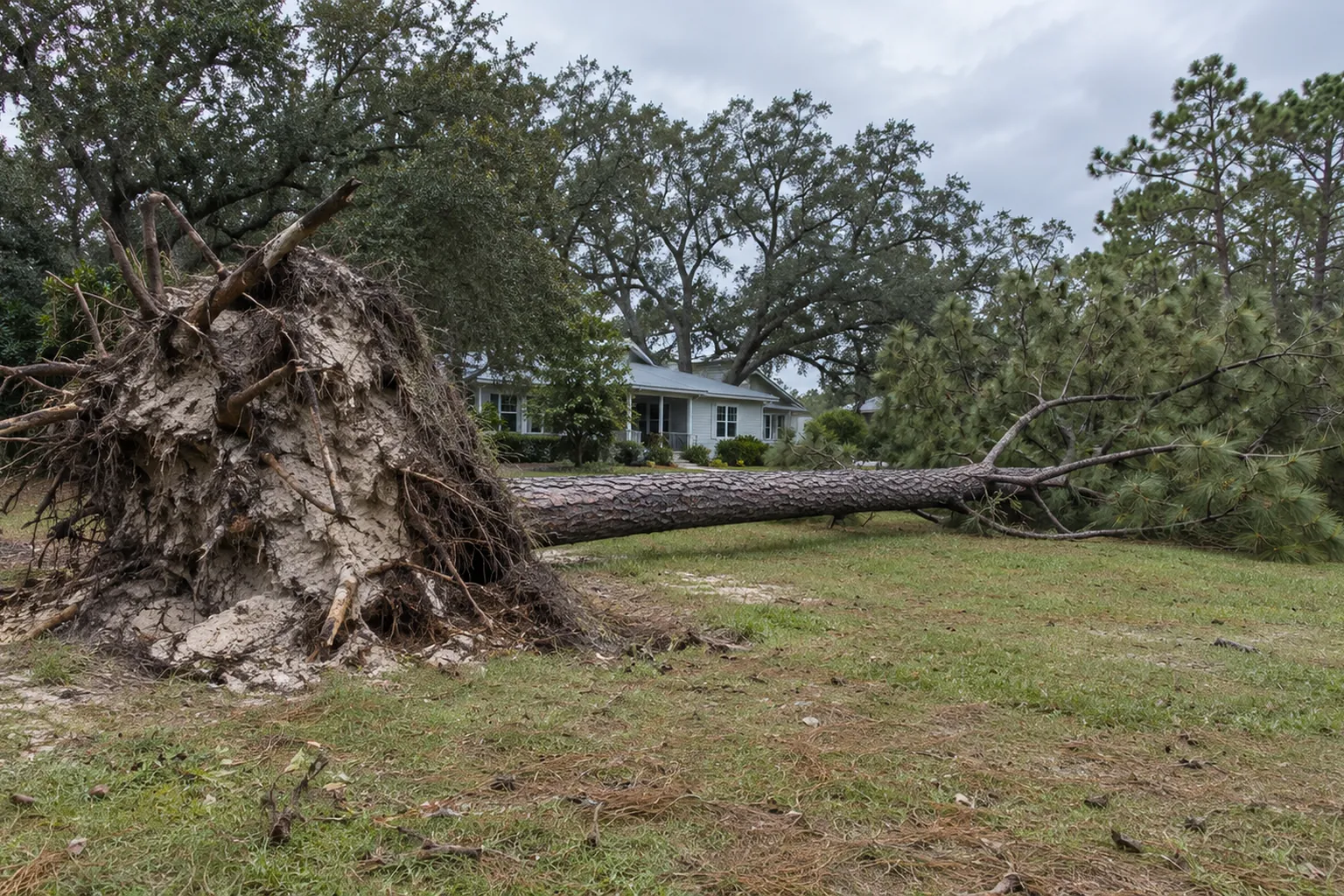
Hurricane stump removal in Northwest Florida should cover the fallen tree, root plate, hauling, and final ground work. Name each part when you request an estimate, then check what the proposed job includes. That gives you a clear way to compare plans for the same tree and yard.
At 7 p.m. CDT on October 8, 2026, the National Hurricane Center reported Hurricane Isaias with “MAXIMUM SUSTAINED WINDS...100 MPH...155 KM/H”. Its forecast called for landfall within the warning area late Friday or early Saturday.
Follow local instructions before returning or arranging access. The National Weather Service stated: “Follow the advice of local officials and check with local emergency management for the latest information.” Use the official pages for Escambia County, Santa Rosa County, or Okaloosa County.
What needs attention around an uprooted tree?
The first concern is the tree work that needs professional attention before the remaining cleanup proceeds. Include the root plate in that talk, along with the trunk and branches. Our regional hurricane cleanup guide and Pensacola tree risk guide offer related tree-care background.
UF/IFAS identifies large hanging limbs and leaning trees as potentially risky situations. Its direction is clear: “These situations should be taken care of by a professional before anything else.” Include any such conditions already known to you when speaking with the person arranging the work.
Keep the request specific rather than describing everything as a tree lying in the yard. Name the stump and root plate apart so both appear in the planned scope.
- State whether your request includes the trunk, branches, stump, and root plate, rather than wood hauling alone.
- Name the driveway, fence, building, or yard area that you want included in the work talk.
- Explain whether your next project is a lawn, planting bed, fence repair, or another use.
- Ask who will explain the removal plan and who will handle questions about the remaining ground.
These details give the contractor a clear description of your goals. They also help you check whether the planned work answers the problem you called about.
What should you ask about root plate handling during removal?
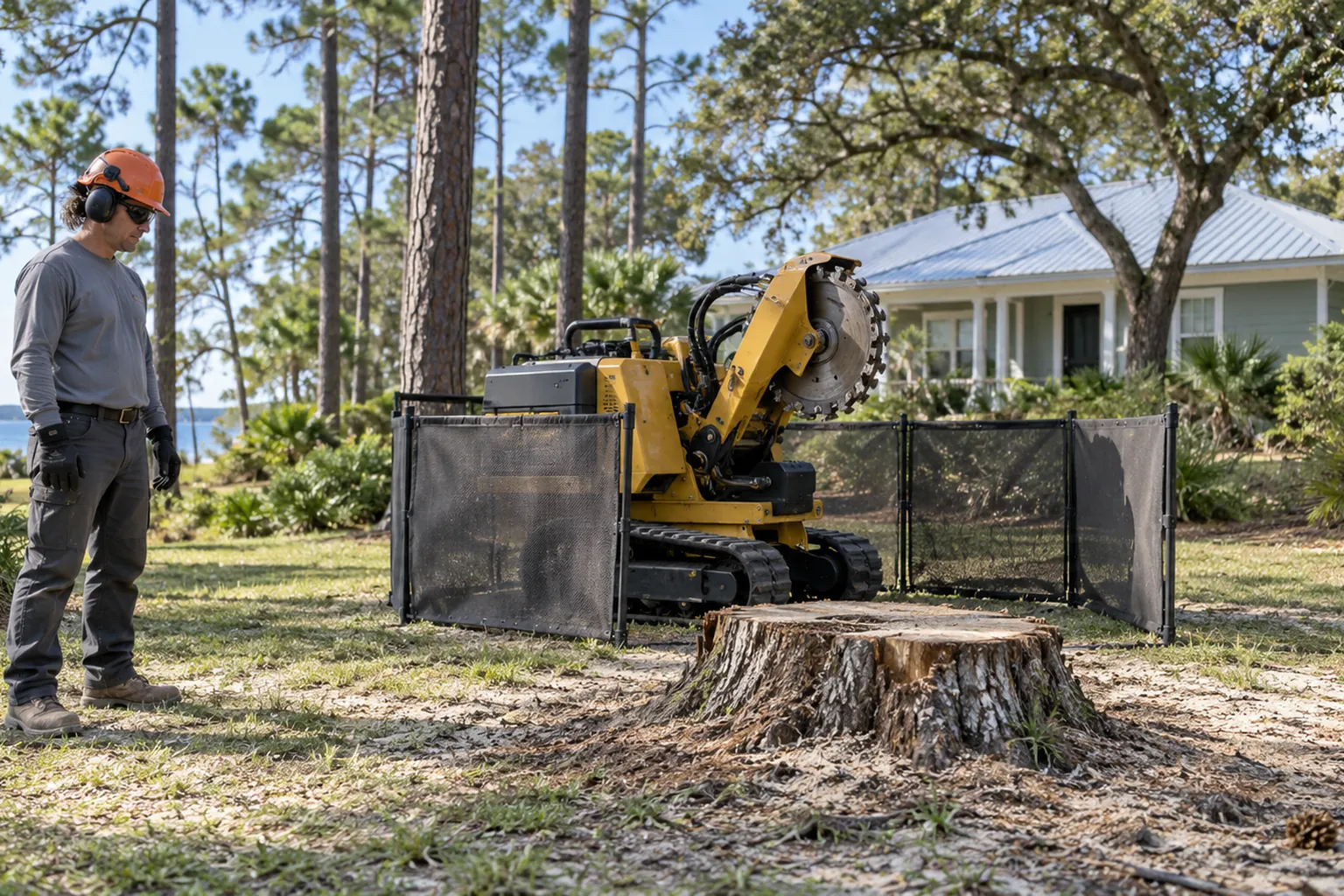
Put possible root plate movement in the removal talk before agreeing to trunk or stump work. Ask how the professional will handle the roots throughout the job. Connect that question with your Pensacola tree risk guide and any distinct Pensacola tree risk guide so each person understands the agreed work. For related tree-care background, read the Pensacola tree risk guide and Pensacola root recovery guide.
- Ask for a plain explanation of the proposed handling, including who is responsible for the root plate.
- The answer should cover the work from the first tree removal stage through the point when the root material is ready for hauling.
UF/IFAS discusses damaged roots when explaining whether fallen trees should be restored. It notes that “large, severed roots can decay or rot, making the tree unstable.” That concern belongs in any discussion about keeping and standing up a fallen tree.
For removal, focus your questions on the actual tree and root plate rather than a general promise about cutting wood. Request an explanation of what will happen to each part, and include that agreement in the written scope.
If distinct people handle removal and collection, name the handoff between them. Specify who finishes the root plate work before the next person begins the agreed hauling stage.
What information helps when requesting an estimate?
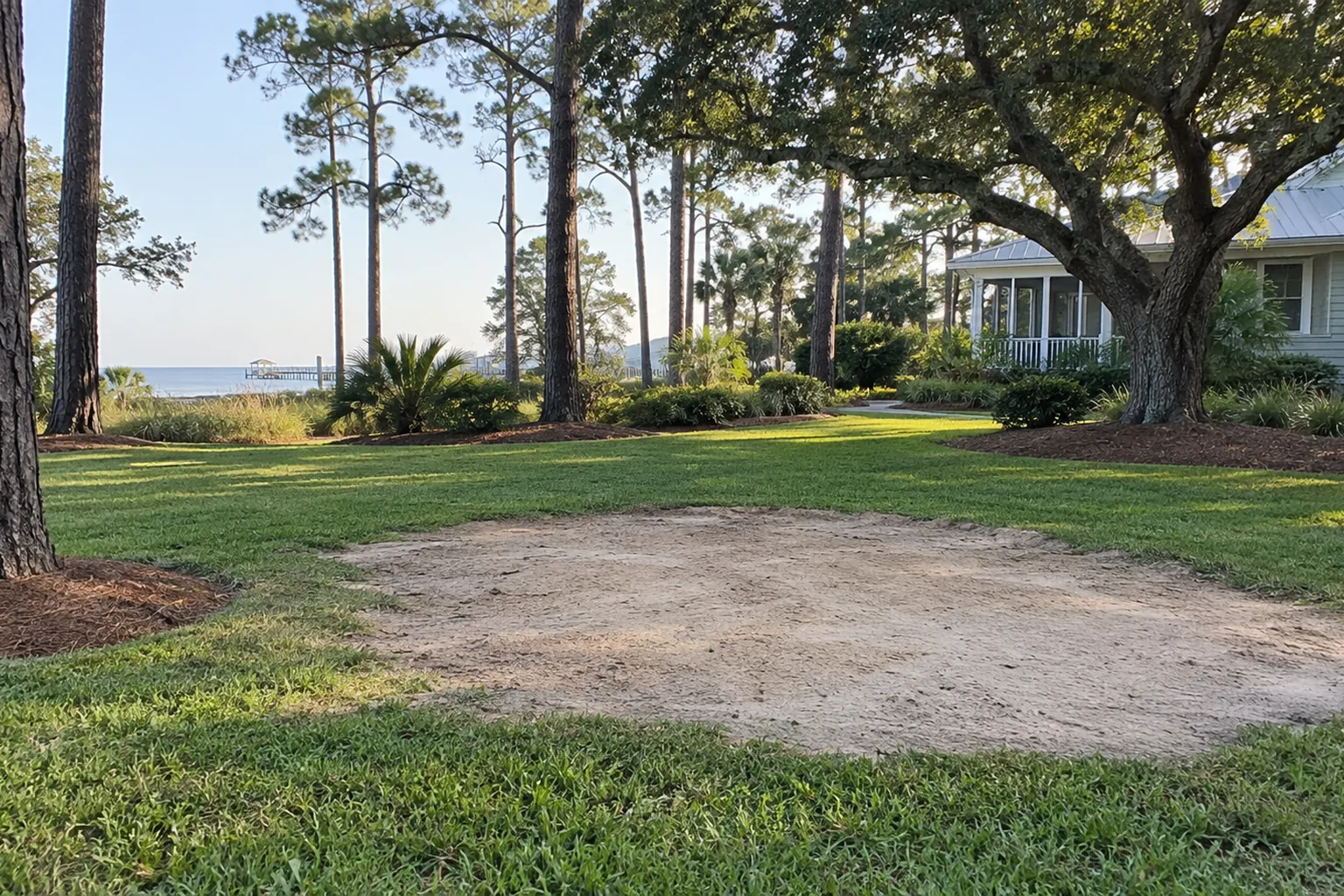
Start with the location, the parts of the tree you want addressed, and your planned use for the space. Include any known line involvement in the request. The Pensacola tree risk guide and Pensacola tree risk guide offer related tree-care background. For related tree-care background, read the Pensacola tree risk guide and Pensacola root recovery guide.
For a limb near power lines, UF/IFAS says to “make sure that a qualified line-clearance arborist treats the situation.” Name that concern clearly when arranging work. Keep it separate from questions about the stump, fill, and final appearance of the yard.
Use details you already have to explain the property and the requested result:
- Give the property address and name which tree the estimate should cover.
- Describe the fence, driveway, planting bed, or other feature included in your cleanup request.
- Share existing plans or records for irrigation, septic work, and other work around that location.
- List the tree parts and remaining materials that you want the contractor to address.
Explain your priorities in ordinary terms, such as wanting the wood hauled and the yard ready for lawn work. Ask the contractor to translate those goals into clear limits for the proposed job.
Keep a copy of the request alongside each estimate you receive. That makes it easier to see whether every proposal covers the same tree parts and the same final result.
What should hurricane stump removal include?
The scope should state whether the planned work includes grinding, root plate removal, hauling, and ground repair. Give each task its own description before comparing proposals. Discuss those details with your Pensacola tree risk guide. Include your Pensacola tree risk guide, especially when another project will follow the cleanup. For related tree-care background, read the Pensacola tree risk guide and Pensacola root recovery guide.
- Ask the contractor to describe grinding and root excavation as distinct choices for this job.
- Request the planned work area, any stated depth, the material to be hauled, and what will remain.
- Those written details let you compare the offered results without relying on a broad service label.
UF/IFAS gives a specific example for broken single-stem palms: “If possible, the stumps of single-stem palms should be removed or ground up.” Keep that advice tied to the palms discussed in the source. For your own tree, have the proposal name the method being offered.
Tell the contractor what you expect after the stump work. If a fence builder or paving contractor will follow, include that next job in the talk. Request a clear statement of which ground planning tasks belong to the tree job and which belong elsewhere.
Compare the same items across estimates: work limits, haul-away terms, surface work, and exclusions. When one proposal leaves an item blank, get the answer before treating it as equal to a more detailed offer.
How can you organize the cleanup stages?
Sort the job around named tasks and clear handoffs, with professional tree work addressed before the remaining cleanup. Use the Gulf Coast cleanup planning guide alongside the Pensacola tree risk guide when discussing who will handle each part of the work and what the next person should expect.
UF/IFAS places professional attention to hanging limbs and leaning trees first: “These situations should be taken care of by a professional before anything else.” Build your job discussion around that priority, then identify the remaining tasks.
- Name the tree work. Include the trunk, branches, stump, and root plate in the request for a written proposal.
- Name known concerns. Tell the contractor about line involvement and the other conditions already reported at the property.
- Agree on the root work. Record the proposed method, its limits, and the person responsible for that stage.
- Define the hauling. Specify which wood, roots, soil, or other material the agreed collection will include.
- Assign the ground work. Name who will handle fill, surface work, and the next planned use of the space.
- Review completion. Compare the finished job with each item in the written agreement and record any remaining work.
Keep one contact list for the people handling those stages. When a plan changes, share the revised terms with everyone whose work depends on the change.
What belongs in the written work agreement?
The agreement should describe the requested result, the included tasks, and any work left for someone else. Keep the root plate visible in that description. Use your Pensacola tree risk guide and any Pensacola tree risk guide as distinct talk points rather than grouping the whole job under a single short label. For related tree-care background, read the Pensacola tree risk guide and Pensacola root recovery guide.
The FTC recommends written estimates with “a description of the work to be done, materials, completion date, the price, and the contractor’s contact information.” Apply that advice to the stump and root plate portion of your request.
- Included tree parts: Name the trunk, branches, stump, and root plate that the agreement covers.
- Work limits: Record the offered grinding or excavation area and any stated depth.
- Hauling: Name the materials included in collection and the person responsible for removing them.
- Ground finish: Describe the agreed fill and surface work, plus any excluded repairs.
- Changes: State how you will receive and review changes to the planned work.
- Completion: Include the agreed timing and the contact for questions about unfinished items.
Read the agreement alongside the estimate before signing. The FTC advises: “Get a written contract and read it carefully.” Keep any promises about the root plate, hauling, and final yard condition in that agreement.
What should happen before the next planting project?
Plan the next use of the space while agreeing on the stump and root plate work. Name the final result you want and who will plan it. Our Pensacola tree risk guide and Pensacola tree risk guide offer related tree-care background. For related tree-care background, read the Pensacola tree risk guide and Pensacola root recovery guide.
- Request a description of the ground work included after removal, including what material will remain.
- For a lawn, planting bed, or later building work, write down the intended use.
- Then ask the person responsible for that next project to confirm the planning they require.
Include trees you want to keep in the discussion. UF/IFAS cautions: “Be very careful not to cause additional stress to the tree by injuring the trunk, branches, or roots.” Tell the contractor which nearby trees belong in that part of the plan.
A retained storm-damaged tree may need care beyond the initial cleanup. UF/IFAS states: “Restoration typically requires more than one pruning to develop strong tree structure”. Ask for that follow-up to be discussed separately from the stump and root plate work.
At the final review, use your original list of requested results. Confirm which tasks are complete, which were excluded, and who will handle any remaining work before the next project begins.
Frequently asked questions
These questions help turn a broad cleanup request into clear terms for the actual job. Use them with the regional storm cleanup guide and Pensacola root recovery guide when checking that removal, collection, and final ground work are all covered in the agreement.
Should the root plate have its own line in the estimate?
Yes. Give the root plate a distinct line so the agreement states who handles it and what work is included. Name removal, hauling, and ground work apart as well. This gives you a clear item to check at completion, instead of relying on a general promise to remove the tree.
Does stump removal mean every root is included?
The label alone does not tell you what the proposal includes. Use the written work limits to define the agreed result, including the area covered and material left behind. Ask for grinding, excavation, hauling, and surface work to be listed apart. You can compare each offer on the same terms.
Should I cut the trunk before the contractor arrives?
Leave cutting the uprooted trunk and handling the stump or root plate to a professional, along with work involving leaning trees or large hanging limbs. UF/IFAS says: “These situations should be taken care of by a professional before anything else.” Use the time before the appointment to prepare your list of requested work, including the trunk, stump, root plate, and hauling.
Is root plate hauling part of ordinary debris collection?
Include root plate hauling only when the collection agreement names it. List the materials you want removed, including roots and soil. And name who prepares them for the agreed pickup. Keep the collection terms with the removal scope so both parts of the job describe the same expected result.
Should I choose the replacement tree during cleanup planning?
Include the replacement planting goal in cleanup planning, even if you choose the tree later. Tell the contractor whether planting is your next intended use. Ask for the agreed ground finish in writing. Keep planting work distinct from removal so you know who handles each task and when it is complete.
Use the Pensacola tree risk guide to organize the first steps. The Pensacola tree risk guide offers related tree-care background.
Florida Foliage is based in Daytona Beach and serves Volusia and Flagler counties. For a Panhandle or Alabama site, ask qualified local providers about your own project.
Florida Foliage is a Daytona Beach tree service that works with an ISA Certified Arborist consultant. For tree work in Volusia or Flagler County, call (386) 481-7913 to discuss your project.
For tree work in Volusia or Flagler County, call (386) 481-7913 to request a free on-site estimate.
AI helped draft this article. It cannot assess your yard.