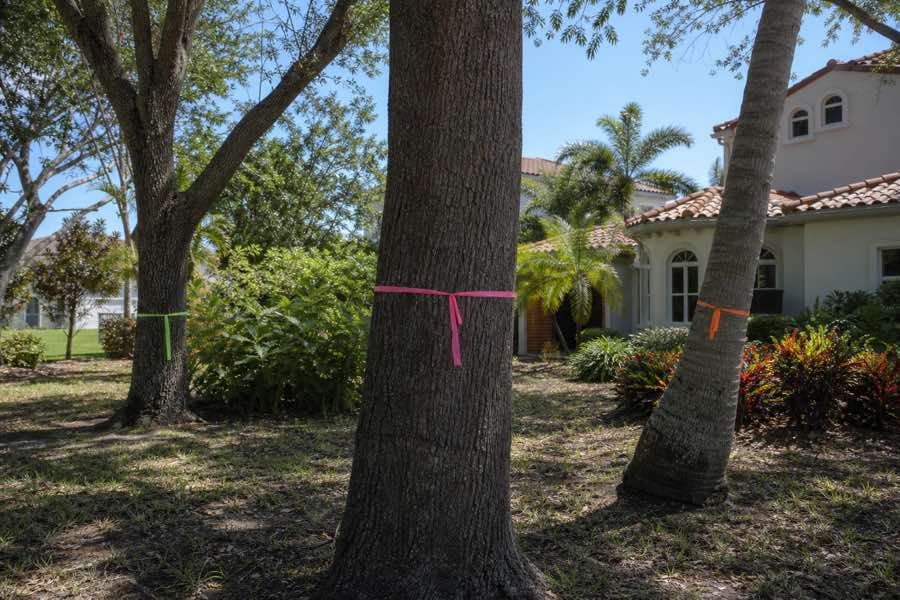
Coordinating tree trimming and removal on one property can get messy fast if every tree is treated as part of one lumped quote. A clear tree-by-tree work order helps you compare tree trimming and removal by condition, access, debris, and approval so the trees that need pruning are not mixed up with the trees that should come out, be monitored, or stay untouched.
Decision Snapshot
- Ask for each tree to be listed separately.
- Confirm which trees are pruned, removed, monitored, or skipped.
- Set access paths before crews arrive.
- Separate debris handling by scope when possible.
- Use photos and on-site review for final approval.
In Daytona Beach, that clarity matters even more because sandy soil, coastal winds, tight driveways, and utility clearances can affect each tree differently. Florida Foliage serves Volusia and Flagler counties, with Daytona Beach as the primary market, and the team includes ISA Certified Arborists on staff. If you need a tree trimming service, a tree removal service, or a combined visit, ask for a scope that keeps every tree decision separate.
That approach also helps homeowners compare Daytona Beach work against the realities of the site. One oak may need light pruning, while a palm beside the pool may be left alone, and a leaning tree near a fence may need removal. Florida Foliage is licensed and insured, and free estimates are available through request a free estimate.
Is Tree Trimming and Removal Priced the Same Way?
Tree trimming and removal are usually priced differently because the work methods, debris load, access needs, and risk are not the same. A trimming scope may be based on pruning goals and canopy access, while removal depends on tree size, location, rigging needs, stump plans, and haul-away details for that specific tree.
A combined quote can still be useful, but only if it separates each tree and each task. Ask the contractor to show which trees are included for pruning, which are set for removal, and which are only being observed. That makes tree trimming and removal easier to approve one tree at a time.
A tree-by-tree work-order method is especially helpful on multi-tree lots where one side faces a road, one side borders a neighbor, and another side sits over a roof or service line. The cost drivers change with each position. Florida Foliage can build that scope around access, debris, and condition so the quote stays readable.
When you compare bids, look for separate notes on cut size, canopy reduction, haul-off, stump handling, and cleanup boundaries. If a provider blends all trees into one line, it becomes harder to tell whether the amount reflects trimming, removal, or both.
Which Months May Be Poor Choices for Tree Trimming?
Tree trimming and removal timing can be poor in certain months when the goal conflicts with active growth, flowering, nesting concerns, or storm season pressure. The best month depends on the species, the tree’s condition, and the reason for pruning, so a fixed calendar rule rarely fits every tree.
On coastal Florida properties, timing can also depend on hurricane season prep, wet ground, and post-storm access. Sandy soil can shift under equipment, and saturated turf can limit where crews can park or stage debris. For that reason, a tree-by-tree review is better than scheduling every tree for the same week.
If a tree is near a structure or has broken limbs, the need for trimming may outweigh seasonal preference. If a tree is healthy but only needs light shaping, the work can sometimes wait. An ISA Certified Arborist can help decide which trees should be scheduled now and which should be monitored.
For pruning concerns tied to tree structure, UF IFAS explains that poor structure can create long-term problems that are worth addressing with proper pruning, not rushed cuts. See the University of Florida guidance on structural issues and on avoiding harmful topping at do not top.
What Should You Ask When Hiring a Tree Removal Service?
When hiring a tree removal service for tree trimming and removal on the same property, ask for a separate line on every tree so you know what is being cut, taken down, or left in place. Ask who decides if a tree is removed, who handles debris, and what site access the crew needs.
You should also ask how the crew protects nearby trees, lawn areas, fences, and hardscape during removal work. In Daytona Beach and nearby coastal neighborhoods, that matters because lots are often tight and utility placement can limit staging. Ask whether stump follow-up will be part of the plan or handled later.
Florida Foliage can prepare a scope that keeps approvals clear before work begins. That way, the customer can accept pruning on one tree, decline removal on another, and still keep the rest of the property in view. For a direct conversation, call (386) 481-7913.
A good contractor should also explain whether any tree needs extra review before a final decision. If a tree looks weak, hollow, split, or crowded against a structure, the recommendation may change after a closer inspection. Property-specific permit questions belong to the governing jurisdiction, not to a broad online description.
What Changes the Cost to Trim a 20-Foot Tree?
Tree trimming and removal costs for a 20-foot tree change with access, canopy shape, branch density, location near structures, and how much cleanup is included. A small tree with open access may be straightforward, while a dense tree over a pool deck or fence can require more care and time.
The species matters too. Some trees respond well to light pruning, while others need more selective cuts to preserve form and structure. The work order should say whether the tree is being raised, reduced, cleaned out, or simply cleared from a target area. That detail keeps the estimate honest.
Tree trimming and removal on the same property can also change the setup cost. If crews must move debris from one side yard, protect a driveway, and work around irrigation or utilities, those site conditions influence the scope even when the tree height is modest.
| Scope detail | What to confirm | Why it matters |
|---|---|---|
| Tree condition | Prune, remove, monitor, or leave alone | Affects method and approval |
| Access | Driveway, gate, yard, and staging space | Controls crew setup and debris flow |
| Debris handling | Haul-off, pile location, or separate loads | Prevents shared cleanup confusion |
| Nearby risks | Roof, fence, pool, utility, or neighbor lines | Changes protection and work sequence |
| Follow-up | Stump, root plan, or recheck visit | Keeps tasks from getting missed |
If a tree is being removed and the roots matter afterward, plan ahead for the next phase. Some owners need to plan tree root removal after the tree is gone, while others only need the stump or surface roots addressed later. That choice should be separate from the trimming scope.
For a multi-tree property, ask Florida Foliage to list each 20-foot tree on its own line, even if the crew is handling several trees on the same visit. That makes it easier to compare options and to approve the exact work you want. You can also call (386) 481-7913 for a free estimate.
Does Season Change Tree Removal Cost?
Tree trimming and removal can be affected by season because weather, soil moisture, and storm timing change how crews access a property and move debris. In Daytona Beach, a rainy stretch or post-storm conditions may make a site harder to stage, especially when trucks must protect turf or cross soft ground.
Season can also affect urgency. A tree leaning after high winds may need quicker attention than a healthy tree planned for later review. That said, the condition of the tree and the site often matter more than the calendar alone. A clear scope should state why removal is being recommended now.
For homeowners comparing bids, the useful question is more than when the work can happen. It is which trees are being addressed, what the access path looks like, and whether cleanup is shared or separated by scope. Florida Foliage can set that out in writing so approvals stay clean.
Tree trimming and removal become easier to coordinate when the estimate names each tree and each task. If one tree is only monitored through the season, that should be noted too. Monitoring is a valid outcome when a tree does not yet justify pruning or removal.
What Is the One-Two-Three Rule of Pruning?
The one-two-three rule of pruning is a simple way to think about tree trimming and removal decisions: first identify the tree’s condition, then decide the purpose of the cut, then confirm the aftercare or follow-up. It is a planning tool, not a substitute for an on-site arborist review.
Used well, the rule helps separate trees that need action from trees that only need observation. On a property with several trees, one may need a reduction, another may need clearance over a roof, and another may be left alone. A tree-by-tree work order keeps those choices from blending together.
Florida Foliage uses ISA Certified Arborists on staff, which helps keep pruning and removal decisions tied to tree condition rather than guesswork. That matters when trees have structural issues or past poor cuts. UF IFAS notes that poor pruning practices such as topping can create long-term problems, so proper cuts matter.
If the estimate groups all work into one line, ask for a breakdown. The same property may include a healthy shade tree, a palm near the entry, and a damaged tree in the back. Each one deserves its own call: prune, remove, monitor, or leave it in place.
That is where tree trimming and removal planning becomes most useful. It gives the owner a clean record of what was approved and why. It also helps the crew stage equipment, plan debris handling, and avoid confusing one tree’s approval with another tree’s status.
At What Point Should a Tree Be Removed?
A tree should be removed when tree trimming and removal decisions show that pruning will not reasonably fix the problem, or when the tree’s condition makes it a poor fit for the site. Split trunks, major decay, repeated failure, severe lean, or crowding against a structure can all trigger a removal recommendation.
Removal may also make sense when a tree has already been reduced too many times and no longer has a sound form. In those cases, a pruning-only plan can hide the real issue. The better move is to inspect the tree, define the risk, and decide whether it should be removed, monitored, or kept with limited pruning.
Do not rely on a photo alone to settle a tough call. A photo can help start the conversation, but a property-specific inspection is often needed to check canopy structure, root area, target hazards, and site access. That is especially true in coastal Florida, where wind and soil conditions can change the context.
Florida Foliage can help separate the trees that should stay from the trees that should go. The goal is a clean scope, not a blurry bundle. If you are comparing tree trimming and removal options on one property, ask for a review that names each tree and each approval.
To keep the process moving, start with a clear request and a simple list of trees. Include which ones need pruning, which ones are candidates for removal, and which ones need a second look. Then the contractor can build the work around access, debris, and site conditions without mixing the decisions.
- List every tree by location and condition.
- Mark prune, remove, monitor, or leave alone.
- Note gates, driveways, pools, and utility concerns.
- Separate debris handling from trimming and removal.
- Request written approval for each tree.
That same process helps when you compare tree trimming and removal on a larger property with mixed ages and species. One owner may approve pruning on the front yard canopy and defer a back lot removal until after a permit review or insurer review. Another may want only hazard trees addressed now.
Clear scopes also help with cleanup. If the removal crew is hauling large wood and the pruning crew is producing smaller limbs, the estimate should say how those debris streams are handled. Shared cleanup can be fine, but it should never blur the approved work on each tree.
For homeowners who want a tighter plan, Florida Foliage can walk the property, list each tree, and keep the decisions separate from start to finish. That is the simplest way to compare options without losing track of which trees are being pruned, removed, monitored, or left alone.
Can one crew perform trimming and removal?
Yes, one crew can often handle tree trimming and removal on the same property if the scope is clear and the site can be staged safely. The important part is that each tree is assigned its own task, so pruning, removal, and cleanup do not get mixed into one vague line item.
Should each tree have a separate work description?
Yes, each tree should have a separate work description because tree trimming and removal decisions can differ tree by tree. A separate description helps the owner approve the right work, compare bids fairly, and avoid confusion about which trees are being pruned, removed, monitored, or left alone.
Can an estimate recommend removal from a photo alone?
An estimate can start from a photo, but a final removal recommendation should not rely on a photo alone. Tree trimming and removal decisions often depend on trunk condition, root area, lean, targets, and site access. A property-specific inspection is usually needed before the scope is finalized.
Is cleanup shared across both scopes?
Cleanup can be shared, but it should be spelled out. With tree trimming and removal, the estimate should explain whether debris is grouped together, separated by tree, or handled by task type. That keeps the owner from approving trimming debris under a removal scope, or the reverse.
How can I request a multi-tree estimate?
Call Florida Foliage, use the online request form, or ask for a site visit with a tree-by-tree list. For a multi-tree estimate, it helps to note which trees may need pruning, which may need removal, and which should be checked but not touched. You can start with request a free estimate or call (386) 481-7913.
If you are comparing tree trimming and removal on one property in Daytona Beach, ask Florida Foliage for a tree-by-tree scope, a clear cleanup plan, and separate approval points for each tree. Use request a free estimate or call (386) 481-7913 to start the review.