Reviewed by Clinton Funk
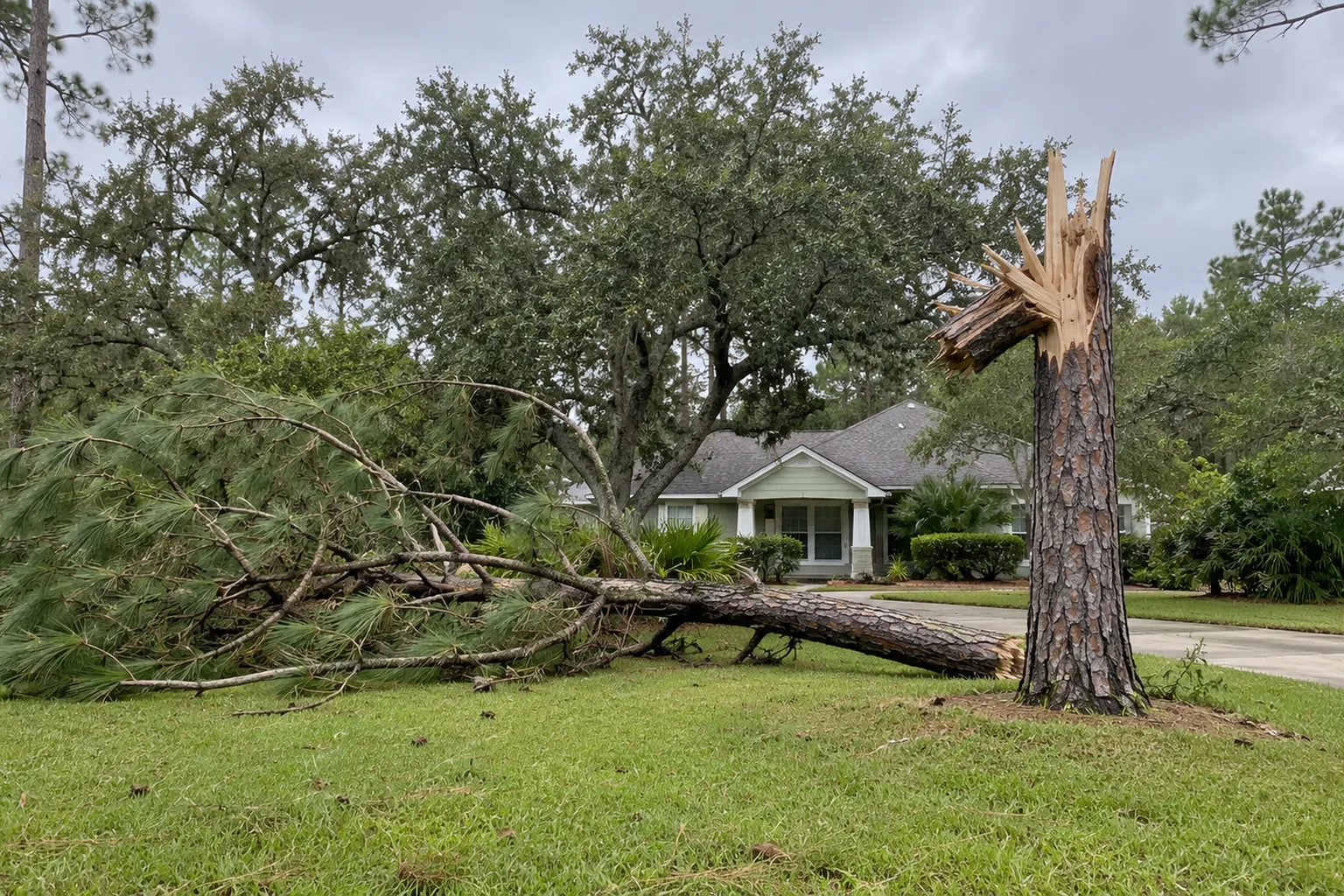
For snapped pine trees after a storm, start with clear notes. Describe what you can see from a safe indoor or distant spot. Keep trunk damage, fallen trees, insect questions, and blocked access on separate lines. Each calls for a different question when you seek help.
Use the latest National Hurricane Center advisory for current storm information. Follow local officials before planning tree work. A forecast does not establish damage at your address.
This guide helps Cantonment homeowners plan for possible tree damage, and follow local officials' instructions first, and the National Weather Service directs residents to local emergency updates, including Escambia County notices. Local storm statement.
What should you note about snapped pine trees?
Describe a visible trunk break separately from a fallen tree, and if you cannot see the base, leave that detail open, and use the storm cleanup guide for broader planning and the damaged tree page to frame your request, and your first task is a clear account of what is visible.
A useful note does not need a firm label, and you might write, 'The trunk looks broken above the fence.' You might instead write, 'The tree lies across the drive. I cannot see its base.' These examples describe views, not findings about your yard.
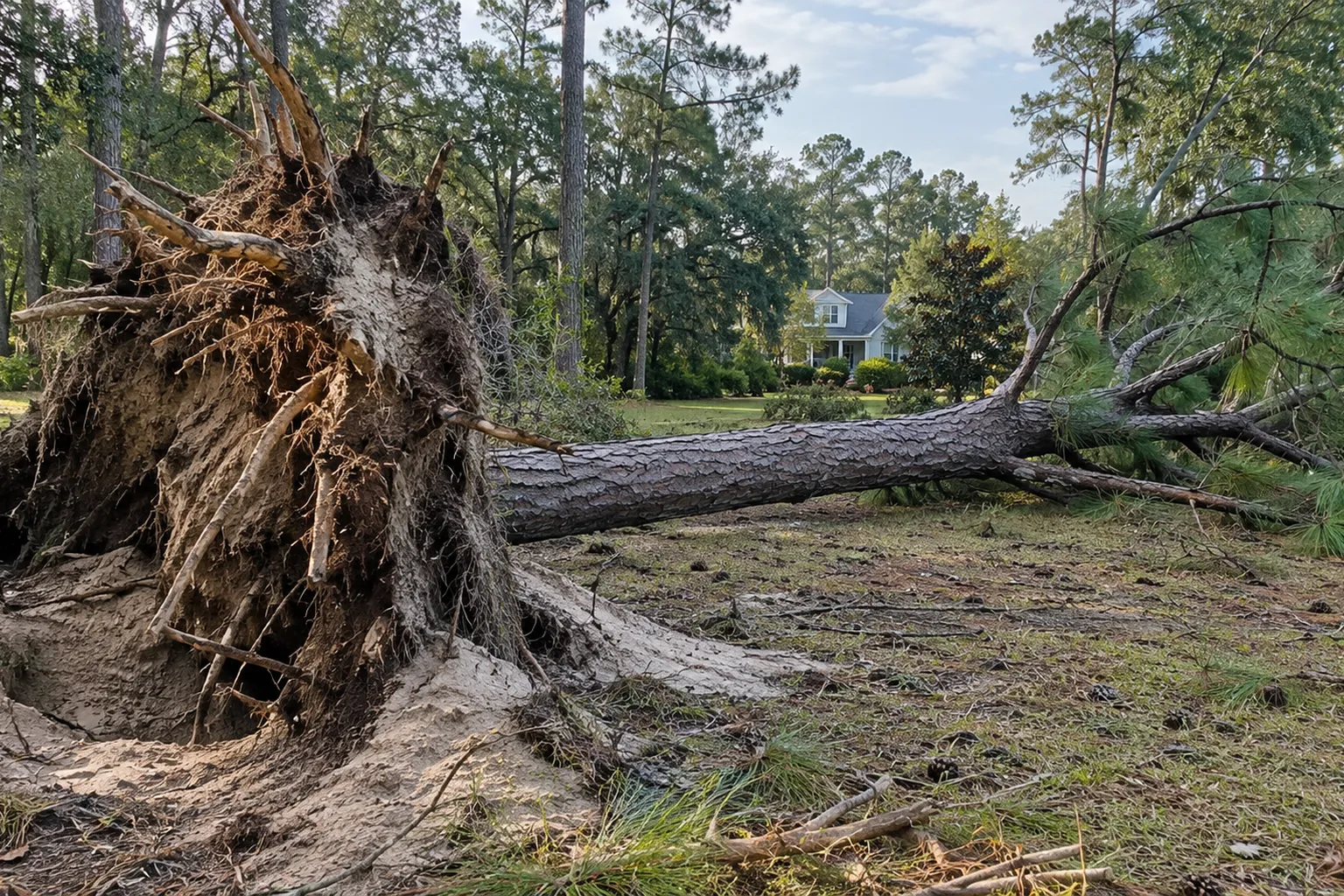
If you are unsure whether to call it snapped or uprooted, say so, and ask the person checking the tree to explain the difference in your case, and do not fill gaps with guesses about hidden roots.
UF/IFAS treats major trunk damage and fallen trees as distinct issues, and it says major trunk damage is often beyond repair, and its fallen-tree guidance also discusses tree size and broken roots, and those details need a tree-specific review. UF/IFAS tree guide.
- Name the tree by a fixed yard feature.
- Note whether you can see the trunk break.
- State which parts are hidden from your view.
- Keep a separate entry for each affected tree.
This makes the first call easier to follow, and it also helps you ask about the right tree when several tops and trunks overlap.
Can the pine stay, or does it need removal?
Ask for a reason tied to the tree's damage, and name the part that appears broken, then ask what that means for keeping it, and the tree removal page and hanging limb guide can help you separate the questions, and seek an explanation before you choose the work scope.
UF/IFAS says trees worth restoring should have intact structure, and it lists visible cracks and large wounds on main parts as concerns, and it also says major trunk damage is often irreparable, and these are reasons to ask about the trunk first. UF/IFAS recovery guidance.
The same guide says pines sprout very little or not at all, and that makes a promise of a new top worth questioning, and ask how a proposed recovery plan fits the actual pine. UF/IFAS pine guidance.
Keep your questions short and specific. 'What part rules out keeping this tree?' is useful. So is 'What supports the plan to retain it?' Ask for the reason in writing with the proposed work.
- Which tree does the recommendation cover?
- What damage supports that recommendation?
- Does the plan include later visits?
- What work is proposed now, and what comes later?
A clear answer helps you compare plans fairly, and it also keeps a broad yard cleanup from becoming an unexplained decision about every standing tree.
How should you raise a bark beetle concern?
Keep an insect question separate from the report of broken wood, and tell the person checking the pine what prompted your concern, and use the cleanup planning guide and storm work page to organize the call, and ask what evidence would support an insect finding for that tree.
The ISA tree-owner resource page includes a topic called 'Insect and Disease Problems.' It also lists storm damage and tree risk resources, and these are separate topics to bring into your questions. ISA owner resources.
Do not turn a concern into a claim in your notes, and write 'I have a beetle question' rather than 'These trees have beetles.' If someone else made that claim, record who said it, and ask what they saw and which tree they meant.
Keep any existing photos with the date you took them, and if you have an older yard photo, keep that too, and state whether your concern is about the broken pine or another standing tree, and do not let those two entries blur together.
- Which tree needs an insect check?
- What finding supports the proposed action?
- Is the work for trunk damage, insects, or both?
- What remains unknown at the time of the quote?
This keeps the choice tied to a stated reason, and it gives you a useful way to ask about beetles without naming a species, choosing a spray, or assuming nearby pines share the same problem.
What comes first when a pine blocks access?
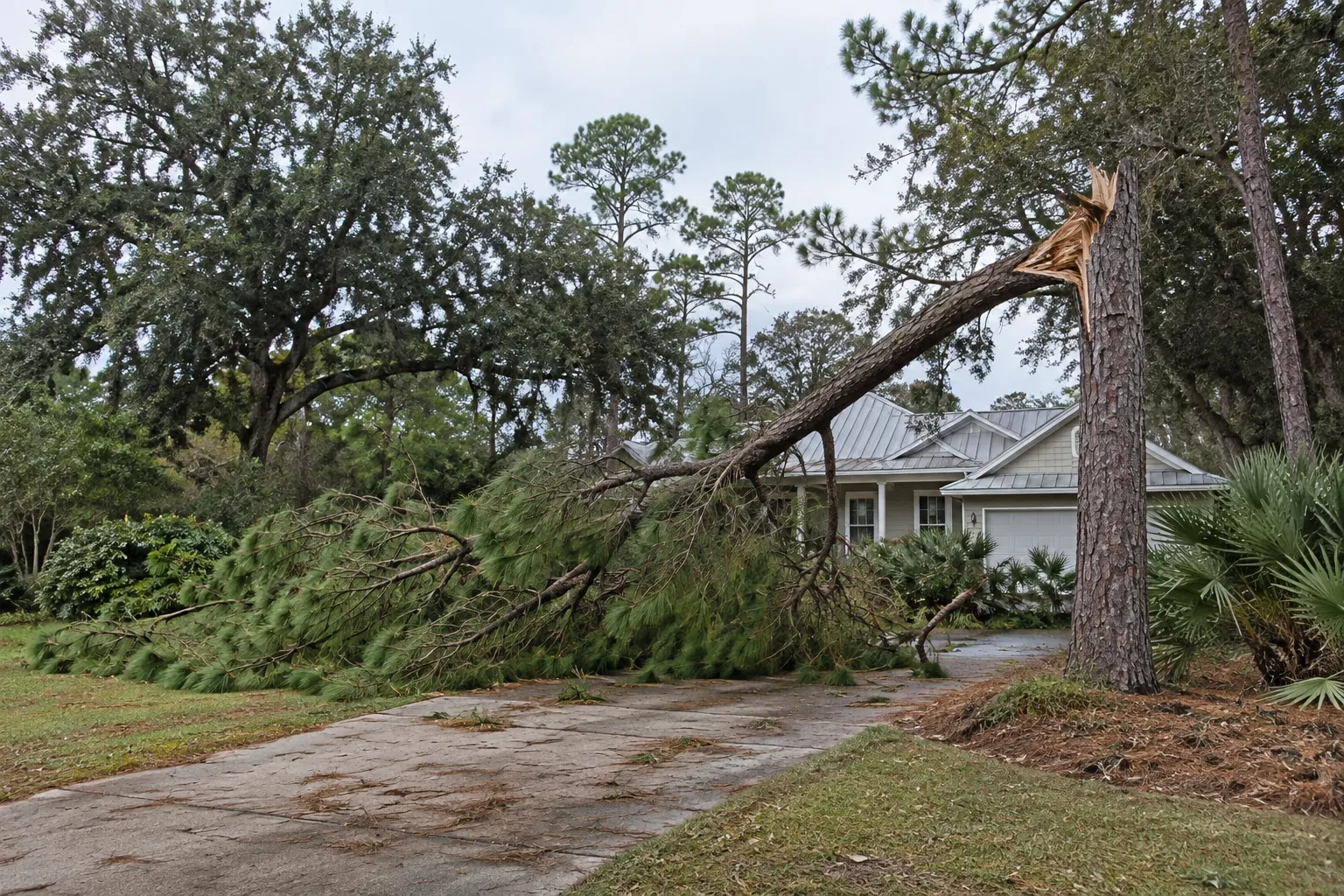
Explain the blocked route before asking for yard cleanup, and state whether it is the only entrance or a spare drive, and read the tree risk assessment and storm removal page when planning help, and ask who must handle the tree risks before anyone starts opening that route.
UF/IFAS says large hanging limbs and leaning trees that could strike people or homes need attention from a professional first, and it also says a qualified line-clearance arborist should handle limbs near power lines. UF/IFAS first steps.
That gives your access request a clear order, and describe the route and any visible line or hanging-limb concern, and leave cutting and work near lines to the appropriate trained people. UF/IFAS risk guidance.
- Check official instructions. Follow local directions before making plans to return. Local storm guidance.
- Name the blocked route. Say whether it serves the house, garage, or another area.
- Describe your view. Report what you can see from a safe indoor or distant spot.
- Explain the access need. State why that route matters and which entrance is affected.
- Ask for the first work scope. Request a clear description of the proposed access work.
Use landmarks rather than vague directions on the call. 'The pine crosses the drive beside the gate' is clearer than 'It is out front.' Tell the provider which entrance you normally use, and ask them to confirm the meeting plan before arrival.
Which photos and notes will help explain the damage?
Keep a simple record of the tree, its location, and your questions, and use only views you can get from a safe indoor or distant spot, and the damage photo guide and broken limb guide offer related reading, and aim for a clear account rather than a close inspection.
Give each tree a plain name in your notes. 'Pine beside the front gate' may be enough, and use that name on photos, messages, and quotes, and this helps avoid confusion when a provider discusses several trees.
Keep your own observations apart from other people's comments. A short note can state what you saw and when, and add a separate line for anything you were told, and leave blanks where your view does not show the answer.
- Keep original photos with their dates.
- Label each view with the same tree name.
- Note what the tree appears to block.
- List the questions you want answered.
- Keep quotes and later notes in the same folder.
Ask which records the insurer wants before assuming your folder is complete, and keep that request with your notes, and use the same tree names when discussing the photos and the proposed work.
How should you plan debris work around nearby trees?
Name the wood you want removed and the trees you hope to keep, and ask for both to appear in the work description, and the debris work page and tree risk assessment provide related context, and set out the desired result before comparing quotes for the cleanup.
UF/IFAS warns against adding stress by injuring trunks, branches, or roots during cleanup, and ask how the proposed work will account for trees that remain. UF/IFAS cleanup guidance.
Do not assume that 'remove the pine' defines the whole job, and ask the provider to list what the phrase includes, and you can request separate lines for trunk sections, branches, hauling, and stump work, and these are scope questions, not promises about a service package.
- What wood will leave the property?
- What material will remain after this visit?
- Is stump work included in the quote?
- Where does the provider propose to place material?
- Which nearby trees are included in the review?
Read those lines against your own list. A quote for access work may not match a request for full yard cleanup, and ask about each gap before choosing between them.
What should a clear quote and agreement include?
Compare written work descriptions before you compare totals, and make sure each quote names the same trees and requested tasks, and the removal service page and record keeping guide can help frame your list, and ask for any missing scope or price detail before signing an agreement.
Use the same short request for each provider, and name the pine, the blocked route, and the desired debris result, and ask each provider to mark any task they have left out, and that makes the comparison easier to understand.
- Does the quote name the correct tree?
- Are access work and hauling clearly described?
- Are spoken promises also written down?
- Are start and finish dates stated as estimates?
- Is the payment schedule clear?
Keep a copy of the agreed scope with your tree notes, and if the proposed work changes, ask for the new description and price in writing.
What should you ask after the first cleanup visit?
Ask which trees were checked and which questions remain open, and keep follow-up work on its own list, with a reason for each task, and the regional cleanup guide and photo record guide can help organize that list, and request clear next steps for any tree being kept.
UF/IFAS says tree restoration often takes more than one pruning visit, and it also says age, health, size, species, and damage affect recovery, and ask how those factors shape the plan for each retained tree. UF/IFAS restoration guide.
Keep the answers with the first quote and work record, and name the person or company to contact with later questions, and ask whether the next visit is already part of the agreement.
- Which trees were included in the first visit?
- Which trees still need a separate review?
- What should you report from a distant view?
- When does the provider suggest checking back?
Request advice tied to your trees rather than a general promise. A written follow-up plan gives each later task a clear purpose, and it also helps you track which questions have been answered and which still need attention.
Frequently Asked Questions
These answers focus on decisions you can discuss when seeking help, and keep each question tied to a named tree and a clear work request, and the storm work guide and hanging limb page offer related context, and bring any unanswered question into your next conversation about the property.
Can a pine grow a new top after the trunk snaps?
Do not count on a new top when choosing a plan. UF/IFAS says pines sprout very little or not at all, and it also says major trunk damage is often irreparable, and ask how the remaining tree supports any proposal to keep it. UF/IFAS pine recovery guidance.
What if I cannot tell whether the pine uprooted?
State what you can see and leave the label open, and note the tree's location, its position, and whether its base is hidden, and ask the person checking it to explain the root question. UF/IFAS discusses broken roots when considering fallen trees. UF/IFAS fallen-tree guidance.
Should I request removal of nearby pines for beetles?
Ask for a tree-specific reason before adding them to the request, and name the pine that prompted the concern and ask what finding supports the proposed work, and keep insect questions separate from trunk damage. ISA lists insect and disease information among its owner resources. ISA tree-owner resources.
Can I cut the tree to open the drive?
Arrange help rather than use this guide as cutting instructions, and describe the blocked entrance and visible concerns. UF/IFAS says large hanging limbs and leaning trees need professional attention first, and it calls for a qualified line-clearance arborist when limbs are near power lines. UF/IFAS risk guidance.
What should the written work plan include?
Ask the provider to identify the trees, tasks, access needs, hauling, and excluded work in writing. Compare that list with your own notes before signing. Keep later care separate from the first cleanup visit. Ask for reasons tied to each tree rather than treating a general storm guide as a work order.
Related Reading And Scope
See the Pensacola tree guide and tree risk assessment guide for related background.
For related reading, see the Pensacola tree guide and tree removal guide. For a property outside Volusia or Flagler County, contact a local tree professional.
Florida Foliage is a Daytona Beach tree service that works with an ISA Certified Arborist consultant. For a property in Volusia or Flagler County, call (386) 481-7913 to request an estimate.
Drafting disclosure: This article was drafted with AI assistance using public sources. It does not independently verify live forecasts, site conditions, pickup notices, or insurance coverage. Check current details with the responsible agency or a qualified local professional.
Call (386) 481-7913 to talk through next steps.