Reviewed by Clinton Funk
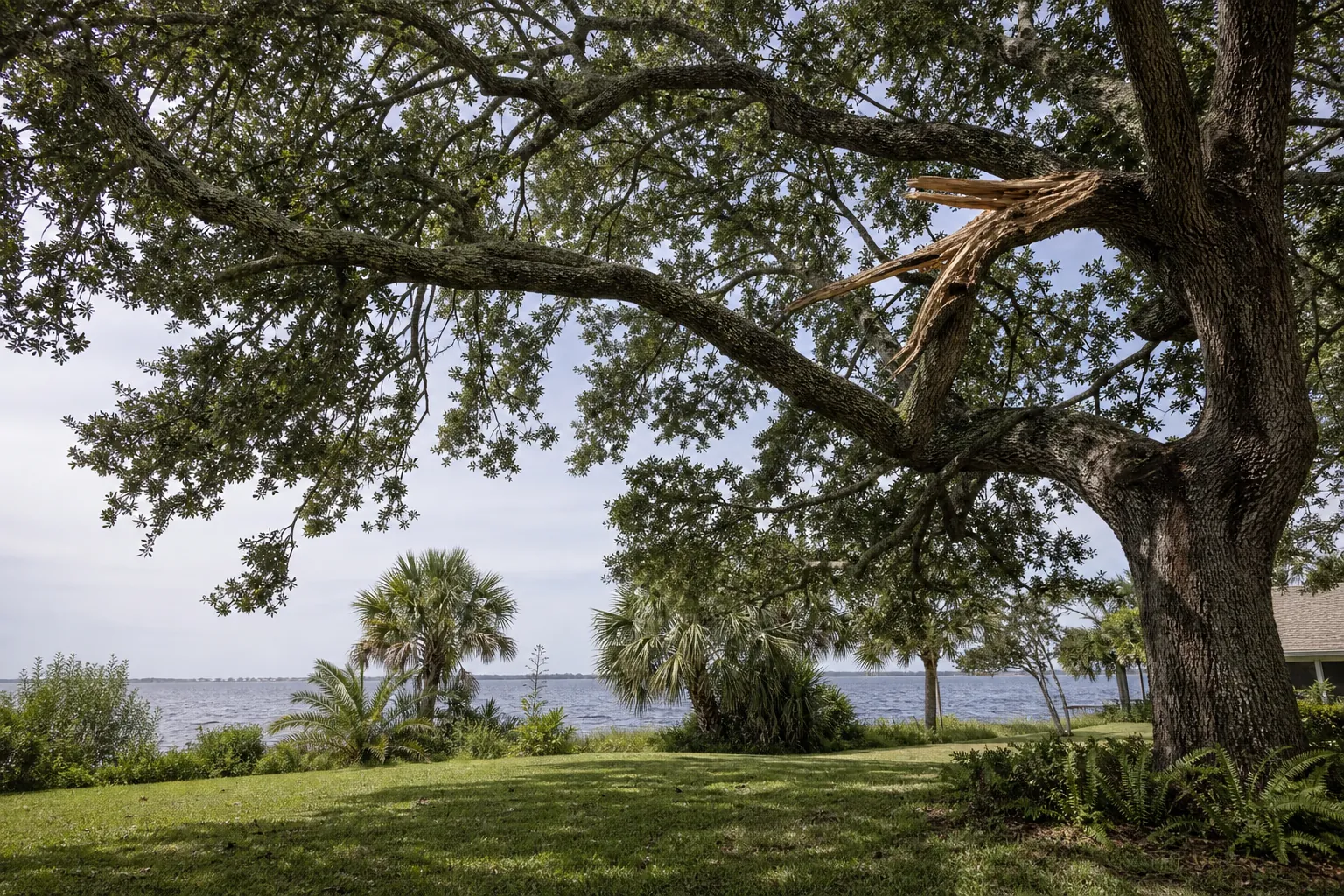
Hanging limbs in Pensacola call for help before yard cleanup. UF/IFAS lists large hanging limbs among storm risks that a professional should handle first, and they could fall on a person or hit a house (Read the UF/IFAS guide).
Use current official information before planning tree work. Check the National Hurricane Center advisory and NWS Mobile for current forecasts. Follow local officials for access and emergency instructions. Forecasts do not establish damage at a particular property.
Use this guide to sort your notes and questions, and start with what you can already see from indoors or a distant place. A useful call does not need a close view.
What do hanging limbs in Pensacola need first?
Large hanging limbs need expert help before other tree cleanup, says UF/IFAS (Read its first steps), and use our storm cleanup guide to organize the wider task, and our storm tree help page gives you a place to start a work discussion, and first describe the limb and what lies beneath it.
You may hear someone call the limb a widowmaker. For your first note, plain words are more useful. Say where the wood hangs and what you see. There is no need to choose a label.
For example, write: “A broken branch hangs above the front path.” Add whether that path serves the main door, and this tells the person taking your call about daily access.
- Name the part of the yard in view.
- Note the door, path, or drive below it.
- Say which part of the branch you cannot see.
- List the questions you want the visit to answer.
UF/IFAS says hanging and detached limbs should be removed first to prevent falls and injury, and that gives your work request a clear starting point, and ask for the hanging wood to be addressed before discussing the tree's final shape (See the canopy cleanup guidance).
Should you wait for the limb to fall?
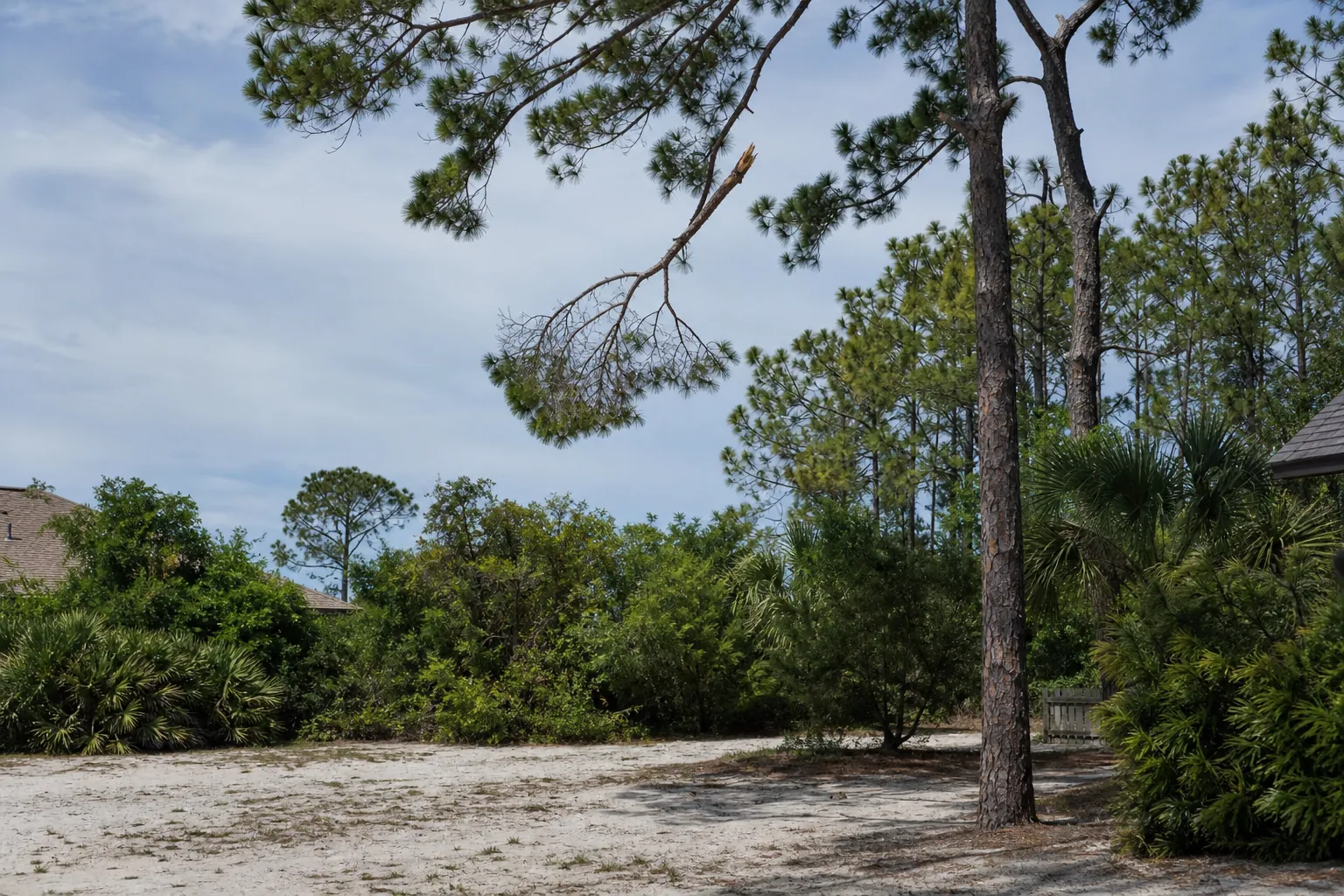
Plan for expert help rather than making a fall your next step. UF/IFAS puts hanging limb removal first (Read the cleanup priorities), and our cleanup guide helps frame that request, and the save or remove guide covers the separate question of keeping the tree.
If the wood still hangs, keep that fact in your note, and write when you first saw it, and add the time of any later view you already have, and these entries form a simple record of what you saw.
A time log need not explain why anything changed. “Still hanging at noon” is a useful entry. “It looks lower in this view” is another, and keep each entry tied to its date and viewpoint.
- Save the first description instead of replacing it.
- Add new observations as separate dated notes.
- Tell the crew if the view is now blocked.
- Ask which task they propose to address first.
Keep weather updates apart from your yard notes. NWS Mobile directs residents to follow local officials and check emergency management for current instructions (Read that advice) and use Escambia's storm information.
When you call, explain that the limb remains in place, and ask what happens next and who will arrange the visit.
What should you ask about bent wood and rigging?
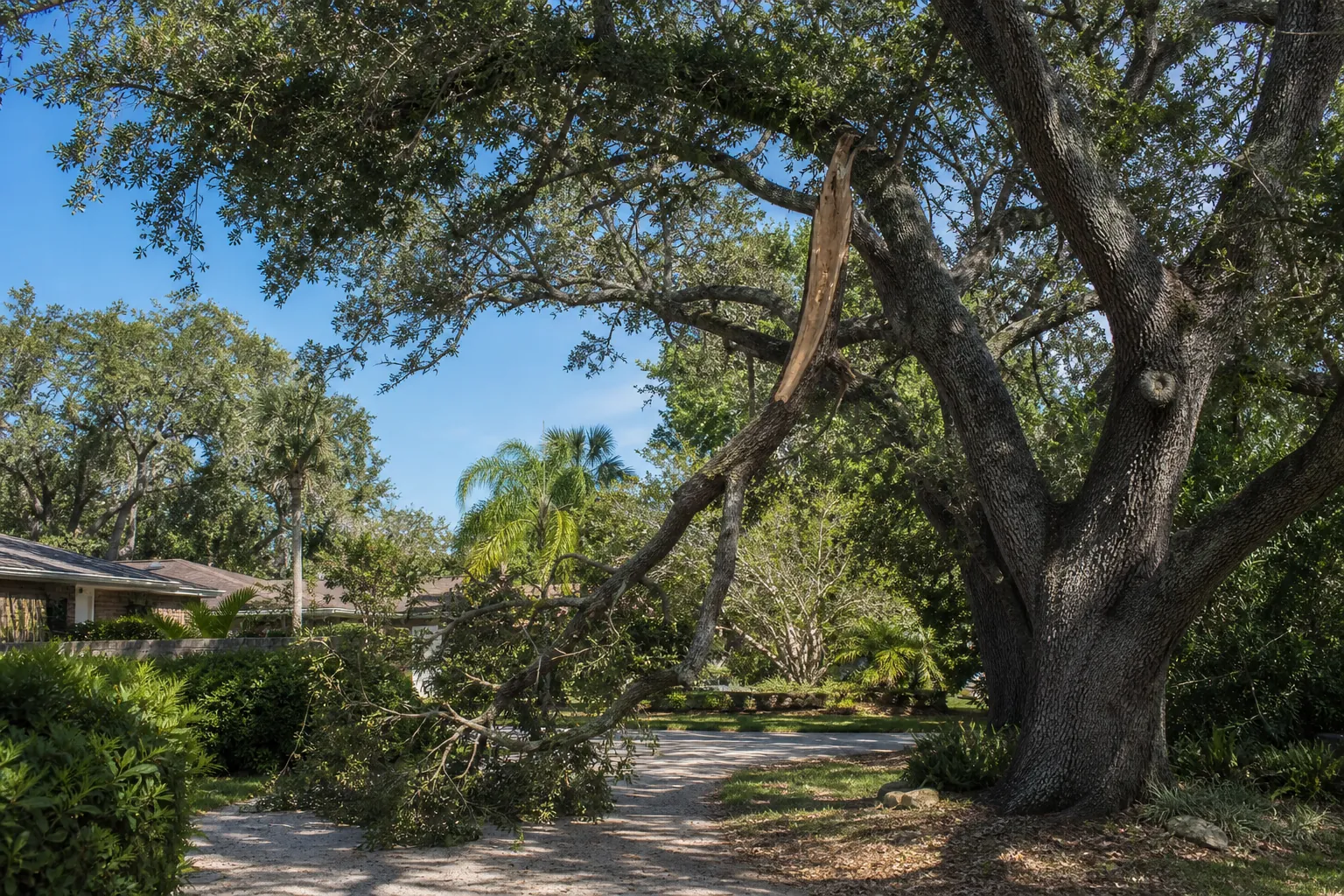
Ask the tree expert to explain the work plan. UF/IFAS assigns large hanging limb risks to professionals (Read its guidance), and use our tree risk assessment for related questions, and our storm tree help page supports a discussion of the proposed job and its scope.
You do not need to choose tools before calling, and describe any bent wood you can already see, and use its location to make the note clear, and for example: “Bent wood is beside the fence.”
If a crew uses the term spring pole, ask which piece they mean, and if they propose rigging, ask which part of the job it covers, and request a plain explanation of the plan, and keep that explanation with the written scope.
- Which hanging piece does this plan address?
- Does the plan also address the bent wood?
- How do you propose to reach the work area?
- What else needs a separate visit or decision?
For this job, ask that each piece be named clearly. “Branch above the drive” is easier to match to your concern than “yard work.” Have unclear terms explained before you agree to the scope.
What changes when a roof or line is nearby?
Put possible line involvement at the start of your call. UF/IFAS says a limb near power lines needs a qualified line-clearance arborist (Read its warning), and our tree assessment background addresses building concerns, and the storm removal page helps you frame the request for tree work.
UF/IFAS warns that work near electrical lines is dangerous and can be fatal, and it also lists limbs that could hit a house among risks for professional attention first (See these first-step warnings).
Keep your description tied to what is visible. “A line is beside the branch” leaves room for uncertainty, and if the view is blocked, say that too, and do not turn a partial view into a firm claim.
- State whether a roof is beneath the wood.
- Note any visible line in the same area.
- Say whether contact is visible or unclear.
- Ask who will handle the line-related concern.
For roof contact, name the part of the building, and use “porch roof” or “garage roof” if that is clear, and ask the crew what their tree work covers, and list any building questions separately for the person handling those repairs.
This keeps two requests from blending into one, and your tree work scope can then name the limb, while the building request names the visible concern.
What can you record from a distant view?
Record the location, visible wood, nearby features, and gaps in your view, and our storm cleanup guide helps keep the full task in order, and our tree assessment background supports questions about a building, and use words or images you already have. A close photo is not needed to begin the conversation.
A short note can be easier to use than many photos, and give each concern its own line, and keep the address and best contact details together, and add the door or drive that helps identify the location.
- Name the tree's location using a clear yard feature.
- Describe the hanging wood in plain, brief words.
- List the roof, path, fence, or line in view.
- State which parts of the scene you cannot see.
- Add the date and time to existing images.
- Write the questions you need the visit to answer.
For example: “The branch hangs above the garage drive. A fence is behind it. I cannot see its upper end from this window.” This describes the view without guessing the branch's weight or condition.
Keep original images with their dates, and give each file a short, clear name. “Garage drive, morning view” is enough, and you can send a brief list of those names with your note.
If you have no image, say so, and offer the written description instead, and ask what other information the office needs to arrange the next step.
Does one hanging limb mean the whole tree must go?
A hanging limb does not settle the whole-tree question. UF/IFAS says trees can recover despite several broken limbs, while major trunk damage is often beyond repair (Read its recovery guidance), and use our save or remove guide and tree removal page to prepare separate questions about each choice.
Keep the immediate limb task apart from the longer plan, and ask what the first visit includes, and then ask what information will guide the choice to keep or remove the tree.
UF/IFAS says recovery depends on age, health, size, species, and damage, and it also says restoration often needs more than one pruning visit (See the recovery factors).
- What findings support keeping or removing this tree?
- Is this estimate for the limb or whole tree?
- Would a later visit have a separate scope?
- What should the longer plan include?
For immediate cleanup, UF/IFAS calls for removing unacceptable risks and broken limbs, and it advises against major pruning to change tree structure at that stage (Read the response plan).
Use that distinction when reviewing the proposal, and ask why each task belongs in the first visit, and keep later work on a separate list, with its purpose explained, and this helps you understand what you are being asked to approve.
What should the written work scope include?
Start with the hanging limb's location, and then ask how the quote handles the resulting debris, and make the work boundary clear, and if the quote covers more than one tree, ask for each to be named. Related reading: tree risk assessment, and Pensacola guide.
- The branch or tree included in the work.
- The debris work included in the price.
- The proposed start and completion dates.
- The payment schedule and contact details.
- Any task left for a separate decision.
If a call changes the proposed work, request an updated copy, and keep that copy beside the earlier one, and mark which version you are reviewing, and this gives you a clear record of the job discussed.
A useful scope should answer your main question: Which hanging wood will this job address?
How can you compare offers without rushing?
Put each offer beside your original limb note, and check whether all cover the same tree and debris work, and mark missing details as questions. A price comparison is clearer once those questions have answers. Related reading: tree risk assessment, and Pensacola guide.
- Does each offer name the same hanging limb?
- Are debris tasks included in each scope?
- Are the proposed dates written down?
- Are later visits separate from this job?
For tree care questions, ISA provides owner resources on hiring an arborist, pruning, and storm-related damage (Browse the ISA resources).
Keep each company's answers with its estimate, and note the date and person you spoke with, and when an answer differs from the written offer, ask for the offer to be clarified, and then review the complete scope.
Frequently Asked Questions
Focus your remaining questions on the limb, the work scope, and the next decision, and our storm tree help page supports the immediate work request, and our cleanup guide helps organize other tasks, and these common questions can help you make a short call list without choosing tools or cuts yourself.
Can I pull the limb down with a rope?
Arrange expert help rather than planning a rope removal. UF/IFAS says large hanging limbs should be handled by a professional before other cleanup (Read its first-step advice), and describe the limb and its location when you call, and ask the crew to explain its proposed work in plain words.
Do green leaves settle whether the tree can stay?
No, and the recovery decision includes more than foliage. UF/IFAS lists age, health, size, species, and damage as factors, and it also discusses the importance of intact tree structure (Read the recovery guidance), and ask which findings support the proposed choice and whether later care would be part of keeping the tree.
What if my car is beneath the limb?
Include the car's location in your first call, and ask the tree expert to address that concern when planning the job. UF/IFAS identifies large hanging limbs as risks requiring professional attention first (Read its risk guidance), and state where the car sits and which door or drive you normally use.
Can the hanging limb be addressed before later tree care?
Yes. UF/IFAS separates immediate risk removal and canopy cleanup from later restoration work, and it says major pruning to change structure should not be the initial focus (Read the response plan), and ask for the first visit's scope and any later care to be explained as separate parts of the proposal.
What should I send if I have no clear photo?
Send a short written note with the address, limb location, and nearby features, and say which parts you cannot see, and add your main questions and contact details, and ask what else is needed to arrange a visit, and you can begin that conversation without a photo or a guess about the removal method.
Related Reading And Scope
See the Pensacola tree guide and tree risk assessment guide for related background.
The Emerald Coast tree cleanup guide covers the wider Florida coast. For nearby Alabama, read the coastal Alabama storm cleanup guide.
For related reading, see the Pensacola tree guide and tree removal guide. For a property outside Volusia or Flagler County, contact a local tree professional.
Florida Foliage is a Daytona Beach tree service that works with an ISA Certified Arborist consultant. For a property in Volusia or Flagler County, call (386) 481-7913 to request an estimate.
Drafting disclosure: This article was drafted with AI assistance using public sources. It does not independently verify live forecasts, site conditions, pickup notices, or insurance coverage. Check current details with the responsible agency or a qualified local professional.
Call (386) 481-7913 to talk through next steps.