Reviewed by Clinton Funk
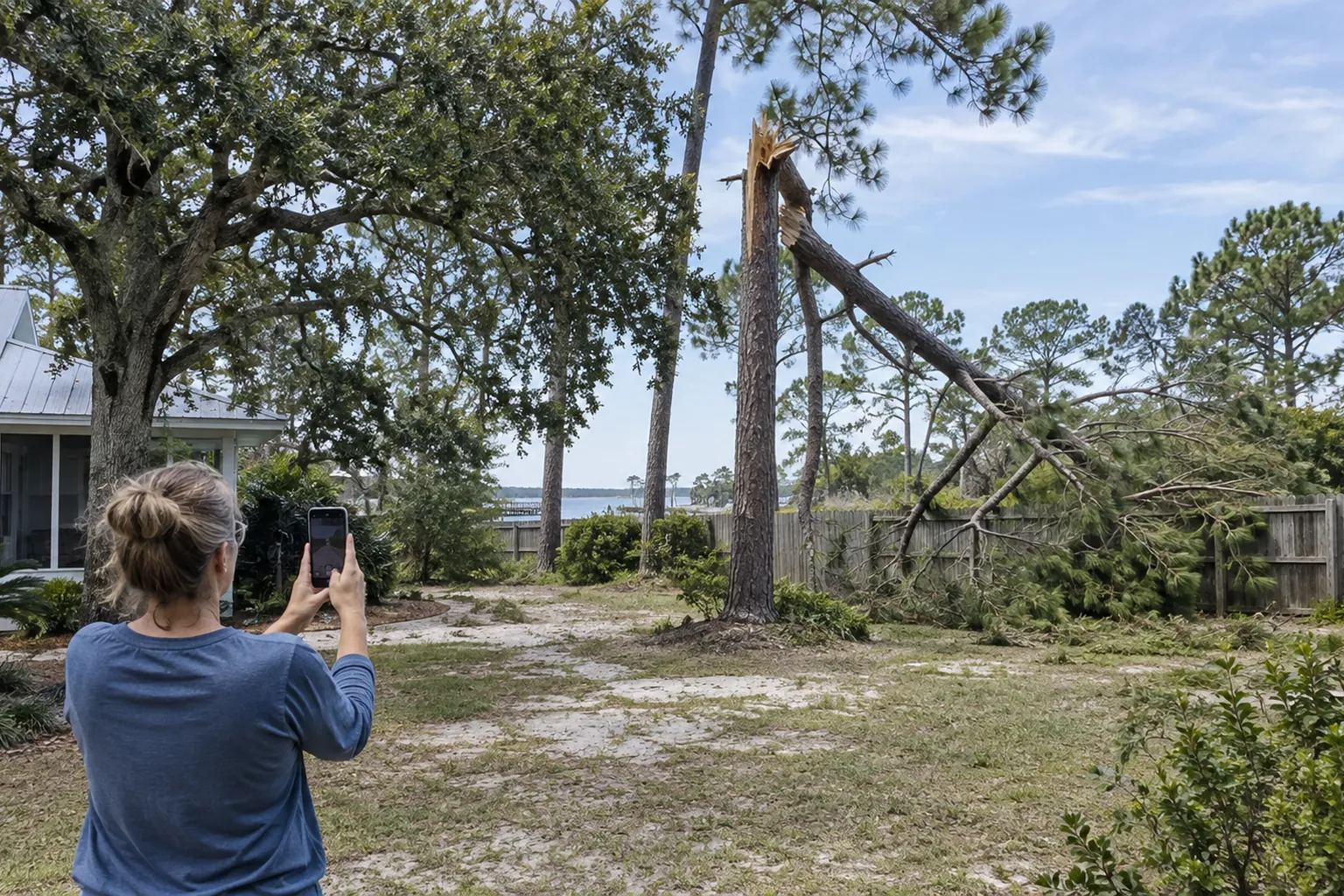
Keep tree damage photos in one clear file for your Pensacola home. Add short videos, dated notes, work records, and receipts. Give each tree or area a simple name, and ask your insurer what it wants you to send. Use this guide to plan that file from a safe indoor or distant view.
Use the latest National Hurricane Center advisory for current storm information. Follow local officials before planning tree work. A forecast does not establish damage at your address.
That forecast does not describe damage at your home, and keep storm reports apart from your own dated observations, and your file should show what you saw, when you saw it, and which parts remain unknown.
When should you start your photo file?
Start with the records you already have at hand, and sort old yard photos, write down questions, and make a blank note sheet, and the storm cleanup guide gives broader context, and for a tree touching a building, keep the tree assessment background with your questions about access and work.
Follow local orders before making plans to return, and the official advisory says, “Promptly follow evacuation and other instructions from local officials.” National Hurricane Center, and the local storm statement points Escambia residents to county storm information.
Leave gaps in the file when views are unavailable. A blocked view is a fact worth noting, and it does not need a guess or a closer look.
UF/IFAS identifies large hanging limbs and leaning trees as risks, and it states, “These situations should be taken care of by a professional before anything else.” UF/IFAS storm tree guide.
Use this order to build the record:
- Gather old photos and label their known dates.
- Give each visible tree or area a short name.
- Save available views from a safe indoor or distant place.
- Write the date and time of your own observation.
- List places you could not see and questions to ask.
- Add later work records under the same area names.
Keep your first sighting separate from the event time, and if you were away, say so in the note, and use “first seen” rather than claiming when something fell.
How should you sort tree damage photos?
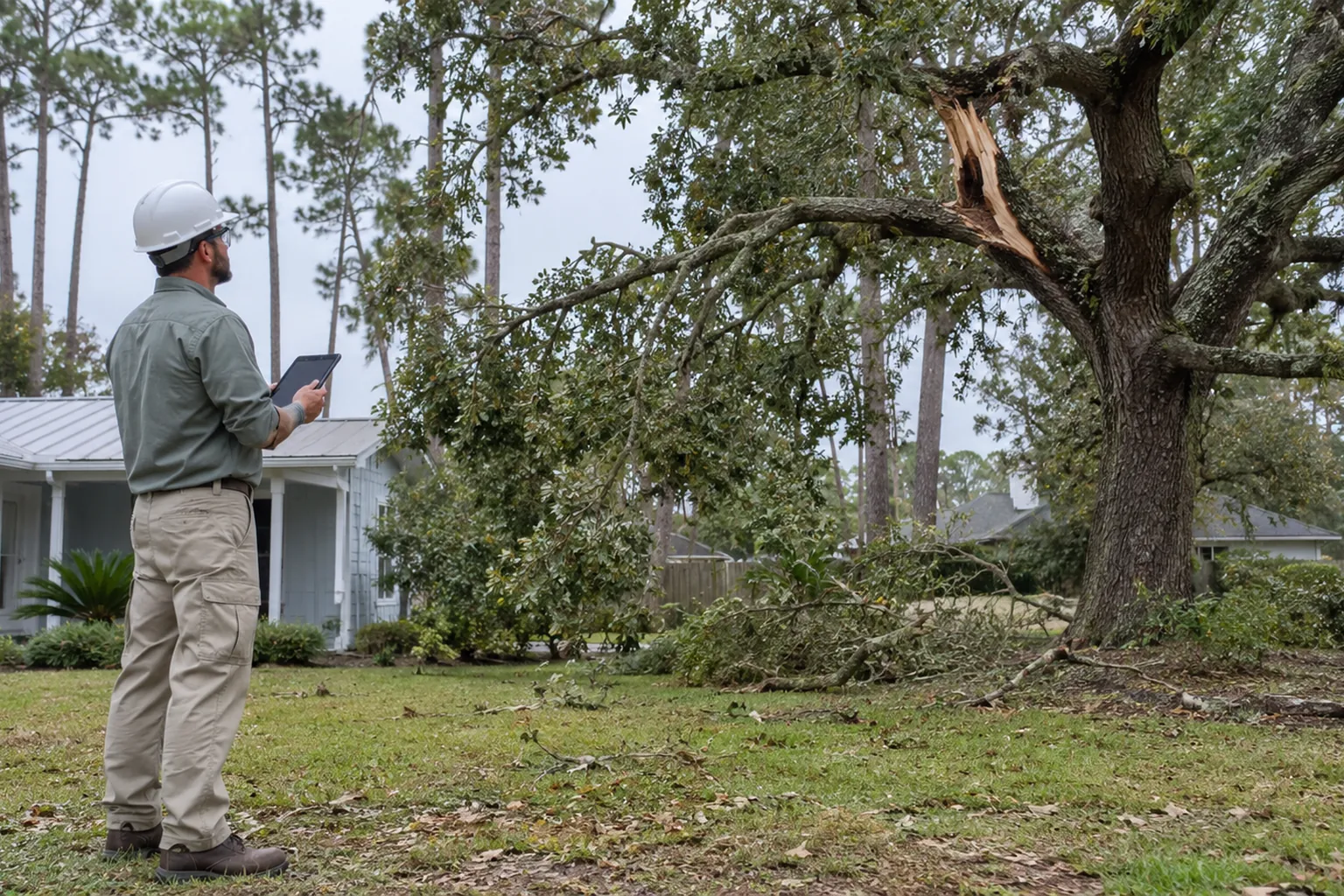
Sort photos by place, then by the date taken, and use a broad view to name the area, and add visible details under that same name, and the tree assessment background and hanging limb guide offer related topics for your question list, and keep unseen parts marked as unknown rather than filling gaps.
A simple label can link several views together. “Tree A, rear fence” needs no species name, and use the same words in notes and work records, and that saves a reader from guessing which tree you mean.
Choose photos that answer a different question each time:
- Where is it? Pick a broad view with a fixed landmark.
- What can you see? Add visible details from the available view.
- What is hidden? Note the part outside your view.
- When was this taken? Use the known date, or mark it unknown.
- Who took it? Name the source of a shared photo.
- What changed? Pair later views with the same area label.
Keep your notes about appearance separate from tree findings. UF/IFAS says restoration requires an intact structure without visible cracks or large wounds on key tree parts. UF/IFAS storm tree guide, and use that distinction to ask what a tree expert found, and do not turn a distant photo into a verdict.
Keep old and new photos in separate groups, and if an old photo has no known date, say that, and do not label it “before the storm” without knowing.
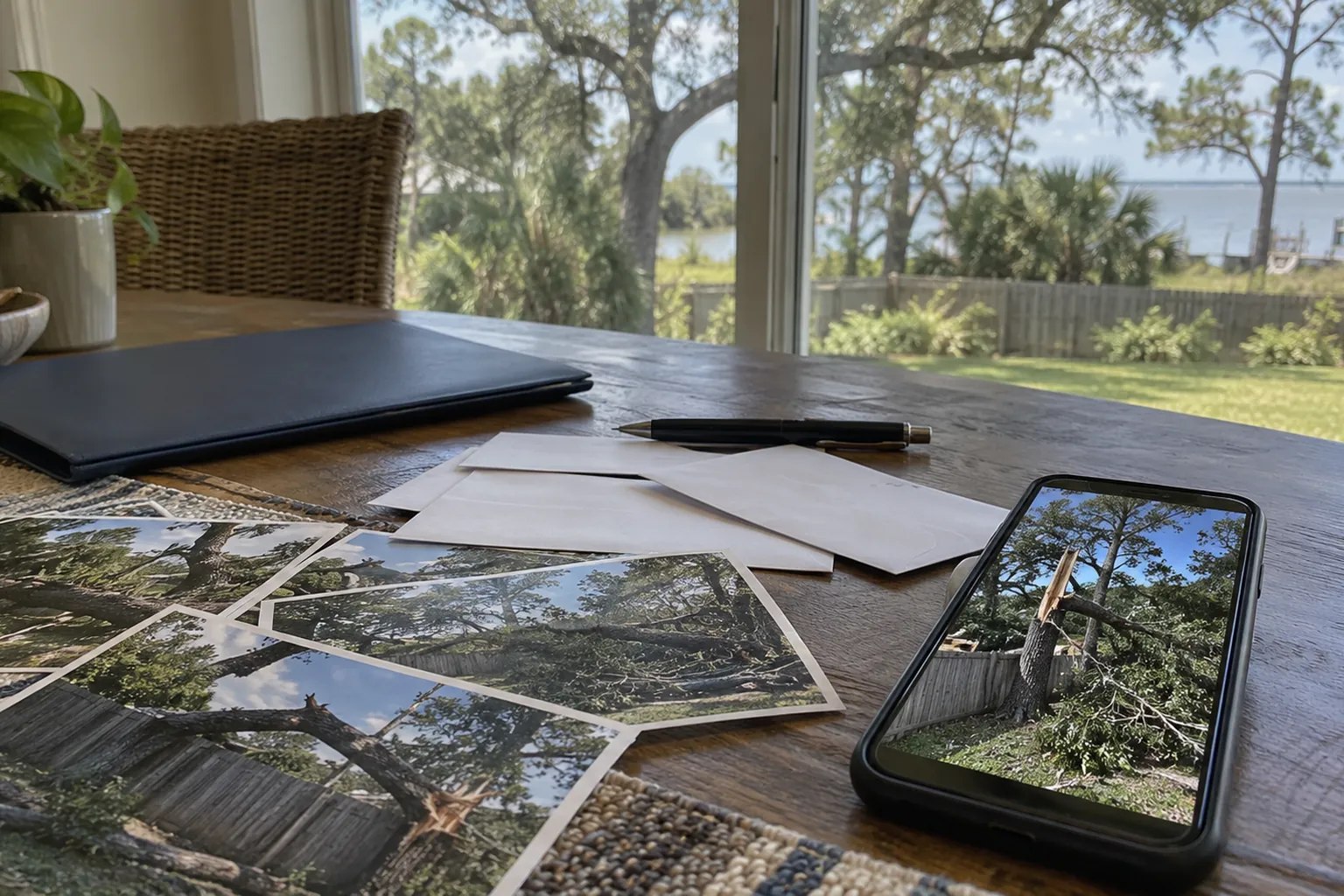
Save the plain photo alongside any labeled copy. A short note can point to the rear fence, and it need not cover the scene with arrows or text, and keep views that show the setting as well as individual details.
How can video and notes explain the scene?
Use a short video to link the views you have, and add notes for dates, names, and parts outside the frame, and keep the cleanup overview and storm removal page nearby as you list questions about later work, and describe what is visible, and leave the cause open for review.
Plan the clip from the view already available to you, and give the area name before describing the scene. “This is Tree A beside the rear fence” works, and follow with a plain statement about what you see.
Do not add a cause just to complete the story, and write “I saw this when I returned” if that is true, and write “I did not see the tree fall” if needed, and those statements draw a clear line around your knowledge.
Use one short note sheet for each area:
- The area name used in your photo file.
- The date and time you made the note.
- The view shown in each photo or clip.
- The parts hidden from that view.
- The person who supplied any later images.
- The next question you want answered.
Keep a separate log for calls and messages, and write the person's name and the date of contact, and add the question, reply, and next step in plain words, and if the reply is unclear, mark it for follow-up.
As work progresses, add a new dated entry, and keep the first note as it was written, and if you correct a detail, explain the change below it, and that keeps an honest record of what you knew then.
Which receipts and work records should you keep?
Keep written estimates, agreed work details, invoices, and receipts together, and match each record to the tree or area it names, and the hurricane removal page and tree assessment background can help you frame questions about proposed work, and ask for plain wording when a job description leaves you unsure what is included.
- Estimate: Keep the proposed work and its date.
- Agreement: Save the version you reviewed and signed.
- Changes: Keep later written changes with that agreement.
- Invoice: Match it to the named job or area.
- Receipt: Keep it beside the related invoice.
- Photos: Link shared work images to their source.
A vague phrase such as “yard cleanup” leaves questions open, and ask which tree it refers to and what work is listed, and ask whether debris handling is included in that description, and keep the reply with the estimate rather than relying on memory.
Keep unrelated yard requests under their own clear labels, and this helps you discuss each task without mixing the records, and ask your insurer which records it wants for your file.
What should you ask for in a tree report?
Ask for a dated report that names the tree, and request the findings, limits of the visit, and reasons for the proposed work, and use the save or remove guide and limb guide to frame follow-up questions, and match the report to your photos without adding conclusions of your own.
Send the tree names used in your record, and ask the person writing the report to use those names, and if their labels differ, make a short cross-reference note, and this helps connect “rear tree” with “Tree A, rear fence.”
Ask these questions before filing the report:
- Which tree and date does this report cover?
- What did you observe during the visit?
- Which parts could you not examine?
- What work do you propose, and why?
- Does the plan include later visits?
- Which questions remain open after this visit?
UF/IFAS states, “Restoration typically requires more than one pruning to develop strong tree structure”. UF/IFAS restoration guide, and if restoration is proposed, ask how later visits fit the plan, and keep that written plan with the report and estimate.
For a limb near power lines, UF/IFAS calls for a qualified line-clearance arborist. UF/IFAS power line guidance, and treat that as a question about who will handle the work, and it is not a reason to seek a closer photo.
Keep a tree report under the tree's own label, and keep any separate home report under the affected building area, and ask each writer what their report covers, and leave unanswered questions on your list rather than borrowing an answer from another report.
What should you ask your insurer about your policy?
Ask your insurer what your own policy covers, and then ask which records it wants and how to send them, and keep the storm guide and tree assessment background with your planning notes, and describe the visible scene in plain words before asking about proposed work, costs, or the next step.
Use separate questions for each part of the job:
- Which part of my policy are you referring to?
- What photos or notes do you want me to send?
- Do you want the tree report and written estimate?
- What should I ask about tree removal costs?
- What should I ask about debris handling or repairs?
- Is there a date or next step I should record?
These are questions, not a list of policy rules, and leave room beside each one for the insurer's answer, and ask it to explain terms you do not understand, and request written details when a reply affects your next step.
Make a short cover note for the files you send, and name the area, list the records, and state what remains unseen, and avoid repeating the whole story in every attachment, and use the same tree names throughout the submission.
Keep a copy of your message and the reply, and if the insurer requests more detail, add that request to your list, and if a new area comes to light, ask how to add its records, and do not assume the first reply addressed facts you had not yet shared.
Frequently Asked Questions
Keep each answer tied to the scene you can describe, and missing views, shared photos, and later changes need clear labels, and the tree decision guide and removal page provide related reading for your questions, and the five answers below focus on keeping a useful record without guessing at unseen damage.
Should I have photos from before removal?
Keep any available photos that show the earlier scene, and label their dates and the tree or area shown, and if that view is missing, write a short note explaining the gap, and ask the crew whether it has work photos to share, and add the source and date to those images rather than presenting them as your own.
What if the roof is hidden by the tree?
Record that the roof area is hidden in your view, and keep the photo that shows that limit, and ask the people handling the work what later records they can share, and put those under the same area name, and leave the unseen roof condition as an open question until you have a report or clear later record.
How should I label a tree from next door?
Use a location label that describes your available view. “Tree beyond rear fence” avoids a claim about ownership, and state what you know and leave uncertain details open, and keep images from your safe indoor or distant view, and ask your insurer how it wants that location described, and save its answer with the matching photos.
What if I notice a change later?
Add a new dated note under the same tree name, and describe the visible change without naming its cause, and keep earlier photos beside the new record for comparison, and ask whether a follow-up visit is needed. UF/IFAS says severely damaged trees should be monitored for recovery or decline. UF/IFAS follow-up guidance.
Who can answer questions about insurance coverage?
Use your policy and speak with your insurer or agent about coverage. Keep that reply apart from the contractor's work scope. The Florida insurance overview explains that debris and tree removal coverage can have limits. Save the reply with the date and contact name. A work estimate alone does not confirm policy coverage.
Related Reading And Scope
See the Pensacola tree guide and tree risk assessment guide for related background.
Keep one index at the front of your file, and list each area and the records held for it, and mark open questions clearly so they are easy to find, and add replies and work records as they arrive, and you can then explain the scene without having to rebuild the timeline from memory.
The Emerald Coast tree cleanup guide covers the wider Florida coast. For nearby Alabama, read the coastal Alabama storm cleanup guide.
For related reading, see the Pensacola tree guide and tree removal guide. For a property outside Volusia or Flagler County, contact a local tree professional.
Florida Foliage is a Daytona Beach tree service that works with an ISA Certified Arborist consultant. For a property in Volusia or Flagler County, call (386) 481-7913 to request an estimate.
Drafting disclosure: This article was drafted with AI assistance using public sources. It does not independently verify live forecasts, site conditions, pickup notices, or insurance coverage. Check current details with the responsible agency or a qualified local professional.
Call (386) 481-7913 to talk through next steps.