Reviewed by Clinton Funk
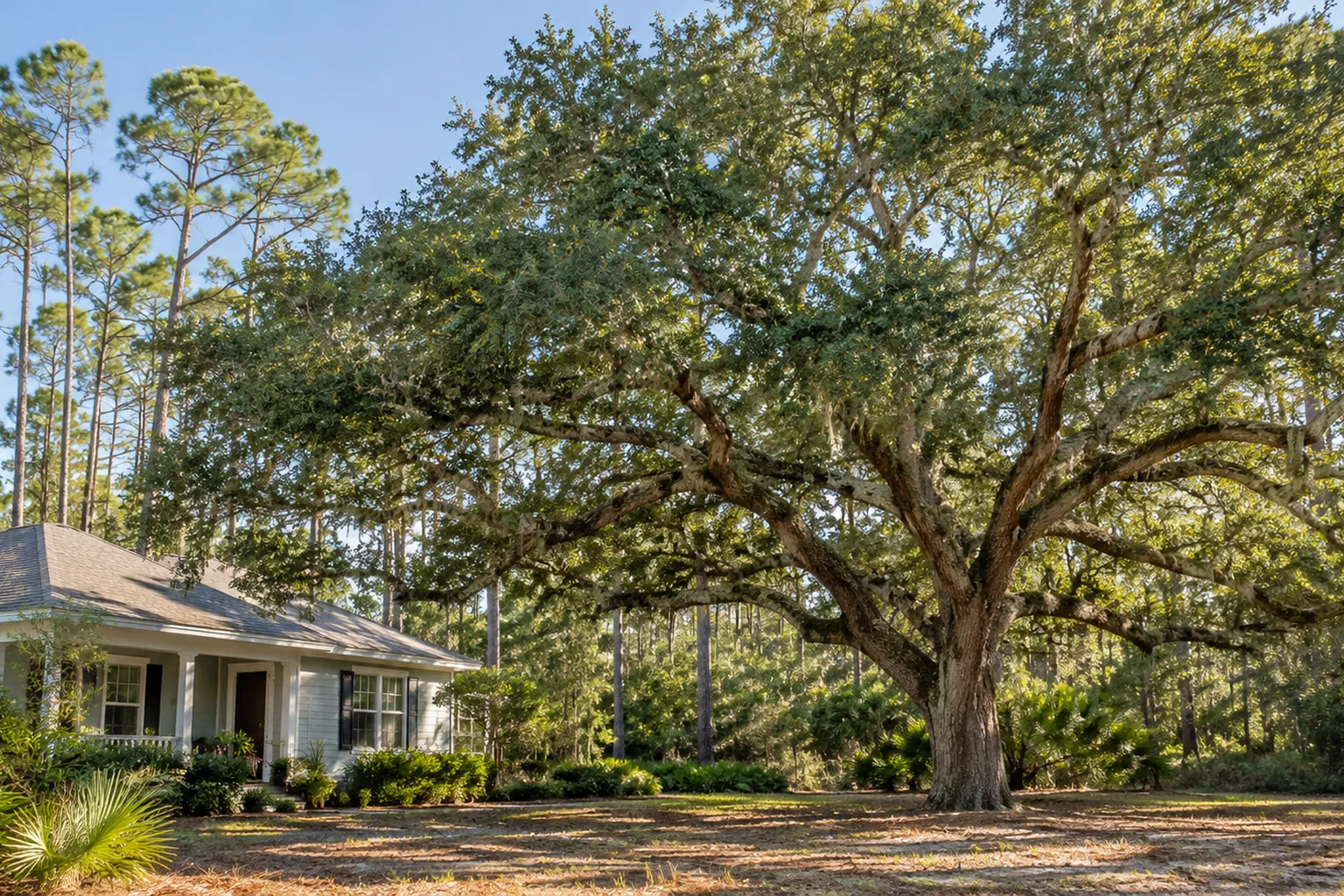
Deciding what to do about live oak storm damage starts with the parts that remain. Lost leaves and broken limbs can be recoverable. The trunk and main roots need separate consideration. UF/IFAS guidance sets out those distinctions. Use them to prepare questions, rather than judge the tree yourself.
Use the latest National Hurricane Center advisory for current storm information. Follow local officials before planning tree work. A forecast does not establish damage at your address.
This guide concerns choices after a storm. It does not report local tree damage. Follow official shelter and access instructions. The local weather statement directs residents to local officials and lists Escambia County updates. Limit your notes to what is visible from a safe indoor or distant location.
Can live oak storm damage be repaired?
Some damaged trees can be kept, but major trunk damage may prevent recovery. The cleanup guide helps organize your questions. The tree work overview adds context. UF/IFAS guidance says trees considered for restoration should have intact structure, without visible cracks or large wounds on the main trunk, limbs or roots.
Start by asking which parts of the tree were checked. A recommendation to keep it should explain that choice. Request a plain description of the damage found. Then ask how that damage fits the proposed plan.
The species name is useful, but it cannot settle everything. UF/IFAS says live oaks recover better than laurel oaks. The same guide says age, health, size and damage affect recovery. These points belong together when discussing your tree. Read the recovery factors.
- Ask what supports the choice to keep the tree.
- Ask which findings still need a closer look.
- Request a separate explanation for each proposed task.
- Keep the reasons with the written work plan.
Your goal is a clear choice with clear reasons. You do not need to choose based on appearance. Ask the person inspecting it to explain unfamiliar terms. If the answer is unclear, request a simpler version. A useful explanation should help you understand the recommendation.
How do root concerns differ from broken limbs?
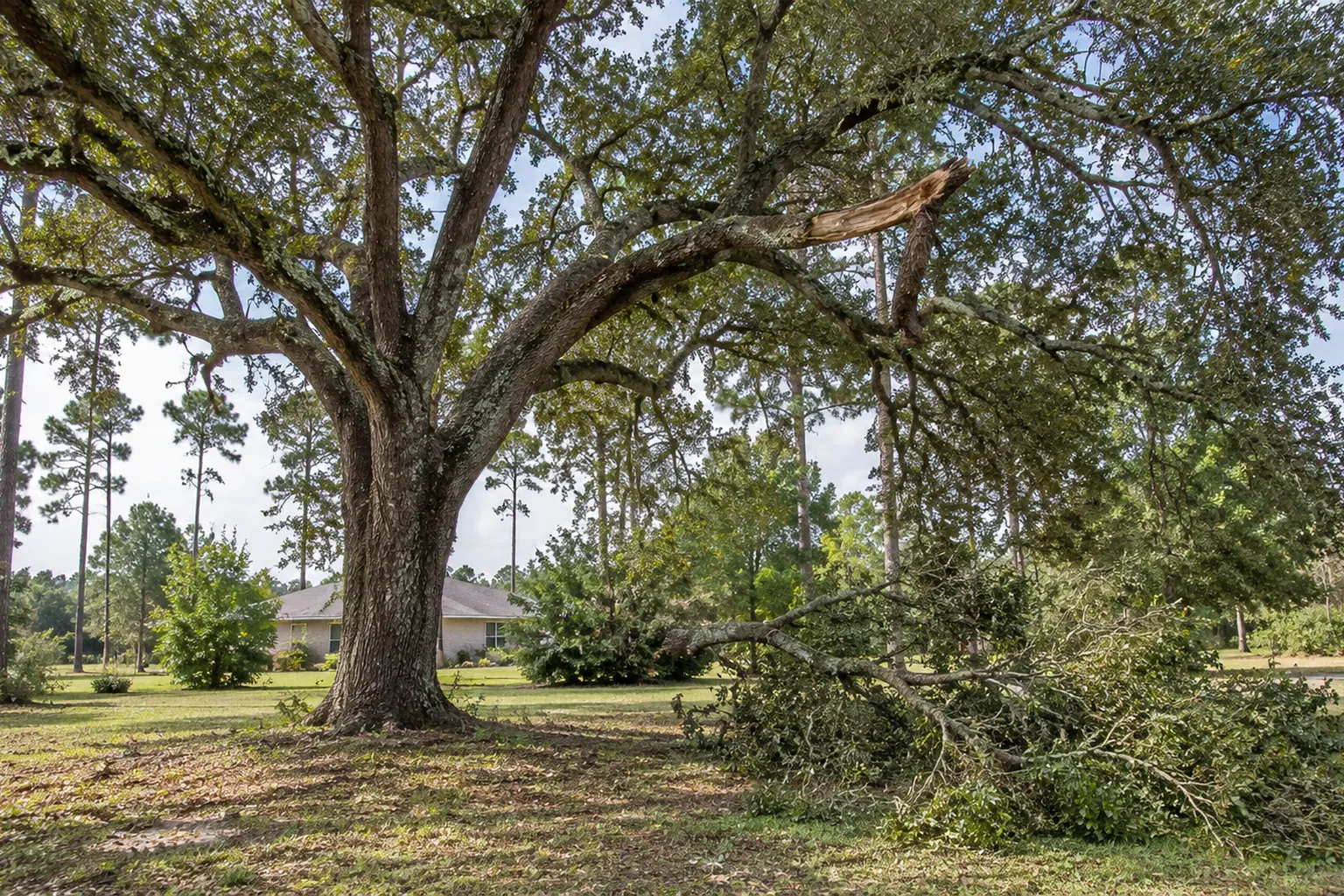
Broken limbs and damage to main roots are different concerns. UF/IFAS guidance allows for recovery from several broken limbs, while requiring intact structure for restoration. Use the hanging limb guide for that specific topic and the storm work guide for broader questions about what can remain.
Keep your notes about branches separate from root concerns. Write down what you can actually see. Leave room for the inspector to explain its meaning. If you cannot see part of the tree, say so.
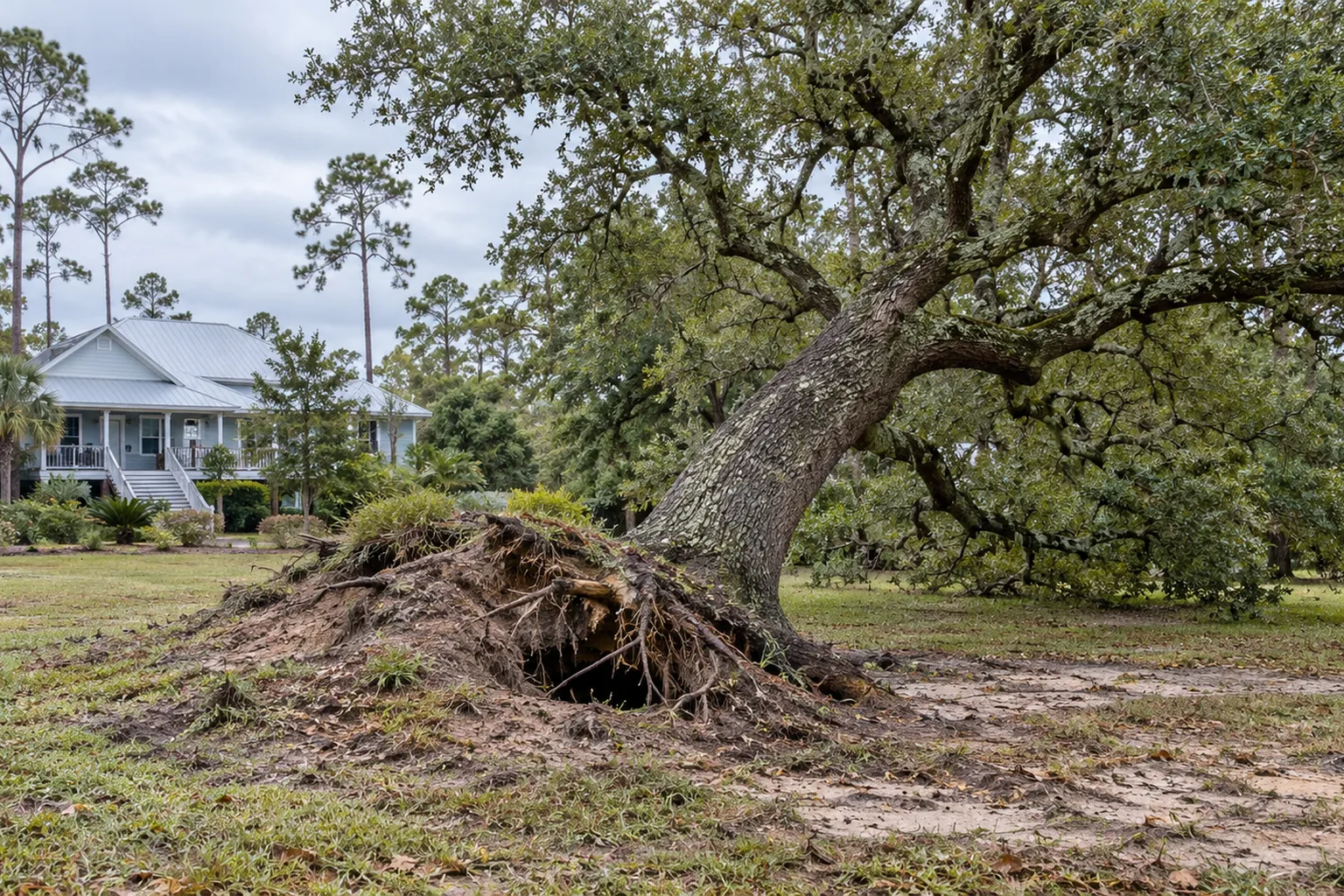
For a fallen large tree, ask specifically about broken roots. UF/IFAS notes that large severed roots can decay. That can leave a tree unstable. Its guidance also describes poor results after standing up larger trees following past storms. This is a reason to seek advice about the roots. See the fallen tree guidance.
- Branch notes: describe visible breaks without naming a cause.
- Root questions: ask what was checked and found.
- Missing views: note the parts you could not see.
- Work proposal: ask which concern each task addresses.
Do not turn a note into a firm conclusion. For example, write that you saw a fallen limb. Then ask whether damage extends beyond that limb. This keeps your question tied to an actual observation. It also leaves the inspection findings in the inspector's hands.
A branch cleanup proposal may leave root questions unanswered. Ask for both topics to be covered in the explanation.
Which findings may lead to removal?
Major trunk damage and poor prior health can make restoration unsuitable. UF/IFAS guidance identifies these concerns. Ask which finding drives the removal advice. For related assessment background, see tree risk assessment. Compare the stated work with the storm removal overview before making your plan.
Ask for more than a general description of storm damage. Which part cannot be retained, and why? Request a plain explanation of the proposed choice. You can then compare it with other advice about the same tree.
UF/IFAS says old trees with root decay, stem decay and large dead branches are more likely to decline than recover. These prior conditions may favor removal. Ask whether the recommendation rests on storm damage, older defects, or both. Read the tree health section.
- Ask which defect or injury was found.
- Ask whether it existed before the storm.
- Request the reason pruning was ruled out.
- Note any further checks that were suggested.
Location also belongs in the conversation. UF/IFAS calls for expert help with large hanging limbs and leaning trees that could hit people or a house. Work near electrical lines requires a qualified line-clearance arborist. Read its risk guidance.
Describe the spaces used around the tree. Include the house, parking area and usual entry route. Ask how those details affect the proposed work. Record the answer alongside the reason for removal.
When can pruning help recovery?
Pruning can be part of restoration when the tree meets the basic structural criteria. UF/IFAS guidance describes cleanup followed by later pruning visits. The limb guide covers a focused concern. The storm tree overview helps place that work within the wider choice to retain or remove the tree.
Ask what the first visit is meant to achieve. Then ask what would be left for later work. Keep those answers separate in your notes. A cleanup task and a long-term plan deserve clear descriptions.
UF/IFAS says initial cleanup should remove as little live wood as possible. It also says an uneven shape is preferable to removing large parts of the live canopy at that stage. Shaping can come later in restoration. Ask how the proposal follows those goals. Read the canopy guidance.
- Request a description of the first visit.
- Ask which later visits may be needed.
- Ask why each proposed task is included.
- Keep unresolved questions with the work plan.
Restoration usually requires more than one pruning. UF/IFAS describes a program lasting two to five years, sometimes longer for large, badly damaged mature trees. That range is context, rather than a deadline for your tree. See the restoration outline.
Ask for a plan suited to the findings. Avoid using a desired final shape as your only question. Instead, ask what the proposed sequence is meant to accomplish.
What should the inspection conversation cover?
The conversation should connect the tree's condition with the recommended work. UF/IFAS guidance considers structure, health and extent of damage. Organize existing records with the photo guide. Use the work overview to prepare questions about the proposal, its limits and the next steps you are being asked to consider.
Start with earlier photos or notes you already have. Label them by date and identify the tree. Do not guess when an old change first appeared. If the date is unknown, write that clearly.
Bring the discussion back to what was actually checked. Ask which parts were seen and which were not. Request that any unanswered questions appear in the notes. You can use this sequence during the conversation:
- Describe the change. Share what you saw and when you saw it.
- Explain site use. List nearby rooms, parking places and entry routes.
- Ask about inspection limits. Find out what could not be checked.
- Compare the choices. Ask why retention, pruning or removal was proposed.
- Confirm the next step. Write down who will do what and when.
If two recommendations differ, ask about the difference directly. Did both people inspect the same parts? Are they proposing the same work? Does one call for another visit before a decision? Keep each answer with the proposal it belongs to.
There is no need to learn every technical term. Ask for the meaning of terms used in your report. Then request an explanation tied to your actual tree. Keep the date and the inspector's name with the notes.
How should you plan follow-up for a retained tree?
Follow-up should fit the damage and the recovery plan. UF/IFAS guidance says severely damaged trees need monitoring for recovery or decline. Keep the cleanup guide with your initial notes. Use the tree work guide when preparing questions for the next visit, including what the inspector wants you to report.
Ask for a clear date or reason for the next visit. Record who to contact with further questions. Keep each work record beside the earlier recommendation. That gives you a simple history to share later.
UF/IFAS links recovery time to age, health, size, species and damage. It also notes that severely damaged trees may need more visits. Ask how those factors shape the plan for this tree. Read the recovery guidance.
- Keep the inspection date and written findings.
- File any photos you already have by date.
- Record the work that was actually completed.
- Save the follow-up date and contact details.
For a coastal property, share any known storm-surge history. UF/IFAS says salt damage from storm surge can cause significant tree dieback. Ask whether that history needs attention in the plan. Do not use it to diagnose the tree yourself. See the coastal damage note.
Keep observations separate from advice in your record. For example, put your dated note in one place. Put the inspector's response beside it, with its date. That preserves what was seen and what was recommended.
How can you compare written work proposals?
A save-or-remove decision also needs a clear work scope. Ask each provider to name the tree being discussed. Then ask them to separate initial work from later visits. Keep optional tasks apart from the work you requested. Related reading: tree removal, and Pensacola guide.
- Check that each proposal names the same tree.
- Compare the listed tasks line by line.
- Ask which follow-up visits are included.
- Request an explanation of differences in the scope.
Frequently Asked Questions
Ask questions that separate species, branch loss, roots and follow-up. UF/IFAS guidance treats these as different parts of recovery. Keep the limb guide for branch concerns and the photo guide for organizing existing records. These answers can help you prepare a focused conversation about the tree.
Does being a live oak mean the tree can stay?
No. UF/IFAS says live oaks recover better than laurel oaks, but it also requires intact structure for restoration. Ask how the tree's actual condition supports the recommendation. The species comparison is useful background. It does not replace findings about the trunk, main limbs and roots. Read the restoration criteria.
Can a fallen mature tree simply be stood upright?
Do not assume that standing it upright settles the decision. UF/IFAS describes poor results with larger trees stood up after past storms. It also says large severed roots can decay and cause instability. Ask how those root concerns affect the recommendation for this tree. See the fallen tree guidance.
Does one lost limb always mean removal?
No. UF/IFAS says trees can recover from several broken limbs. Its restoration criteria still require intact structure without visible cracks or large wounds on main parts. Ask where the damage is and how the remaining tree meets those criteria. Request an explanation specific to that break. Read the damage guidance.
Does losing all the leaves mean the tree is lost?
No. UF/IFAS says trees can recover from complete leaf loss. The same guidance distinguishes that loss from major trunk damage, which is often beyond repair. Ask for the leaf condition and structural findings to be explained separately. Avoid making the whole decision from the canopy's appearance. See the recovery criteria.
Does the first cleanup visit complete restoration?
Usually, restoration involves more than one pruning. UF/IFAS describes repeated visits and recovery times that vary with the tree and its damage. Ask what the first visit covers and what comes later. Keep those answers in the written plan so the next step is clear. Read the restoration outline.
Related Reading And Scope
See the Pensacola tree guide and tree risk assessment guide for related background.
The Emerald Coast tree cleanup guide covers the wider Florida coast. For nearby Alabama, read the coastal Alabama storm cleanup guide.
For related reading, see the Pensacola tree guide and tree removal guide. For a property outside Volusia or Flagler County, contact a local tree professional.
Florida Foliage is a Daytona Beach tree service that works with an ISA Certified Arborist consultant. For a property in Volusia or Flagler County, call (386) 481-7913 to request an estimate.
Drafting disclosure: This article was drafted with AI assistance using public sources. It does not independently verify live forecasts, site conditions, pickup notices, or insurance coverage. Check current details with the responsible agency or a qualified local professional.
Call (386) 481-7913 to talk through next steps.