Reviewed by Clinton Funk
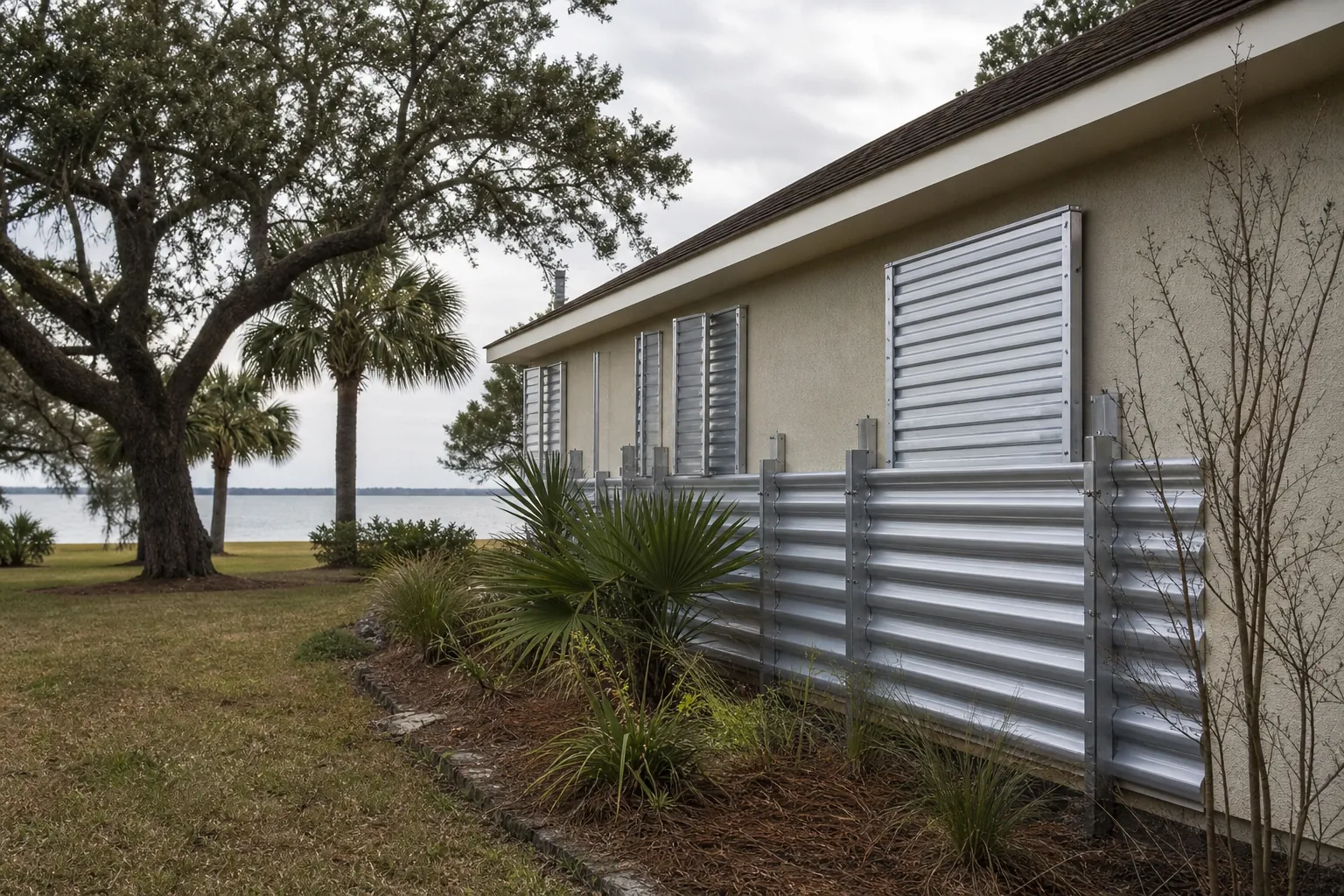
Hurricane yard barriers remind visitors to stay outside areas closed during cleanup. Place messages only from safe, undamaged locations, without approaching hazards to mark them. Tape, cones, and signs cannot protect anyone from falling trees or electrical hazards. Keep visitor directions separate from any professional assessment of the yard.
What should hurricane yard barriers tell visitors?
A useful boundary tells visitors where to stop and how to reach you. It should never suggest that nearby ground has been cleared for use. Pair your message with a yard cleanup zone plan and guidance for waiting for tree help to keep those roles distinct.
Think of the boundary as a message, rather than a shield. Its purpose is to prevent confusion about a closed yard. It does not show how far a branch could fall. It cannot establish where electrical danger starts or ends.
Use plain words that describe the visitor’s next step. “Yard closed during cleanup. Please call or text before approaching” gives a clear instruction. “Caution” alone leaves people guessing about what they should do.
A second line can explain the limit without crowding the sign. Try “This marker is a reminder, not protection from hazards.” Keep the main instruction large enough to read before reaching the closed area.
- State that the yard is closed before describing any cleanup stage.
- Tell visitors to contact you instead of choosing their own route.
- Use the same wording in signs, texts, and delivery instructions.
- Leave out arrows unless a suitable arrival route has been established.
Avoid “safe side,” “all clear,” or “hazard ends here.” Those phrases turn a simple reminder into a claim about conditions. Use place names such as “front gate” instead of labels that imply safety.
Some visitors may know your usual shortcut through the yard. Tell them that familiar paths are closed too. A short message sent before arrival can address this better than extra tape.
This article concerns visitor messages during staged cleanup in Pensacola. It does not set a work zone or assess damaged trees. Those tasks need a separate plan based on actual conditions.
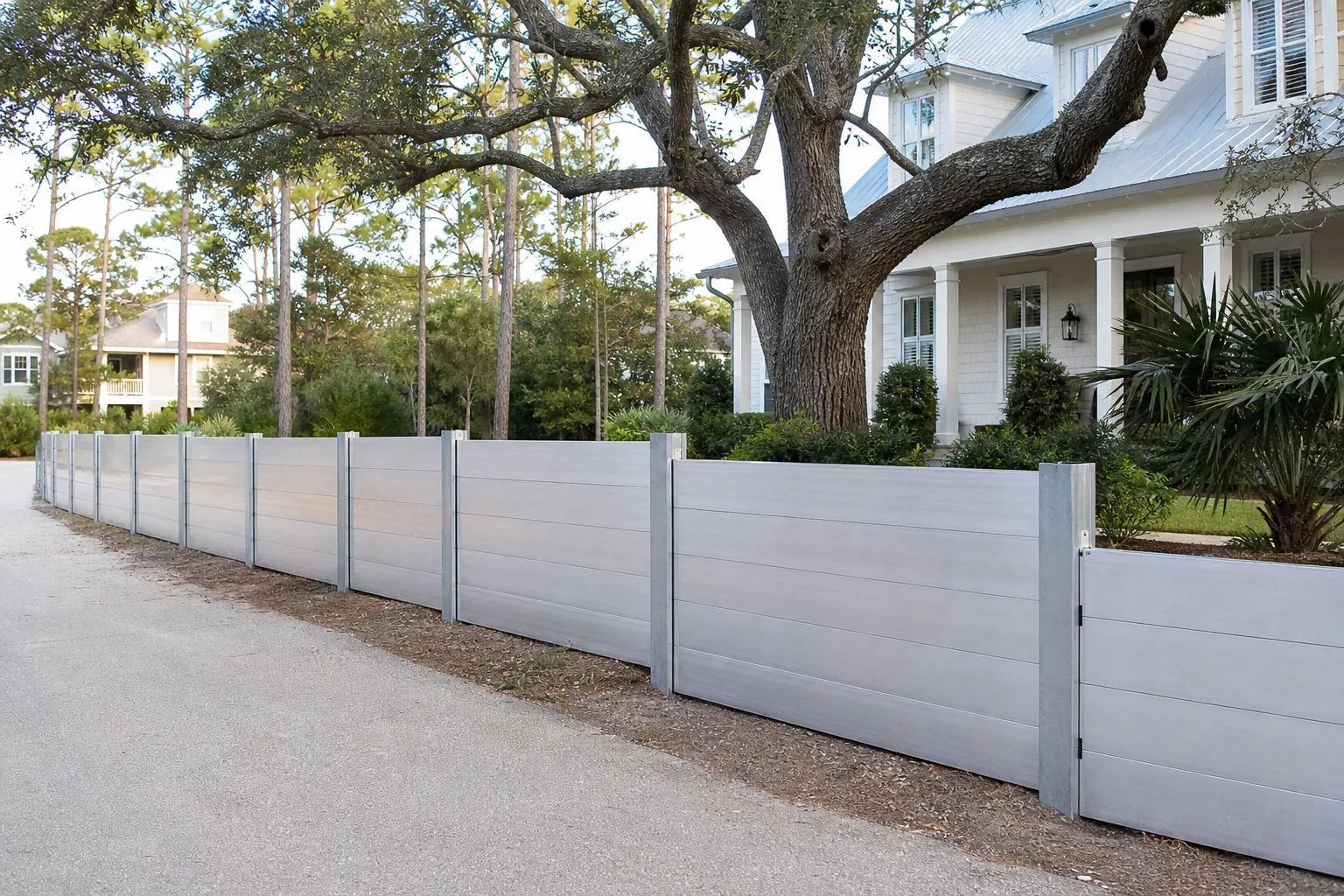
Where can you communicate a temporary yard closure?
Communicate from a safe, undamaged location that does not require crossing the affected yard. A message sent before arrival may work better than a physical marker. Use porch observation guidance and blocked front door guidance when thinking about contact points, without assuming either location remains suitable.
You do not need to trace the edge of damage. Doing so could require entering the very area you want others to avoid. A closure message can refer to the whole yard without marking each damaged spot.
Start with the places where visitors receive information before they arrive. These may include a text thread, delivery note, or planned visit reminder. Use a short address description so the message cannot be confused with another stop.
A physical sign is an option only when placement needs no exposure to hazards. Do not approach damaged trees, wires, or standing water to install one. NWS warns people to watch for fallen objects, downed wires, and weakened structures after hurricanes. See NWS guidance for after a hurricane.
If there is no suitable place to post a sign, skip that step. Tell expected visitors to delay their visit and contact you first. A missing sign is not a reason to enter a damaged area.
Do not attach a marker to a damaged tree or loose branch. The message can describe a closure without using storm debris as support. Avoid stretching tape across an entrance that people still need to use.
Consider what the visitor sees before reaching the property. A message hidden behind a parked vehicle may arrive too late. Better wording will not fix a sign that cannot be read from the intended approach.
Keep observation separate from assessment in every note. “Branches are visible across the path” describes what you can see. “The path is safe beside those branches” makes a judgment that the observation cannot support.
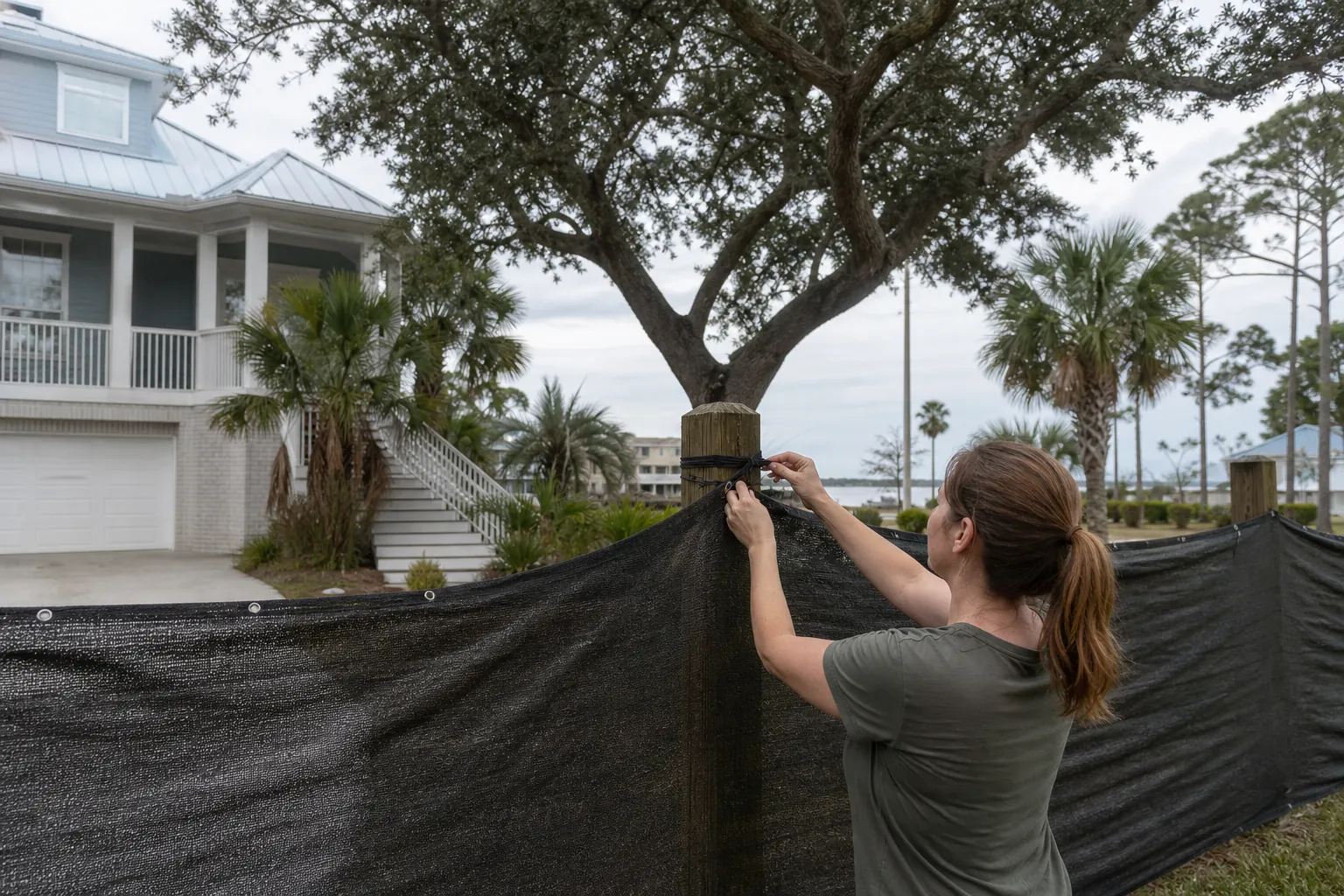
Which signs and messages work best for different visitors?
Choose a message format based on how each visitor normally reaches you. Clear wording matters more than a large number of markers. Connect tree crew visit planning with household cleanup communication so visitors receive one consistent closure message instead of several conflicting versions.
A paper sign, text, and delivery note serve different roles. None can replace assessment of a damaged tree or electrical problem. Their shared job is to stop a visitor from making assumptions about access.
| Method | Useful role | Important limit |
|---|---|---|
| Message before arrival. | Tells a known visitor to wait for contact before approaching. | It will not reach an unexpected visitor. |
| Sign at an available contact point. | Repeats the closure instruction where visitors normally look for directions. | It must be placed without entering the affected area. |
| Delivery instruction. | Requests a delayed visit or an agreed handoff arrangement. | It does not establish a suitable walking route. |
| Cones or temporary tape. | Adds a visible reminder where placement is already appropriate. | It cannot block falling limbs or protect against electricity. |
| Shared household message. | Keeps answers consistent when several people receive visitor calls. | It needs updating when the closure instructions change. |
Use words as well as color. A visitor may not know what a certain tape color means. “Yard closed. Contact us before approaching” gives a direct instruction without relying on a color code.
Some visitors may have trouble reading a small sign. Offer the same instruction by text or another familiar means. Keep the contact method simple, with one household contact where practical.
Do not use a broken fence as proof that people understand the closure. A gap may look like the normal way in. Send expected visitors a clear message that the yard remains closed.
Keep the message brief enough to read at a glance. Extra detail belongs in the follow-up conversation, not on the main sign. The first line should still make sense if someone reads nothing else.
How can a closure worksheet prevent mixed messages?
A short worksheet keeps the closure message clear as cleanup moves through stages. Record the instruction, contact person, and limits of what is known. Use tree cleanup scope guidance and tree damage record guidance to separate completed tasks from unresolved concerns about access.
This worksheet is a message record, not a yard inspection form. Fill it out from an appropriate location using facts already known. Blank fields should stay blank rather than invite a closer look at damage.
- Write one closure statement that names the area visitors must avoid.
- Record the contact method visitors should use before they approach the property.
- List where that statement appears, including signs, delivery notes, and shared texts.
- Record visible conditions as observations without adding conclusions about tree stability.
- Note which access concerns still need assessment before instructions can change.
- Choose one person to update each copy when the message changes.
A sample entry might read, “Rear yard closed during staged cleanup. Text before visiting. Branches remain visible near the rear gate. No decision about reopening that entrance has been made.” This records the message without claiming a hazard boundary.
Add a field titled “What changed in the message?” Use it for clear notes such as “Delivery visit postponed” or “Old entrance arrow removed.” This helps others see the current instruction without reading every past note.
A separate field can record work reported as complete. Keep that fact narrow, such as “Loose debris pickup completed in the front area.” Do not turn it into “Front yard cleared for visitors.”
Store the worksheet with the household’s shared cleanup notes. It should make coordination easier, rather than create more field work. Visitors need the short instruction, not the whole record.
Photos may help explain what is visible from an undamaged location. They cannot establish that a tree, path, or marked area is safe. Leave any unresolved assessment separate from the visitor message.
How should boundaries change during staged cleanup?
Change the message only when the access instruction actually changes. A smaller debris pile does not by itself justify opening a route. Review multiple downed tree priorities and later yard recheck guidance to keep visible progress separate from decisions about visitor access during cleanup.
Staged cleanup often creates a gap between visible work and finished work. One task may be complete while another concern remains unresolved. Keep the closure message in place rather than asking visitors to judge that gap.
For example, removing a pile from view changes the appearance of the yard. It does not answer every question about the tree above it. The visitor instruction should reflect the access plan, not the tidy appearance.
- Keep the same closure wording while access concerns remain unresolved.
- Remove old arrows when they no longer match the current arrival instruction.
- Tell expected visitors directly when a planned handoff must be delayed.
- Record completed cleanup tasks without describing the whole yard as cleared.
Coordinate message changes with the people handling the relevant work. Homeowners should not move markers into the work area to follow progress. A visitor reminder and a professional work boundary have different purposes.
If tape falls or a sign moves, do not enter a closed area to retrieve it. Use a remote message while the physical reminder is unavailable. Replacing a marker is less important than avoiding exposure.
Floodwater calls for more than a change in tape placement. Ready.gov says not to wade in floodwater, which can contain debris and other hazards. It also warns that power lines can electrically charge water. Keep that limit explicit in messages about wet areas. See Ready.gov hurricane guidance.
Never invite someone to step around water to reach a marker. If the approach is uncertain, delay the visit instead. A closure plan can remain simple even while the cleanup plan changes.
When should visitor access stay closed instead of being redirected?
Keep access closed when you cannot offer a suitable arrival arrangement without unresolved hazards. Do not send visitors around damage merely to preserve a visit. Refer to trees touching service wires and hanging limb guidance for more context, and keep your visitor closure message direct.
A closure should not require visitors to solve the access problem themselves. Avoid instructions such as “Find a way around the branches.” Give them a contact method and explain that the visit must wait.
Downed wires and weakened structures require particular care after a storm. The NWS after-hurricane guidance warns people to watch for both. A cone beside a wire does not turn the nearby ground into an approved route.
Use a firm message when guests offer to help with cleanup. Ready.gov says children should not help with disaster cleanup work. Keep that instruction separate from any social visit arrangements. See Ready.gov cleanup precautions.
- Delay visits when the proposed approach still depends on an unresolved assessment.
- Tell visitors that stepping over tape does not change the closure instruction.
- Use direct contact instead of asking guests to check conditions on arrival.
- Keep all messages clear that markers offer no protection from tree or electrical hazards.
Do not soften the instruction because someone has visited many times before. Familiarity with the property does not explain changed conditions. A clear closure is easier to follow than a list of possible shortcuts.
For Pensacola homeowners, the practical goal is consistent communication during staged work. Florida Foliage’s headquarters remains in Daytona Beach. This educational guidance does not state that a Pensacola crew is available.
Keep professional assessment, cleanup progress, and visitor directions as three separate records. Each answers a different question. That distinction helps prevent a temporary reminder from being mistaken for a finding about safety.
Does temporary yard tape show how far a tree might fall?
No. Tape marks a communication boundary, not a measured falling range. It cannot establish tree stability or protect anyone from falling wood. Keep the message focused on staying out, and leave tree assessment to a qualified professional.
What if a visitor ignores the closure sign?
Contact them from your current appropriate location and repeat the instruction clearly. Ask them to stop approaching and follow the agreed contact plan. Do not enter the affected area to escort them or adjust a marker.
Can a delivery note replace a physical sign?
A delivery note can communicate a closure without requiring sign placement. It reaches only the people who receive it, so it has limits. Ask for a delayed visit or agreed handoff rather than suggesting a route through damage.
Should I reopen the yard once the debris looks smaller?
No. Visible progress does not answer unresolved questions about access or tree condition. Record the completed work without expanding its meaning. Change visitor directions only when the access arrangement has been addressed, rather than relying on appearance.
What should a short yard closure message say?
Use a direct instruction such as “Yard closed during cleanup. Please text before approaching.” Add that markers do not protect against tree or electrical hazards. Avoid wording that calls either side of the marker safe or cleared.
Call (386) 481-7913 to request an estimate.
AI helped draft this article and create its images. The text offers general guidance; it cannot establish the condition of a tree or work area.
Call (386) 481-7913 to talk through next steps.